DbcultAccessing Vault...
Cult Review
Senior Film Conservator
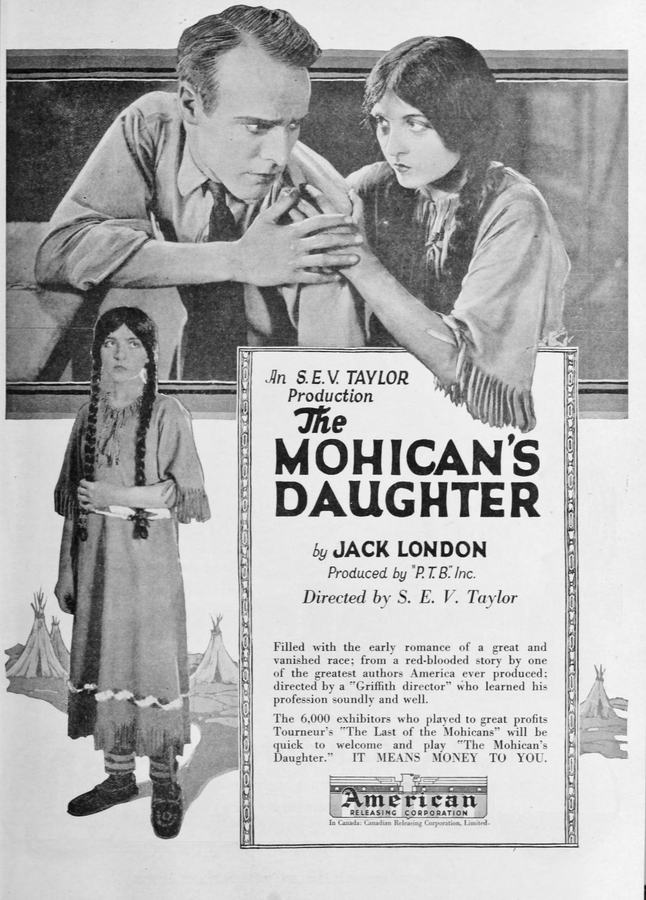
The 1921 cinematic landscape was a fertile ground for the exploration of the 'primitive' versus the 'civilized,' a theme that Stanner E.V. Taylor and the legendary Jack London navigate with surprising nuance in The Mohican's Daughter. Far from the sanitized melodramas that often populated the era, this work pulses with a rugged, almost feral energy that mirrors London’s literary obsession with the survival of the spirit in unforgiving landscapes. The film functions as a psychological study of Jees Uck, a woman whose mixed heritage serves not as a plot device for tragedy, but as a lens through which we view the crumbling foundations of tribal isolationism.
Myrtle Morse delivers a performance characterized by a restrained intensity that was rare for the silent screen. Her Jees Uck is a character defined by movement—constant flight, constant seeking. When she defies the tribal interdict to save Inigo’s child, the film transcends the tropes of the 'noble savage' and enters the realm of ethical existentialism. We see a similar tension in The Typhoon, where cultural collision leads to inevitable catastrophe, yet Taylor’s direction here offers a more intimate, character-driven focus. The medicine she seeks is more than a cure for a physical ailment; it is a symbolic bridge to a world that Chatanna, the chief, views with a mixture of justified suspicion and personal greed.
Mortimer Snow’s portrayal of Chatanna is a masterclass in silent villainy. He isn't merely a mustache-twirling antagonist; he represents the dying gasps of a power structure that can only maintain control through the suppression of progress and the manipulation of truth. His murder of Nashinta, the medicine man, is a pivotal moment of sacrilege that mirrors the broader themes of internal rot found in films like The Pen Vulture, where the corruption of information serves to subjugate the innocent.
The visual language of the film relies heavily on the stark contrast between the dense, shadowy woods and the structured, albeit rustic, geometry of Neil Bonner’s trading post. This post, managed by Saxon Kling’s Bonner, acts as a sanctuary that is simultaneously a cage. The lighting during the attack on the post utilizes a primitive but effective form of expressionism, casting long, jagged shadows that heighten the sense of encroaching doom. It reminds one of the atmospheric density found in Wild Honey, where the environment itself becomes a character with its own malevolent agency.
The siege sequence is remarkably well-staged for 1921. There is a kineticism to the editing that prefigures the more sophisticated action sequences of the late silent era. Unlike the more staged, theatrical presentation of Thunderbolt Jack, Taylor opts for a claustrophobic realism. Jees Uck’s decision to surrender to save her white friends is a moment of profound narrative weight. It shifts the power dynamic from one of physical combat to one of moral superiority, a theme that London frequently explored in his prose.
The resolution of the plot, involving Neil Bonner’s discovery of evidence against Chatanna, introduces an early cinematic fascination with the 'detective' element. This transition from mythic tribal conflict to a more procedural, law-based resolution is fascinating. It suggests a movement away from the 'might makes right' ethos of the wilderness toward the structured justice of the encroaching modern world. We see a similar thematic shift in Trimmed, where the protagonist must navigate the complexities of social standing and legal truth.
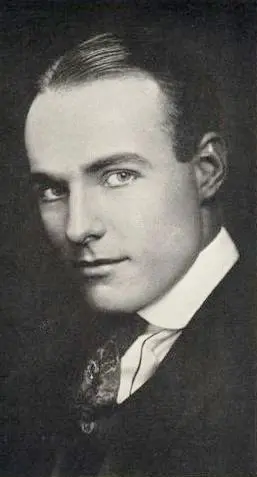
The marriage between Jees Uck and Neil Bonner at the film's conclusion is often critiqued by modern standards as a form of colonial assimilation. However, within the context of 1921, it was a radical assertion of humanity across racial lines. While films like The Blacksmith focused on the physical labor and comedy of the common man, The Mohican's Daughter dared to ask questions about the compatibility of disparate cultures. It lacks the overt propaganda of The Kaiser, the Beast of Berlin, choosing instead a more personal, albeit melodramatic, path toward social commentary.
Comparing this film to The Tiger reveals a shared interest in the predatory nature of man, but Taylor’s work is less about the hunt and more about the internal fortitude required to withstand it. There is a spiritual kinship with Hearts Are Trumps in its use of chance and destiny, yet the Jack London influence ensures that the 'luck' involved is always earned through blood and grit. Even in lighter fare like A Pigskin Hero or The Head Waiter, the era was preoccupied with social climbing and identity, but The Mohican's Daughter elevates these concerns to a life-and-death struggle.
The maritime connection, though brief, echoes the themes found in The Sea Flower, where the water represents a vast, indifferent force that both separates and unites characters. Here, the wilderness serves that same purpose. The film’s obsession with reputation and the 'stain' of a false accusation mirrors the plot of The Flash of an Emerald, but Jees Uck’s redemption is far more visceral than the societal maneuvering seen in The Woman in Black or the comedic misunderstandings of Good References.
The collaboration between Taylor and London’s estate resulted in a film that captures the author’s voice with surprising fidelity. The screenplay understands that a London protagonist must be a person of action, someone who defines themselves through their response to adversity. Jees Uck is not a passive victim of her circumstances; she is an architect of her own survival. This agency is what makes the film endure as a significant piece of early American cinema. It avoids the mawkish sentimentality that plagued many of its contemporaries, offering instead a gritty, unflinching look at the cost of progress and the weight of tradition.
In the final analysis, the film’s power lies in its ability to humanize a conflict that could easily have devolved into caricature. The medicine man Nashinta, though his screen time is limited, represents the tragic loss of wisdom when confronted with the brute force of a tyrant like Chatanna. The trading post, with its shelves of canned goods and ledger books, represents a new kind of order that Jees Uck must learn to navigate. The marriage ending, while appearing as a 'happily ever after,' is actually a complex negotiation of survival. Jees Uck has not just found a husband; she has found a sanctuary in a world that no longer has a place for the old laws.
The technical merits of the film, from the location shooting to the nuanced performances, elevate it above the standard 'Northland' fare of the early twenties. It remains a testament to the power of silent storytelling to convey complex social and ethical dilemmas. For those interested in the evolution of the Western and the portrayal of indigenous cultures on screen, The Mohican's Daughter is an essential text, a haunting reminder of the beauty and brutality of the American frontier.
IMDb 8.1
1935
Community
Log in to comment.