DbcultAccessing Vault...
Cult Review
Senior Film Conservator
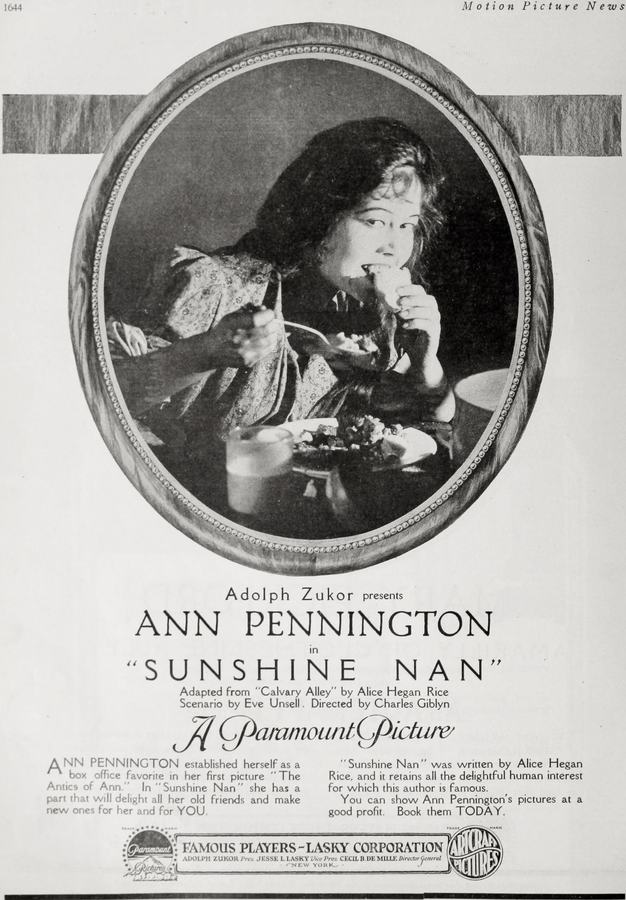
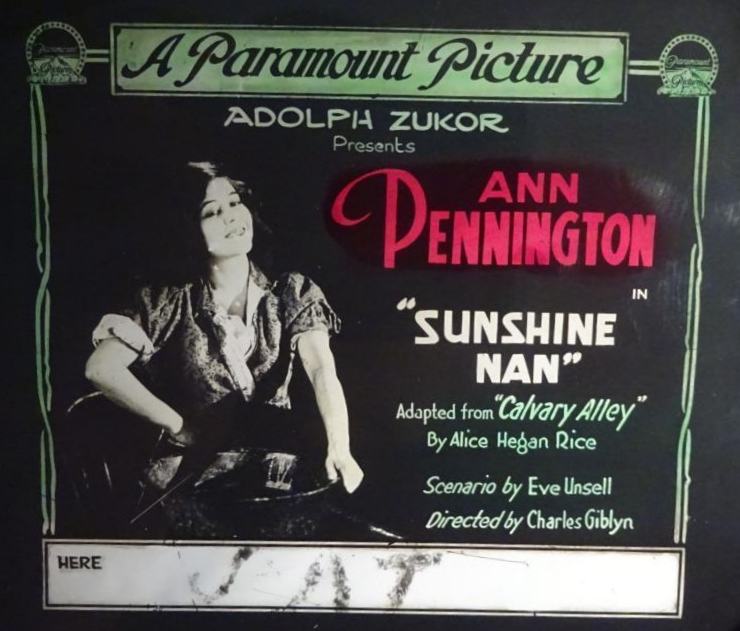
When Sunshine Nan (1925) premiered, it arrived like a burst of unfiltered sunlight into the dimly lit corners of early cinema—a film that refused to romanticize poverty or sanitize its moral dilemmas. Directed by James A. Furey and starring Helen Tracy as the indomitable Nance Molloy, this silent drama is a masterclass in using visual storytelling to dissect the paradoxes of social mobility, inventive ambition, and the corrosive power of grudges. The film’s title character, a woman whose nickname is less a term of endearment than a defiant declaration of hope, navigates a world where every step forward is met with a brick wall of institutional indifference.
Nan’s slum, situated in the shadow of a cathedral, is a microcosm of societal neglect: its cobblestone alleys littered with refuse, its residents trapped in a cycle of menial labor and moral compromise. The cathedral itself—a looming presence in the background—serves as an ironic counterpoint to the spiritual bankruptcy of the Clark family, whose wealth is built on the exploitation of the very community they inhabit. Helen Tracy’s portrayal of Nan is a study in contrasts: her luminous expressions radiate warmth even as her physical environment decays around her. The nickname 'Sunshine Nan' isn’t merely a quirk of the plot; it’s a motif that recurs in the film’s visual language, from the way light catches on her collar to the dappled sunlight filtering through the factory windows where she later works.
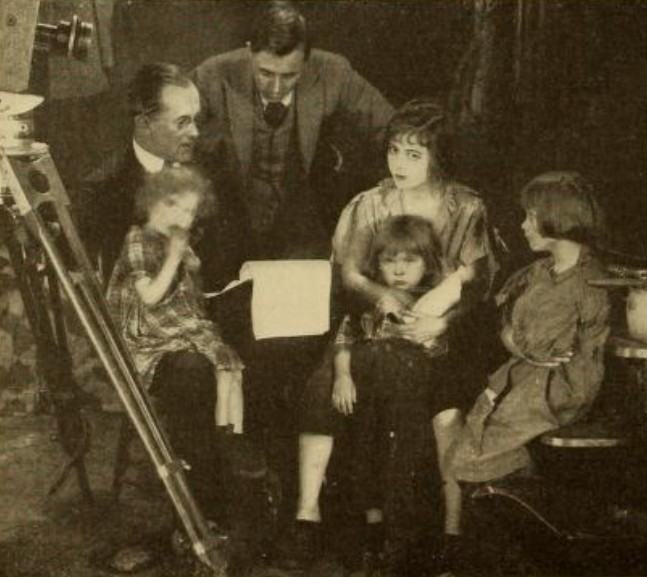
Richard Barthelmess’s MacPherson Clark, by contrast, is a study in entitlement. His interactions with Nan are laced with condescension, his bullying tactics a reflection of a society that sees the poor as obstacles rather than people. The film’s decision to frame MacPherson’s moral decline not as a sudden fall but as a slow erosion of empathy—culminating in his theft of Dan Lewis’s dye formula—is a narrative choice that elevates the story beyond a simple revenge plot. Dan, played with quiet intensity by Frank Losee, represents the archetype of the self-made innovator, a man whose chemical genius is as much a product of desperation as it is of intellect. His invention, a synthetic dye process, becomes a symbol of the double-edged sword of progress: it promises prosperity but also invites exploitation.
The film’s most electrifying sequence—the lab fire that consumes Dan’s formula—is executed with a visual poetry that transcends the limitations of silent film. The flames, flickering in stark contrast to the factory’s sterile white walls, consume not just property but the very sins of the characters. MacPherson’s realization in the hospital, where he confronts the consequences of his actions, is a masterstroke of pantomime. His trembling hands, the guilt in his eyes, and the slow, aching realization that Nan and Dan’s future is no longer tethered to his own greed, are rendered with a subtlety that speaks to the film’s emotional precision.
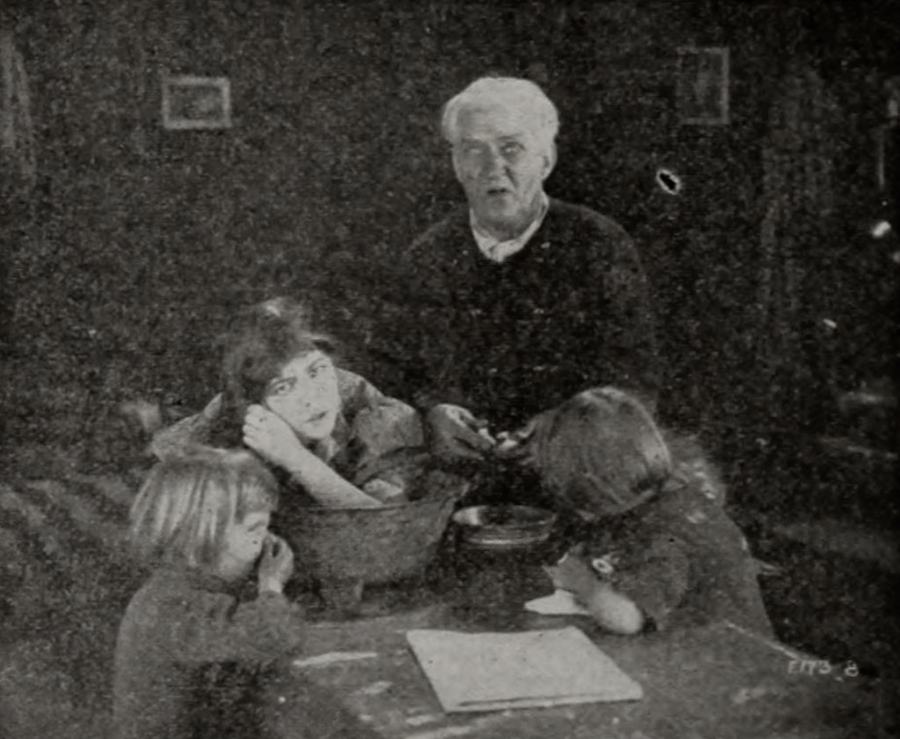
What makes Sunshine Nan endure is its refusal to offer easy resolutions. The marriage of Nan and Dan is not the film’s denouement; it’s a quiet acknowledgment that some wounds heal not through grand gestures but through the mundane act of building a life together. The renaming of the slum to 'Cathedral Court' is a bureaucratic gesture, one that the filmmakers treat with a mixture of irony and hope. It’s a reminder that societal change is often incremental, that the true work happens in the spaces between the headlines.
In the pantheon of silent dramas, Sunshine Nan shares thematic DNA with Behind the Mask, another film that examines the masks of respectability concealing moral rot. Yet where The Bridge of Sighs leans into melodrama for emotional impact, Sunshine Nan grounds its story in the specificity of its characters. The film also echoes the industrial critiques of Lights of New York, though its focus on chemistry as both literal and metaphorical alchemy sets it apart.
Technically, the film is a marvel of pre-sound cinema. The use of color—limited though it was by the technology of the time—is symbolic rather than literal. The factory’s chemical vats, filmed with a deep blue tint, contrast with the golden hues of Nan’s hair, a visual metaphor for the tension between artifice and authenticity. The editing, particularly in the fire sequence, is taut and rhythmic, using cross-cutting to build tension before the climax’s cathartic release.
Though overshadowed by its more famous contemporaries, Sunshine Nan remains a vital piece of the silent film canon. Its exploration of class, innovation, and personal integrity resonates with modern audiences grappling with similar issues of equity and exploitation. Helen Tracy’s performance, in particular, deserves more recognition: her ability to convey a spectrum of emotions—from the childlike joy of her nickname to the steely resolve of her final scenes—is a testament to the power of silent acting.
For cinephiles seeking a film that balances narrative ambition with artistic restraint, Sunshine Nan is a revelation. It’s a story that reminds us that even in the darkest alleys, the human spirit can shine—and that sometimes, the smallest sparks are the ones that light the way forward.
IMDb 7.3
1931
Community
Log in to comment.