DbcultAccessing Vault...
6.9/10
Senior Film Conservator
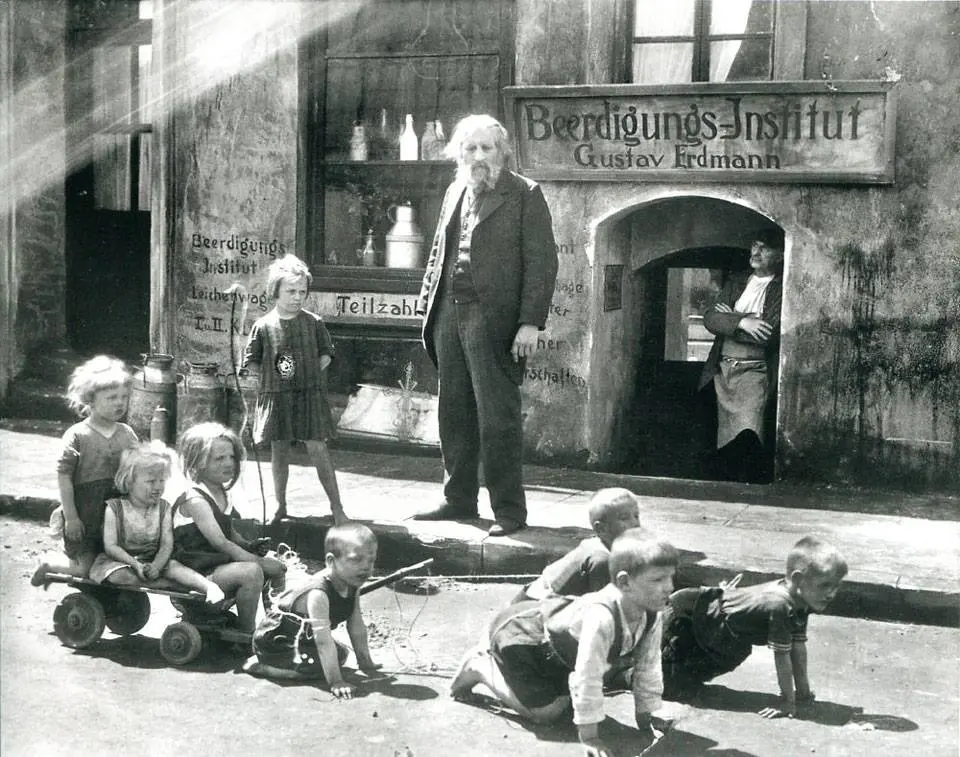
A definitive 6.9/10 rating for a film that redefined the boundaries of cult cinema. Slums of Berlin remains a cornerstone of transgressive art.
The silent film era gifted audiences with numerous narratives that probed the human condition, often spotlighting the plight of the marginalized. Among these, Slums of Berlin stands out as a stark portrayal of societal ostracization and the quest for redemption. Directed by Gerhard Lamprecht and based on the works of Heinrich Zille, this film presents a gripping tale of a young engineer whose life takes a drastic turn after a single misguided action.

The story commences with our protagonist, a promising young engineer, whose life appears to be on an upward trajectory, with a fiancée and a seemingly bright future ahead. However, his world crumbles when a lie told to protect his fiancée leads to a charge of perjury. Despite his protestations of innocence, he is convicted and sentenced to prison. This event sets off a chain reaction, culminating in his fiancée's abandonment and his social isolation.
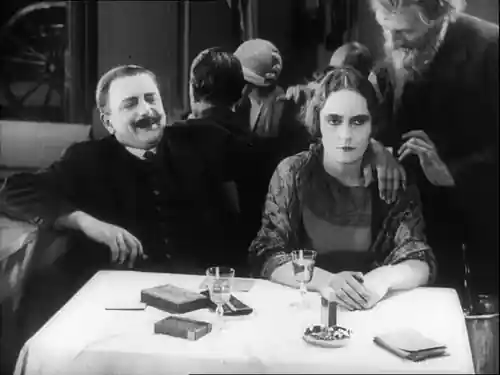
Upon his release from prison, the engineer confronts the harsh realities faced by ex-convicts. His struggles to secure employment and find accommodation mirror the challenges faced by many in similar situations, highlighting the societal stigma attached to criminal records. This Kafkaesque nightmare seems insurmountable until he finds temporary shelter with a local prostitute. This encounter introduces him to the 'lower echelons' of society, individuals often overlooked and underappreciated.

The film adeptly portrays the lives of these marginalized characters with a sense of verisimilitude and empathy, challenging the audience's preconceptions about criminality and morality. Through his interactions with these 'undesirables,' the engineer begins to perceive the world from a different lens, ultimately finding a sense of belonging and purpose among those society deems inferior.

As the engineer gradually reintegrates into society, he faces another critical juncture. A situation arises that necessitates him risking everything he has worked for to assist those who have become his friends. This dilemma serves as the climax of the film, testing his newfound values against the allure of 'respectability.'

In comparison to other films of its era, such as Fesseln and In the Knicker Time, Slums of Berlin distinguishes itself through its unflinching portrayal of social realities and its sympathetic treatment of the downtrodden. Unlike the more sensationalist Don't Tell Everything or the fantastical King of the Circus, this film grounds its narrative in the gritty realities of life on the fringes of society.
The performances in Slums of Berlin are noteworthy, with the cast delivering nuanced portrayals that add depth to the narrative. Aud Egede-Nissen and Sylvia Torf, among others, bring to life the characters that populate this somber yet ultimately hopeful tale.
In conclusion, Slums of Berlin is a cinematic work that not only entertains but also prompts reflection on societal norms and the human condition. Its exploration of themes such as redemption, friendship, and the struggle for acceptance resonates deeply, making it a significant work in the canon of silent cinema. For those interested in films that challenge and engage, Slums of Berlin is an essential watch, offering a powerful look at the lives of those on the periphery of society and the enduring human spirit.

IMDb 8
1919
Community
Log in to comment.