DbcultAccessing Vault...
5.8/10
Senior Film Conservator
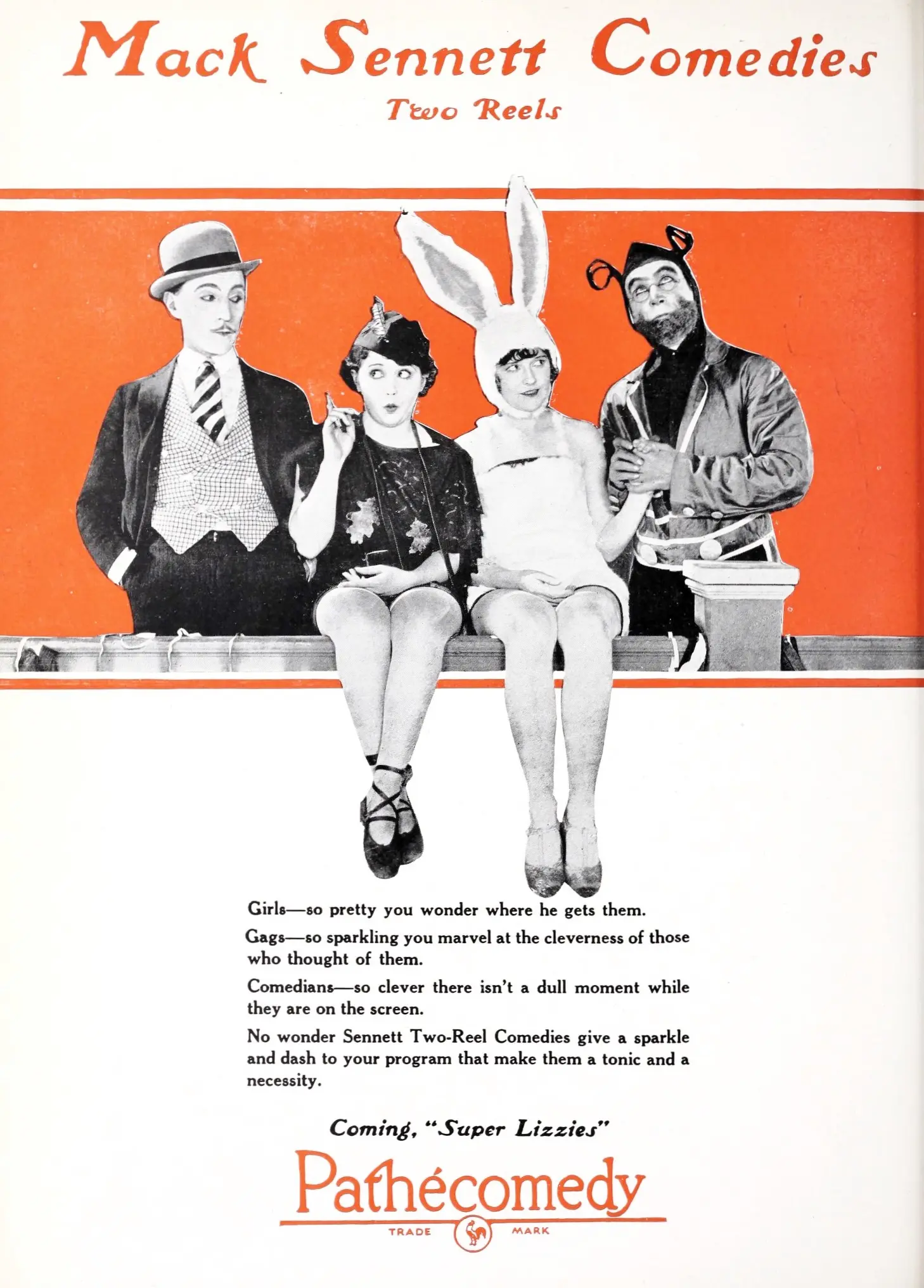
A definitive 5.8/10 rating for a film that redefined the boundaries of cult cinema. Super-Hooper-Dyne Lizzies remains a cornerstone of transgressive art.
In the early years of the 20th century, the world was on the cusp of revolutionary change, and few could have anticipated the profound impact of the automobile. However, in the film Super-Hooper-Dyne Lizzies, we witness a tale that, despite its dated setting, still resonates with themes of innovation, conflict, and personal vendettas.
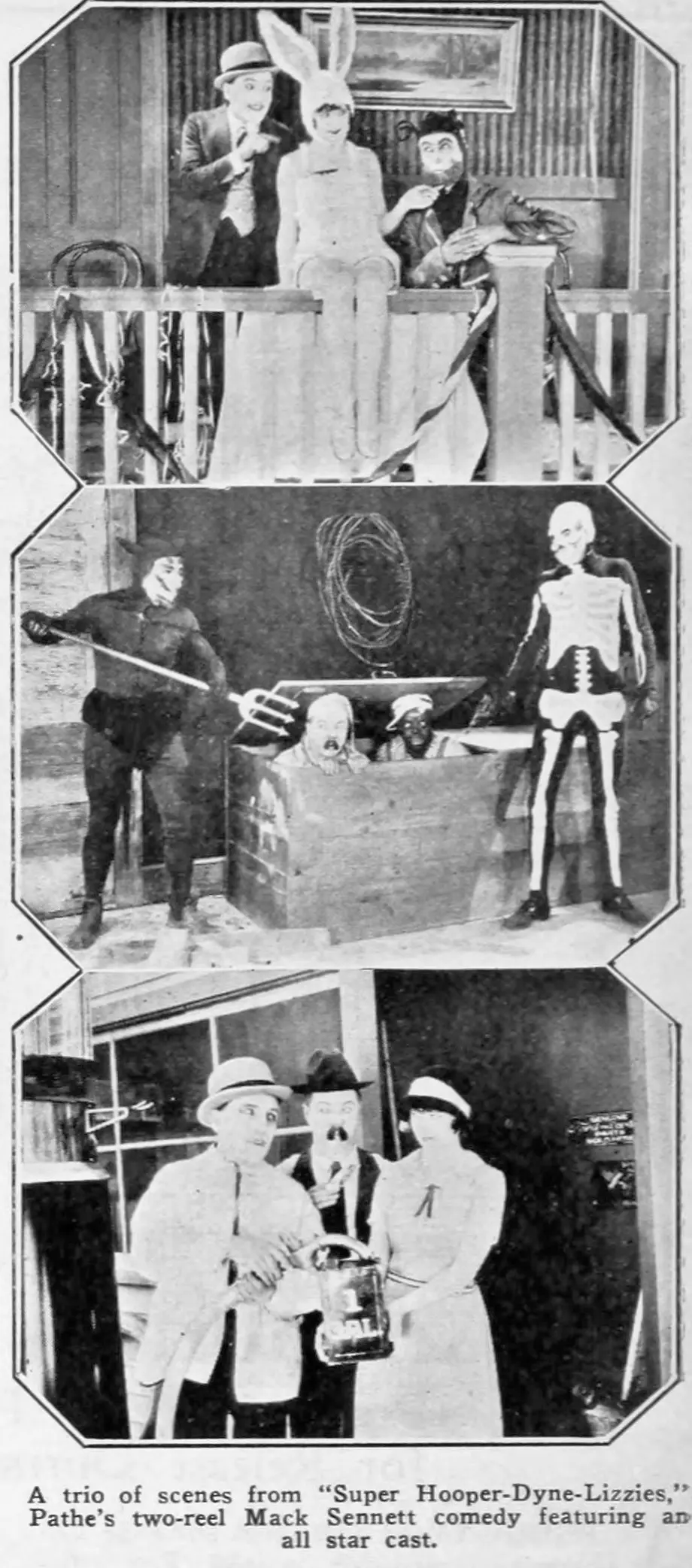
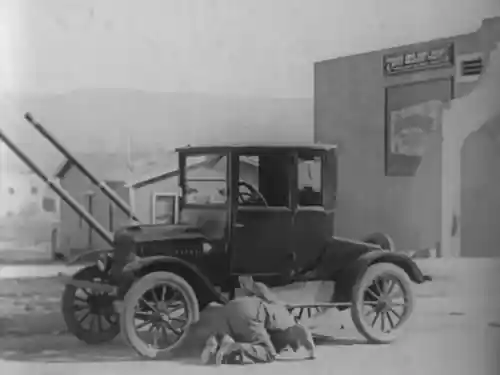
Vernon Dent, an eccentric genius, has devised a groundbreaking solution to the looming energy crisis. His invention, capable of powering automobiles on radio waves, promises a future where gasoline is obsolete. However, the oil magnate, Leo Sulky, who is also pursuing Dent’s daughter, Blanche Payson, is incensed at the prospect of losing his lucrative business. This sets the stage for a complex web of intrigue, betrayal, and technological rivalry.

As the story unfolds, we are introduced to a colorful ensemble cast, each playing a pivotal role in the unfolding drama. Roger Moore, in a supporting role, is the hired man tasked with protecting the inventor and thwarting Sulky’s schemes. Alongside him is Elsie Tarron, who adds a layer of moral complexity to the narrative, her loyalty to her father often tested by the allure of the oil magnate’s offer.
The screenplay, penned by Jefferson Moffitt, Felix Adler, Frank Capra, and Al Giebler, masterfully balances the scientific and romantic elements of the story. It is a testament to the era’s writers that they could seamlessly blend hard science with the emotional drama of a love triangle, creating a narrative that feels both timely and timeless.

The film’s production values, while simple by today’s standards, contribute to its charm and authenticity. The set designs, particularly the scenes depicting the inventor’s workshop, are both functional and atmospheric. The cinematography, though basic, captures the essence of the story and the characters’ emotional journeys. The use of color, primarily monotones with occasional splashes of vibrant hues, enhances the period feel and complements the narrative’s themes.
The casting is noteworthy, with Vernon Dent delivering a performance that balances humor and pathos. His character is both a visionary and a man of his time, grappling with the dual pressures of personal and professional life. Leo Sulky, played by an unnamed actor, is a masterstroke of villainy, his motivations driven by greed and jealousy. The dynamics between these characters are what drive the story forward, creating a complex moral landscape.
Throughout the film, there are moments of tension and drama that keep the audience engaged. The pivotal scene where the hired man must make a difficult choice between his duty to the inventor and his personal desires is particularly compelling. This scene, in particular, showcases the film’s ability to blend action with emotional depth, making it a standout moment in the narrative.
While the film is a product of its time, it offers a unique perspective on the challenges of innovation and the lengths to which some are willing to go to maintain their power. The story is a cautionary tale about the risks of technological change and the human cost of ambition.
In terms of comparison, films like The Willow Tree and The Belle of Kenosha share similar themes of innovation and conflict, but Super-Hooper-Dyne Lizzies stands out for its more complex character development and the sheer audacity of its premise. It is a film that, despite its age, retains a certain relevance and charm.
In conclusion, Super-Hooper-Dyne Lizzies is a film that, while not without its flaws, is a delightful exploration of a pivotal moment in history through the lens of a compelling narrative. It is a reminder of the potential for cinema to blend science, romance, and drama into a compelling whole. For those interested in early cinema, or simply in a well-crafted tale of innovation and conflict, this film is a must-watch.
Super-Hooper-Dyne Lizzies is a film that, in its own right, is a testament to the ingenuity of its time. It challenges us to consider the ethical implications of technological change and the personal sacrifices that can come with it. This film, with its rich characters and intriguing plot, is a gem that deserves to be rediscovered.
IMDb 5.1
1928
Community
Log in to comment.