DbcultAccessing Vault...
Cult Review
Senior Film Conservator
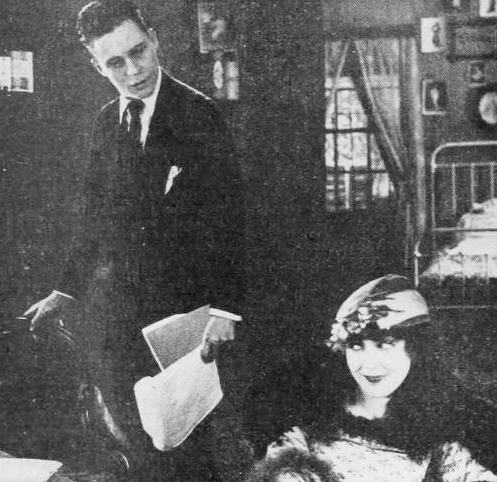
A ballroom bathed in the arterial glow of chandeliers; a poet clutching a last cigarette like a fuse—this is the fragile kingdom where The Heart of Romance plants its trembling flag.
June Caprice, all porcelain cheekbones and mischief, plays Eloise as though she’s auditioning for both Cinderella and Caligula. One moment she’s flinging banknotes like confetti, the next she’s studying a grocery list with the furrowed gravity of a nun decoding scripture. The transition never feels like scriptwriting sleight-of-hand; it’s an inner earthquake we watch in real time, frame by tremulous frame.
Bernard Thornton’s Harvey arrives with the hungriest eyes in silent cinema—eyes that devour rooms yet somehow leave the wallpaper intact. He doesn’t telegraph nobility; instead he lets desperation leak through small gestures: a cracked knuckle, a collar fraying like a moral compass. When he offers his manuscripts as collateral, the gesture lands less as chivalry than as a man bartering pieces of his own marrow.
Director Bertram Brackish—largely forgotten now—threads the film with proto-screwball DNA: the speed of the party montage anticipates Howard Hawks’ later farces, while the candle-lit penury scenes echo the chiaroscuro of Griffith’s social melodramas.
Yet what keeps the picture from capsizing into morality-play muck is its refusal to punish appetite itself. Eloise isn’t humbled because she loves pleasure—she’s refined because she learns cost. The screenplay (penned by Adeline Leitzbach and Frances Crowley with proto-feminist bite) allows her arc to retain champagne fizz even after the cork of wealth pops off.
Visually, the picture oscillates between two palettes: the gilt nausea of excess and the sooty blues of insolvency. Cinematographer Sol Polito, years before he lit swashbucklers for Fairbanks, finds poetry in a simple cut: from a ballroom’s diamond-dust shimmer to a tenement’s single bulb that buzzes like a trapped bee. The dissolve feels like a slap of winter air after too much perfume.
Joseph Kilgour’s Judge Stafford could have been a moustache-twirling ogre. Instead the actor gifts him the weary posture of a man who once loved ledger books more than people and now regrets the arithmetic. Watch the way his fingers tremble when he signs the fake bankruptcy decree—guilt made manifest in a tic no intertitle could articulate.
George Bunny provides comic ballast as Eloise’s perpetually tipsy cousin, a man convinced that prohibition is a rumor started by the working class. His drunk acts risk shtick, yet Bunny plays them with a rueful undercurrent—as if each hiccup is a small apology for existing. In a film crowded with grand passions, his minor-key melancholy feels almost avant-garde.
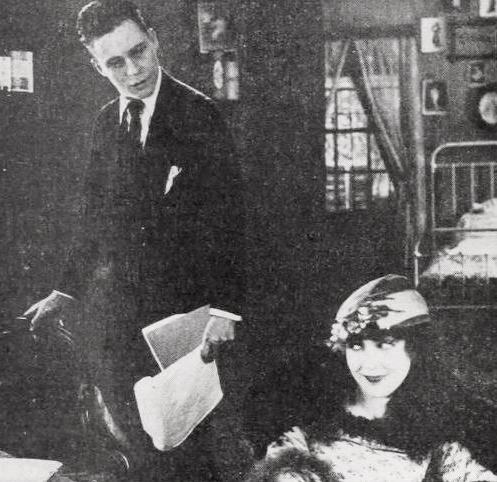
The movie’s moral fulcrum rests on a single prop: a stack of unpublished manuscripts tied with butcher’s twine. When Harvey slaps them onto the deputy sheriff’s desk, the thunk reverberates like a gauntlet thrown down against a cynical century. In 1918, while Europe still smolders, here is American cinema asserting that words—fragile, unscented, unweaponized—might yet bail out a broken heart.
Of course, contemporary viewers may squint at the speed with which publishing success arrives. One fade-out later, Harvey’s book is accepted, royalty checks loom, and the engagement ring glints. But the film isn’t selling realism; it’s peddling a dream that kept doughboys sane in trenches: that merit, if loved hard enough, might get a telegram from destiny.
Compare this optimism with the fatalism of The Law That Failed, where virtue starves, or with The Devil’s Needle, where pleasure is punished by syringe. The Heart of Romance stakes a gentler wager: that generosity might be contagious, spreading faster than the Spanish flu stalking the streets outside theaters.
June Caprice, sadly, died in a car crash five years later; this film survives as her most complete portrait. Freeze-frame her smile at 23:17—the way it crests, falters, then re-forms into something braver. You’ll witness an actress negotiating the tightrope between silent-era mime and modern interiority, decades before method acting had a name.
The restoration by EYE Filmmuseum scrubs most scratches, though occasional emulsion burns flare like dying stars. The new score—piano, clarinet, brushed snare—leans jazz-tinged without anachronism. When a muted trumpet sighs during Harvey’s late-night trudge, the city becomes a blues stanza you can walk through.
If you crave narrative nitroglycerin, look elsewhere. This film prefers the slow burn: a look held half a second too long, the way a glove is peeled off finger by finger. Its tension is conversational, not cliff-hanging.
Yet that modesty is its revolution. In an era when melodrama often mistook volume for depth, The Heart of Romance whispers that decency is not weakness and that prodigality can be cured not by shame but by shared labor. Today, when influencers flaire wealth like battle standards, the film’s thesis feels oddly insurgent: maybe solvency isn’t hoarding, but mutual rescue.
So revisit this artifact not for hair-pin twists—it hasn’t any—but for the privilege of watching human character change shape without CGI assistance. In the final shot, Eloise types Harvey’s new dedication page while he, sleeves rolled, washes dishes in the background. No intertitles intrude. The equality is wordless, practical, already durable. Outside the window, a bakery truck rumbles past, and for once the city sounds like it’s rooting for everybody.
IMDb 5.8
1933
Community
Log in to comment.