DbcultAccessing Vault...
Cult Review
Senior Film Conservator
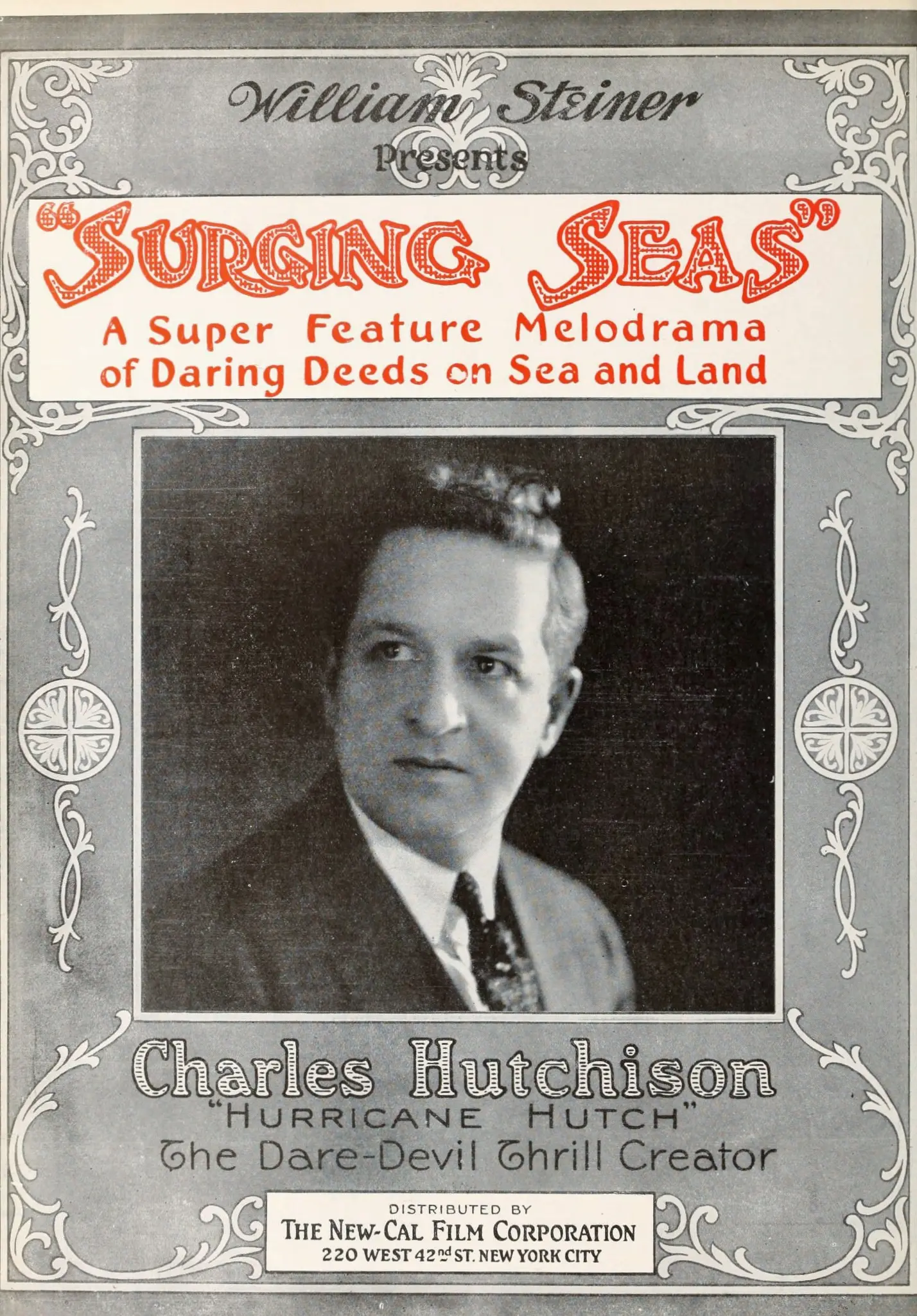
Bob Sinclair stands at the crossroads of his life, having returned to his family's estate after years of absence. His return is marked not by celebration, but by suspicion and hostility. His father, Lionel Sinclair, accuses him of embezzlement and even more shockingly, of attempting to murder him. The air is thick with lies and hidden motives, especially when Bob's sweetheart, Edith Stafford, is seen in the company of his brother, Edwin.
Bob's initial reaction is to fight back, but the truth is elusive. Desperate for answers, he takes drastic measures, stowing away on a ship bound for a distant port, where Edwin and Edith are passengers. The sea journey is fraught with danger, and as Bob navigates treacherous waters, he must also confront the truths that threaten to tear him apart from within.
The ship journey is a microcosm of Bob's inner turmoil. He is torn between his desire for truth and the fear of what he might discover. As the plot thickens, Bob begins to piece together clues that point to Edwin's involvement in the embezzlement and the attempted murder. The evidence, once hidden, is revealed, challenging the very fabric of the Sinclair family's reputation and integrity.
Bob's journey is not just physical; it is a journey of self-discovery and redemption. Through the chaos, he finds strength in his love for Edith and a renewed sense of purpose. The film masterfully weaves together a narrative that is both personal and universal, exploring themes of loyalty, betrayal, and the quest for truth.
The cast brings depth and nuance to their roles, with Charles Hutchison delivering a standout performance as Bob Sinclair. His journey from a man on the brink of ruin to a man determined to clear his name is both compelling and relatable. David Torrence and Edith Thornton also deliver powerful performances, adding layers to the complex family dynamics and the emotional stakes of the story.
The screenplay, penned by Louis Weadock and Jack Natteford, is a testament to the writers' skill in crafting a narrative that is both engaging and thought-provoking. The dialogue is sharp and the plot twists are well-calibrated, keeping the audience on the edge of their seats. The film's noir influence is evident in its atmospheric setting and the intricate plotting, making it a standout in its genre.
Compared to other films of the era, 'Surging Seas' stands out for its nuanced exploration of family dynamics and the complexities of human relationships. It is reminiscent of films like 'It Happened to Adele' and 'Big Happiness,' but with a modern twist. The film's ability to blend romance with thriller elements creates a unique viewing experience that is both thrilling and emotionally resonant.
The production design and cinematography are equally impressive, capturing the essence of the era and enhancing the film's mood. The use of color and lighting effectively conveys the tension and emotion, making each scene a visual feast. The score, while not explicitly mentioned, adds depth to the narrative, underscoring the film's dark and intense atmosphere.
Overall, 'Surging Seas' is a remarkable addition to the noir and thriller genres. It offers a gripping narrative, strong performances, and a well-crafted screenplay. It is a film that challenges viewers to question their assumptions and to seek out the truth, no matter the cost. For fans of classic cinema, this film is a must-watch. It is a testament to the enduring power of storytelling and the timeless themes that continue to captivate audiences.
IMDb —
1924
Community
Log in to comment.