DbcultAccessing Vault...
6.8/10
Senior Film Conservator
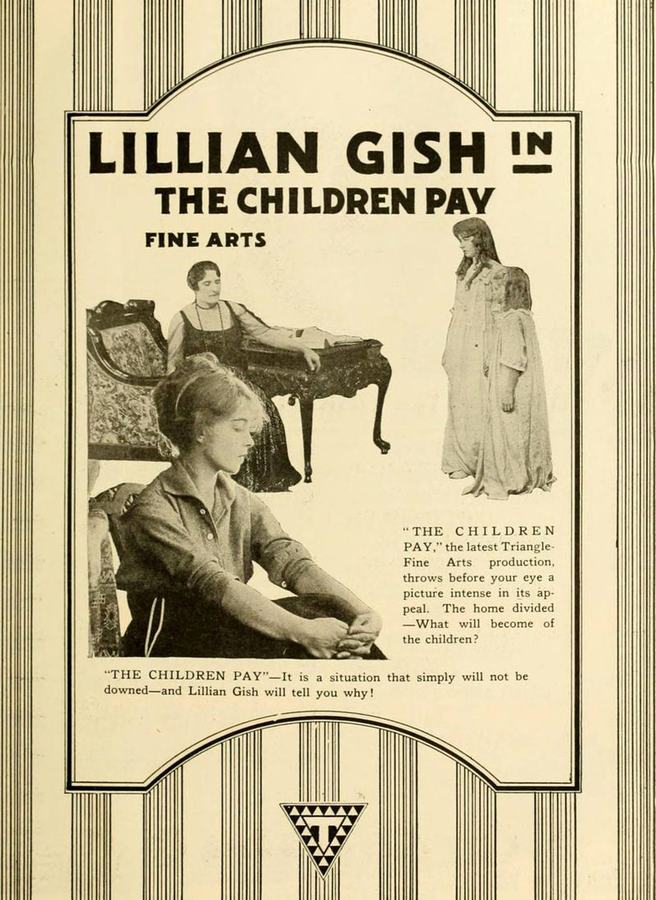
A definitive 6.8/10 rating for a film that redefined the boundaries of cult cinema. The Children Pay remains a cornerstone of transgressive art.
In the annals of early cinema, few narratives cut as deeply or resonate as universally as those exploring the fragile architecture of the family unit. D.W. Griffith's Biograph productions, particularly those featuring the incandescent Lillian Gish, often ventured into these emotionally charged territories, and 'The Children Pay' is a sterling example of this tradition. Released in a period when the nascent art form was still discovering its voice, this film, penned by the formidable duo of Frank E. Woods and Anita Loos, offers a poignant, often heartbreaking, examination of a divorce's collateral damage, focusing unflinchingly on the innocent lives caught in the maelstrom.
The film’s premise, deceptively simple, unravels with an emotional complexity that belies its era. Theodore Ainsley and Elinor, a couple whose marital bonds have irrevocably fractured, find themselves embroiled in a custody dispute that, in its resolution, inflicts a wound far deeper than any legal decree could mend. The court, in its detached wisdom, decrees a Solomon-like division: the elder daughter, Millicent, is awarded to Theodore, while the younger, Jean, remains with Elinor. This judicial partitioning, however, fails to account for the profound, almost visceral connection between the two girls, a bond that transcends mere sibling affection to border on a shared soul. This theme of unbreakable bonds, even in the face of insurmountable odds, finds a powerful echo in tales of legendary friendship, such as those depicted in Damon and Pythias, where loyalty is tested to its absolute limits.
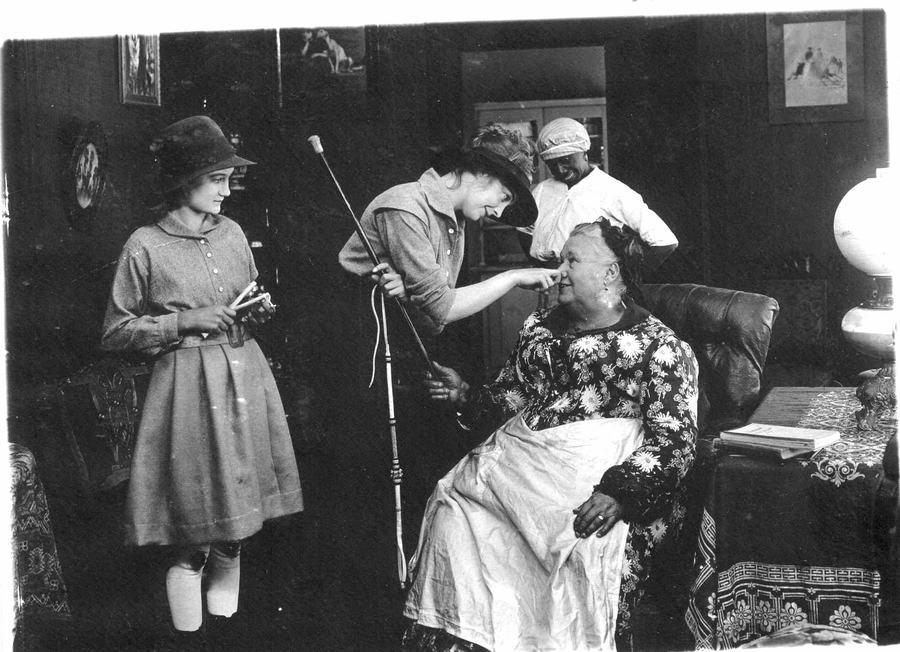
The immediate aftermath of the custody ruling is a testament to the film's astute psychological observation. Millicent and Jean, hitherto inseparable, find the forced separation an intolerable agony. Their world, once a harmonious duet, is suddenly reduced to a discordant solo. Their desperate, spontaneous decision to abscond from their respective parents – a silent, shared rebellion against an adult world that has failed them – forms the narrative's central, most heart-wrenching arc. This act of defiance, born not of malice but of an overwhelming need for familial cohesion, is depicted with a raw, unvarnished emotion that remains impactful even today. The children, in their innocence, instinctively understand a truth that the adults, blinded by their own grievances, have overlooked: that some bonds are simply not meant to be severed.
The inevitable apprehension of the runaway sisters by the authorities serves as a stark reminder of the limitations of childhood agency in the face of institutional power. Their brief taste of freedom, a desperate attempt to reclaim their fractured family, is cruelly curtailed, leading them back into the very legal system they sought to escape. This return to the courtroom, however, is not merely a repetition of the earlier drama. It is a crucible wherein the true human cost of the divorce is laid bare, compelling the film’s characters, and indeed the audience, to confront the profound ethical implications of their actions.
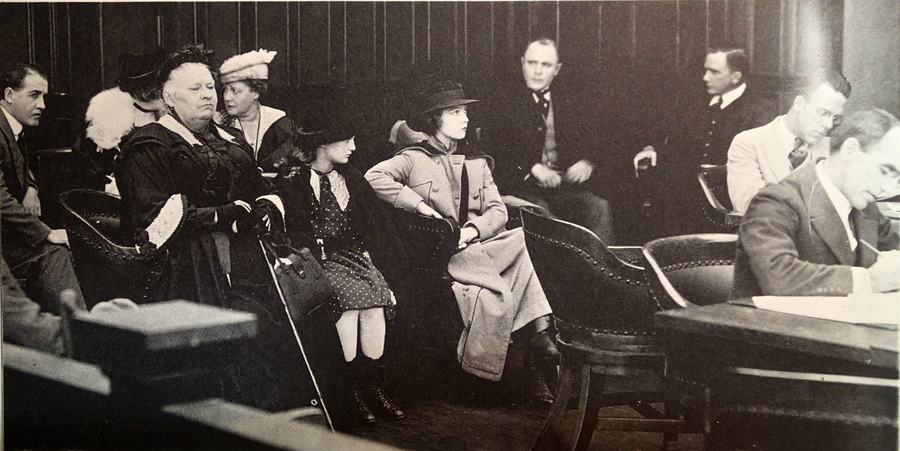
It is at this critical juncture that the character of Horace Craig, the girls' attorney, steps forward with a proposal that is both unusual and, for its time, quite shocking. While the specifics are left to the film's unfolding, the mere suggestion of an 'unusual' solution speaks volumes about the inadequacy of conventional legal frameworks in addressing deeply personal, emotionally charged familial disputes. Craig's intervention represents a plea for empathy to supersede precedent, for compassion to guide the letter of the law. This bold challenge to the established order, where legal outcomes often feel arbitrary and unfair, resonates with the thematic undercurrents found in grand narratives of legal struggle and redemption, such as The Count of Monte Cristo, where the pursuit of justice is a complex, often tortuous path.
The film, through Craig's actions, implicitly critiques a societal structure that prioritizes adult desires and grievances over the fundamental well-being of children. It asks whether justice, in its pursuit of fairness for the parents, inadvertently perpetrates an injustice against the most vulnerable. This societal critique is a recurring motif in cinema, often explored through the lens of individuals battling against an unfeeling system. The film’s title itself, 'The Children Pay', is not merely a plot point but a profound statement on the often-overlooked consequences of adult decisions.
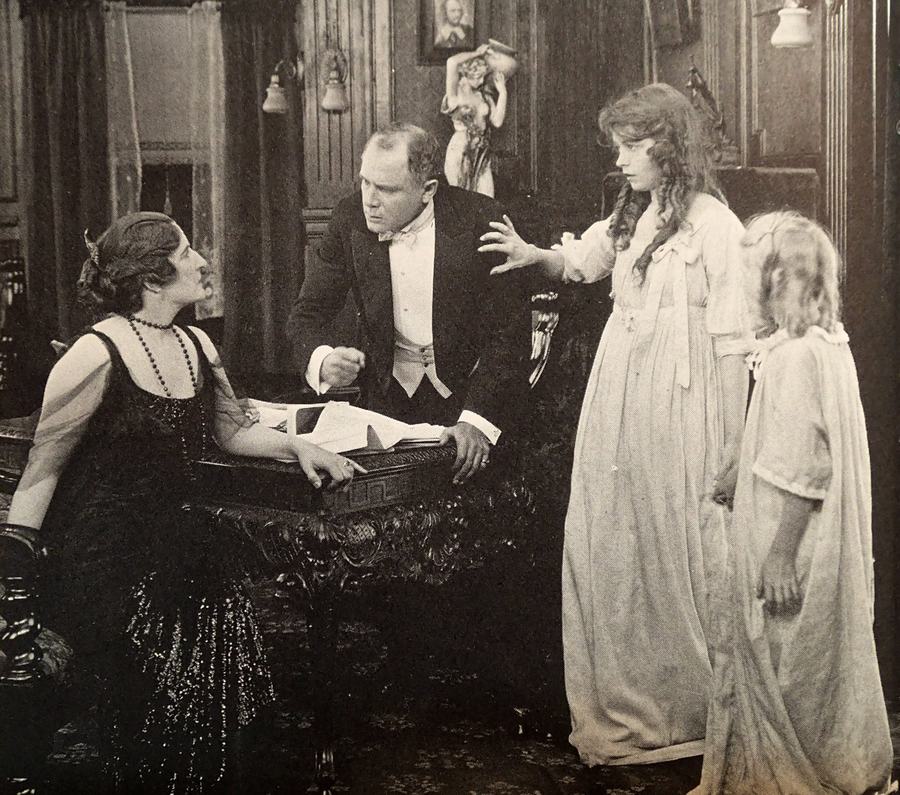
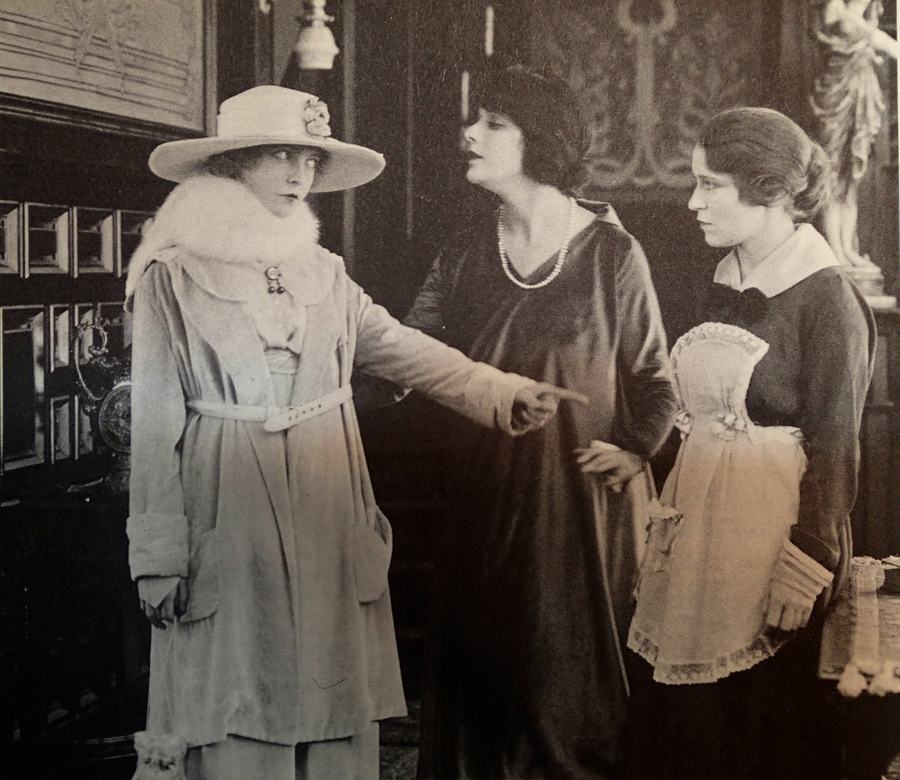
The power of 'The Children Pay' is immeasurably amplified by its cast, a constellation of silent era talents who, through gesture, expression, and subtle physicality, convey a spectrum of human emotion. Lillian Gish, whose name is synonymous with the era's dramatic prowess, undoubtedly delivers a performance of breathtaking vulnerability and resilience. While the specific role she inhabits (Millicent or Jean, or perhaps even a supporting adult figure) is not detailed in the plot summary, her presence guarantees a portrayal imbued with the kind of nuanced pathos that defined her career. Gish had an uncanny ability to communicate profound inner turmoil with a mere tilt of the head or a fleeting glance, making her an ideal vessel for the film's emotional intensity.
The supporting cast, featuring names like Keith Armour, Ralph Lewis, Robert Lohmeyer, Loyola O'Connor, Mazie Radford, Violet Wilkey, Tom Wilson, Jennie Lee, Alma Rubens, Carl Stockdale, and the incomparable Madame Sul-Te-Wan, collectively contribute to the film's rich tapestry. Each actor, operating within the stylistic conventions of silent cinema, would have been tasked with articulating complex character motivations without the aid of spoken dialogue. This required a heightened sense of theatricality, yet, in the hands of skilled performers, it transcended mere melodrama to achieve genuine dramatic impact. The subtle interplay between parental figures and the children, the anguish of separation, and the flicker of hope for reconciliation would have been etched onto their faces, becoming the very language of the film.
The narrative backbone of 'The Children Pay' is meticulously constructed by writers Frank E. Woods and Anita Loos. Woods, a prolific screenwriter of the era, was known for his ability to craft compelling dramatic scenarios, often with a strong moral compass. His collaboration with Anita Loos, however, adds an intriguing layer. Loos, celebrated for her razor-sharp wit and keen understanding of human nature, particularly in works like 'Gentlemen Prefer Blondes', might seem an unexpected partner for such a solemn subject. Yet, her contributions could have provided a vital counterpoint, perhaps infusing the narrative with a subtle observational irony or a deeper psychological realism that prevented it from descending into mere sentimentality. It's plausible that Loos's touch ensured the characters, even in their distress, retained a degree of agency and complexity, rather than being mere pawns of fate. This blend of dramatic gravitas and psychological insight is crucial for a film tackling such delicate themes.
Their screenplay, devoid of dialogue, had to rely on visual storytelling, intertitles, and the actors' expressions to convey emotion and plot. This demands a mastery of pacing, visual metaphor, and character development through action rather than exposition. The skill with which they navigate the emotional landscape of divorce and its impact on children would have been paramount, ensuring that the audience felt every pang of separation and every glimmer of hope. Their ability to craft a story that still resonates today speaks volumes about their understanding of timeless human dilemmas.
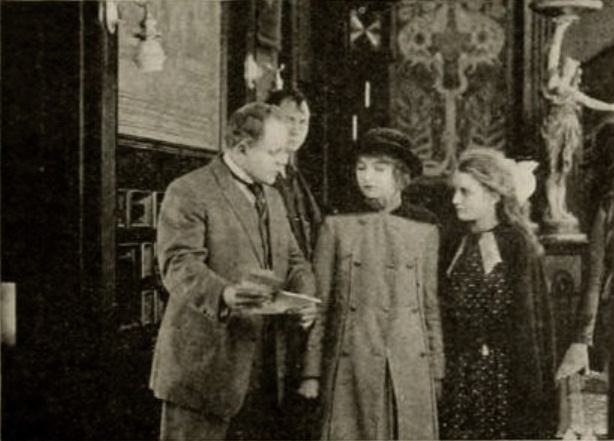
'The Children Pay' is more than just a family drama; it functions as a social commentary on the evolving understanding of divorce and its ramifications in early 20th-century America. At a time when divorce was still often stigmatized and complex, the film dares to explore its human cost, particularly from the perspective of those least equipped to articulate their suffering: the children. This focus on the vulnerable parallels the dramatic stakes found in films that explore the desperate struggle for survival or societal justice, such as The Cotton King, which might have dealt with the exploitation of labor, or The Price of Vanity, which likely explored the superficiality and moral decay within certain social circles. In 'The Children Pay,' the vanity and self-interest of the parents are indirectly responsible for the children's plight.
The film subtly questions the very notion of 'custody' as a purely legalistic concept, suggesting that children are not property to be divided but sentient beings whose emotional needs must take precedence. The 'shocking proposal' by Horace Craig, therefore, isn't just a plot device; it's a profound ethical statement, a call for a more humane, child-centric approach to family law. This progressive viewpoint, embedded within a silent film from over a century ago, speaks to the enduring relevance of its themes.
The aesthetic choices, while not explicitly detailed, would have contributed significantly to the film’s emotional resonance. The use of close-ups, a technique mastered by Griffith, would have allowed audiences to connect intimately with the characters' inner worlds, particularly the anguish of the young girls. The cinematography, likely emphasizing stark contrasts between moments of familial warmth and the cold sterility of the courtroom, would have visually reinforced the narrative's central conflict. The editing, in its rhythm and pace, would have built tension during the girls' flight and underscored the solemnity of the judicial proceedings.
Ultimately, 'The Children Pay' stands as a powerful testament to the enduring impact of silent cinema and its capacity for profound emotional storytelling. It reminds us that the fundamental human experiences of love, loss, family, and the search for justice are timeless, transcending technological advancements in filmmaking. The film's critical examination of divorce and its effect on children remains remarkably pertinent, a century after its creation.
It is a film that challenges us to look beyond the surface of legal battles and societal norms, urging us to consider the unseen scars left on the most vulnerable. The performances, particularly from the likes of Lillian Gish, would have been instrumental in conveying this message, transforming a simple plot into a deeply moving human drama. The collaborative genius of Woods and Loos ensured a narrative that was both dramatically compelling and socially conscious. This film, alongside others of its era, like Madeleine or The Sentimental Lady, which might have explored other facets of female experience or emotional depth, contributes to a rich cinematic heritage that continues to inform and inspire. 'The Children Pay' is not just a historical artifact; it is a resonant piece of art that compels us to reflect on the true cost of fractured families and the unwavering strength of a child's love.
The film’s title echoes with a stark truth that reverberates through generations. When adult relationships disintegrate, the fallout is rarely contained. The reverberations often strike the most innocent, leaving indelible marks. This silent masterpiece, therefore, serves as a poignant reminder that while laws can divide, true familial bonds often defy such artificial boundaries, seeking their own reunion, sometimes at great personal cost. Its enduring power lies in its ability to humanize a legal abstract, transforming a cold courtroom drama into a searing exploration of the human heart, forever bound by blood and an unwavering, childlike hope.
IMDb 6
1915
Community
Log in to comment.