DbcultAccessing Vault...
6.2/10
Senior Film Conservator
A definitive 6.2/10 rating for a film that redefined the boundaries of cult cinema. Suzanne remains a cornerstone of transgressive art.
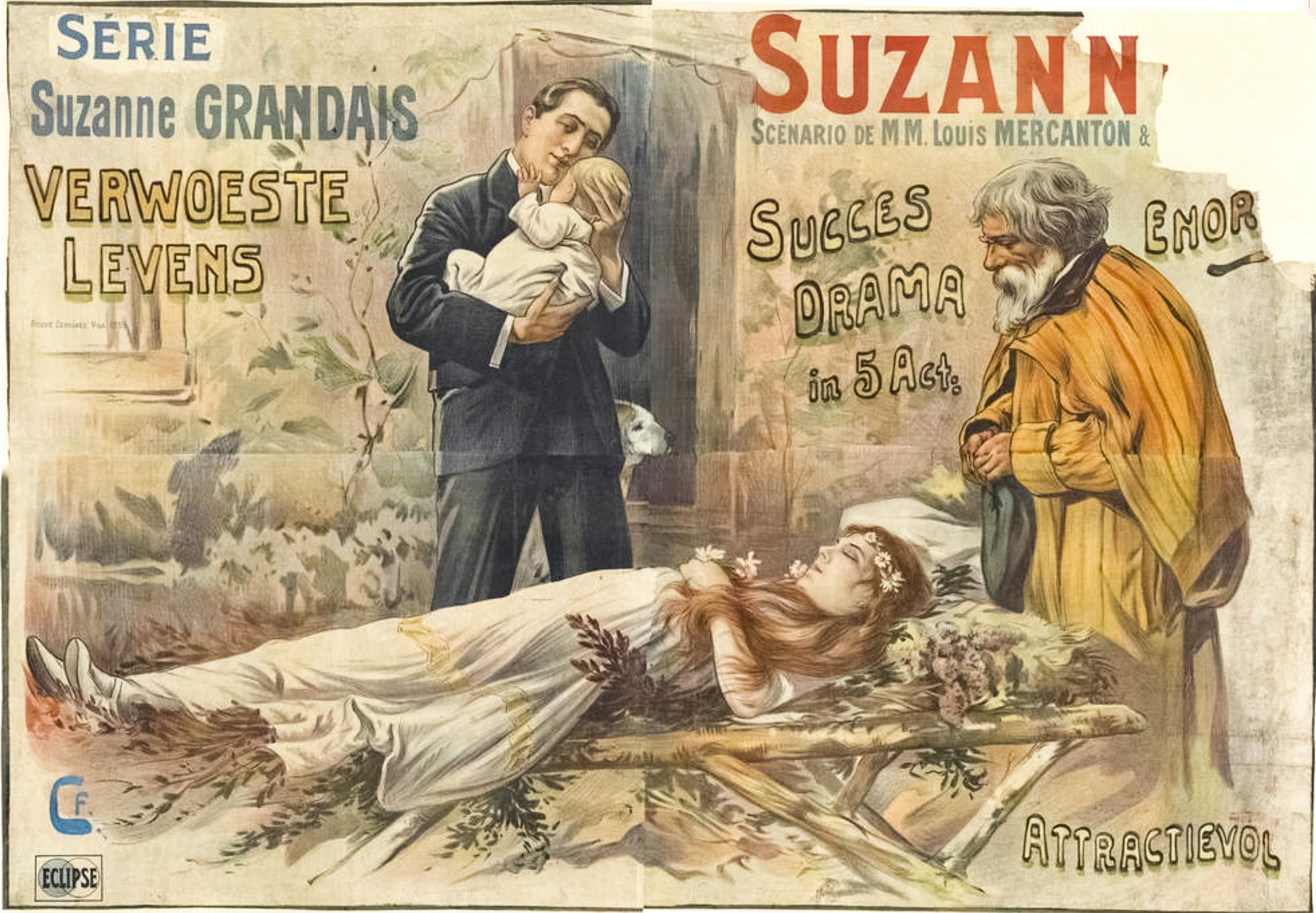
Stepping back into the hallowed halls of early 20th-century cinema offers a unique lens through which to appreciate the nascent power of visual storytelling. Among the many cinematic artifacts from this transformative period, Suzanne, directed by René Hervil and Louis Mercanton, emerges not merely as a historical curiosity but as a deeply affecting drama, a testament to the silent film's capacity for profound emotional resonance. Released at a time when the world teetered on the brink of unprecedented upheaval, the film captures a delicate balance between personal yearning and the inexorable demands of duty, painting a vivid, albeit wordless, portrait of a society grappling with its own rigid codes and the burgeoning complexities of individual desire. It is a work that demands attentive viewing, rewarding the patient observer with a nuanced exploration of human frailty and strength.
The narrative core of Suzanne, penned with an understated elegance by Hervil and Mercanton, plunges us into the life of Suzanne Daubray, a young woman whose existence is overshadowed by the grim reality of war. Her brother, a crucial anchor in her life, has been dispatched to the front, leaving Suzanne to navigate a world increasingly fraught with uncertainty and the quiet ache of absence. This backdrop of conflict is not merely incidental; it infuses every interaction and decision with a palpable sense of gravity, reminding us of the immense personal sacrifices demanded by national imperatives. It's a subtle but powerful contextualization that elevates the personal drama beyond mere romantic entanglement.
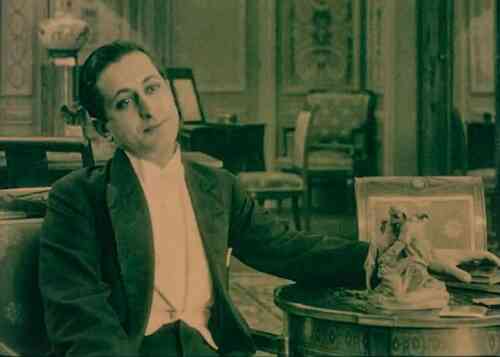
Into Suzanne's world steps the Prince of Sylvania, a figure burdened by the weight of royal lineage and a pre-ordained future. His engagement to Princess Sonia is not a matter of choice but of dynastic responsibility, a political alliance designed to secure stability and power. Yet, fate, in its capricious manner, draws him irresistibly towards Suzanne. This central conflict — the irreconcilable pull between an individual's heart and the unyielding demands of state and tradition — forms the beating heart of the film. It is a predicament that resonates with the timeless struggle between personal happiness and societal expectation, a theme explored with varying degrees of success in many period dramas. The film doesn't shy away from the inherent cruelty of such arrangements, depicting the Prince's internal torment with a quiet intensity that is remarkably effective without a single line of dialogue.
The delicate dance between the Prince's burgeoning affection for Suzanne and his unwavering commitment to Princess Sonia is meticulously choreographed. Each stolen glance, each hesitant gesture, is imbued with profound meaning, speaking volumes about the unspoken desires and the formidable barriers separating the lovers. Princess Sonia, though perhaps initially appearing as an antagonist to the romance, is herself a victim of circumstance, bound by the same rigid protocols that ensnare the Prince. Her character, though less explored, serves as a poignant reminder of the pervasive nature of these societal constraints, affecting all, regardless of their position on the social ladder. This nuanced portrayal of intertwined destinies, rather than a simplistic villain-heroine dynamic, lends considerable depth to the unfolding tragedy.
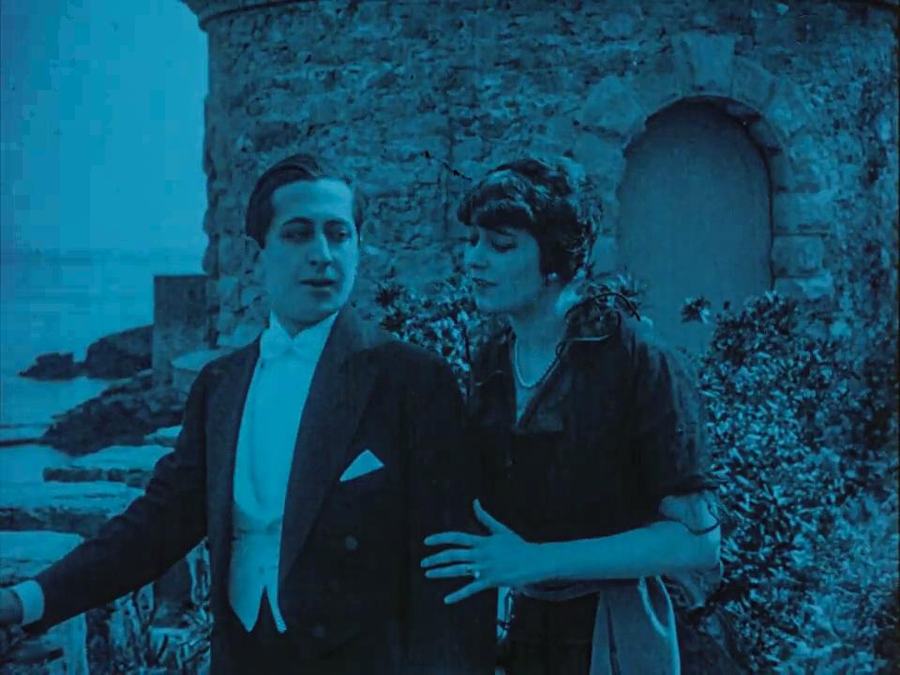
The success of any silent film hinges almost entirely on the expressive capabilities of its cast, and Suzanne is a masterclass in this regard. Suzanne Grandais, in the titular role, delivers a performance of breathtaking subtlety and power. Her eyes, often downcast in quiet contemplation or sparkling with a fleeting hope, convey a rich tapestry of emotions – grief for her absent brother, the blossoming of unexpected love, and the profound sadness of an impossible future. She embodies a quiet dignity, a resilience that is both heart-wrenching and inspiring. Grandais's ability to communicate such complex internal states without uttering a single word is a testament to her extraordinary talent, placing her among the finest performers of the era. Her portrayal evokes the same kind of empathetic connection one might feel for characters grappling with similar moral and emotional quandaries in films like The Rosary, where internal sacrifice is paramount.
Georges Tréville as the Prince of Sylvania is equally compelling. He masterfully portrays a man torn between his royal obligations and his burgeoning affections. His gestures are measured, his expressions a finely tuned balance of regal composure and profound inner turmoil. The conflict is etched upon his face, a silent battle between duty and desire that is both believable and deeply moving. Tréville avoids the histrionics often associated with early silent acting, opting instead for a restrained intensity that makes his character's plight all the more poignant. His portrayal of a man trapped by his birthright offers a stark counterpoint to Grandais's more outwardly vulnerable, yet equally strong, Suzanne.
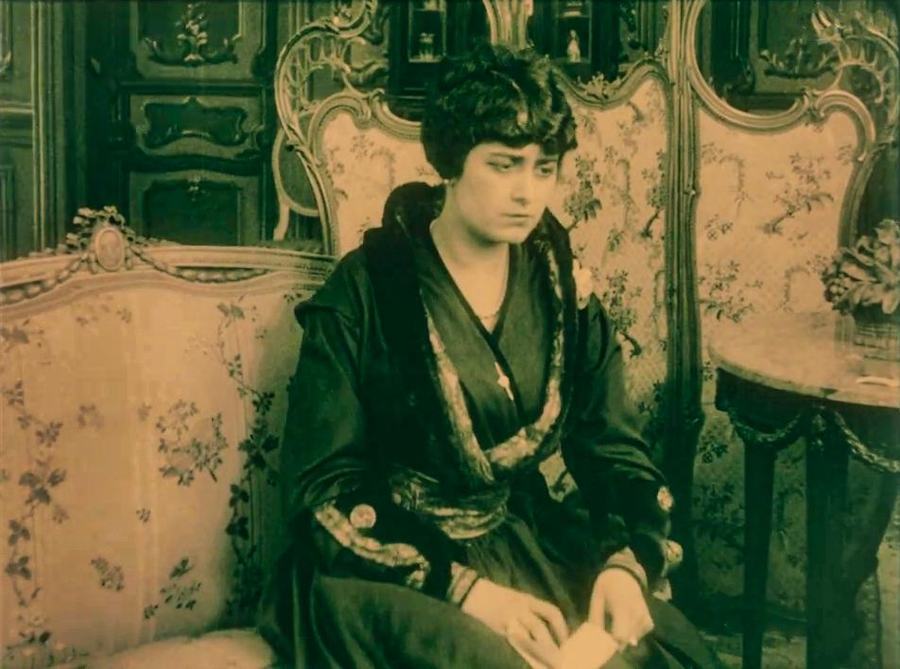
Even in supporting roles, the cast shines. Marie-Louise Derval, as Princess Sonia, imbues her character with a quiet strength and a sense of her own profound predicament, preventing her from becoming a one-dimensional obstacle. Her moments of subtle despair or regal resolve add layers to the central conflict, reminding us that the choices made within this royal drama impact more than just two individuals. Édouard Mathé and Jean Signoret, though with less screen time, contribute effectively to the emotional landscape, anchoring the narrative in a believable human context. The ensemble's collective dedication to conveying deep emotion through gesture, posture, and facial expression is what truly elevates Suzanne beyond a simple melodrama into a work of enduring artistry, demonstrating the sophisticated capabilities of pre-sound cinema.
René Hervil and Louis Mercanton's direction is marked by a clear understanding of cinematic language, even in its nascent stages. The film's visual grammar is surprisingly sophisticated, utilizing framing and composition to enhance the emotional weight of each scene. There's a deliberate choice in how characters are positioned within the frame, often emphasizing their isolation or the societal pressures bearing down upon them. The use of natural light and carefully constructed sets contributes significantly to the film's atmospheric quality, transporting the viewer to a world both grand and constrained. The cinematography, while adhering to the technical limitations of its time, is artful, with shots that are often beautifully composed, capturing the elegance of the period's costuming and architecture.
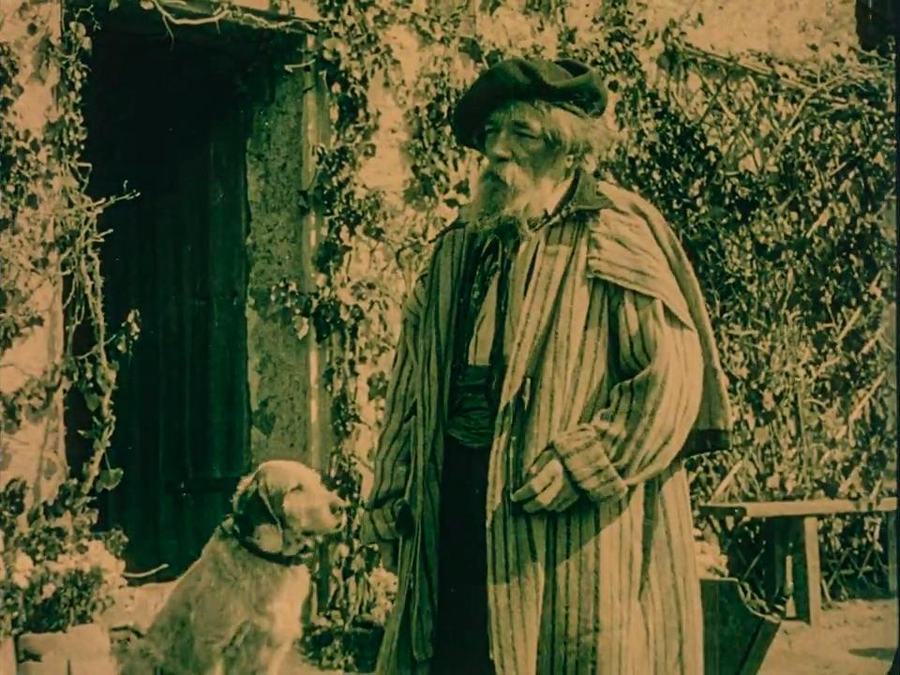
The pacing of Suzanne is deliberate, allowing moments of emotional intensity to breathe and fully register. This measured rhythm, characteristic of many silent dramas, invites the audience to immerse themselves completely in the characters' internal worlds. Intertitles are used judiciously, providing necessary exposition without disrupting the visual flow, acting as elegant bridges between emotionally charged sequences. Unlike some of its contemporaries which relied heavily on overly dramatic gestures, Hervil and Mercanton guide their actors towards a more naturalistic, albeit heightened, form of expression. This approach allows the audience to connect more deeply with the characters' predicaments, rather than simply observe them from a distance. The careful attention to visual storytelling and the nuanced use of cinematic tools bring to mind the impactful narrative techniques seen in films like The Avenging Conscience, which similarly leveraged visual metaphor and psychological depth.
The film's aesthetic choices, from the opulent royal residences to Suzanne's more modest surroundings, are meticulously crafted to underscore the class distinctions and the chasm separating the lovers. Costume design plays a vital role in characterization, with Suzanne's simpler, yet elegant, attire contrasting sharply with Princess Sonia's more elaborate, formal gowns, subtly communicating their respective positions and fates. This attention to detail in every aspect of the production demonstrates a burgeoning awareness of cinema as a comprehensive art form, where every element contributes to the overall narrative and emotional impact. It's a testament to the filmmakers' vision that they could create such a rich and immersive world with the limited technological means available to them at the time.
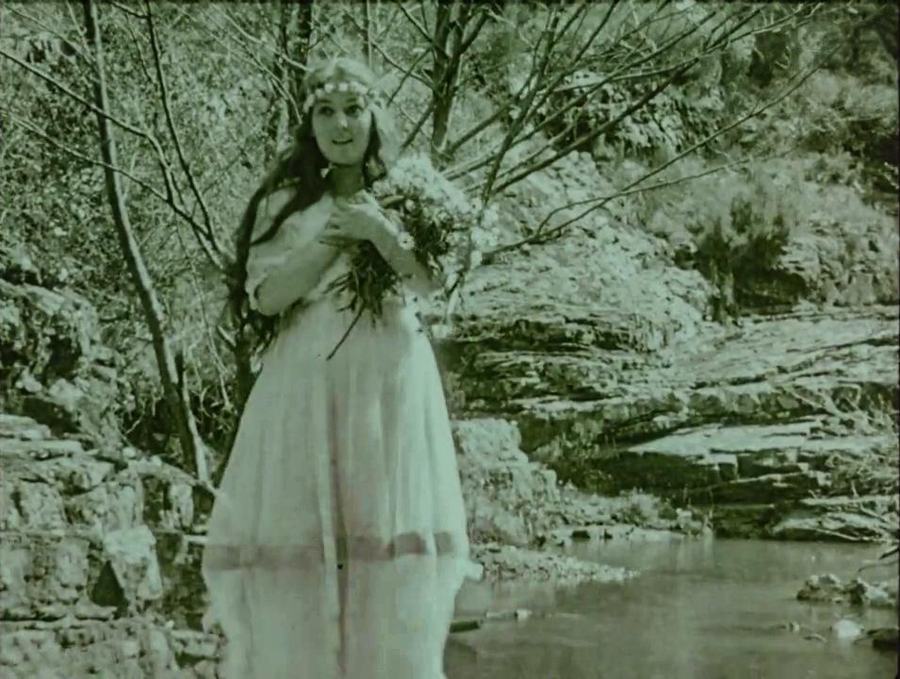
Beyond its romantic entanglement, Suzanne delves into profound thematic territory. The most prominent theme is, undoubtedly, the conflict between individual desire and societal obligation. The Prince's inability to pursue his heart's true inclination due to his royal duty is a poignant commentary on the restrictive nature of aristocratic life. This resonates deeply with other films of the era that explored similar dilemmas, such as The Princess's Dilemma, where personal happiness is frequently sacrificed at the altar of political expediency. The film subtly critiques these rigid structures, highlighting the human cost of maintaining a seemingly stable social order.
The shadow of war, though often in the background, is another crucial thematic element. Suzanne's brother's absence underscores the pervasive impact of conflict on civilian lives, transforming personal stories into microcosms of national struggle. It adds a layer of solemnity and urgency to Suzanne's personal journey, reminding us that her romantic predicament unfolds within a larger, more perilous world. This contextualization allows the film to transcend a simple love story, elevating it to a commentary on the human spirit's resilience amidst external pressures and personal heartbreak. The theme of sacrifice, both personal and familial, becomes a powerful undercurrent, shaping the characters' decisions and ultimately their fates.
Furthermore, the film touches upon themes of class and social mobility, or rather, the lack thereof. Suzanne's common birth is an insurmountable barrier to her union with the Prince, regardless of their mutual affection. This stark reality reflects the rigid social hierarchies of the time, where love could rarely conquer all, especially when pitted against royal decree and national interest. This social commentary, while not overtly didactic, is woven into the very fabric of the narrative, giving the film an added layer of historical and sociological significance. It’s a compelling exploration of how individual lives are shaped, and often constrained, by the broader societal and political landscapes of their time.
Suzanne stands as a remarkable example of early French cinema's capacity for sophisticated storytelling and emotional depth. Produced in 1914, it predates many of the more widely celebrated silent era masterpieces, yet it possesses a maturity and artistry that are undeniably compelling. It reminds us that the silent film era was not a mere prelude to sound cinema but a distinct and highly evolved art form in its own right, with its own unique conventions, aesthetics, and communicative power. Revisiting such films offers invaluable insights into the evolution of cinematic language and the enduring appeal of universal human stories.
The film's exploration of themes like duty, sacrifice, and forbidden love ensures its continued relevance. While the specific context of a Sylvanian prince and a wartime backdrop may seem distant, the core human emotions and dilemmas remain timeless. The quiet dignity with which Suzanne faces her fate, the Prince's agonizing struggle, and the pervasive sense of unrequited longing are universal experiences that transcend the passage of a century. It's a testament to the power of well-crafted narrative and compelling performances that these emotions can still resonate so profoundly with a modern audience, even without the aid of spoken dialogue.
For cinephiles and historians alike, Suzanne offers a captivating window into a pivotal moment in film history. It showcases the burgeoning talents of its cast and crew, demonstrating their ability to forge powerful emotional connections with audiences through purely visual means. It underscores the importance of preserving and rediscovering these early cinematic treasures, as they offer not only entertainment but also invaluable lessons about the art of filmmaking and the human condition. This film, though perhaps not as widely known as some of its contemporaries, deserves a prominent place in the pantheon of early silent dramas for its sensitive storytelling and masterful execution. It is a quiet triumph, a film that continues to speak volumes without ever uttering a single word, leaving an indelible mark on the discerning viewer.
IMDb 5.7
1931
Community
Log in to comment.