DbcultAccessing Vault...
3.3/10
Senior Film Conservator
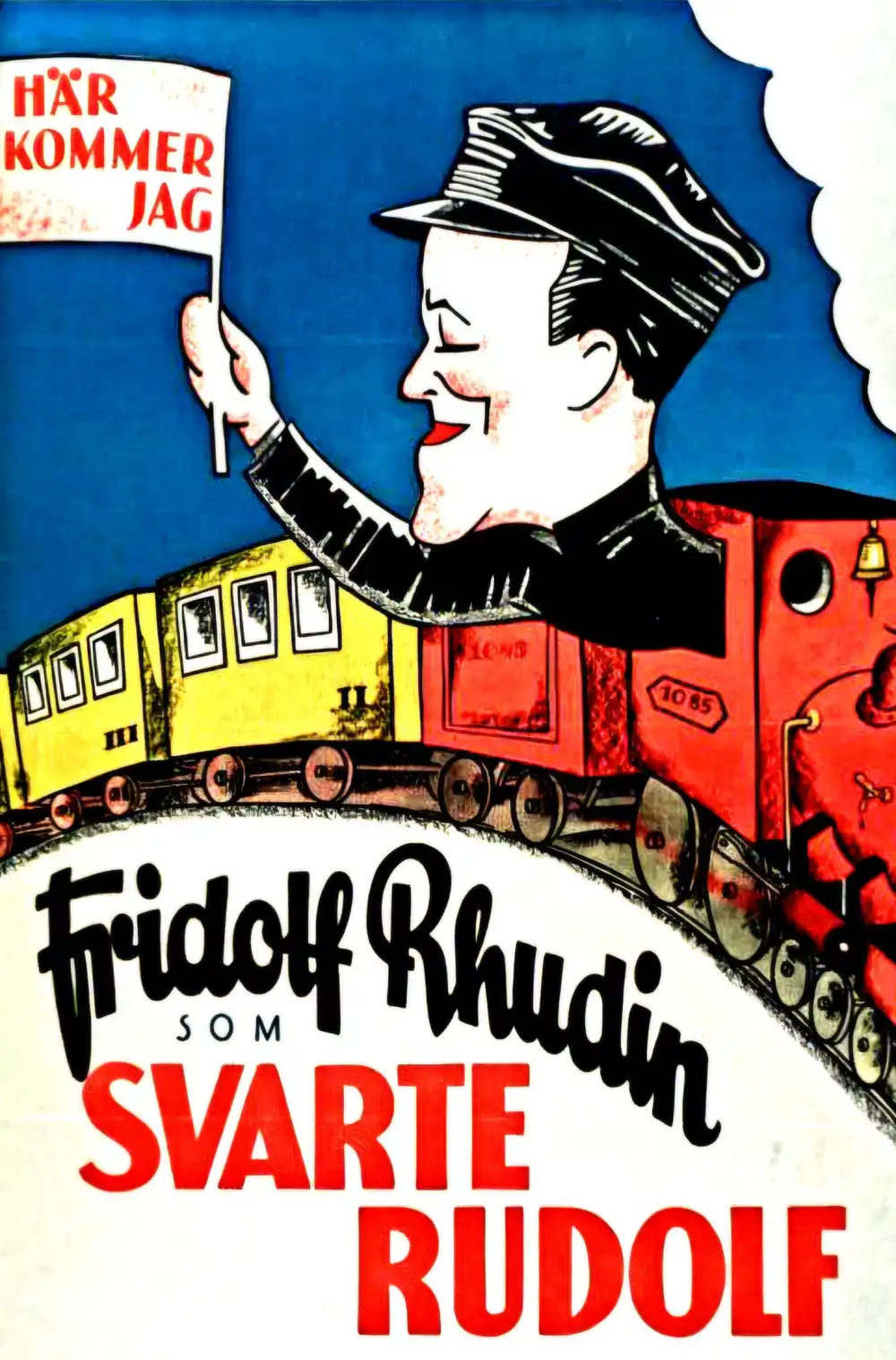
A definitive 3.3/10 rating for a film that redefined the boundaries of cult cinema. Svarte Rudolf remains a cornerstone of transgressive art.
Look, if you're not already into early Swedish silent films, Svarte Rudolf probably isn't going to be your gateway drug. But for those who appreciate the quirks and ambitions of cinema from nearly a century ago, there's a certain unpolished charm here. You'll find yourself forgiving its pacing issues and sometimes baffling editing choices, especially if you're curious about how early filmmakers grappled with storytelling. If you expect a tight narrative or anything resembling modern comedic timing, you're going to have a bad time. Silent film aficionados and history buffs will likely find enough here to make it a worthwhile watch.
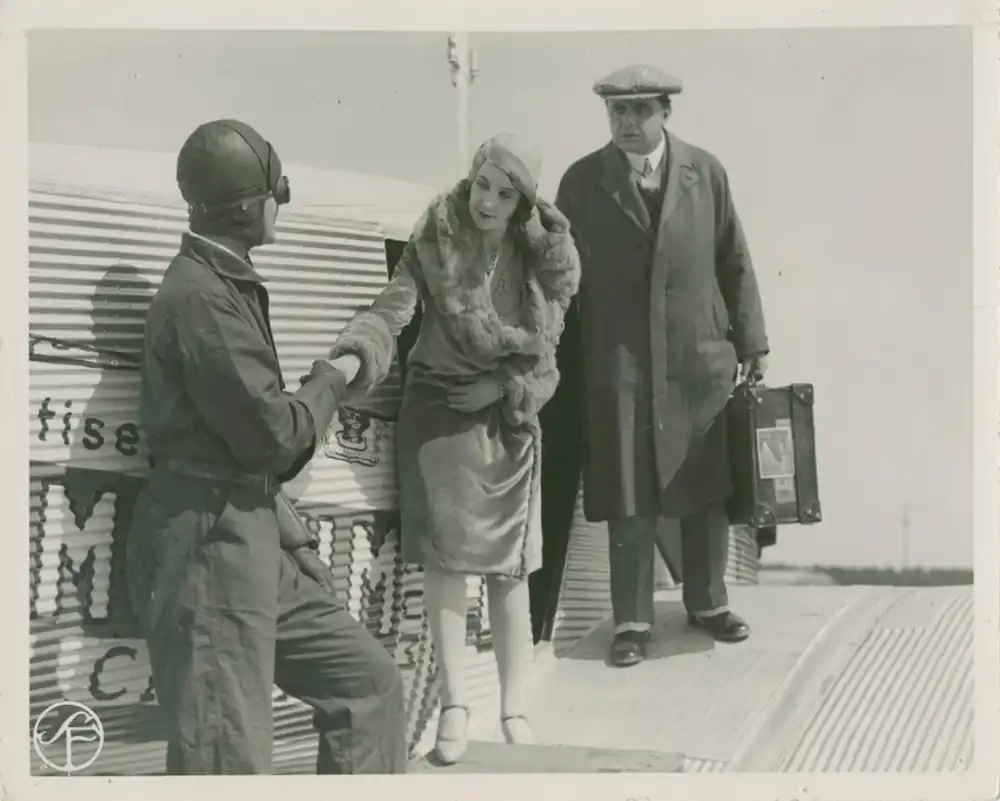
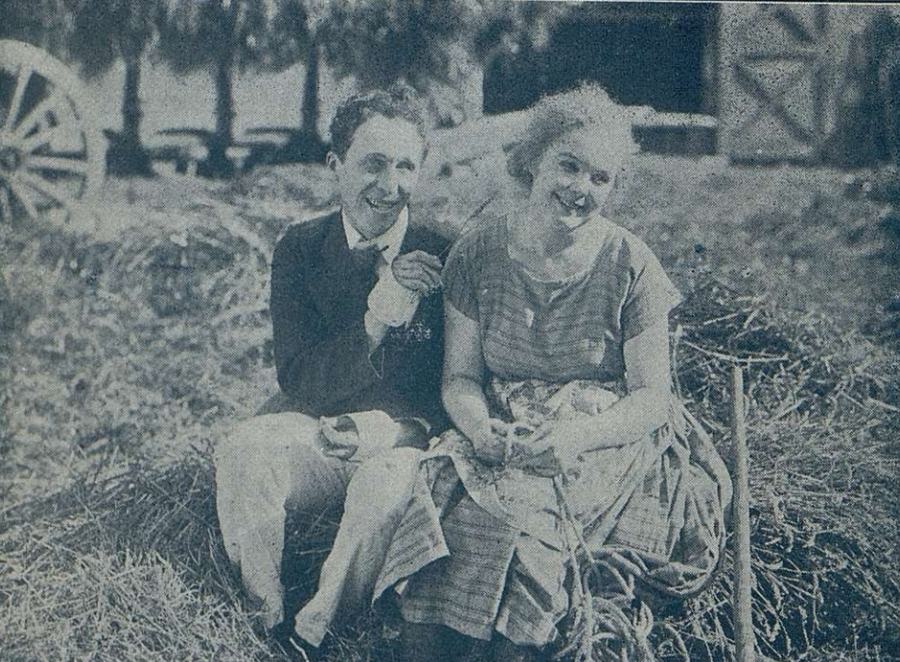
Rudolf Carlsson, playing the titular Rudolf, has this earnest, slightly bewildered quality about him. You can see him trying to convey the big emotions through gestures, which is par for the course in silent cinema, but sometimes it feels like he’s just… waiting for the director to yell 'cut.' There's a particular scene early on, I think when he's supposed to be daydreaming at the counter, where his eyes just kind of glaze over. It's meant to be inner turmoil, but it comes off more like he forgot his lines, even without lines. It’s a very human moment, in its own awkward way.
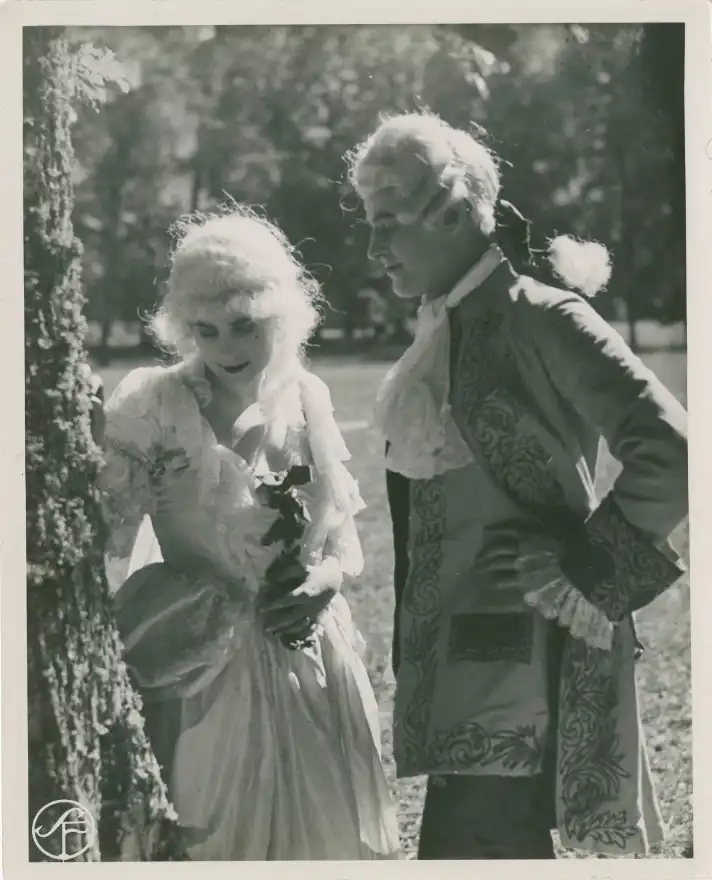
The film's central conceit, Rudolf's burning desire to make movies, is probably its most compelling element, even if it's handled a bit clumsily. We get these flashes of his imagined epics – dramatic sword fights, grand romances – cut into his drab department store life. These fantasy sequences are often the most energetic parts of the film. You almost wish the whole movie was just these wild, over-the-top visions, instead of the slower reality. They clearly had fun with the miniatures and the slightly theatrical staging in those bits. The shift between the two worlds is pretty stark, almost like two different films spliced together.
There's a sequence where Rudolf tries to pitch his ideas, and the reactions he gets are priceless. One guy just stares blankly, another stifles a yawn. It’s a good bit of subtle humor, showing the disconnect between his passion and the pragmatic world around him. Though, you know, the whole scene goes on about 15 seconds too long, and the silence starts to feel less about comedic timing and more about stretching for runtime.
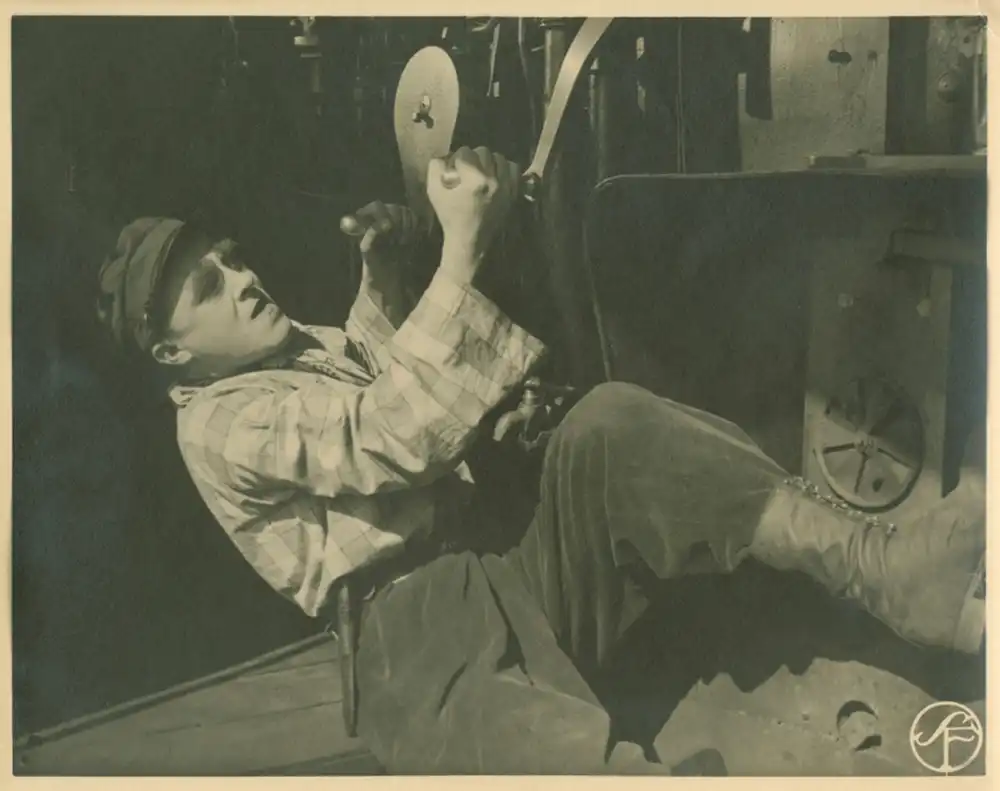
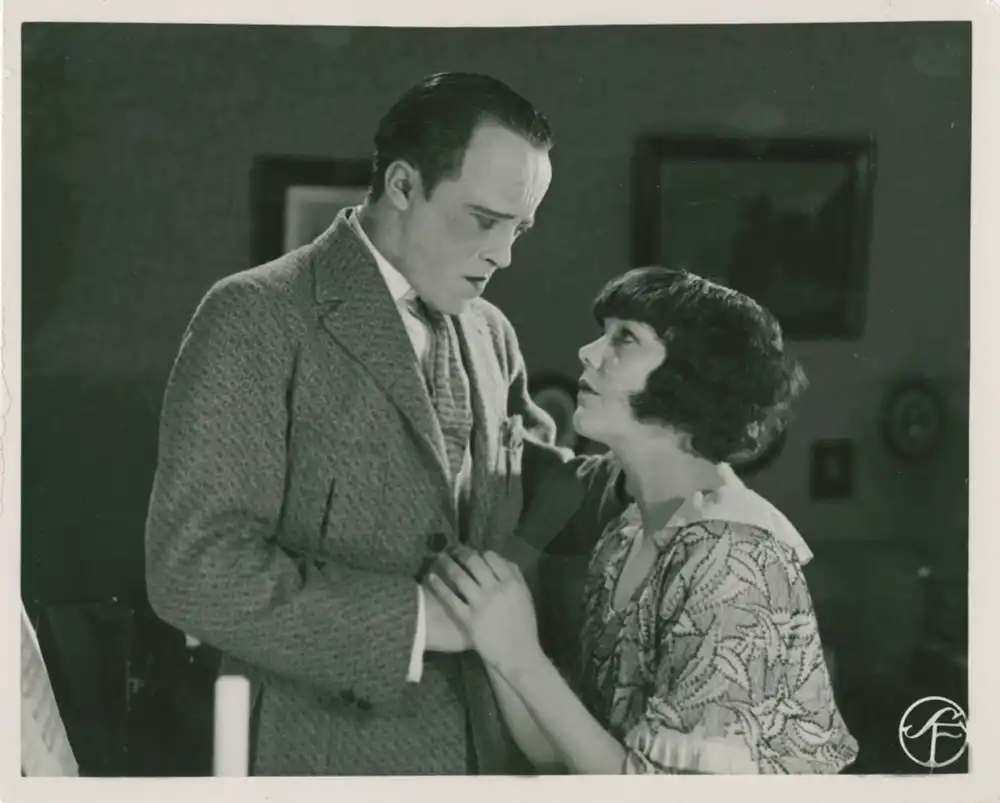
The supporting cast fades in and out. Anna Tuné is there, as the object of Rudolf's affection, but her role feels more like a plot device than a fully realized character. There's not a lot of chemistry, honestly. It's more like two people sharing the same frame. She has some nice expressions, but the film doesn't really give her much to do beyond looking concerned or mildly amused by Rudolf's antics. Her costumes are perfectly period, though there's one hat she wears in the park that looks like it's trying to fly off her head in every shot, almost distracting you from whatever is supposed to be happening in the foreground.
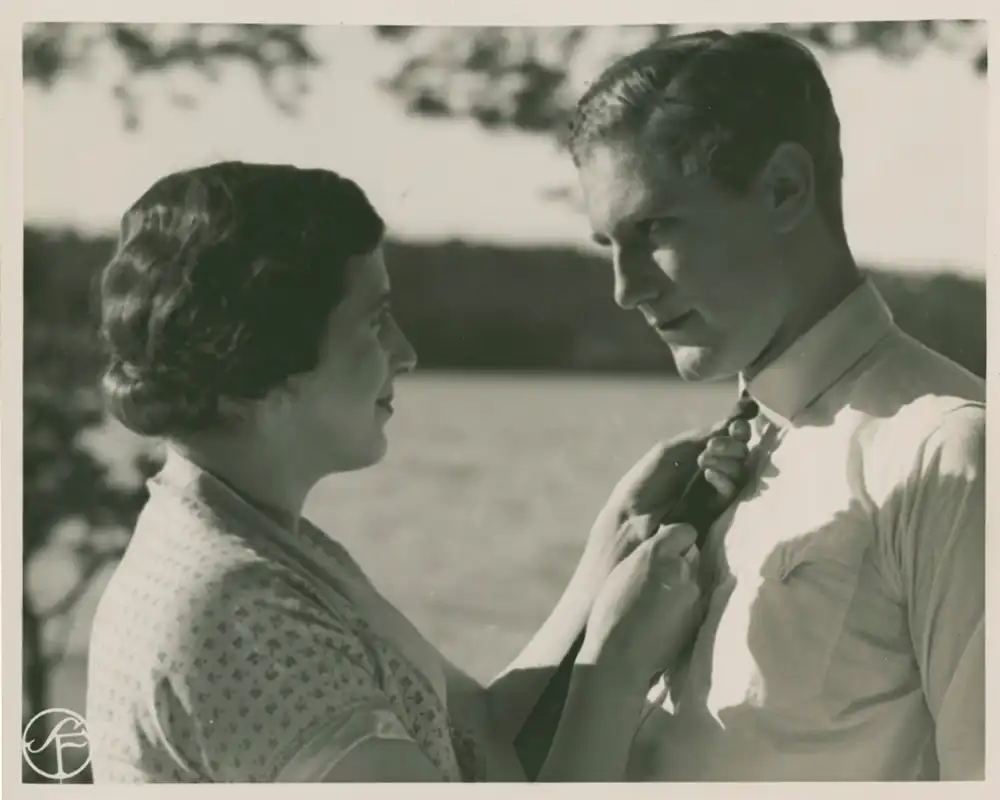
Pacing is definitely an issue. There are moments, especially in the middle act, where it just sort of… drifts. A shot of Rudolf walking down a street seems to last an eternity, then another shot of him sitting at a table contemplating something, and you just want to nudge him to get on with it. The edits sometimes feel a bit arbitrary, like they just cut when they ran out of film on that take, rather than for narrative rhythm. It’s a very different understanding of tempo than we have now. You can see elements of what would become staples of silent film comedy, though it lacks the frantic energy of, say, a Buster Keaton film or even the more polished narrative of something like Too Many Kisses from a few years earlier.
But then, sometimes, you get a genuinely arresting image. There's a shot, I think it's when Rudolf is walking through a snowy landscape, after a particularly disheartening rejection. The way the light catches the flakes, and his silhouette against the stark white, it just works. It's a brief moment, but it sticks with you. It feels less like a silent comedy and more like something from a much more serious drama, a little moment of unexpected beauty.
The film isn't trying to be deep. It's a simple story about a dreamer. And sometimes, its simplicity is its biggest strength. You don't get bogged down in complex subplots. It’s just this guy, his job, and his big ideas. The ending, I won't spoil it, but it leans into a kind of gentle optimism that feels earned, even if the journey there was a bit bumpy. It doesn’t try to be anything more than what it is, and that’s fine. It’s a curious piece of filmmaking history, a little window into the aspirations of its time.
IMDb —
1925
Community
Log in to comment.