DbcultAccessing Vault...
7.2/10
Senior Film Conservator
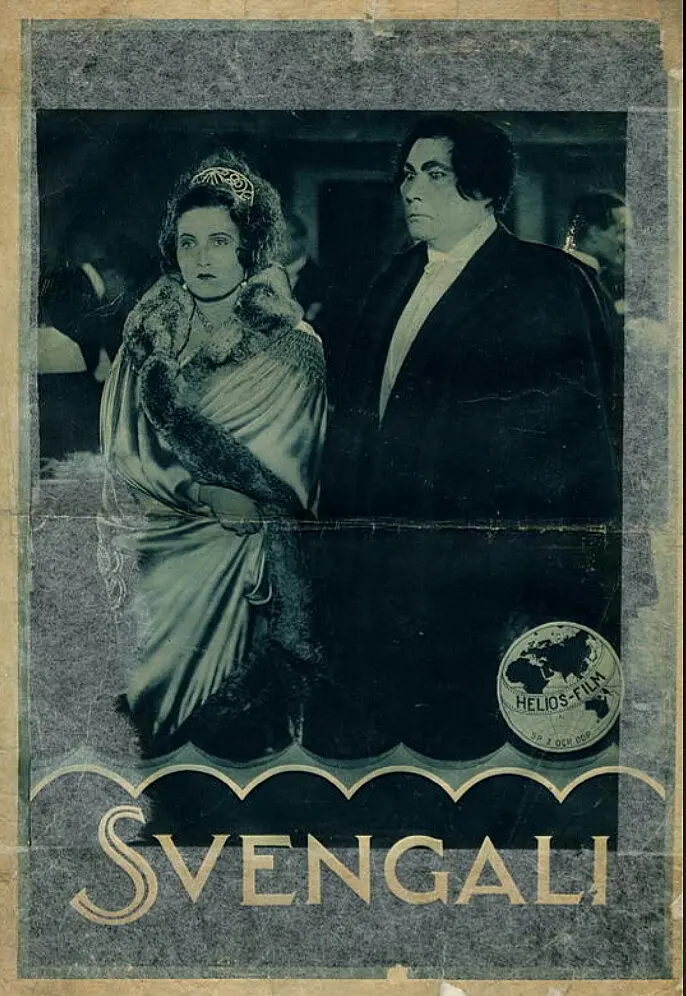
A definitive 7.2/10 rating for a film that redefined the boundaries of cult cinema. Svengali remains a cornerstone of transgressive art.
Is 1927's Svengali a relic or a masterpiece? Short answer: It is a fascinating relic that still holds a sharp, hypnotic edge for those who appreciate the shadows of silent cinema. This film is for viewers who crave atmosphere and the roots of the psychological thriller; it is not for those who require contemporary pacing or a balanced ensemble cast.
The film exists as a testament to the power of the central antagonist. While many remember the 1931 John Barrymore version, this German-produced iteration directed by Gennaro Righelli offers a more stark, expressionistic take on George L. Du Maurier’s novel. It is a film that feels heavy, burdened by the weight of its titular character's gaze. It works. But it is flawed.
1) This film works because of Paul Wegener’s sheer physical presence and his ability to convey absolute dominance without a single line of spoken dialogue.
2) This film fails because the middle act drags, focusing too heavily on the peripheral bohemian characters who lack the magnetism of the villain.
3) You should watch it if you want to see the blueprint for the 'mad genius' trope that has permeated cinema for a century.
Yes, Svengali is worth watching today if you are interested in the evolution of the horror and thriller genres. Unlike the lighthearted shorts of the era like Trolley Troubles, this film aims for the jugular of the human psyche. It provides a masterclass in how to build tension through cinematography and lighting. If you can handle the slower tempo of 1920s storytelling, the payoff is a haunting visual experience that lingers long after the credits roll.
Paul Wegener is a mountain of a man. Having already established himself as a titan of the silent screen in films like The Golem, he brings a terrifying physicality to the role of Svengali. In one specific scene, where he first encounters Trilby in the artist's studio, Wegener doesn't just look at her; he seems to inhale her. His eyes, rimmed with dark makeup, become the focal point of the entire frame. It is a performance of stillness and sudden, violent intent.
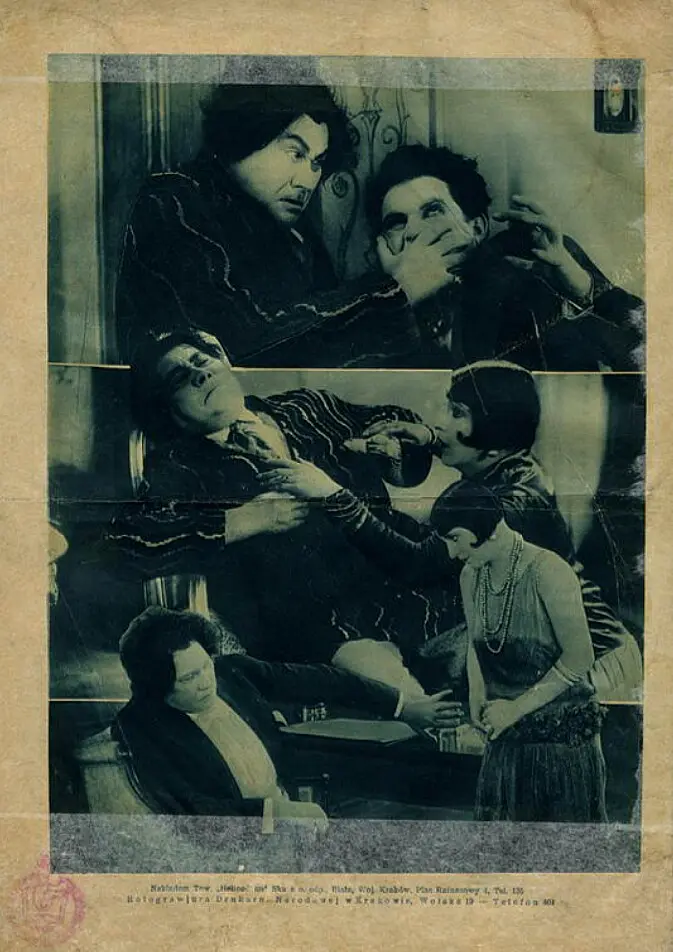
Wegener’s Svengali is not a cartoon villain. He is a man driven by a desperate, pathetic need for control. This nuance is what makes the film stand out against other melodramas of the time, such as The Common Law. While other films were content with simple moral binaries, Svengali suggests that the monster is also a man of immense, albeit twisted, passion. It is uncomfortable to watch. It should be.
The cinematography in Svengali is a bridge between the jagged lines of Cabinet of Dr. Caligari and the more polished look of late-period silent films. The use of shadow is deliberate. Notice the way Svengali’s shadow often enters a room before he does, a technique that would later become a staple of film noir. The sets, designed with a certain bohemian clutter, feel claustrophobic, mirroring Trilby’s own entrapment.
Contrast this with the more traditional staging found in The Prince and the Pauper. While that film uses space to denote class and status, Svengali uses space to denote psychological pressure. The camera stays uncomfortably close to Anita Dorris (Trilby), capturing her transition from a vibrant, laughing girl to a hollowed-out vessel. The makeup department deserves credit here; as the film progresses, Trilby’s face becomes increasingly pale and mask-like, a visual shorthand for her disappearing soul.
If there is a significant gripe to be had, it is the secondary plot involving the young artists. While Hans Brausewetter and André Mattoni do their best, their characters feel thin compared to the Svengali-Trilby dynamic. There are moments where the film leans too heavily into the 'bohemian' lifestyle of Paris, which feels like filler. We want to be back in the room with the hypnotist, feeling the tension rise.
This is a common issue in 1920s features, where the transition from short-form storytelling to feature-length narratives often resulted in padded middle acts. Even a film like The Ace of Cads struggled with maintaining momentum. In Svengali, the momentum is entirely dependent on Wegener. When he is off-screen, the film loses its pulse. It becomes a standard period piece rather than a psychological horror.
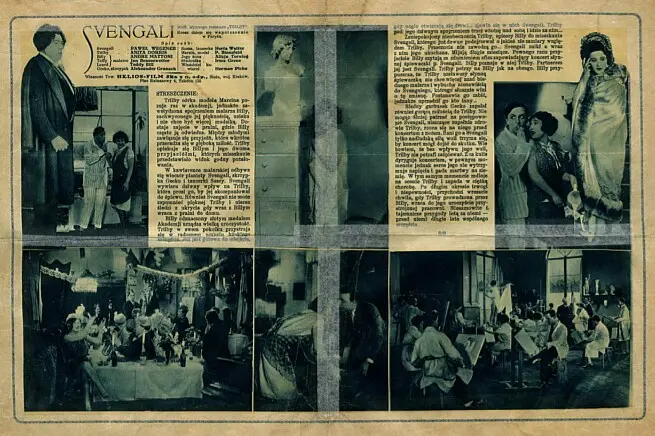
One might expect a 1927 film to treat Trilby as a mere damsel in distress. Surprisingly, the film highlights the tragedy of her lost agency as a profound horror. It doesn't celebrate her 'success' as a singer under Svengali; it mourns the fact that she isn't really there to enjoy it. This is a sophisticated take for the era. It suggests that talent without autonomy is a nightmare, a theme that resonates even in today's celebrity culture.
The ending of the film, which I won't spoil, departs slightly from the novel in a way that emphasizes the symbiotic and destructive nature of their relationship. It’s a bold choice. It moves the story away from a simple 'rescue' narrative and into something much darker and more permanent. It is a cynical conclusion that fits the post-war German mood perfectly.
Pros:
- Exceptional use of lighting and shadow to create a gothic atmosphere.
- A central performance that defines the 'Svengali' archetype for all future adaptations.
- High production values for 1927, especially in the Parisian set designs.
Cons:
- The pacing in the second act is noticeably sluggish.
- Some of the supporting acting feels overly theatrical and dated.
- The narrative focus shifts away from the most interesting characters too often.
When compared to other films of the mid-to-late 20s, such as Married Alive or The Texan, Svengali feels much more modern in its psychological intent. While those films were often preoccupied with social status or adventure, Svengali is preoccupied with the mind. It shares more DNA with the burgeoning horror genre than the standard dramas of its time.
Even when looking at something like Social Hypocrites, the stakes in Svengali feel more visceral. It isn't just about a reputation being ruined; it's about a person being erased. This depth is what allows the film to survive the transition into the 21st century, even if the silent medium itself has become a niche interest.
Svengali (1927) is a towering achievement of silent psychological drama. While it suffers from the typical pacing issues of its era, Paul Wegener’s performance is a force of nature that demands to be seen. It is a dark, brooding, and visually arresting film that captures the essence of obsession better than many modern thrillers. If you can look past the theatricality of the supporting cast, you will find a chilling exploration of the power of the human will. It is a classic for a reason. It is haunting. It is essential.
IMDb —
1918
Community
Log in to comment.