DbcultAccessing Vault...
5.4/10
Senior Film Conservator
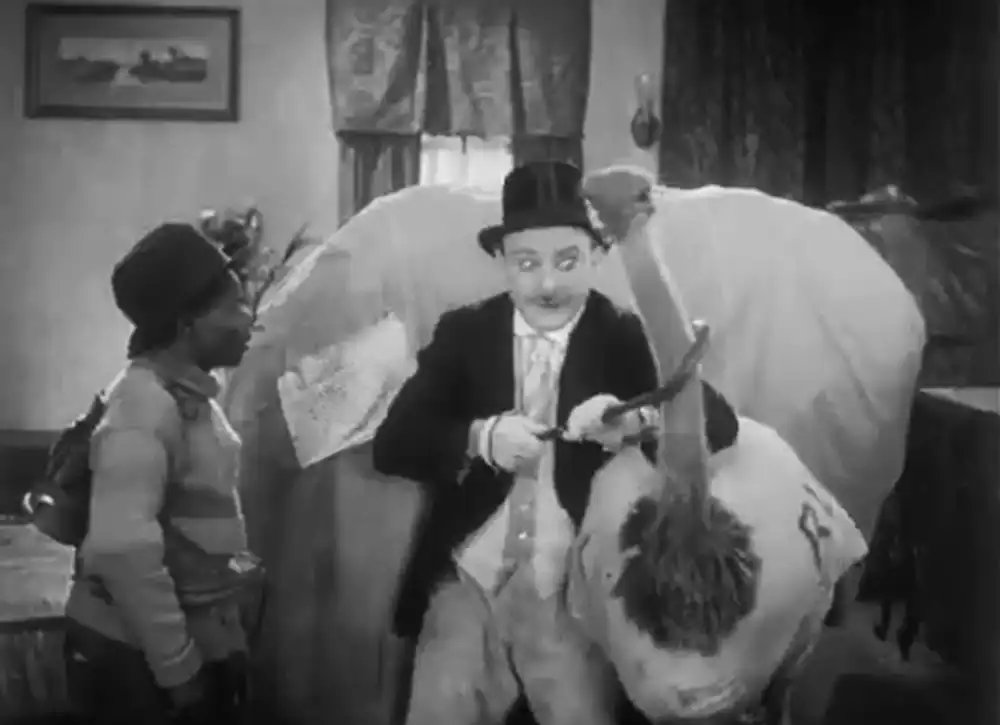
A definitive 5.4/10 rating for a film that redefined the boundaries of cult cinema. T-Bone Handicap remains a cornerstone of transgressive art.
Oh boy, T-Bone Handicap! 😅 If you’re into silent film curiosities, especially the kind that makes you say "what even was that?" every five minutes, then yeah, give this a whirl. It's a genuine head-scratcher. But, if you need a story with a beginning, middle, and an ending that makes any sense at all, or, you know, dialogue, then run far, far away. This one's definitely for the very niche crowd who appreciates the absolute absurdity of early cinema. Think of it as a historical artifact with feathers.
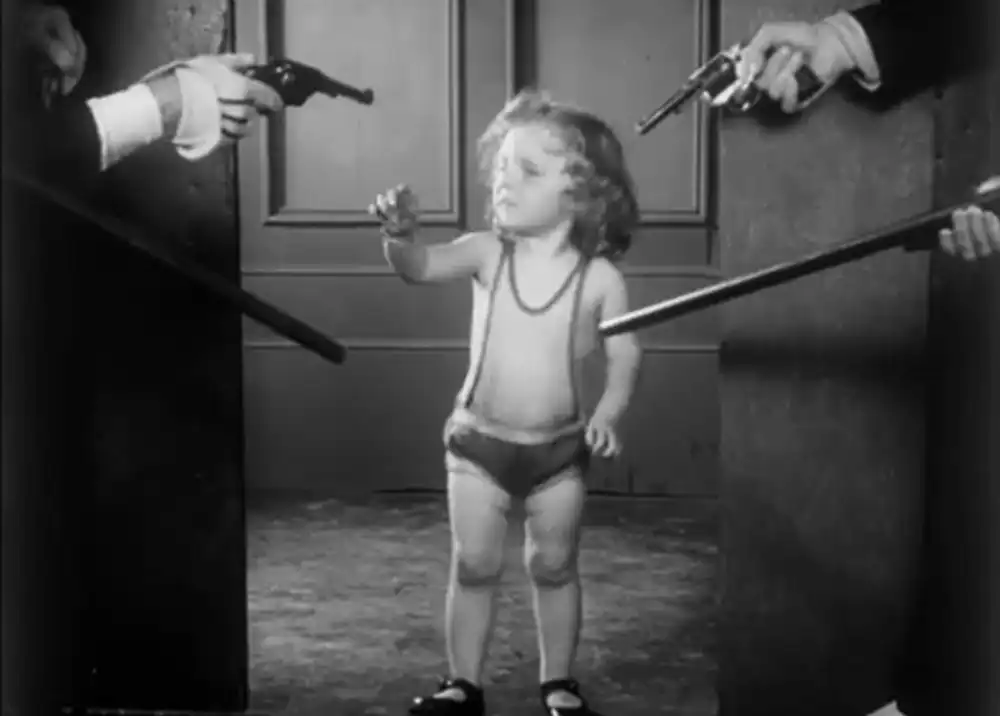
So, we've got Spark Plug and Barney, two guys who seem to have stumbled upon an ostrich named Rudy. They, with straight faces, decide this rather large bird is a "giant turkey." I mean, it’s a big bird, sure. But a turkey? It’s an ostrich! I kept waiting for someone to point this out, but nope. The commitment to the bit is, frankly, impressive.
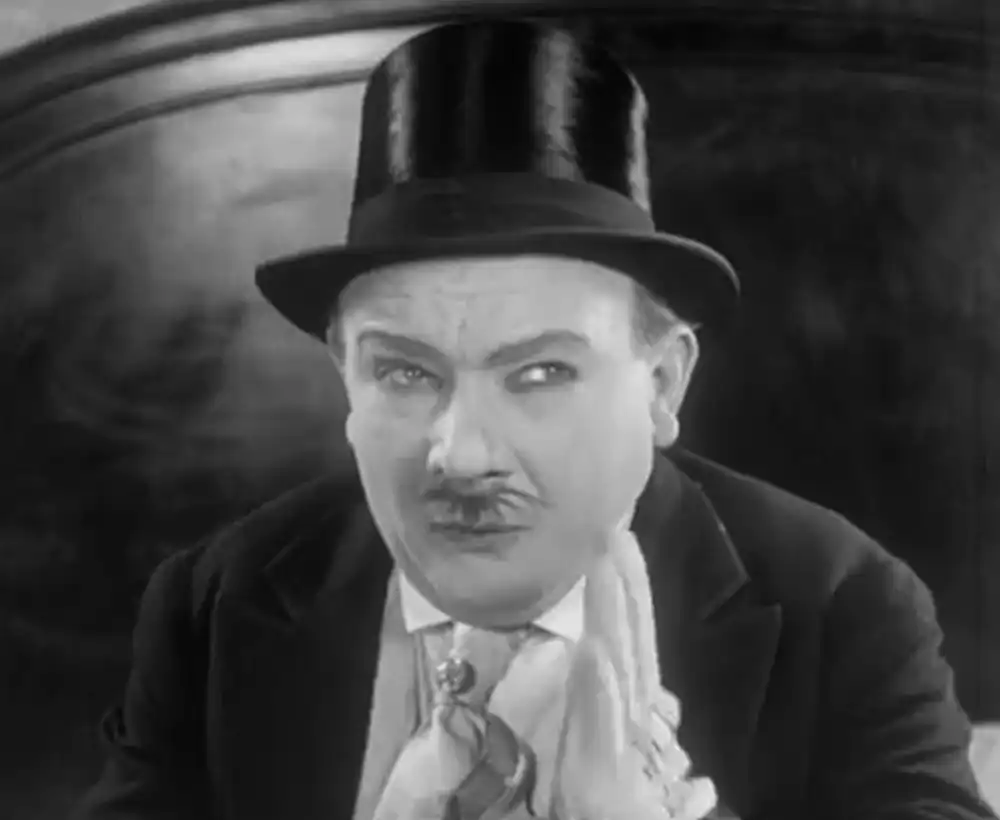
Their grand plan? Hide Rudy and their horse, who is just kinda there, at a fancy hotel. This hotel, bless its heart, has some very specific rules. No animals, okay, fair enough. But then, a specific sign, almost highlighted by the camera, proclaims no smoking opium in the elevators. Like, what was happening in hotels back then? Was this a regular problem? It’s a moment that totally steals the show for me. I can’t stop thinking about it. That’s the kind of detail that sticks. You don't get that in modern films, not like this anyway.
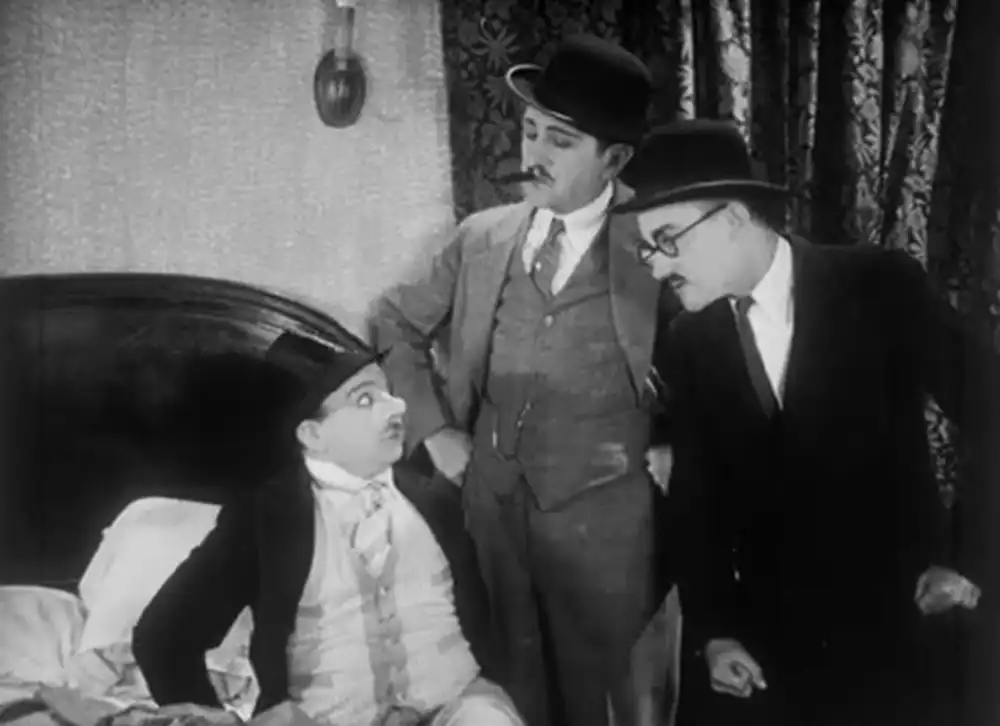
Most of the movie, and it's a short one, is just these two chaps trying to smuggle Rudy and the horse through the hotel lobby, up the stairs, and into a room. You can almost feel the frantic energy. There’s a lot of door-slamming and near misses with the hotel staff, who are, naturally, quite flustered by the whole affair. The ostrich itself is a surprisingly good actor, or maybe just very confused by its co-stars. It just kind of… stands there, looking bewildered.
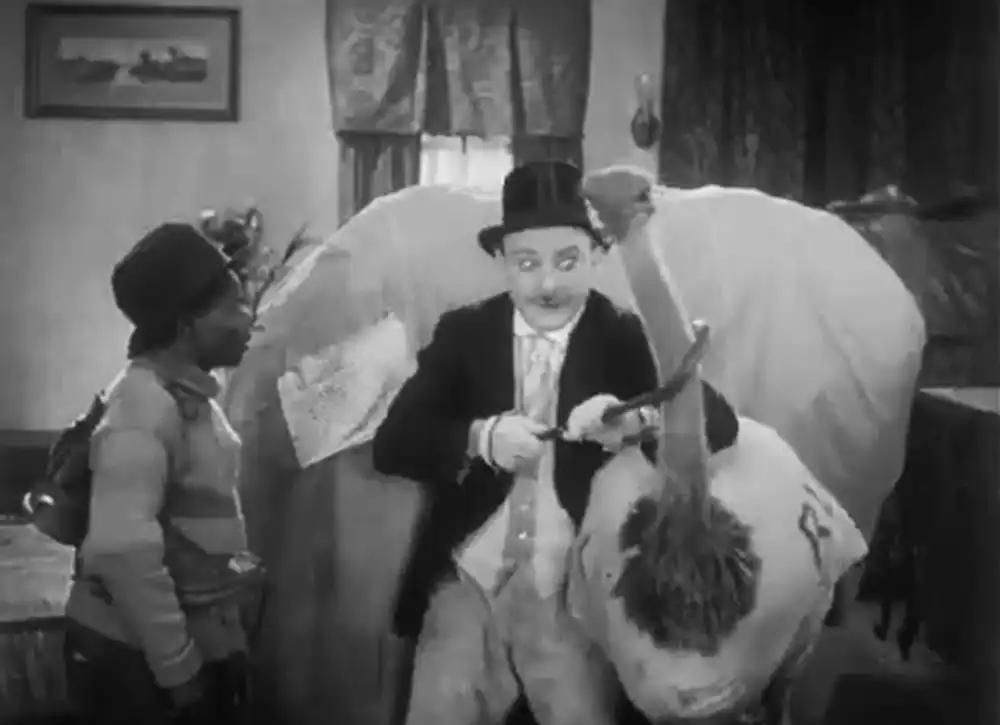
The physical comedy is exactly what you'd expect from the era. Lots of running around, people tripping over each other, and the general chaos of trying to hide something very, very obvious. There's a bit where Rudy's neck pops out from behind a curtain, and it’s just so simple, but effective for a quick chuckle. Tiny Ward, who plays one of the frantic leads, has this amazing, wide-eyed panic look that really sells the whole frantic situation.
It’s not really a film with a plot you follow as much as a series of escalating situations. The climax, if you can call it that, involves a bit of a chase and things generally falling apart. Does it resolve anything? Not really in a neat bow. It just sort of… stops. Which, again, feels very true to the rough-and-tumble nature of these early shorts.
What I really got from T-Bone Handicap is a glimpse into a time when movies were still figuring things out. They weren't trying to be profound or even all that logical. They just wanted to make people laugh with some silly sight gags and a truly bizarre premise. The pacing is quick, then slow, then quick again. It’s uneven, but that’s part of its charm. It’s like watching someone experiment in real-time. You won’t be thinking about this for days, probably. But for a few minutes, it’s a delightful, odd diversion. Definitely better than Custer of Big Horn, which is a different kind of historical experience entirely. This one just wants you to laugh at an ostrich in a hotel.
And that opium sign? Still thinking about it. 🧐
IMDb 3.8
1928
Community
Log in to comment.