DbcultAccessing Vault...
6.5/10
Senior Film Conservator
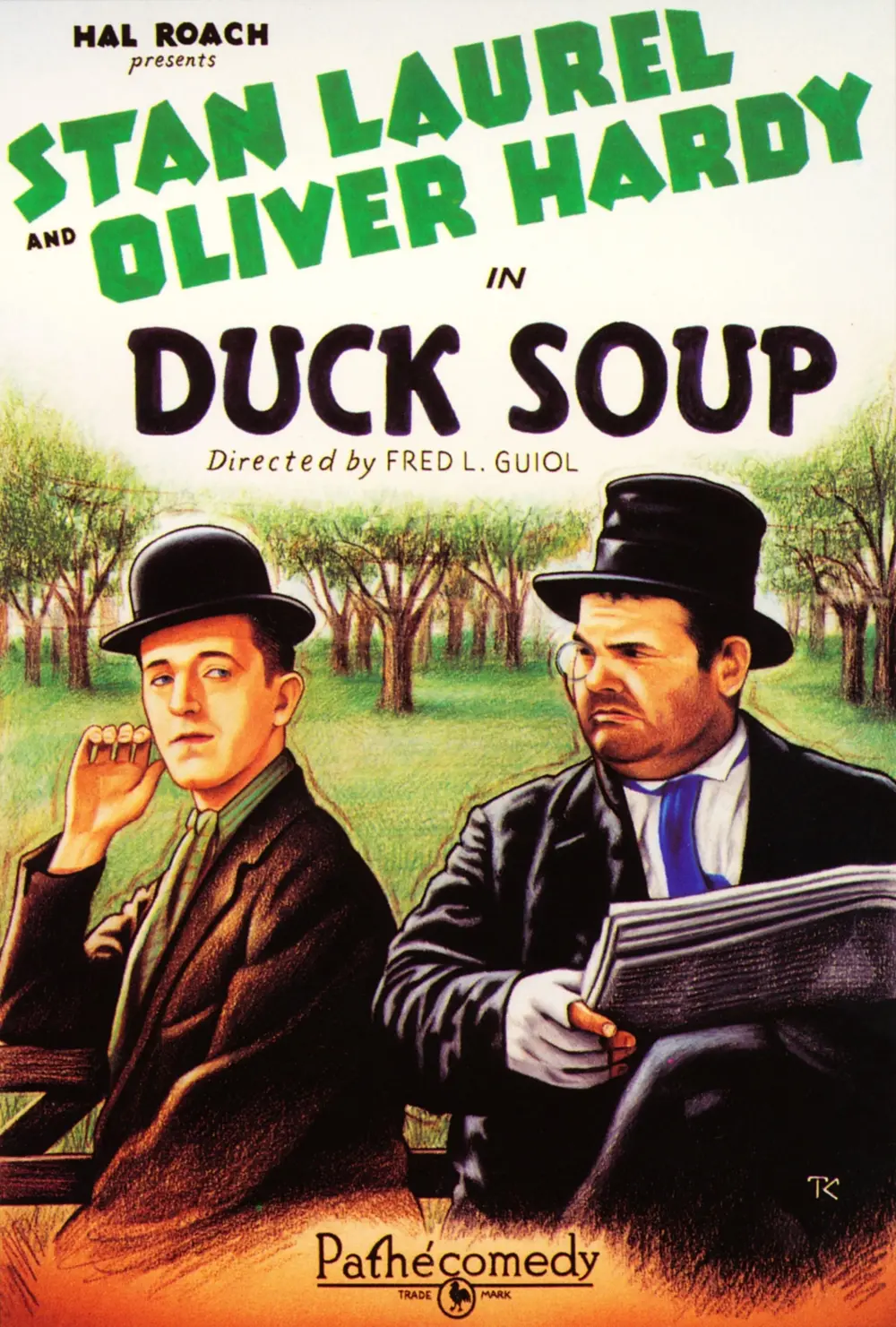
A definitive 6.5/10 rating for a film that redefined the boundaries of cult cinema. Duck Soup remains a cornerstone of transgressive art.
Is this silent relic a essential piece of comedy history or just a dusty footnote? Short answer: yes, it is a mandatory watch for anyone who wants to see the exact moment the most important duo in cinema history found their rhythm. This film is for the cinephile who appreciates the raw, unpolished energy of the late 1920s; it is definitively not for those who can only stomach the high-speed, verbal wit of the later sound-era Marx Brothers classic that shares its name.
Yes, Duck Soup (1927) is worth watching because it serves as the primary blueprint for the Laurel and Hardy dynamic. While they had appeared in films together previously, this is where the 'Stan and Ollie' personas truly begin to solidify. The physical comedy is primal, the stakes are simple, and the chemistry is undeniable. It is a fascinating look at a partnership in its larval stage.
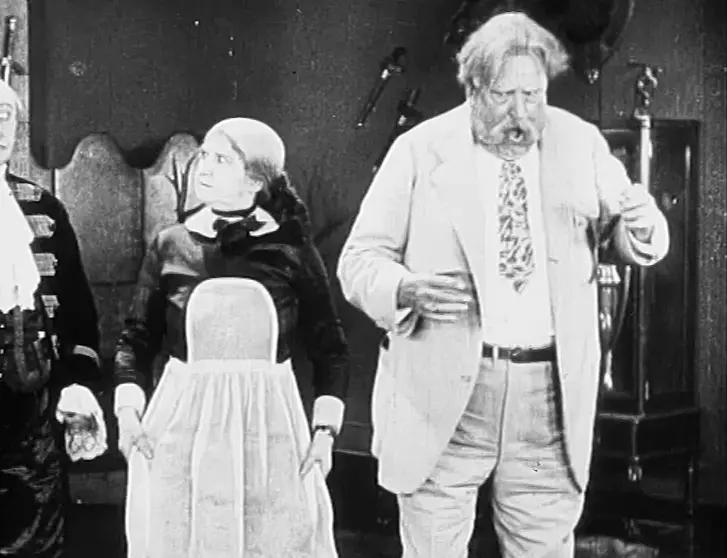
Watching Duck Soup (1927) is like looking at an early sketch by a master painter. You can see the lines that will eventually become a masterpiece, but the edges are still rough. Directed by Fred Guiol and overseen by the legendary Leo McCarey, the film doesn't waste time with the melodramatic padding often found in contemporary works like The Price of Fame. Instead, it dives headfirst into a scenario of pure desperation.
The setup is classic: two men on the fringes of society trying to survive by their wits—or lack thereof. Stan Laurel’s performance here is particularly interesting. He hasn't yet fully leaned into the 'crying' trope that would define his later years. Here, he is a bit more cynical, a bit more of a survivor. Oliver Hardy, too, is still finding his 'Ollie' persona, but the pomposity is already there, simmering under the surface of his tattered vagrant clothes.
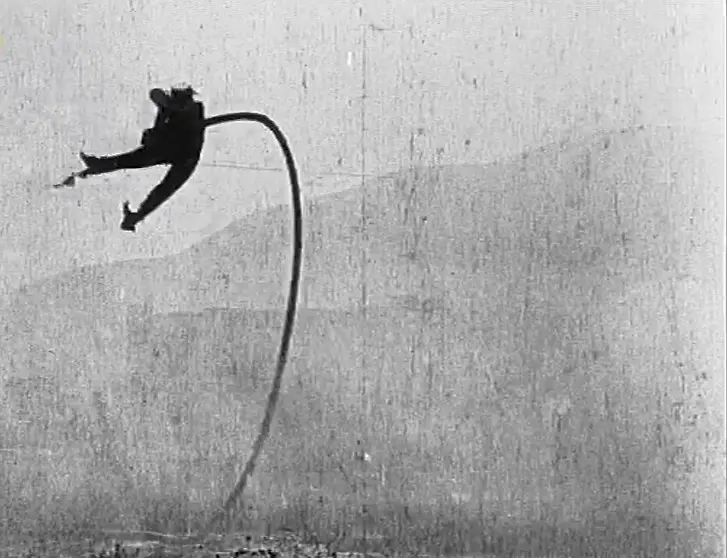
It works. But it’s flawed. The pacing in the first act feels slightly disconnected from the second. The transition from the woods to the mansion is abrupt, almost as if two different shorts were stitched together. Yet, once they enter that house, the film finds a gear that many other shorts of the era, such as Trouble Brewing, simply couldn't reach.
The heart of the film lies in the domestic masquerade. When William Austin’s character arrives with Madeline Hurlock, the film shifts from a chase comedy to a comedy of manners. The specific moment where Ollie decides to 'play' the owner of the house is a masterclass in silent reaction. You can see the gears turning in his head—the realization that for one afternoon, he can pretend to be a man of status.
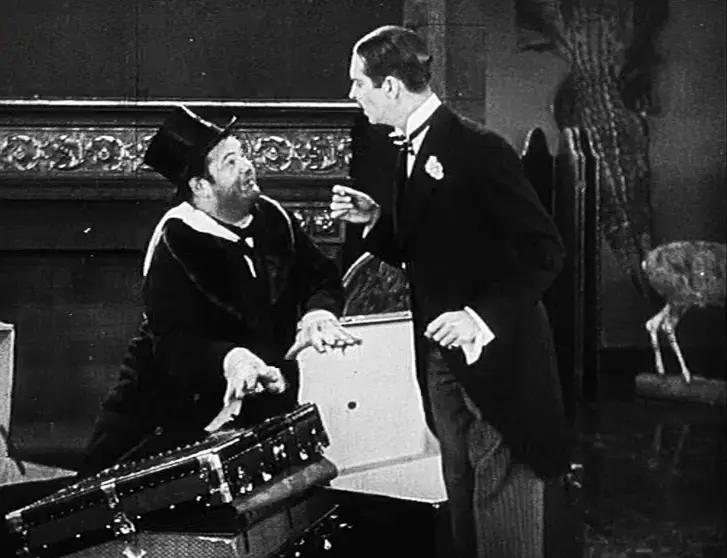
The most debatable aspect of the film is the drag sequence. Stan dressing as the maid is a gag that has been used a thousand times, but here it feels surprisingly grounded. It isn't just about the visual of a man in a dress; it's about the sheer terror in Stan's eyes as he tries to navigate the social expectations of a servant. When he attempts to serve tea, the physical comedy isn't just about breaking things—it's about the tension of the lie. This is far more sophisticated than the broad strokes seen in Carmen, Jr. or other parodies of the time.
One surprising observation is how 'mean' the comedy can be. There is a streak of cruelty in early Hal Roach shorts that was later sanded down for family audiences. When Stan and Ollie are being chased, or when they are deceiving the newlyweds, there is a sense of genuine stakes. They aren't just clowns; they are men who are one mistake away from a jail cell. This adds a layer of tension that makes the laughs feel earned rather than forced.
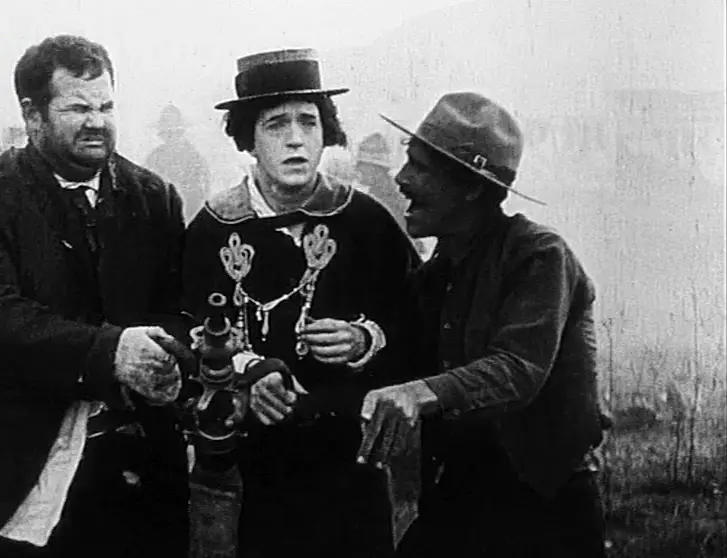
Technically, Duck Soup is a product of its time, but with a level of polish that suggests the Hal Roach 'fun factory' was operating at peak efficiency. The cinematography doesn't try to be avant-garde like Joan of Arc, but it understands the geometry of a gag. The camera is always in the right place to catch Ollie’s frustrated glances or Stan’s clumsy footwork.
The editing, however, is where the film shows its age. Some of the title cards feel redundant, explaining jokes that the actors have already landed with their faces. In the silent era, there was often a fear that the audience wouldn't 'get it,' leading to an over-reliance on text. If you compare this to the visual storytelling in Hands Up, Duck Soup feels a bit more traditional, yet the energy of the leads keeps it from feeling stagnant.
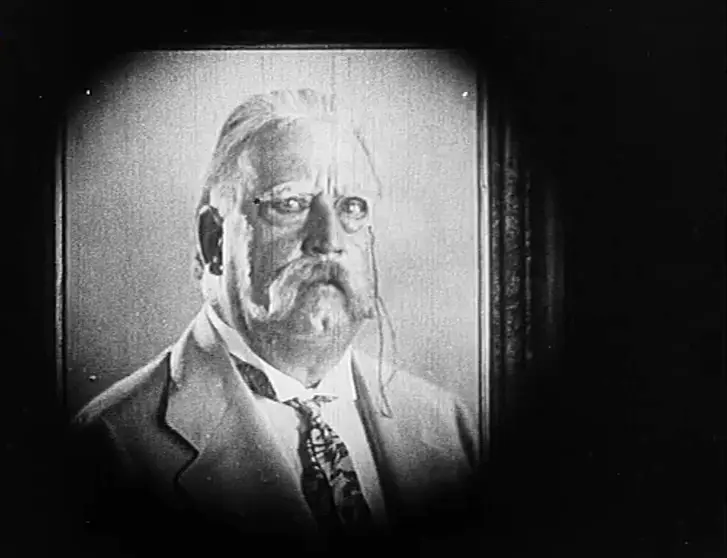
"The brilliance of Laurel and Hardy isn't just in what they do, but in how long they take to do it. The 'slow burn' starts here."
The pacing within the scenes—specifically the fireplace sequence—demonstrates the duo's burgeoning understanding of timing. They allow the silence to build. They allow the audience to anticipate the disaster. This 'anticipatory' comedy is what would eventually make them global icons. It’s a stark contrast to the relentless, often exhausting pace of films like Legend of Hollywood.
In Duck Soup, the power dynamic is lopsided in a way that is fascinating to dissect. Ollie is the clear 'alpha,' but his authority is entirely unearned. He is just as much a vagrant as Stan, yet he assumes the role of the boss with a terrifying ease. This commentary on class—two poor men immediately recreating a class hierarchy the moment they enter a rich man's home—is surprisingly sharp.
Stan’s role as the 'maid' is the ultimate humiliation, yet he accepts it with a strange, blank-faced stoicism. This is the 'Stan' we would come to love: the man who accepts the most absurd situations as his inevitable lot in life. Unlike the characters in The Affairs of Anatol, who are driven by complex desires, Stan and Ollie are driven by the most basic needs: food, shelter, and staying out of trouble. Their simplicity is their strength.
The ending is a mess. Let's be honest. It wraps up with a chaotic chase that feels like the filmmakers ran out of film or time. It lacks the thematic closure of their later features, but as a short, it serves its purpose. It leaves the audience wanting more, which is exactly what a comedy short in 1927 was supposed to do.
Duck Soup (1927) is not a perfect film, but it is a vital one. It lacks the polish of their sound-era work, but it possesses a raw, hungry energy that is infectious. While it shares a name with a Marx Brothers film, this short stands on its own as a definitive moment in silent comedy. It is the sound of two gears finally clicking into place. If you can look past the limitations of its era and the somewhat disjointed structure, you will find a comedy that still resonates because it is built on the universal truth of human embarrassment. It’s clumsy, it’s loud (in its own silent way), and it’s undeniably funny. Watch it to see the birth of a legend.
IMDb —
1929
Community
Log in to comment.