DbcultAccessing Vault...
Cult Review
Senior Film Conservator
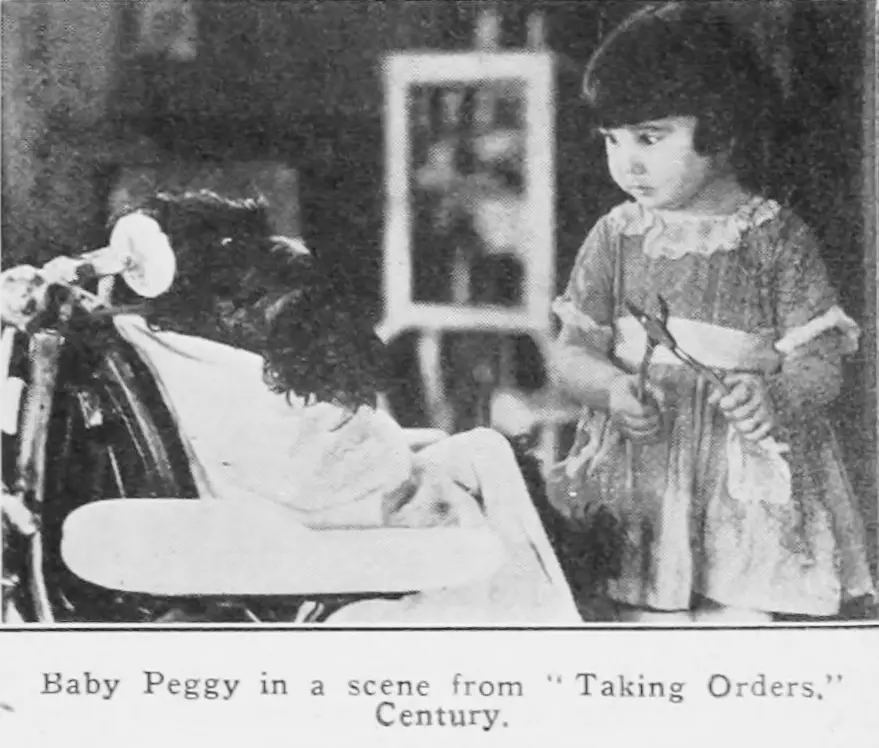
In the annals of silent cinema, few figures shine with the incandescent brilliance and sheer precocity of Baby Peggy, and her turn in "Taking Orders" offers a compelling testament to her undeniable star power. This particular offering, a delightful confection from an era when cinematic language was still being vigorously defined, captures Peggy at the height of her early fame, showcasing a comedic timing and expressive range that would put many adult performers to shame. The film, a charmingly simple yet profoundly effective vehicle, plunges us into the bustling, dualistic world of its young protagonist, Peggy, whose days are a whirlwind of responsibility, far surpassing the typical childhood experience. It's a fascinating artifact, not just for its entertainment value, but as a cultural touchstone reflecting the sensibilities and comedic stylings of the early 1920s.
The premise itself is a stroke of understated genius, providing fertile ground for both physical comedy and the subtle, often poignant, humor derived from a child’s earnest attempts at adult duties. Our diminutive heroine, Peggy, is no mere bystander in life; she is the veritable engine of her father's establishment. Her primary domain is the lively, often chaotic, cafeteria, a place where the clatter of dishes and the incessant demands of hungry patrons form a ceaseless rhythm. Here, she navigates the tables with an astonishing agility, her tiny frame weaving through legs and chairs, balancing trays with a dexterity that belies her tender years. She's the smiling face, the efficient server, and, one suspects, the unofficial morale booster, injecting a burst of sunshine into the daily grind of her customers and colleagues alike. This setting alone offers a rich tapestry of human interaction, a microcosm of society where the everyday act of eating becomes a stage for minor dramas and comedic misunderstandings.
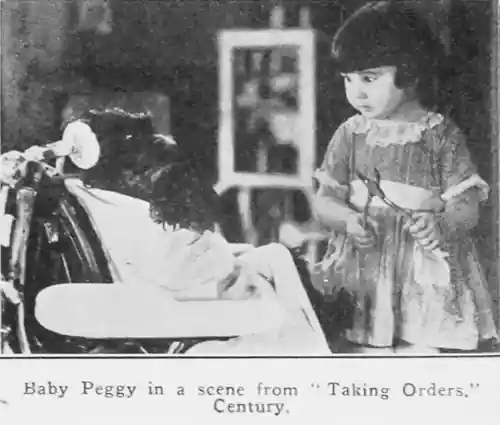
But Peggy's formidable work ethic doesn't stop at the cafeteria door. Directly adjacent, and perhaps even more daunting, is her father's dental parlor. This transition from the aromatic bustle of food service to the sterile, often anxiety-ridden atmosphere of a dentist's office presents a stark, yet humorously effective, contrast. Here, Peggy shifts roles, becoming a pint-sized assistant, offering comfort to nervous patients, handing instruments with an almost surgical precision, and likely providing a much-needed distraction from the impending discomfort. The juxtaposition of these two worlds – one of sustenance and social chatter, the other of discomfort and medical necessity – is where "Taking Orders" truly finds its unique comedic voice. It's a testament to the film's clever writing and direction that these disparate environments coalesce into a coherent, engaging narrative, all centered around the indefatigable spirit of its central character.
Baby Peggy, born Diana Serra Cary, was an unparalleled phenomenon
IMDb —
1923
Community
Log in to comment.