DbcultAccessing Vault...
6.5/10
Senior Film Conservator
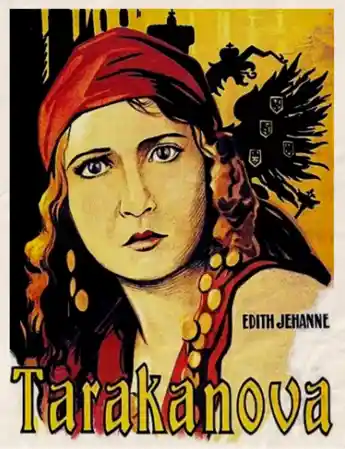
A definitive 6.5/10 rating for a film that redefined the boundaries of cult cinema. Tarakanova remains a cornerstone of transgressive art.
You should probably watch this if you have a soft spot for movies where people wear way too much velvet and stare longingly at the sea. It is definitely for the crowd that likes silent-era drama that’s just starting to find its voice.
If you need things to blow up every ten minutes, you will hate this. It moves at the speed of a very slow boat in a very foggy canal.
The whole plot is basically a honey trap from the 1700s. Catherine the Great is worried about this girl, Elisabeth Tarakanova, who says she’s the real heir to the throne.
So Catherine sends Prince Orloff to Venice to be a total jerk and trick her into falling in love. Naturally, he actually falls for her because that is how these movies always go.
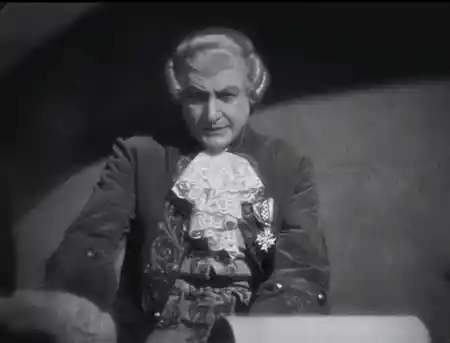
It’s a bit like a more serious version of something like The Little Giant but with more crying and Russian politics. Or maybe a less intense Sapho.
The first thing I noticed was the light. It has that silvery, flickering quality that makes everyone look like they are made of moonbeams and dust.
Venice looks great here, even if it's mostly sets and backdrops. There is this one shot of a gondola moving through the dark that feels genuinely lonely.
I kept thinking about how cold the actors must have been. Those big stone rooms always look like they have a draft.
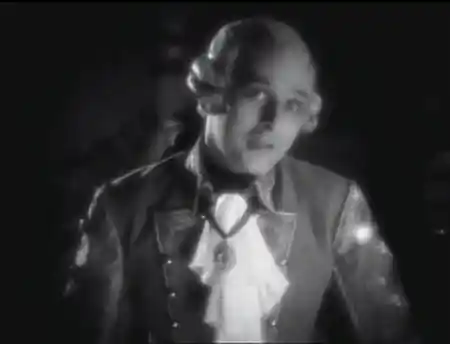
Okay, the real reason most people even talk about this movie today is Antonin Artaud. He plays a character named Young Meyer and he is just... strange.
He has these eyes that look like they are vibrating. Every time he is on screen, the movie feels five times more intense than it actually is.
He doesn't even have to do much. He just stands there and you feel like something bad is about to happen to everyone in the room.
It reminds me a bit of the weird energy in Mother Knows Best, where the acting feels a bit too real for the movie it's in.
Orloff, played by Olaf Fjord, is fine, I guess. He has a very strong jawline.
But he’s a bit stiff. Like he’s afraid if he moves too fast, his uniform will rip.
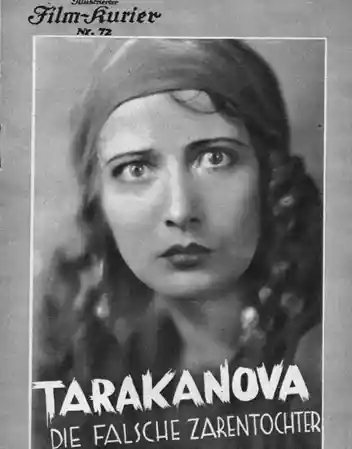
The chemistry between him and Edith Jehanne (who plays Tarakanova) is actually pretty decent. You can tell they are trying to make it feel like a real tragedy and not just a plot point.
The movie gets alot better once they leave the palace and get to the betrayal part. You can feel the stakes getting higher, even if you already know it’s going to end poorly.
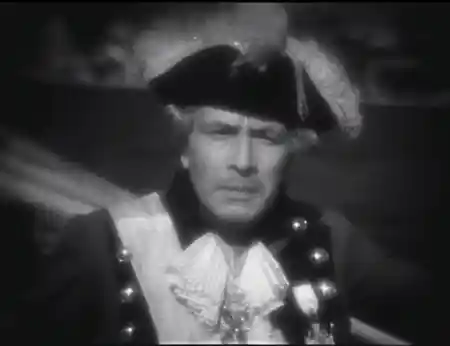
It’s got that heavy, doom-laden atmosphere that French films from this era did so well. It’s not quite as bleak as some others, but it gets close.
I did find myself wondering if the real Tarakanova was actually this nice. History says she was probably a bit of a con artist, but the movie makes her a total saint.
That’s fine, though. We aren't here for a history lesson. We are here for the drama.
There is this moment near the end where she realizes Orloff betrayed her. The look on her face is just... ouch.
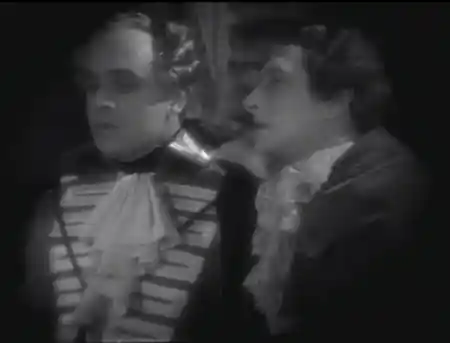
It makes you forget that the movie is nearly a hundred years old. Heartbreak looks the same in 1930 as it does now, I guess. 💔
If you've seen things like Alone in London, you know how these old melodramas can sometimes feel a bit dusty. But this one has a bit more bite to it.
It’s not a masterpiece. The pacing is weird and some of the side characters are basically cardboard.
But it has spirit. It feels like everyone involved really believed in this sad story about a girl who just wanted a throne and got a prison cell instead.
Also, the music in the version I watched was way too loud. I had to keep turning my speakers down during the big emotional peaks.
Maybe that was just my copy. Or maybe the conductor was just really excited that day.
Anyway, give it a look if you’re in the mood for something theatrical and tragic. Just don't expect a happy ending.
It’s a solid 7 out of 10 if you like the genre. Maybe a 4 if you hate reading intertitles.
I’m going to go think about that Artaud guy’s face for a while now. He really was something else.
IMDb —
1922
Community
Log in to comment.