DbcultAccessing Vault...
7.7/10
Senior Film Conservator
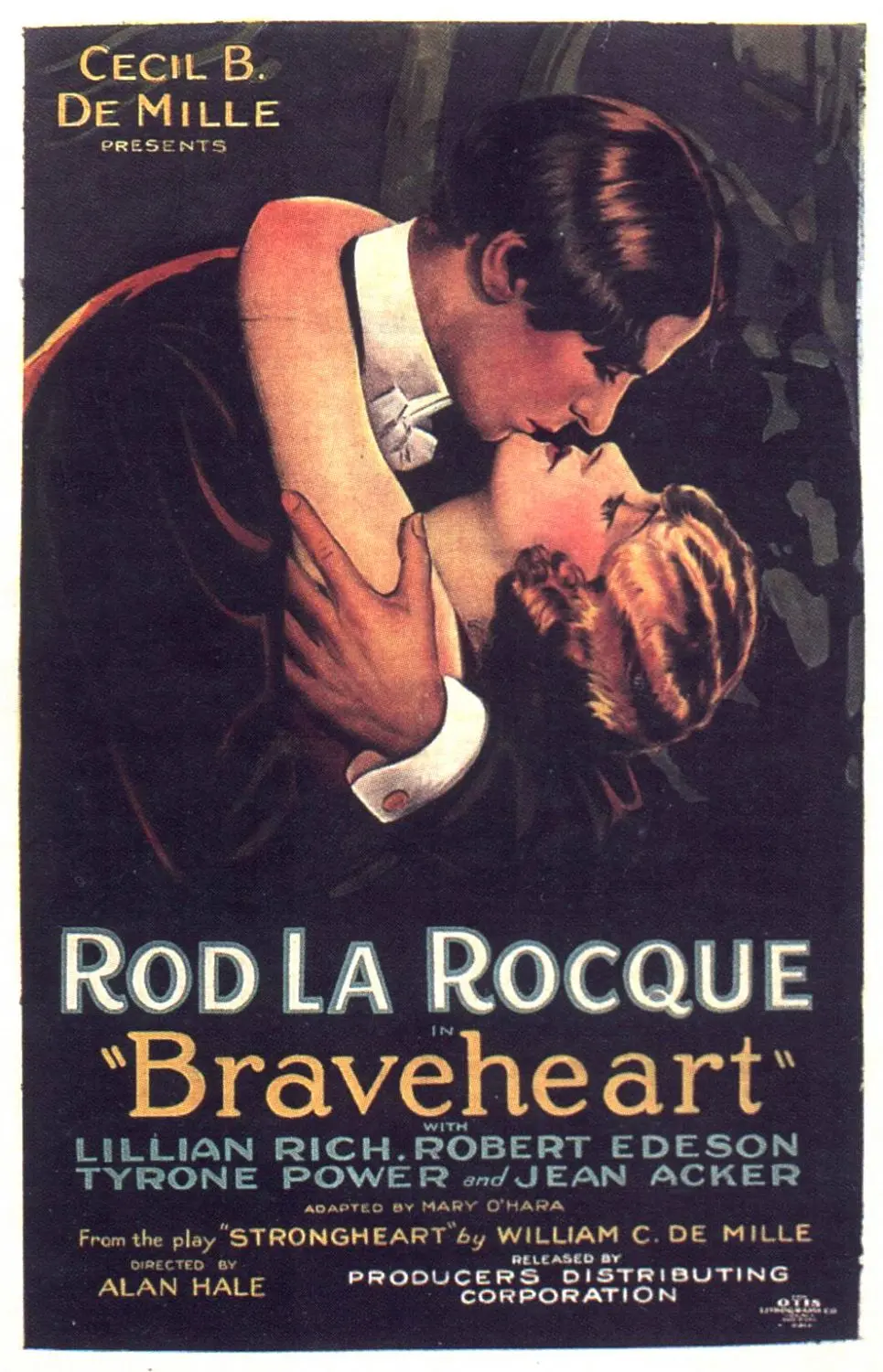
A definitive 7.7/10 rating for a film that redefined the boundaries of cult cinema. Braveheart remains a cornerstone of transgressive art.
The cinematic landscape of the 1920s was a burgeoning tapestry, often reflecting the dramatic societal shifts and moral quandaries of its time. Among these, a film like "Braveheart" (1925) stands as a remarkably potent, albeit often overlooked, artifact, delving into themes that resonate with startling clarity even a century later. Directed with a keen eye for human struggle and written by a formidable team including Mary O'Hara and William C. de Mille, this picture transcends mere entertainment to offer a profound commentary on justice, sovereignty, and the relentless march of industrial expansion. It's a narrative that, despite its silent era origins, speaks volumes about the enduring conflict between traditional ways of life and the unyielding pressures of modernity.
At its core, "Braveheart" unravels a deeply unsettling scenario: a sovereign Indigenous community finds its ancestral riparian claims imperiled. The fishing grounds, a vital source of sustenance and a spiritual anchor, are under siege. A rapacious canning corporation, driven by an insatiable hunger for profit, brazenly infringes upon a treaty, wielding both economic leverage and brute intimidation. This isn't just a tale of land dispute; it’s an indictment of colonial power structures, a stark portrayal of how legal documents, theoretically designed to protect, can be so easily circumvented or outright ignored by more dominant forces. The silent screen, in its profound visual language, would have amplified the quiet desperation and righteous indignation of the tribe, with close-ups conveying the anguish that words might fail to capture.
The escalating transgressions ignite a profound schism within the tribal council, a division that forms the narrative's emotional fulcrum. Chief Standing Rock, portrayed with gravitas and nuanced restraint, understands the precarious position of his people. His wisdom dictates a strategic, legalistic defense, a pragmatic engagement with the very system that threatens them. This decision, fraught with inherent contradictions, leads him to dispatch his son, the titular Braveheart, played by the compelling Nipo T. Strongheart, to immerse himself in the intricacies of Anglo-American jurisprudence. Braveheart's journey to college is more than a mere academic pursuit; it is a symbolic passage, a desperate gambit to wield the colonizer's own tools against them. It signifies a profound hope, a belief that justice, however elusive, might still be found within the labyrinthine corridors of the law. Strongheart's performance, undoubtedly relying on expressive physicality and poignant glances, would have conveyed the immense weight of expectation and the cultural tightrope his character walks.
Conversely, a more impetuous and fiery spirit, Ki-Yote, galvanizes a defiant contingent within the tribe. His frustration with diplomatic channels and legal niceties is palpable, mirroring the widespread disillusionment many Indigenous communities faced when treaties were routinely dishonored. Ki-Yote advocates for a visceral, confrontational stand, convinced that only direct, unyielding resistance can repel the corporate aggressor and preserve their ancestral legacy. His perspective, while seemingly radical, is rooted in a deep understanding of historical betrayals and the often-futile nature of appealing to the oppressor's sense of fairness. The tension between Braveheart's measured legalism and Ki-Yote's passionate call to arms forms the dramatic engine of the film, forcing audiences to grapple with complex questions of efficacy and morality in the face of systemic injustice.
The ensemble cast, featuring stalwarts like Tyrone Power Sr., Henry Victor, and Jean Acker, would have lent considerable weight to this intricate drama. Tyrone Power Sr., a titan of the stage and screen, likely imbued Chief Standing Rock with an authoritative yet compassionate presence, conveying the immense burden of leadership. His portrayal would have balanced the traditional wisdom of an elder with the modern dilemma of seeking justice through unfamiliar means. The supporting performances, particularly those depicting the tribe members and the corporate antagonists, would have painted a vivid picture of the community's internal struggles and the external threats they faced. The writers, Mary O'Hara, Elmer Harris, William C. de Mille, and C. Gardner Sullivan, crafted a narrative that, while perhaps simplified for the silent screen, possessed an underlying complexity that challenged contemporary audiences to consider perspectives often marginalized in mainstream cinema.
The film's exploration of justice itself is multifaceted. Is justice merely the application of written law, or does it encompass a broader sense of equity, respect for ancestral rights, and ecological balance? Braveheart's journey highlights the limitations and potential biases of a legal system not originally designed to protect Indigenous sovereignty. His education, while offering a path, also represents a form of assimilation, a necessary compromise that might erode cultural identity even as it seeks to preserve physical lands. This internal conflict, conveyed through Nipo T. Strongheart's nuanced performance, would have been particularly poignant, inviting viewers to ponder the true cost of survival.
Visually, a silent film like "Braveheart" would have relied heavily on symbolism and grand natural backdrops. The fishing grounds themselves would have been more than just a location; they would have been a character, representing life, tradition, and the sacred connection to the land. The stark contrast between the pristine natural beauty of the tribal lands and the encroaching industrial machinery of the canning corporation would have been a powerful visual metaphor for the clash of civilizations. Cinematography would have emphasized sweeping landscapes alongside intimate portraits of human emotion, using light and shadow to underscore the narrative's gravitas. Intertitles, carefully crafted, would have provided crucial exposition and dialogue, but the true power would have resided in the actors' expressions and gestures, in the unspoken language of the body and the eyes.
Comparing "Braveheart" to other films of its era reveals its unique standing. While films like The Lone Star Ranger (1923) often depicted frontier conflicts through a lens of white heroism and expansion, "Braveheart" courageously shifts the perspective, placing Indigenous struggle at its center. Its thematic depth, exploring corporate malfeasance and the fight for self-determination, finds echoes in the moral ambiguities presented in Dangerous Days, which similarly delved into societal unrest and ethical quandaries. The internal tribal division, a conflict of ideology and strategy, can be seen as a precursor to the themes of rebellion and ethical leadership explored in later films like Mutiny, though here the stakes are cultural survival rather than naval hierarchy.
Furthermore, the film's unflinching look at exploitation and vulnerability, particularly concerning natural resources and marginalized communities, aligns it with the social commentary found in films such as The Yellow Traffic, which often exposed societal ills. The depiction of Ki-Yote's impassioned, potentially volatile, resistance resonates with narratives where individuals are pushed to desperate measures, perhaps hinting at the tragic consequences seen in stories like Foolish Lives, where impulsive actions lead to unforeseen outcomes. The very act of documenting and presenting this Indigenous struggle for justice, even in a fictionalized form, also connects "Braveheart" to the spirit of historical preservation and remembrance found in works like Lest We Forget (1924), which sought to immortalize significant societal events and sacrifices.
The choice of Nipo T. Strongheart, an actual Indigenous actor, for the role of Braveheart was particularly significant for its time. His presence lent an authenticity and dignity to the portrayal that was often absent in Hollywood's typical casting practices. His very being on screen challenged prevailing stereotypes and offered audiences a rare glimpse into the complexities of Indigenous experience. This decision by the filmmakers speaks volumes about their intent to craft a story that, while dramatic, was also rooted in a desire for genuine representation. Strongheart's performance, therefore, becomes not just an acting turn but a cultural statement, a testament to the resilience and intellectual prowess of his people.
The narrative's resolution, or perhaps its lack thereof, would have been crucial to its impact. Did Braveheart succeed in his legal quest, or did Ki-Yote's more confrontational approach prove necessary? The film’s power lies not necessarily in providing easy answers but in compelling audiences to confront the difficult choices faced by the tribe. It forces a reckoning with the systemic injustices that allow powerful corporations to override treaties and exploit resources with impunity. The ultimate message, whether one of cautious optimism for legal reform or a more cynical view of the dominant system, would have undoubtedly sparked considerable debate among viewers.
In conclusion, "Braveheart" (1925) remains a strikingly relevant piece of cinema, a testament to the enduring power of storytelling to illuminate profound societal issues. Its exploration of Indigenous sovereignty, corporate greed, and the agonizing choice between legal recourse and direct resistance is as pertinent today as it was a century ago. The film, through its compelling performances, thoughtful writing, and the evocative visual language of the silent era, offers a timeless meditation on the nature of justice, the preservation of cultural heritage, and the courage required to stand against overwhelming odds. It reminds us that the fight for true equity is a continuous journey, often fraught with sacrifice and difficult decisions, echoing the struggles that continue to define the quest for Indigenous rights around the globe.
IMDb 6.3
1924
Community
Log in to comment.