DbcultAccessing Vault...
Cult Review
Senior Film Conservator
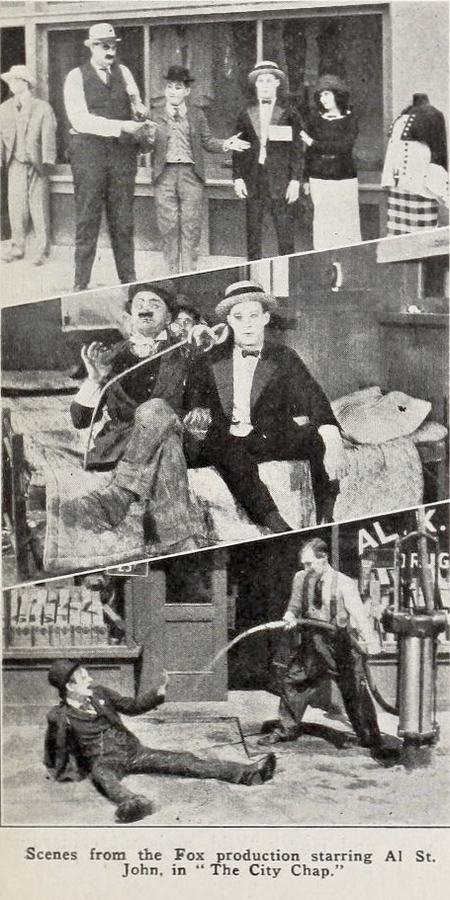
When Al St. John dons the role of Eli Whitaker, the film instantly adopts a tone that oscillates between earnest pastoral reverence and razor‑sharp urban satire. The narrative thrust is simple yet fertile: a country lad, armed with naïveté and an unshakeable work ethic, ventures into the metropolis, only to discover that the city’s glittering façade masks a labyrinth of moral compromises. From the opening sequence—where Eli’s boots crunch on the gravel of his family farm, the camera lingering on the golden wheat swaying in the wind—the director establishes a visual dichotomy that persists throughout the film’s runtime.
New York is never merely a backdrop; it is a living, breathing antagonist that tests Eli’s resolve at every turn. The bustling streets, rendered in high‑contrast black‑and‑white, pulse with the rhythm of jazz drums, while neon signs flicker like restless fireflies. This urban tableau is reminiscent of the atmospheric density found in The Shielding Shadow, yet The City Chap injects a comedic elasticity that differentiates it from the brooding tones of its contemporaries.
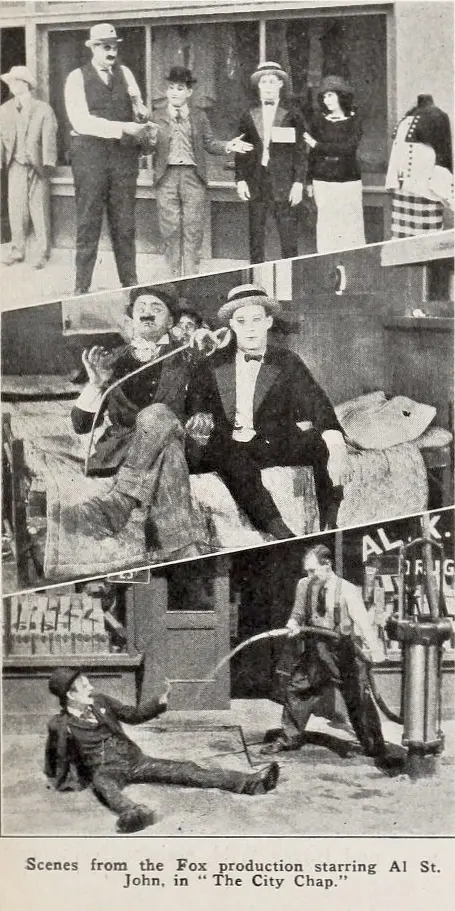
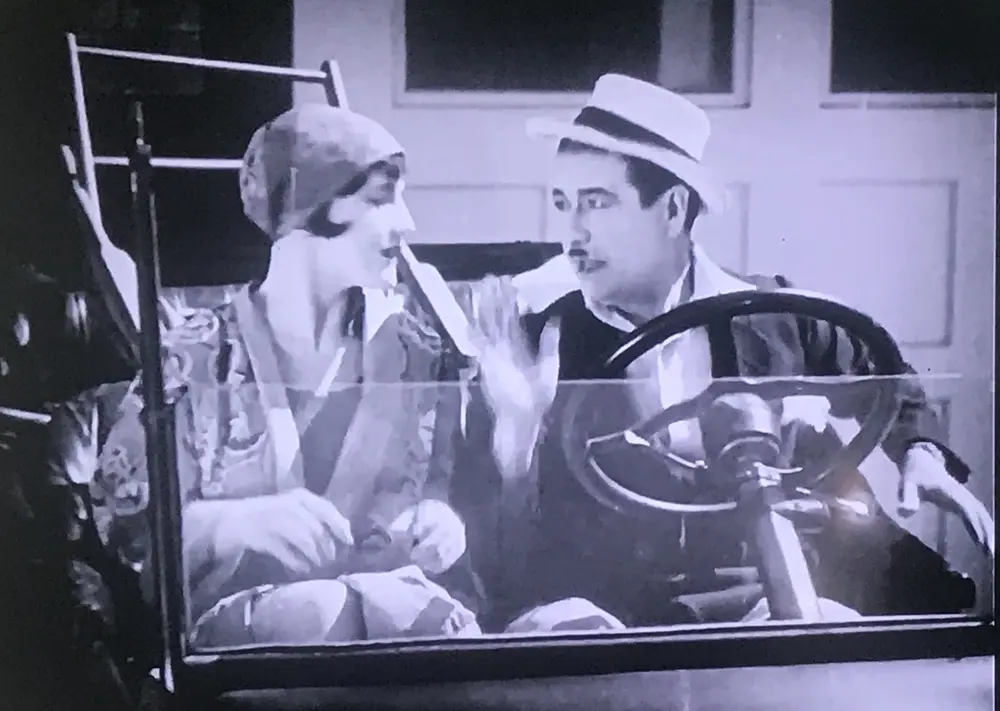
St. John’s physicality is the engine that drives the film’s humor. His slapstick choreography—most memorably during the speakeasy chase scene where he tumbles through a series of revolving doors—exemplifies a kinetic brilliance that harkens back to the antics of the Keystone Kops while simultaneously forging a distinct identity. The subtlety of his facial expressions, especially in moments of bewildered awe as he confronts the towering skyscrapers, adds layers of pathos that elevate the comedy beyond mere pratfalls.
The screenplay, though uncredited, adheres to a three‑act structure that feels both classic and daring. Act One establishes Eli’s rural innocence and his motivations for seeking urban employment—a desire to fund modern equipment for his family’s farm. Act Two escalates the conflict as Eli becomes entangled in Whitmore & Co.’s internal machinations, culminating in the discovery of the embezzlement ledger. Act Three delivers a crescendo of chaos at the charity gala, where Eli’s improvised umbrella‑based contraption—reminiscent of the inventive props seen in An Auto Nut—serves as both comedic set‑piece and narrative resolution.
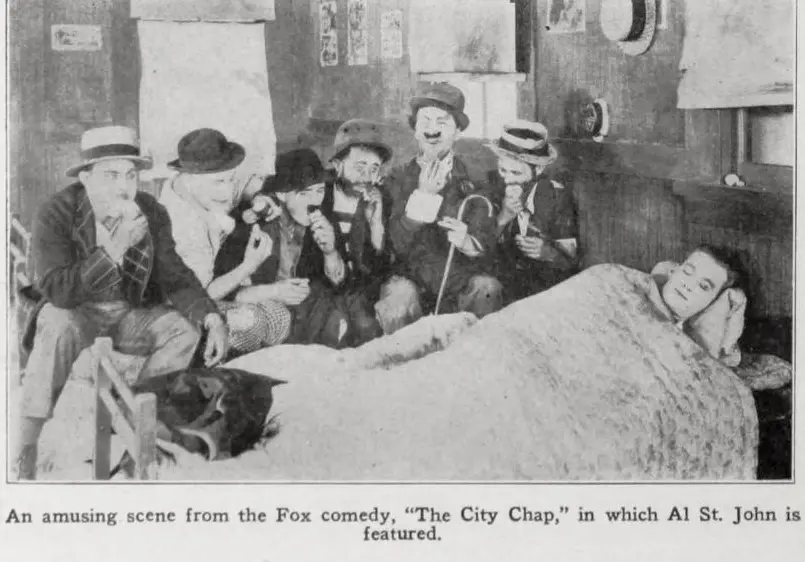
Beneath the surface-level merriment lies a meditation on the erosion of moral clarity amidst industrialization. Eli’s steadfast adherence to honesty, symbolized by his ever‑present cornmeal sack, contrasts starkly with the slick, duplicitous demeanor of Jasper Doyle, whose polished veneer masks a predatory greed. This dichotomy mirrors the thematic concerns of The Dangerous Age, where generational values clash within a rapidly modernizing society.
The cinematographer employs a palette of high‑key lighting for the rural sequences, bathing the farm in a warm, almost nostalgic glow, before shifting to low‑key, chiaroscuro illumination for the city’s night scenes. This visual transition underscores Eli’s internal journey from clarity to confusion and back again. The use of deep‑focus shots during the gala—capturing both the glittering chandeliers and the frantic backstage antics—demonstrates a technical proficiency that rivals the visual storytelling of Wolves of the Night.
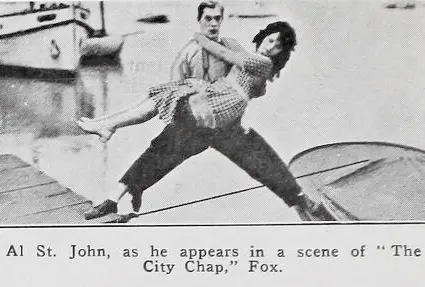
The accompaniment, a blend of ragtime piano and orchestral swells, mirrors the film’s tonal oscillations. The jaunty motifs that underscore Eli’s farm scenes give way to dissonant brass during moments of corporate intrigue, creating an auditory map that guides the audience through the shifting emotional terrain.
When positioned alongside other silent-era comedies, The City Chap stands out for its sophisticated interweaving of social commentary and slapstick. While Uno de abajo offers a more straightforward fish‑out‑of‑water narrative, The City Chap layers its humor with a critique of capitalist excess, aligning it more closely with the narrative ambition of The Knickerbocker Buckaroo.
The film’s exploration of authenticity versus façade resonates in today’s digital age, where personal branding often eclipses genuine identity. Eli’s triumph—rooted in transparent intention and a refusal to compromise his values—offers a timeless lesson that transcends the silent era. Moreover, the film’s inventive use of physical comedy prefigures the visual gags popularized by later auteurs such as Buster Keaton and Charlie Chaplin.
The City Chap is a masterclass in balancing levity with gravitas, a rare gem that showcases Al St. John’s comedic genius while delivering a narrative rich in thematic depth. Its meticulous production design, nuanced performances, and daring storytelling cement its place as an essential viewing for aficionados of early cinema. For scholars tracing the evolution of urban satire, or for casual viewers seeking a hearty laugh wrapped in poignant reflection, this film remains an indispensable artifact.
IMDb 4.7
1930
Community
Log in to comment.