DbcultAccessing Vault...
6.7/10
Senior Film Conservator
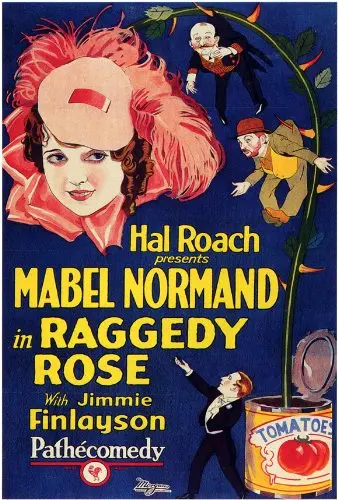
A definitive 6.7/10 rating for a film that redefined the boundaries of cult cinema. Raggedy Rose remains a cornerstone of transgressive art.
Is Raggedy Rose worth watching today? Short answer: Yes, but only if you appreciate the specific, frantic energy of the Hal Roach studio and the fading brilliance of Mabel Normand.
This film is specifically for silent cinema historians and those who find beauty in the 'Cinderella in the gutter' archetype. It is absolutely not for viewers who require tight narrative logic or modern pacing.
1) This film works because Mabel Normand possesses an uncanny ability to oscillate between pathetic vulnerability and sharp, physical slapstick without losing the audience's sympathy.
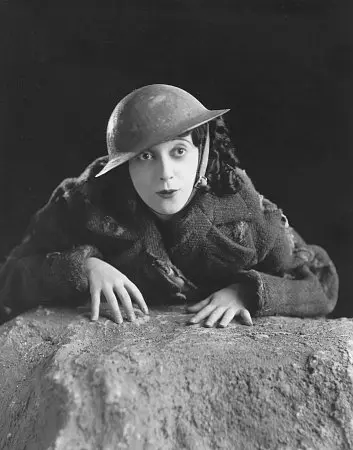
2) This film fails because the narrative structure is essentially three short films loosely tied together, leading to a jarring middle section that feels like filler.
3) You should watch it if you want to see the DNA of modern rom-coms buried under layers of 1920s grime and expert physical comedy.
Raggedy Rose is a minor classic that serves as a showcase for Mabel Normand. While it lacks the structural perfection of a Buster Keaton feature, it excels in character-driven gags. It captures the transition of the 1920s from pure slapstick to more sophisticated character comedy.
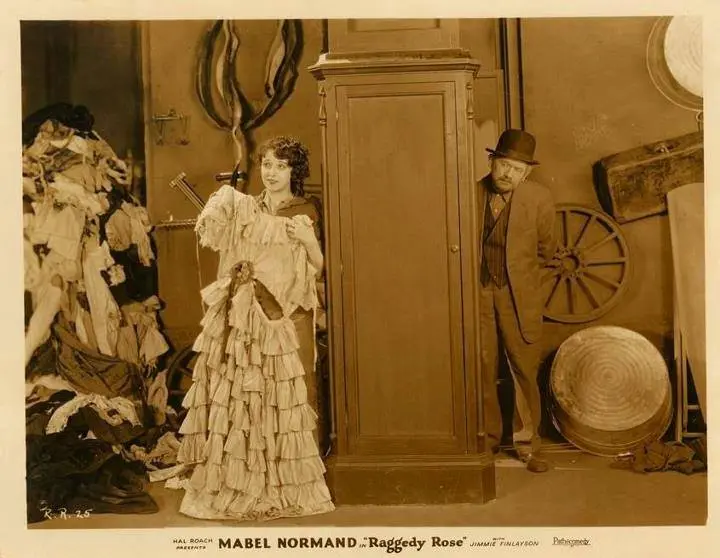
By 1926, Mabel Normand was no longer the fresh-faced ingenue of the Keystone days. In Raggedy Rose, you can see a more mature, perhaps more tired, performer using every ounce of her experience to carry a thin script. It works. But it’s flawed. The way she handles a simple prop—like a discarded piece of lace—tells more about her character’s soul than ten pages of dialogue ever could.
The film’s opening sequence in the junk yard is a masterclass in setting a tone. Unlike the more polished settings of The Perfect Flapper, this world is dirty, sharp, and unforgiving. Max Davidson, playing the penny-pinching junk dealer, provides a perfect foil for Rose. Their chemistry is built on a mutual understanding of poverty, though Rose looks upward while the dealer looks only at his ledger.
One specific scene stands out: Rose attempting to 'dress up' for Ted Tudor using nothing but scavenged items. It’s a moment that could have been purely played for laughs, but Normand injects it with a sense of genuine longing. It reminds me of the tonal balance found in The Cricket on the Hearth, where the comedy is always adjacent to melancholy.
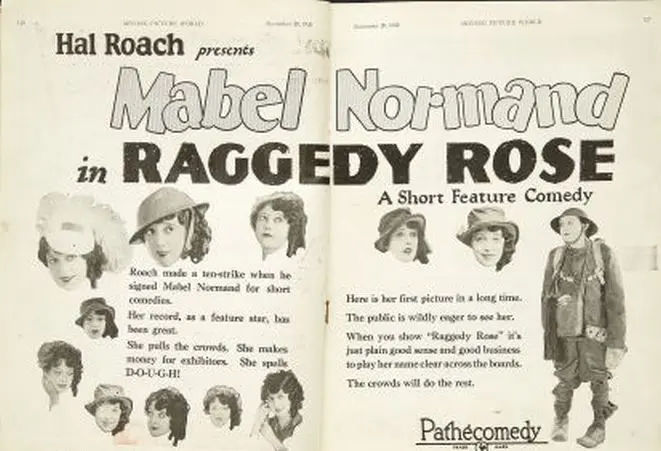
It is impossible to discuss Raggedy Rose without mentioning the writers' room. With Stan Laurel and H.M. Walker involved, the gags have a rhythmic quality that is distinctly 'Roach.' There is a sequence involving a runaway vehicle that feels like a precursor to the chaos found in Battling Mason. The timing is precise, even if the reason for the chase is flimsy at best.
The supporting cast is a 'who's who' of silent comedy veterans. James Finlayson brings his signature squint and double-take, adding a layer of frustration to the social scenes that Rose disrupts. Theodore von Eltz as Ted Tudor is appropriately wooden—he isn't a character so much as a trophy for Rose to win, much like the romantic interests in Miss Nobody.
The pacing, however, is where the film stumbles. The transition from the junk yard to the high-society party feels like someone accidentally spliced two different movies together. While the contrast is intended to highlight Rose's 'fish out of water' status, the script doesn't quite bridge the gap. It feels more like a series of sketches than a cohesive journey.
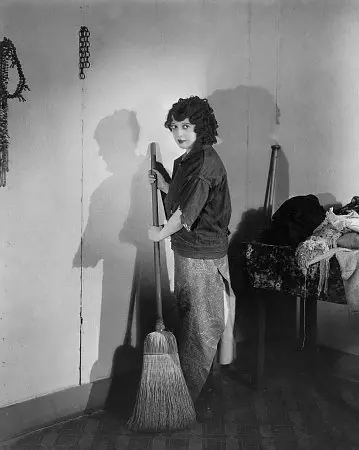
Jerome Storm’s direction is functional rather than revolutionary, but he understands how to frame Normand. The camera stays close to her face, capturing the micro-expressions that made her a star. The lighting in the junkyard scenes is surprisingly atmospheric, using natural shadows to emphasize the grit, a stark contrast to the flat, bright lighting of the Tudor mansion.
This visual dichotomy is a common trope of the era, seen in films like Scandal or Samhällets dom. However, in Raggedy Rose, the grit feels more authentic. It doesn't feel like a studio set; it feels like a place where things go to die, which makes Rose’s optimism all the more poignant.
There’s an unconventional observation to be made here: the film is actually quite cynical about the upper class. Ted Tudor isn't particularly kind or observant; he's just available. The real 'heart' of the film remains in the junk yard, suggesting that Rose might be chasing a ghost. This adds a layer of unintentional depth that elevates the film above standard slapstick fare.
If you are looking for a deep, philosophical exploration of the human condition, look elsewhere, perhaps toward Lady Hamilton. But if you want to see a master of the craft at work, Raggedy Rose is essential viewing. It represents the end of an era—the final years before the talkies changed comedy forever.
There is a specific joy in watching Rose navigate a high-society dinner. Her total lack of pretense is her greatest weapon. While the film doesn't reach the heights of The Moonstone in terms of intrigue, it offers a more visceral, immediate kind of entertainment. It’s a film that asks very little of you but gives back a lot of heart.
Raggedy Rose is a charming, if uneven, relic. It captures a Hollywood legend in her twilight, still capable of commanding the screen with a single look. The script is a patchwork quilt of gags, but when those gags land, they land hard. It’s not a masterpiece, but it’s a vital piece of the silent comedy puzzle. Final Verdict: A must-watch for historians, a pleasant diversion for everyone else.
IMDb —
1917
Community
Log in to comment.