DbcultAccessing Vault...
7.3/10
Senior Film Conservator
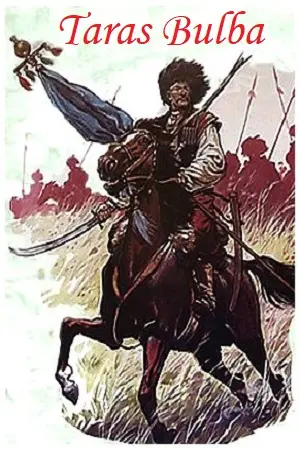
A definitive 7.3/10 rating for a film that redefined the boundaries of cult cinema. Taras Bulba remains a cornerstone of transgressive art.
Stepping into the world of Vladimir Strizhevsky's 1924 adaptation of Nikolay Gogol's monumental 'Taras Bulba' is akin to unearthing a forgotten, yet profoundly resonant, artifact from cinema's nascent years. This silent epic, a sprawling canvas of fervent nationalism, familial devotion, and devastating betrayal, transcends its technical limitations to deliver an emotional punch that reverberates even a century later. It's a testament to the raw power of visual storytelling, a medium still finding its voice yet already capable of articulating grand narratives with an almost primal force. The film doesn't merely recount a story; it immerses the viewer in a bygone era, a crucible of Cossack identity forged in the crucible of relentless conflict against Polish dominion.
The narrative, drawn from Gogol's seminal work, centers on the titular Taras Bulba, a Cossack chieftain embodying the fierce, unyielding spirit of his people. Isaak Douvan-Tortsov, in a performance that anchors the entire production, imbues Taras with a gravitas that is both terrifying and tragically human. His Taras is not merely a warrior; he is a force of nature, a living embodiment of Cossack ideals, yet beneath the hardened exterior lies a patriarch capable of profound, albeit often brutal, affection. The opening sequences, depicting the return of his two sons, Ostap (Alexander Polonsky) and Andriy (Oscar Marion), from their Kyiv seminary education, immediately establish the core conflict: the clash between nascent intellectualism and the brutal realities of their Cossack heritage. Taras's immediate challenge to their bookishness, demanding they prove their mettle in a mock brawl, is a scene of both comic bluster and serious intent, signaling the path he expects them to follow.
Strizhevsky's direction, while perhaps lacking the elaborate tracking shots or sophisticated editing techniques of later silent masterpieces, compensates with a raw, visceral energy. The battle sequences, in particular, convey a sense of genuine chaos and brutality. Though silent, the imagery evokes the clang of swords, the thunder of hooves, and the cries of men, relying heavily on the actors' expressive physicality and the sheer scale of the assembled extras. One can almost feel the dust and the desperation. The visual language, though straightforward, is remarkably effective in conveying the escalating tension between the Cossacks and the Polish forces. The stark contrasts between the rustic, communal life of the Cossack 'Sich' and the opulent, aristocratic world of the Polish nobility are subtly highlighted through costume and set design, underscoring the ideological chasm separating the two factions.
The tragic arc of Andriy, portrayed with a captivating blend of idealism and fatal weakness by Oscar Marion, forms the emotional core of the film's second act. His clandestine romance with the Polish noblewoman, played with delicate grace by Helena Makowska, introduces a profound moral dilemma. Andriy's betrayal, driven by a love that blinds him to his familial and tribal loyalties, is handled with a nuanced hand, making his choices understandable, if unforgivable within the rigid Cossack code. This element of personal tragedy set against a backdrop of grand historical conflict elevates 'Taras Bulba' beyond a mere war epic. It delves into the universal themes of identity, loyalty, and the devastating consequences of divided allegiances. The inevitable confrontation between Taras and Andriy is staged with an almost operatic intensity, a silent scream of paternal anguish and unyielding duty that resonates deeply.
The performances across the board are commendable, especially considering the acting conventions of the silent era. Lia Tschung Tsching, Clementine Plessner, and N.N. Novitzky, among others, contribute to a rich tapestry of characters, each conveying their roles with a blend of grand gesture and subtle emotional cues. The ensemble cast truly brings the world of the Cossacks to life, from the raucous camaraderie of the warriors to the quiet dignity of the women left behind. The film, despite its age, manages to convey a sense of authentic community, making the eventual devastation all the more poignant. The portrayal of the Cossack 'Sich' as both a democratic military brotherhood and a place of brutal justice is particularly well-rendered, showcasing the complexities of their unique society.
Cinematographically, 'Taras Bulba' is a product of its time, yet it exhibits flashes of remarkable ingenuity. The use of natural light, the framing of vast landscapes, and the careful composition of crowd scenes all contribute to its epic scope. While it may lack the rapid-fire editing that would become standard in later decades, Strizhevsky's deliberate pacing allows for moments of quiet reflection amidst the tumult, giving weight to the characters' struggles. One particular shot, depicting the endless expanse of the steppe, conveys the boundless spirit and freedom of the Cossack people, a stark contrast to the claustrophobic confines of Polish strongholds.
The film's exploration of vengeance, a central theme, is unflinching. Taras's relentless pursuit of retribution after Ostap's gruesome execution is portrayed not as simple bloodlust, but as an almost sacred duty, a continuation of the struggle for his people's honor and survival. The scenes depicting Ostap's capture and execution are particularly harrowing, demonstrating the brutality of the conflict and the unwavering resolve of the Cossacks even in the face of death. This grim determination finds a parallel in the unyielding spirit seen in other silent era dramas about frontier life and survival, such as The Alaskan, where characters face similarly harsh environments and moral quandaries with steadfast resolve, albeit in a vastly different geographical and cultural context. Both films, in their own ways, examine the human capacity for endurance and the price of asserting one's identity against overwhelming odds.
Strizhevsky's 'Taras Bulba' stands as a significant early example of historical epic filmmaking, showcasing the potential of cinema to translate grand literary works to the screen. While it predates the talkies, one can imagine the powerful orchestral score that must have accompanied its screenings, amplifying the emotional impact of its sweeping battles and intimate tragedies. The film's legacy lies not just in its faithful adaptation of Gogol's narrative, but in its ability to capture the zeitgeist of a nation's struggle for self-determination, a theme that remains perennially relevant. It’s a film that speaks to the enduring power of myth and history, intertwining personal destinies with the broader currents of national identity and conflict.
The meticulous attention to historical detail, from the Cossack costumes to the architectural elements of the Polish cities, lends an air of authenticity that grounds the fantastical elements of Gogol's original prose. This commitment to verisimilitude helps transport the audience directly into the 16th century, making the struggles of the characters feel immediate and tangible. The production design, though perhaps not as lavish as later Hollywood epics, is remarkably effective in creating a believable world, a testament to the ingenuity of early filmmakers working with relatively limited resources. This dedication to craft is reminiscent of the efforts seen in other ambitious silent productions aiming for historical accuracy or grand spectacle, such as A Gentleman from Mississippi, though the latter leans more into political drama, both share a common thread of attempting to capture a specific era with earnest detail.
The portrayal of Taras Bulba himself is particularly compelling. Isaak Douvan-Tortsov's performance is a masterclass in silent acting, relying on his piercing gaze, powerful physicality, and nuanced facial expressions to convey a vast range of emotions – from paternal pride to furious wrath, from profound sorrow to unyielding defiance. His character is not simply a hero; he is a complex figure, a product of his brutal environment, embodying both the virtues and the harshness of his people. His final moments, a defiant last stand amidst the flames, are etched into the viewer's memory, a powerful symbol of his indomitable spirit. This portrayal of a flawed yet heroic figure facing an insurmountable end shares a dramatic intensity with films like The Bargain, which also explores a protagonist's moral struggle and ultimate sacrifice, albeit in a Western setting and with a focus on redemption rather than vengeance.
One of the more subtle yet impactful aspects of the film is its commentary on the nature of freedom and subjugation. The Cossacks, fiercely independent, constantly fight to preserve their way of life against external pressures. Their battles are not just for land, but for their very identity, their culture, and their right to self-governance. This struggle for autonomy, depicted with such raw passion, resonates deeply, offering a timeless reflection on the human desire for liberty. The film manages to convey the sense of a people united by a common cause, their individual fates inextricably linked to the destiny of their nation. This collective spirit, however, also highlights the tragic consequences when individual desires, like Andriy's love, clash with the greater good, leading to heart-wrenching personal sacrifices.
While the film's pacing might feel deliberate to modern audiences accustomed to faster cuts and more dynamic camera work, it allows for a deeper immersion into its world. The longer takes and more static shots encourage careful observation of the mise-en-scène and the intricate details of the performances. This deliberate rhythm is not a flaw, but a characteristic of early cinematic storytelling, emphasizing the visual narrative and the expressive power of the human form. It demands patience, rewarding the viewer with a rich, textured experience that unfolds gradually, much like reading a classic novel. The film’s ability to sustain its epic scope over its considerable runtime, without the aid of spoken dialogue, is a testament to Strizhevsky’s directorial vision and the compelling nature of Gogol’s source material.
In conclusion, Strizhevsky's 'Taras Bulba' is more than just a historical curiosity; it is a powerful piece of early cinema that continues to speak to enduring human themes. It's a grand, sweeping epic that captures the ferocity of war, the complexities of family bonds, and the unwavering spirit of a people fighting for their existence. For those willing to engage with the unique language of silent film, it offers a profoundly rewarding and emotionally resonant experience. It’s a film that reminds us of the foundations upon which cinematic storytelling was built, demonstrating that even in its infancy, the medium possessed an extraordinary capacity for grandeur, tragedy, and timeless human drama. Its impact, though perhaps overshadowed by later, more technically advanced productions, remains undeniable, a vital entry in the annals of early European cinema.
IMDb 5.3
1935
Community
Log in to comment.