DbcultAccessing Vault...
Cult Review
Senior Film Conservator
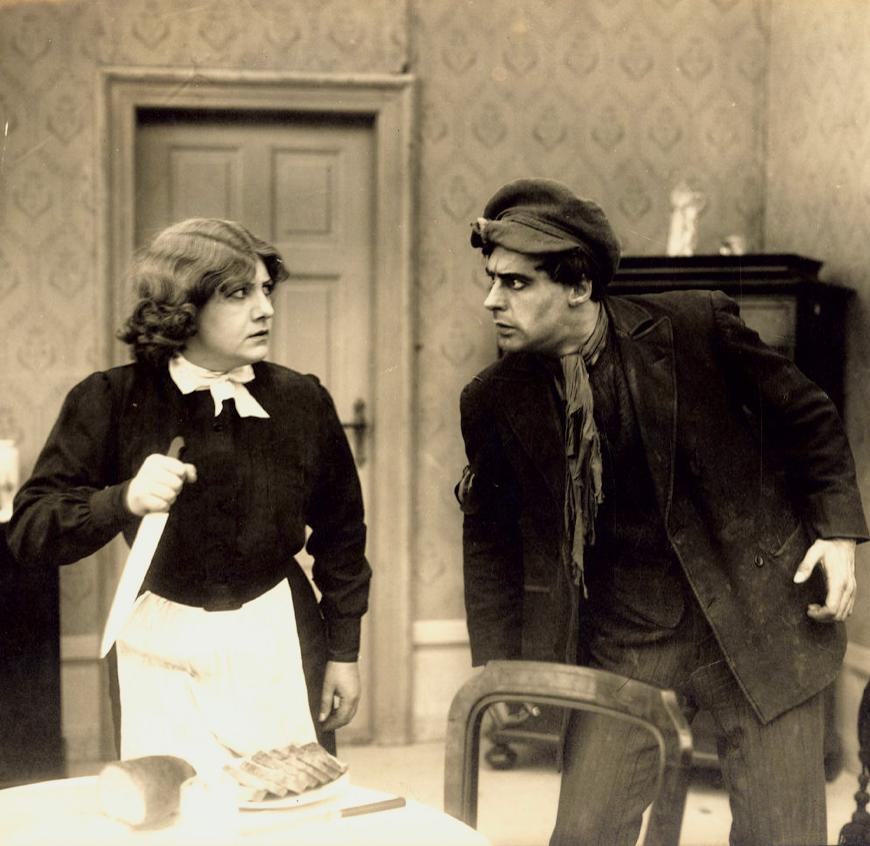
Stepping into the world of early 20th-century Danish cinema is often an exercise in uncovering forgotten gems, and Syndens datter, or 'The Daughter of Sin,' is no exception. This 1914 melodrama, penned by the prolific Agnete von Prangen, offers a compelling glimpse into the moral complexities and societal anxieties of its era, delivering a narrative that, despite its age, still resonates with a profound emotional depth. It’s a film that speaks in the grand, expressive language of silent cinema, where every gesture, every flicker of an eye, and every carefully composed frame carries the weight of unspoken dialogue and simmering internal conflict. As critics, we often seek out films that challenge, entertain, or provoke, but sometimes, the greatest reward lies in discovering a work that simply understands the human condition, even through the lens of a century-old melodrama.
The core of Syndens datter revolves around a narrative device as old as storytelling itself: the sudden revelation of a hidden past. Our protagonist, Gerd, portrayed with an understated grace by Johanne Krum-Hunderup, is a young woman on the cusp of adulthood, living a life of quiet contentment in the care of her adoptive shoemaker father. Her existence is one of modest means but, crucially, of stability and affection. The film meticulously establishes this idyllic, if humble, foundation, making the subsequent upheaval all the more impactful. We see Gerd as a figure of innocence and burgeoning strength, a character whose moral compass has been set true by her simple upbringing. This initial portrayal is crucial, as it provides a stark contrast to the tumultuous world she is about to enter, a world burdened by the sins and secrets of a wealthy, powerful family.
The catalyst for this dramatic shift arrives in the form of a posthumous decree. A dead uncle, driven by a profound, deathbed desire for atonement, reveals a truth that shatters Gerd's understanding of her own identity: she is the unacknowledged daughter of his deceased brother. This revelation isn't merely a plot twist; it's a moral earthquake, shaking the foundations of several lives. The concept of 'sins of the father' is literally embodied in Gerd, whose very existence is a testament to a past transgression. The uncle's wish to integrate Gerd into her biological family isn't just about providing her with wealth; it's an attempt to cleanse a stain on the family's honor, to rectify a wrong that has festered for years. This theme of posthumous atonement is particularly potent, suggesting that even beyond the grave, the weight of conscience can compel actions that reshape the lives of the living. It’s a fascinating exploration of guilt, responsibility, and the enduring power of family lineage, even when shrouded in secrecy.
Gerd's transition from the shoemaker's humble abode to the opulent mansion of her biological relatives is handled with a keen eye for social commentary. The film doesn't merely present this as a change of scenery; it underscores the profound cultural and psychological adjustments required of her. Suddenly, she is thrust into a world of etiquette, expectations, and unspoken judgments. The contrast between her simple, honest upbringing and the complex, often superficial, world of the wealthy is a central tension. How does one navigate such a dramatic shift in identity? How does one reconcile the person they believed themselves to be with the person society now insists they are? This narrative arc, of an individual discovering a hidden, aristocratic lineage, echoes timeless literary themes found in works like Charlotte Brontë's Jane Eyre, where the protagonist's true heritage is revealed only after a journey of self-discovery and moral fortitude. Both narratives explore the inherent dignity of the individual, regardless of their social standing, and the eventual triumph of truth over concealed histories.
The performances in Syndens datter are quintessential silent film acting, relying heavily on exaggerated gestures, expressive facial work, and a palpable sense of internal drama. Johanne Krum-Hunderup, as Gerd, manages to convey a remarkable range of emotions without uttering a single word. Her initial bewilderment, her quiet struggle for acceptance, and her eventual blossoming into her new role are all communicated through subtle shifts in posture and the intensity of her gaze. The supporting cast, including Johannes Ring and Hugo Bruun, embody the various facets of the wealthy family – some welcoming, others suspicious or even resentful of Gerd's sudden appearance. These characters, though perhaps archetypal, serve to deepen the dramatic conflict, illustrating the diverse reactions to this unexpected heir. The film’s strength lies in its ability to make these grand, theatrical performances feel genuinely human, drawing the audience into the emotional maelstrom experienced by the characters.
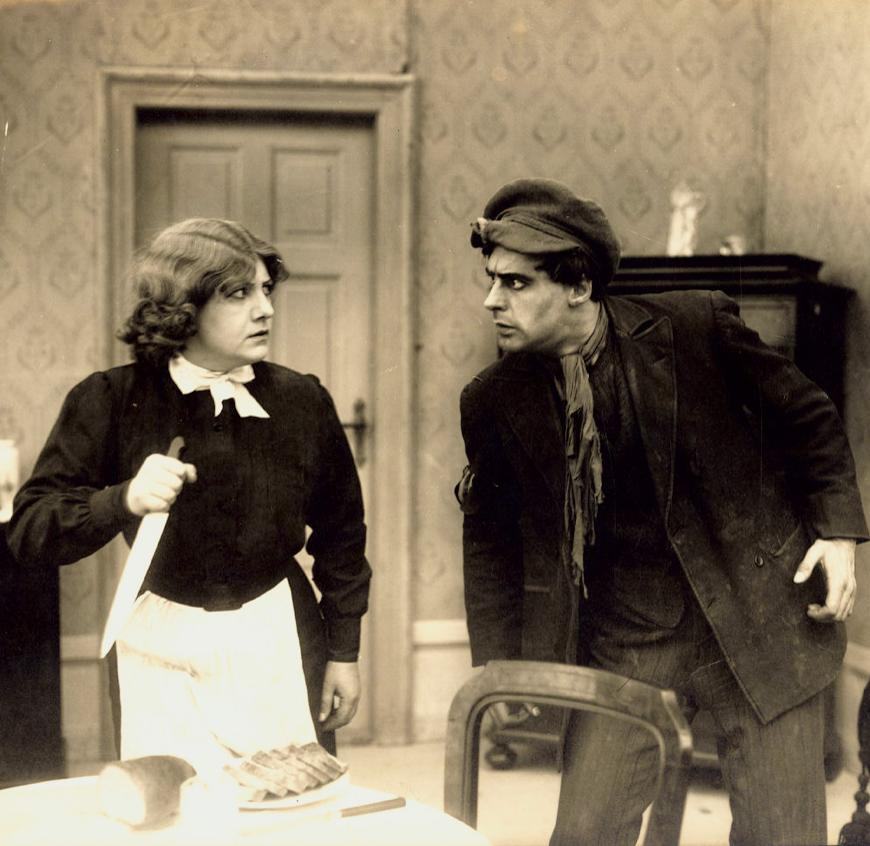
Cinematically, Syndens datter showcases the evolving artistry of early 20th-century filmmaking. While specific directorial credits are often obscured in films of this period, the visual storytelling is remarkably effective. The use of intertitles is judicious, providing necessary exposition without overwhelming the visual narrative. The camera work, though largely static by modern standards, is expertly composed, framing scenes to emphasize emotional impact and character relationships. The contrast between the dark, intimate interiors of the shoemaker's home and the grand, sometimes overwhelming, spaces of the mansion is visually striking, reinforcing the thematic tension between social classes. The lighting, too, plays a crucial role, often highlighting the faces of characters during moments of intense emotion, drawing the viewer's eye to their inner turmoil. This meticulous attention to visual detail demonstrates a sophisticated understanding of how to convey complex ideas and feelings in a medium still in its relative infancy. It's a masterclass in silent film aesthetics, where every visual element is a deliberate choice designed to enhance the narrative's emotional resonance.
Agnete von Prangen's screenplay is particularly noteworthy. As a prominent writer of her time, she understood the mechanics of melodrama inside and out, crafting a story that skillfully balances moments of high drama with quieter, more reflective passages. Her characters, though operating within the conventions of the genre, possess a certain psychological realism that elevates them beyond mere archetypes. The motivations of the deceased brother, for instance, are not simply presented as a plot device; they speak to a deeper human need for reconciliation and peace, even after death. This nuanced approach to character development, coupled with a well-paced plot, ensures that the film maintains its grip on the audience from beginning to end. Von Prangen’s work here, much like in other contemporary melodramas, highlights the genre's capacity to explore profound moral questions and societal injustices through engaging, character-driven narratives.
The enduring appeal of films like Syndens datter lies in their ability to tap into universal human experiences. The themes of identity, belonging, family secrets, and the quest for redemption are timeless. Who hasn't, at some point, wondered about their true origins or grappled with the weight of familial expectations? The film’s exploration of how one's past can dictate their present and future is particularly poignant. It serves as a powerful reminder that even in an age of rapid technological advancement and societal change, the fundamental human dramas remain constant. The film doesn't offer easy answers; instead, it invites contemplation on the nature of forgiveness, the complexities of moral responsibility, and the often-unforeseen consequences of our actions, both individual and collective. This ability to provoke thought and stir emotion, a century after its release, is a testament to its enduring artistic merit and its status as a vital piece of cinematic heritage.
When considering Syndens datter within the broader context of silent cinema, it stands as a strong example of the Danish contribution to the art form. While perhaps not as widely known as some of its European counterparts, Danish cinema of this period produced a wealth of compelling narratives, often characterized by their psychological depth and dramatic intensity. Comparing it to another film that deals with hidden pasts and convoluted family dynamics, such as The Intrigue, one can appreciate the diverse approaches to similar themes. While The Intrigue might lean more into the suspenseful aspects of uncovering secrets, Syndens datter maintains a focus on the emotional and moral ramifications. Similarly, other melodramas of the era like Destiny's Toy often play with the fickle hand of fate, but Syndens datter grounds its dramatic flourishes in a more profound exploration of ethical responsibility and the enduring quest for peace through atonement. The film's measured pace and deliberate character development allow these weighty themes to unfold with a gravitas that is both compelling and deeply moving.
In conclusion, Syndens datter is far more than a historical curiosity; it is a powerful, emotionally resonant film that explores timeless themes with grace and dramatic flair. Its narrative of a young woman's journey from humble obscurity to a life of unexpected wealth, shadowed by a family's buried sin, is both captivating and thought-provoking. The film’s masterful use of silent storytelling, compelling performances, and sophisticated thematic exploration solidifies its place as a significant work in the canon of early cinema. It reminds us that the human heart, with all its desires for truth and redemption, beats just as strongly in the silent shadows of the past as it does in the vibrant glare of the present. For those willing to immerse themselves in its rich tapestry of emotion and moral inquiry, Syndens datter offers a deeply rewarding cinematic experience, a testament to the enduring power of storytelling to illuminate the complexities of the human spirit.

IMDb 6.5
1926
Community
Log in to comment.