Summary
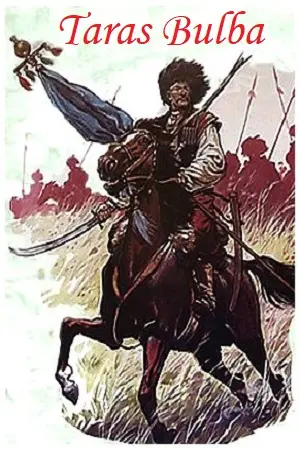
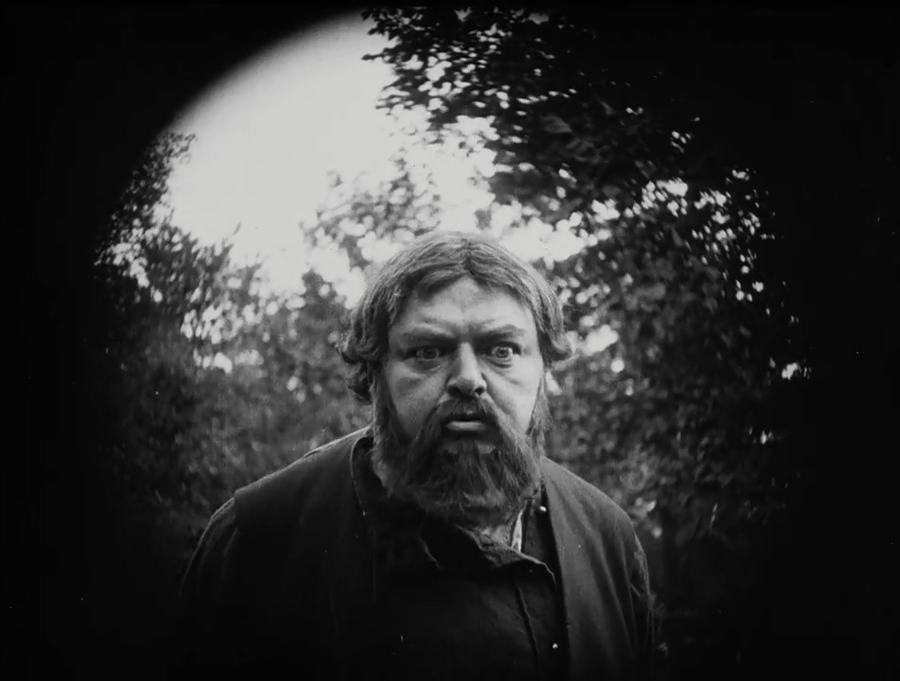
Vladimir Strizhevsky's cinematic rendering of Nikolay Gogol's epic saga, "Taras Bulba," plunges viewers into the tumultuous 16th-century Cossack heartland, a crucible of fierce nationalism and familial strife. The narrative unfurls with the formidable Cossack chieftain, Taras Bulba, a man forged in the fires of battle and unwavering loyalty to his people, sending his two sons, the stoic Ostap and the more sensitive Andriy, to a Kyiv seminary. Their return heralds not domestic tranquility, but a swift initiation into the brutal realities of war against the encroaching Polish gentry. Taras, a patriarch of formidable will, orchestrates their baptism by fire, compelling them into the thick of skirmishes. However, the younger son, Andriy, succumbs to a forbidden passion for a Polish noblewoman, a siren call that tragically severs his allegiance to kin and country, propelling him into an act of profound betrayal. This defection sets the stage for an inevitable, agonizing confrontation, wherein Taras himself is forced to execute his beloved, wayward son. The elder son, Ostap, remains steadfast, a paragon of Cossack virtue, but is ultimately captured and subjected to a gruesome public execution. Driven by an unquenchable thirst for vengeance, Taras embarks on a relentless campaign of retribution, his fury a tempest against the Polish forces, until he, too, is cornered, captured, and meets a fiery, defiant end, his spirit unbowed even in immolation. The film thus paints a vivid, albeit somber, tableau of uncompromising honor, devastating betrayal, and the unyielding, often brutal, cost of freedom and identity.
Review Excerpt
"
Stepping into the world of Vladimir Strizhevsky's 1924 adaptation of Nikolay Gogol's monumental 'Taras Bulba' is akin to unearthing a forgotten, yet profoundly resonant, artifact from cinema's nascent years. This silent epic, a sprawling canvas of fervent nationalism, familial devotion, and devastating betrayal, transcends its technical limitations to deliver an emotional punch that reverberates even a century later. It's a testament to the raw power of visual storytelling, a medium still f..."