DbcultAccessing Vault...
Cult Review
Senior Film Conservator
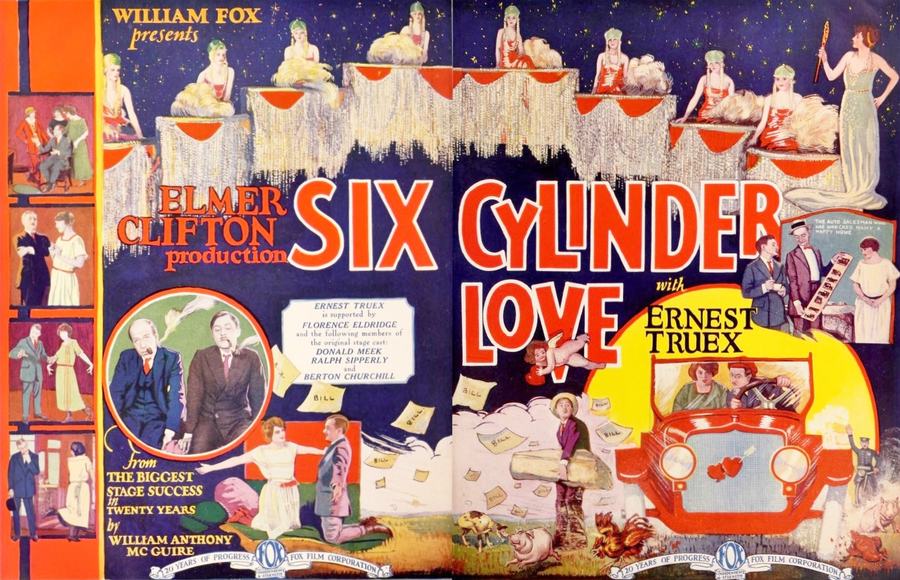
In the pantheon of 1920s cinema, few films capture the manic energy of the post-war economic boom with as much cynical precision as Six Cylinder Love. While contemporary audiences might view the automobile as a mundane necessity, this 1923 gem treats the car as a predatory entity, a gleaming chrome idol that demands the complete annihilation of the domestic sphere. The film eschews the typical melodrama found in works like Broken Fetters, opting instead for a biting social satire that feels uncomfortably relevant in our modern era of credit-fueled ostentation.
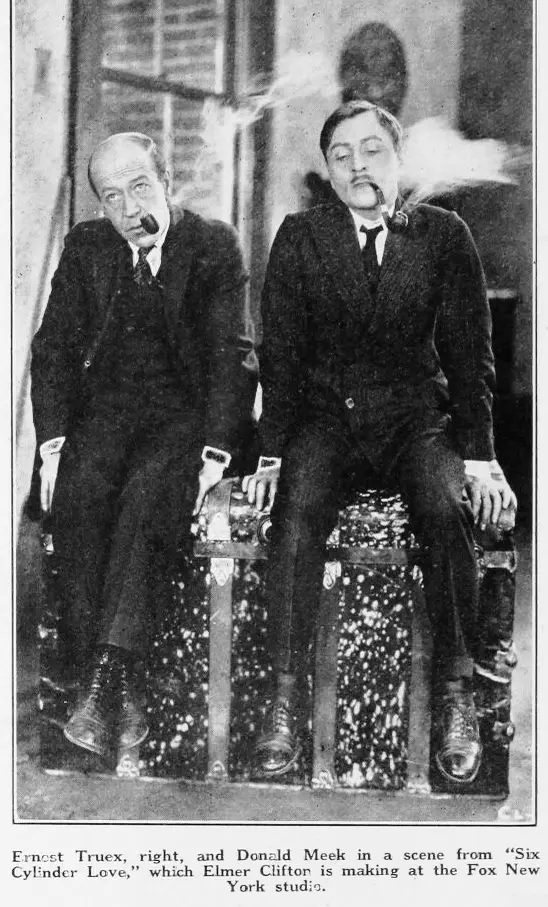
The screenplay, crafted by the formidable trio of Ralph Spence, William Anthony McGuire, and Carl Stearns Clancy, doesn't merely tell a story of bad luck; it maps the psychological disintegration of the American Everyman. Ernest Truex delivers a performance of twitchy, neurotic brilliance, personifying the desperation of a man caught between his modest means and the gargantuan expectations of his social circle. Unlike the rugged individualism found in Out of the Dust, the characters here are trapped within the suffocating confines of suburban etiquette and the relentless pressure to perform prosperity.
The brilliance of the narrative structure lies in its repetitive, almost ritualistic nature. We witness the Burtons succumb to the siren song of the six-cylinder beast, their happiness evaporating as the costs of upkeep and social climbing mount. When they are finally stripped of their dignity and their bank accounts, the car doesn't vanish; it simply migrates to the Sterlings. This transition highlights a systemic rot—the idea that the American dream is a hot potato of debt passed from one hopeful victim to the next. It shares a certain thematic DNA with The Spendthrift, yet it trades that film's moralizing tone for a more sophisticated, observational wit.
"The car is not a vehicle for transport, but a vessel for the ego, leaking oil and dignity in equal measure."
The cinematography captures this descent with a starkness that belies the film's comedic label. The car is often framed as a looming presence, its headlights resembling the eyes of a judgmental deity. The direction emphasizes the claustrophobia of the interior spaces—apartments that feel smaller and more fragile as the car outside grows in symbolic importance. This visual storytelling is far more nuanced than the straightforward action of The Vanishing Dagger or the broad strokes of Cactus Crandall.
The ensemble cast is a masterclass in silent era character acting. Maude Hill provides a grounded, poignant counterpoint to the mounting absurdity, while Thomas Mitchell—years before his legendary turns in the sound era—shows early signs of the gravitas that would make him a household name. There is a palpable sense of exhaustion in their performances; they aren't just playing characters, they are playing the victims of a culture that values the shine of a chassis over the stability of a home. This depth of characterization is what elevates Six Cylinder Love above contemporary trifles like The Ballet Girl or the sentimentality of When Baby Forgot.
Berton Churchill and Donald Meek round out the cast with impeccable timing, navigating the shifts between farce and tragedy with ease. The film manages to avoid the saccharine pitfalls of The Parish Priest, maintaining a jagged edge that cuts through the polite veneer of 1920s society. It is a film that understands the inherent cruelty of the class ladder, much like the social critiques found in Within Our Gates, though it approaches the subject with a smirk rather than a scream.
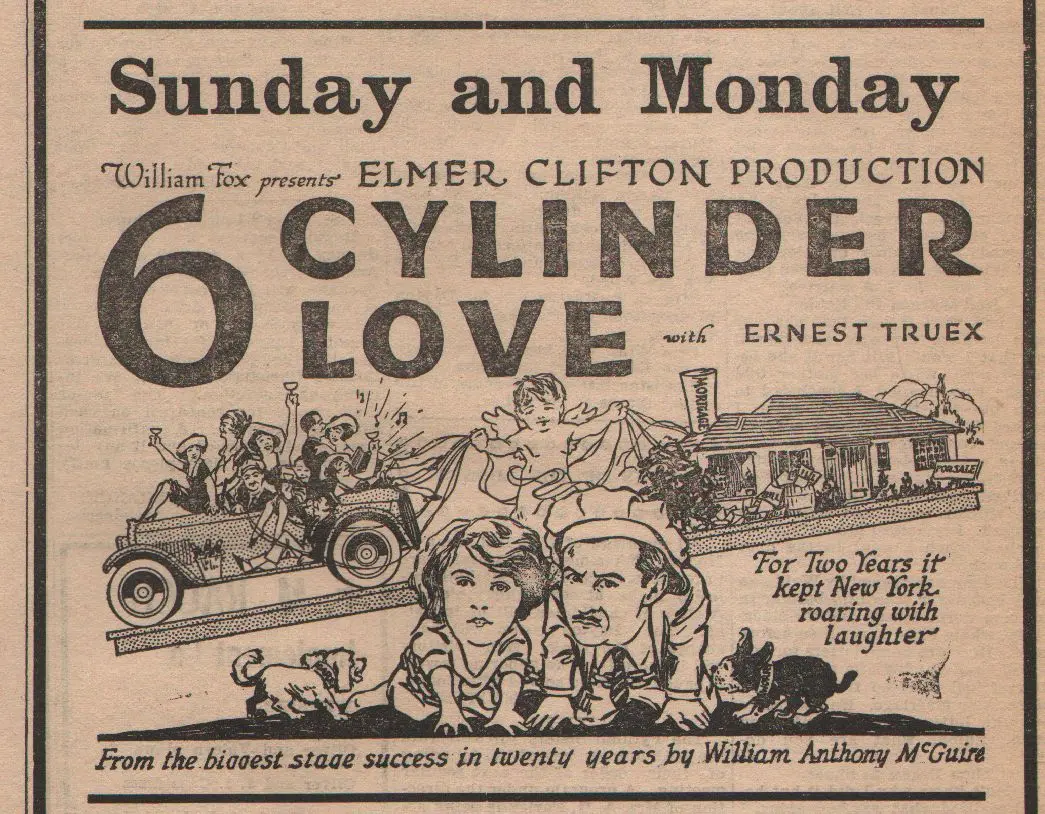
The final act of the film is where its true radicalism emerges. After the Burtons and Sterlings have been thoroughly chewed up and spat out by the machinery of capitalism, the car is purchased by the apartment's janitor. This is not a moment of triumph for the working class, but rather a bitter punchline. It suggests that the cycle of consumption is inescapable; the janitor is merely the next in line to be consumed by the maintenance costs and the illusory status the car provides. It is a far more sophisticated ending than the resolution of The Clown or the heroic beats of Krasnye dyavolyata.
In terms of technical execution, the film utilizes intertitles with a rhythmic grace that keeps the pacing brisk without sacrificing the weight of its themes. The editing by the uncredited cutters of the era demonstrates a keen understanding of comedic timing, often using quick cuts to highlight the contrast between the characters' lofty ambitions and their dismal reality. It lacks the surrealist flair of Più forte del destino, but it replaces that with a grounded, visceral authenticity that makes the financial stakes feel terrifyingly real.
To watch Six Cylinder Love today is to look into a mirror that hasn't aged a day. While the cars have changed—from six cylinders to electric motors—the fundamental human desire to define oneself through the ownership of a complex machine remains unchanged. The film stands as a towering achievement of the silent era, a work that uses humor to mask a profound anxiety about the direction of the modern world. It is as essential as The Midnight Man for those seeking to understand the darker undercurrents of early 20th-century cinema.
Ultimately, the film asks a question that few movies of its time dared to pose: at what point does the object we own begin to own us? By the time the credits roll, the answer is painfully clear. The families are "broke and beginning anew," but the car remains, waiting for its next victim. It is a relentless, brilliant, and deeply human piece of filmmaking that deserves a place in the upper echelon of social satires. It captures the "weaker sex" of the human spirit—not in gender, but in our collective inability to resist the glitter of the new, a theme explored differently in The Weaker Sex but with no less urgency. Even compared to the high-stakes gambling of The Highest Trump, the stakes in this film feel more intimate and therefore more devastating.

IMDb 7.6
1911
Community
Log in to comment.