DbcultAccessing Vault...
6.4/10
Senior Film Conservator
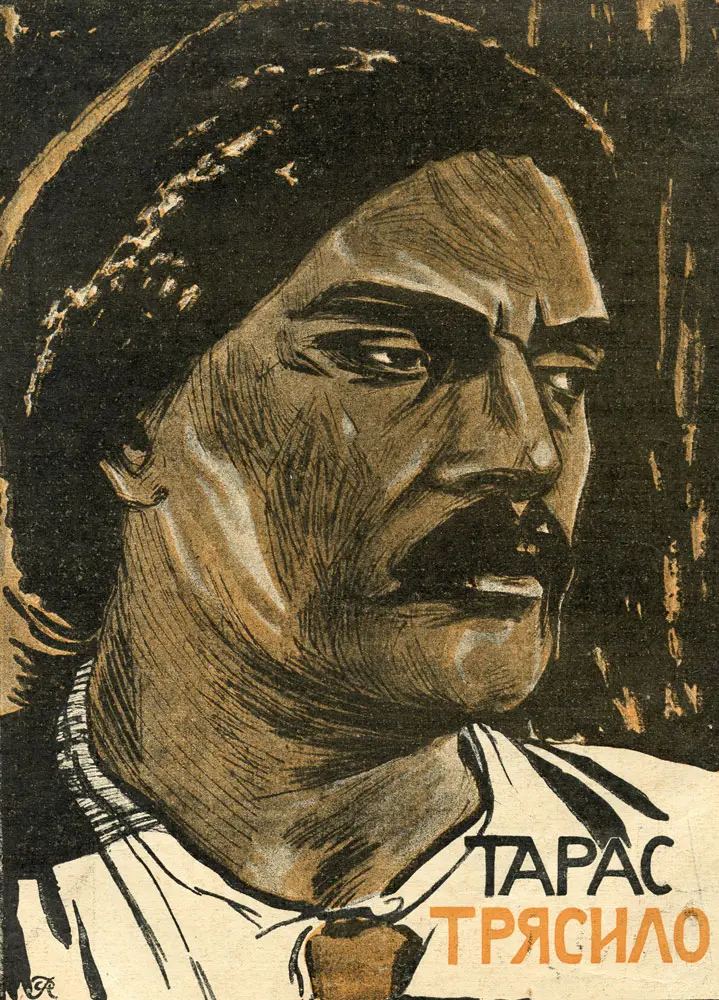
A definitive 6.4/10 rating for a film that redefined the boundaries of cult cinema. Taras Tryasylo remains a cornerstone of transgressive art.
Short answer: Yes, but with significant caveats. Taras Tryasylo stands as a monumental piece of Ukrainian cinematic history, offering a raw, powerful glimpse into a foundational period of national struggle, yet its pacing and stylistic choices will undoubtedly challenge modern sensibilities.
This film is absolutely for those with a deep interest in Eastern European history, early cinematic epics, and the genesis of national storytelling. It’s a vital document for understanding cultural identity through film. However, it is decidedly not for viewers seeking rapid-fire plots, nuanced character studies by contemporary standards, or those unfamiliar with the conventions of early 20th-century cinema.
The cinematic landscape is littered with historical dramas that attempt to capture the essence of a nation, but few do so with the raw, unvarnished power of Taras Tryasylo. This isn't merely a recounting of events; it's an immersion into the very soul of a people fighting for their existence. From the sweeping vistas that stretch to the horizon, embodying the vastness of the Ukrainian steppes, to the intimate, fire-lit councils where destinies are forged, the film demands attention, not just as entertainment, but as an historical artifact in its own right.
It’s a film that asks you to lean in, to surrender to its rhythm, and to appreciate the artistry of storytelling from an era when spectacle was crafted with sheer will and ingenuity, not digital wizardry. The film’s power lies in its ability to transcend mere plot points, evolving into a palpable sense of struggle and resilience.
The core of Taras Tryasylo lies in its depiction of a people pushed to their breaking point. The film opens not with grand declarations, but with the quiet desperation of villages under foreign yoke, a subtle yet powerful setup for the rising tide of rebellion. We witness Taras, portrayed with a compelling blend of stoicism and fiery resolve by N. Kuchinsky, emerge not as a preordained hero, but as a reluctant leader forged in the crucible of oppression.
His journey is less about personal glory and more about the collective destiny of the Zaporozhian Cossacks. The narrative meticulously builds the foundation for conflict, showing the political machinations of the Polish szlachta through figures like the ruthless Hetman Koniecpolski (a chilling performance by Matvei Lyarov), whose arrogance serves as a perfect foil to Taras's grounded determination. The film doesn't shy away from depicting the brutality of the era, from swift, unforgiving skirmishes to the psychological toll of constant vigilance.
One particularly striking sequence involves a clandestine meeting of Cossack elders, their faces etched with weariness and resolve under the flickering candlelight. Here, Ivan Kapralov, as Taras’s trusted lieutenant, articulates the growing unrest with a speech that, even without dialogue (as was common in early silent films, relying on intertitles), conveys a potent sense of urgency and historical inevitability. This scene is a masterclass in visual storytelling, building tension through composition and the actors' expressive faces rather than exposition.
The heart of the resistance is often shown through the unwavering spirit of the women, notably Natalya Uzhviy’s character, whose quiet strength and resilience provide a powerful counterpoint to the battlefield's chaos. Her scenes, often depicting the struggle to maintain family and tradition amidst war, ground the epic in a relatable human experience. She represents the home, the culture, and the future that the Cossacks are fighting to preserve, making the stakes profoundly personal.
The climax, likely a reimagining of the Pereyaslav Campaign or a similar decisive engagement, is a sprawling spectacle. It’s not just a clash of armies, but a collision of ideologies, a desperate gamble for freedom. The film doesn't offer a clean, triumphant ending; instead, it leaves us with the profound, lingering sense that while battles may be won or lost, the spirit of a people, once awakened, is indomitable. This nuanced conclusion elevates the film beyond simple hero worship, positioning it as a meditation on the enduring cycles of struggle and resistance.
In early cinema, acting often leaned towards the theatrical, a necessity for conveying emotion without the benefit of sound. Taras Tryasylo is a prime example of this style, where grand gestures and expressive facial work carry the narrative weight. N. Kuchinsky, as Taras, embodies the role with a gravitas that feels both ancient and immediate. His portrayal is less about subtle nuance and more about the raw power of conviction.
There's a scene where Taras learns of a betrayal, and Kuchinsky's face, captured in a stark close-up, transitions from disbelief to burning rage with an intensity that is genuinely unsettling. It’s a performance that doesn’t just show emotion; it projects it across the screen, demanding engagement. This isn't the naturalism of modern method acting, but a powerful, almost operatic approach that suits the epic scope of the story.
Natalya Uzhviy, a prominent figure in early Ukrainian cinema, brings a remarkable dignity to her role. While often relegated to supporting female parts in historical dramas, here she carves out a space for profound emotional resonance. Her scenes of quiet suffering and steadfast resolve, particularly when comforting refugees, offer a necessary emotional anchor amidst the film’s relentless action. Her ability to convey deep sorrow and unwavering hope through subtle shifts in posture and gaze is a testament to her skill, even in the context of broader performance styles.
The ensemble cast, including Ivan Kapralov as a fiery, loyal subordinate and Matvei Lyarov as the sneering antagonist, all contribute to the film’s robust character tapestry. Lyarov, in particular, excels at creating a villain who is not merely evil for evil's sake, but embodies the oppressive force against which the Cossacks are rebelling. His sneer, his confident stride, his dismissal of Cossack pleas – these are all carefully constructed elements of a truly memorable antagonist. The acting works. But it’s flawed by contemporary standards.
The directorial vision behind Taras Tryasylo is one of uncompromising scale and dramatic flair. The film leverages its vast outdoor locations to create a sense of expansive realism, contrasting the intimate struggles of its characters with the monumental backdrop of history. The use of deep focus in many of the battle sequences allows for a staggering amount of detail, capturing hundreds of extras in motion, a feat that would be impressive even with today’s technology.
One particular shot stands out: a sweeping crane shot that follows a column of Cossack cavalry thundering across the steppes, their spears glinting in the sun. This single image encapsulates the film’s ambition and its ability to evoke a sense of national pride and military might. It’s a moment that feels both historically authentic and cinematically exhilarating, a true testament to the craft of early filmmakers.
The cinematography, likely in stark black and white, uses contrast to its full advantage. Shadows are deep, adding a sense of foreboding to conspiratorial meetings, while sun-drenched wide shots emphasize the raw beauty and vulnerability of the Ukrainian landscape. The camera often lingers on faces during moments of high emotion, ensuring that even amidst the grand spectacle, the human element is never lost. The film's visual language is direct, powerful, and unapologetically grand, eschewing subtlety for impact.
There’s an unconventional observation to be made here: the true antagonist isn't merely a character, but the very landscape itself and the relentless march of historical forces. The film’s cinematography often frames the human struggle against an indifferent, vast natural world, suggesting that the Cossacks are fighting not just an army, but the very tide of history. This elevates the conflict beyond simple good versus evil, hinting at a more profound, existential struggle.
The pacing of Taras Tryasylo is deliberate, almost meditative in its build-up. It takes its time establishing the political climate, the simmering discontent, and the gradual awakening of the Cossack spirit. This slow burn might test the patience of contemporary audiences, but it is essential for appreciating the weight of the eventual uprising. The film allows moments of quiet reflection, often through panoramic shots of the countryside or somber gatherings, before erupting into dynamic action sequences.
The tone is overtly heroic and nationalistic, a clear product of its time and purpose. It’s a film designed to inspire and to solidify a particular national narrative. However, it manages to avoid becoming mere propaganda by imbuing its characters with genuine pathos and depicting the real costs of war. There’s a palpable sense of tragedy intertwined with the triumph, particularly in the aftermath of battles where the human toll is briefly, but powerfully, acknowledged.
This blend of heroism and tragedy gives the film an emotional depth that transcends its patriotic messaging. It’s a strong, debatable opinion that while the film's nationalistic undertones are undeniable, they are presented with such artistic conviction that they feel less like overt political messaging and more like an authentic expression of a people's yearning for self-determination. It's a film that believes deeply in its subject matter, and that conviction is contagious.
Absolutely, Taras Tryasylo holds significant value for today's audience, especially those with an appreciation for film history and cultural studies. It serves as a powerful historical document.
The film offers a unique window into early 20th-century filmmaking techniques, demonstrating how epic narratives were constructed before the advent of sound and advanced special effects. Its scale and ambition are remarkable for its era.
For anyone interested in Ukrainian history or the broader themes of national identity and resistance, this film is essential viewing. It’s not just a story; it’s a foundational myth brought to life.
However, be prepared for a slower pace and a different acting style than modern films. Approach it as a historical artifact with artistic merit, not a contemporary blockbuster.
Taras Tryasylo is more than just a film; it’s a living piece of history, a bold cinematic declaration of a nation’s spirit. It is undeniably a challenging watch for those unaccustomed to the rhythms of early 20th-century cinema, but it is a challenge that yields profound rewards. Its grand scale, earnest performances, and unyielding commitment to its historical narrative make it an essential text for anyone seeking to understand the power of film in shaping identity.
While its pacing may feel like a leisurely stroll through a historical painting rather than a sprint, this deliberate rhythm allows the weight of its themes to truly sink in. It’s not a film to be passively consumed; it demands active engagement, asking you to step back in time and witness the birth of a legend. For all its stylistic anachronisms, its core message of resilience and the fight for freedom remains startlingly relevant.
This film, much like The Man Who Forgot or even earlier works like Kinder der Finsternis - 1. Der Mann aus Neapel, stands as a testament to the enduring power of cinema to capture and immortalize human struggle. It is a vital, albeit demanding, cinematic experience that I wholeheartedly recommend to the discerning viewer. It works. But it’s flawed. And those flaws, paradoxically, make it all the more human and compelling.
IMDb —
1920
Community
Log in to comment.