DbcultAccessing Vault...
6/10
Senior Film Conservator
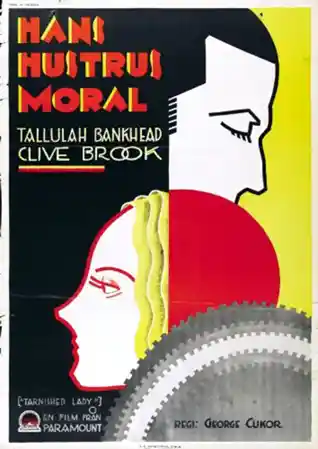
A definitive 6/10 rating for a film that redefined the boundaries of cult cinema. Tarnished Lady remains a cornerstone of transgressive art.
Okay, so Tarnished Lady. If you're into the wild ride that was Pre-Code Hollywood, or just really, *really* dig Tallulah Bankhead, then yeah, give this a spin. It’s not exactly a “must-see” for everyone, mind you. Folks expecting some fast-paced, modern drama will probably find it a bit slow, maybe even a little stiff in places. But for a glimpse into how movies talked about money and marriage back in 1931? It's pretty fascinating. ✨
Tallulah. *That voice*. It’s like a rusty cello and a silk scarf all at once, isn’t it? She absolutely owns the screen, even when the plot feels a little… familiar. Her character, Nancy Courtney, is forced into this marriage of convenience. You really feel the weight of it, the kind of societal pressure that seems so distant now but was *very* real back then.
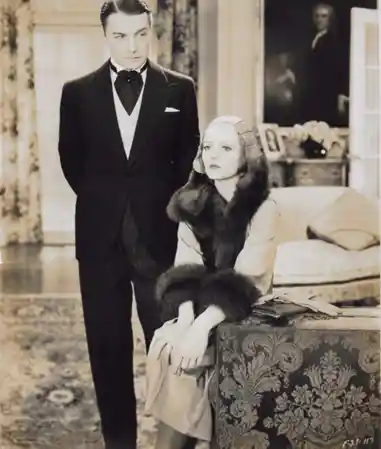
The scene where she first meets the wealthy financier she’s supposed to marry, Mr. Sterner (Berton Churchill)? It’s not romantic. It’s a business deal, laid bare. No frills. That’s the **Pre-Code punch** right there, no sugar-coating. She just sort of accepts her fate, almost with a shrug.
And the way she moves, too. A bit languid, a bit weary, but always with this underlying sharpness. She’s definitely not a shrinking violet. You can see her trying to maintain appearances, often with a forced smile that doesn't quite reach her eyes.
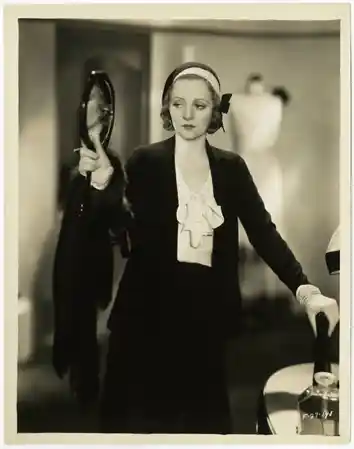
Some of the dialogue, you gotta listen close. There are lines in here that would never fly a few years later when the Code really clamped down. Like, *really* wouldn't fly. There's a frankness about money and desire that just disappears from films for decades.
George Cukor directs it, and you can see flashes of his touch, especially in how the women are framed. But it's early Cukor, and early sound, so sometimes it feels a little… almost stagey. The camera stays put a lot, you know? Like it’s just capturing a play.
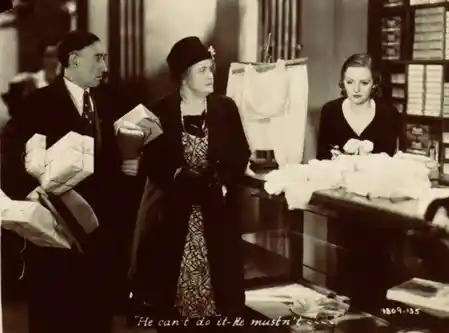
There's a moment, I think it’s when she’s trying to restart her life, and she’s just so tired. Not melodramatic tired, just *bone tired*. It really got me. You can see the exhaustion on her face after everything she’s been through. 😔
And the ending. It's not a neat bow. It’s… **messy**, in a good way. It leaves you thinking about what “happily ever after” even means when you’ve made such huge compromises. There's a bittersweet quality to it all.
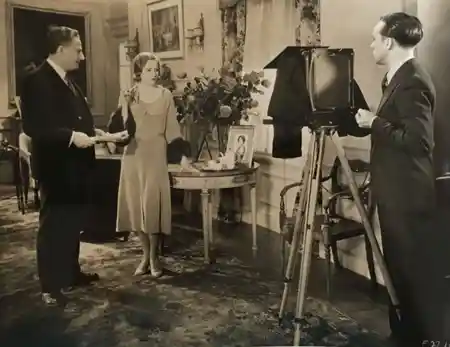
The whole thing has this kind of melancholic air. Not depressing, but thoughtful. It’s about choices, and the consequences of them, and how sometimes there are no *good* choices, just less bad ones. It makes you wonder, what would you do?
The side characters aren’t super memorable, to be honest. They’re mostly there to react to Nancy or drive her story forward. Except maybe Osgood Perkins, he has a certain *something* even in a small role. You can tell he’s got a bit of a spark.
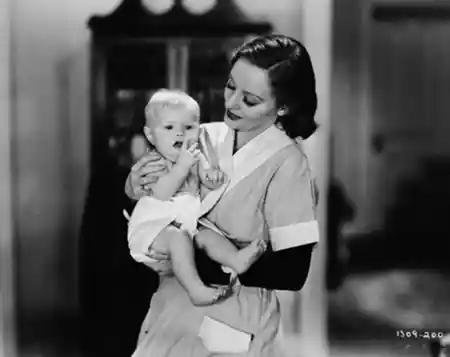
The close-ups on Bankhead’s face, especially when she’s just *thinking*, are great. She can convey a whole novel with just a glance. It's really her show from start to finish. Her presence just fills the screen.
The sets feel opulent but also a little suffocating sometimes. Like the wealth itself is a kind of cage, not freedom. It sort of traps Nancy more than it liberates her. 💸
IMDb —
1926
Community
Log in to comment.