DbcultAccessing Vault...
6.3/10
Senior Film Conservator
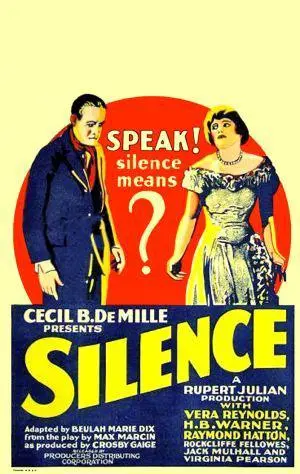
A definitive 6.3/10 rating for a film that redefined the boundaries of cult cinema. Silence remains a cornerstone of transgressive art.
Is Silence (1926) a forgotten relic or a timeless exploration of paternal sacrifice? Short answer: Yes, it is a essential viewing for those who can stomach the melodramatic intensity of the pre-code era. This film is for viewers who appreciate the 'noble criminal' archetype and the slow-burn tension of a domestic thriller; it is not for those who demand fast-paced action or a happy, neatly-tied ending.
1) This film works because H.B. Warner delivers a performance of such internalised agony that the lack of spoken dialogue feels like a stylistic choice rather than a technological limitation. 2) This film fails because the inciting incident—the 'legal flaw' in the marriage papers—is a transparently thin plot device used to force a tragedy that might have been avoided with a simple conversation. 3) You should watch it if you want to see how silent cinema used lighting and facial expressions to convey complex legal and moral dilemmas that modern films often over-explain with dialogue.
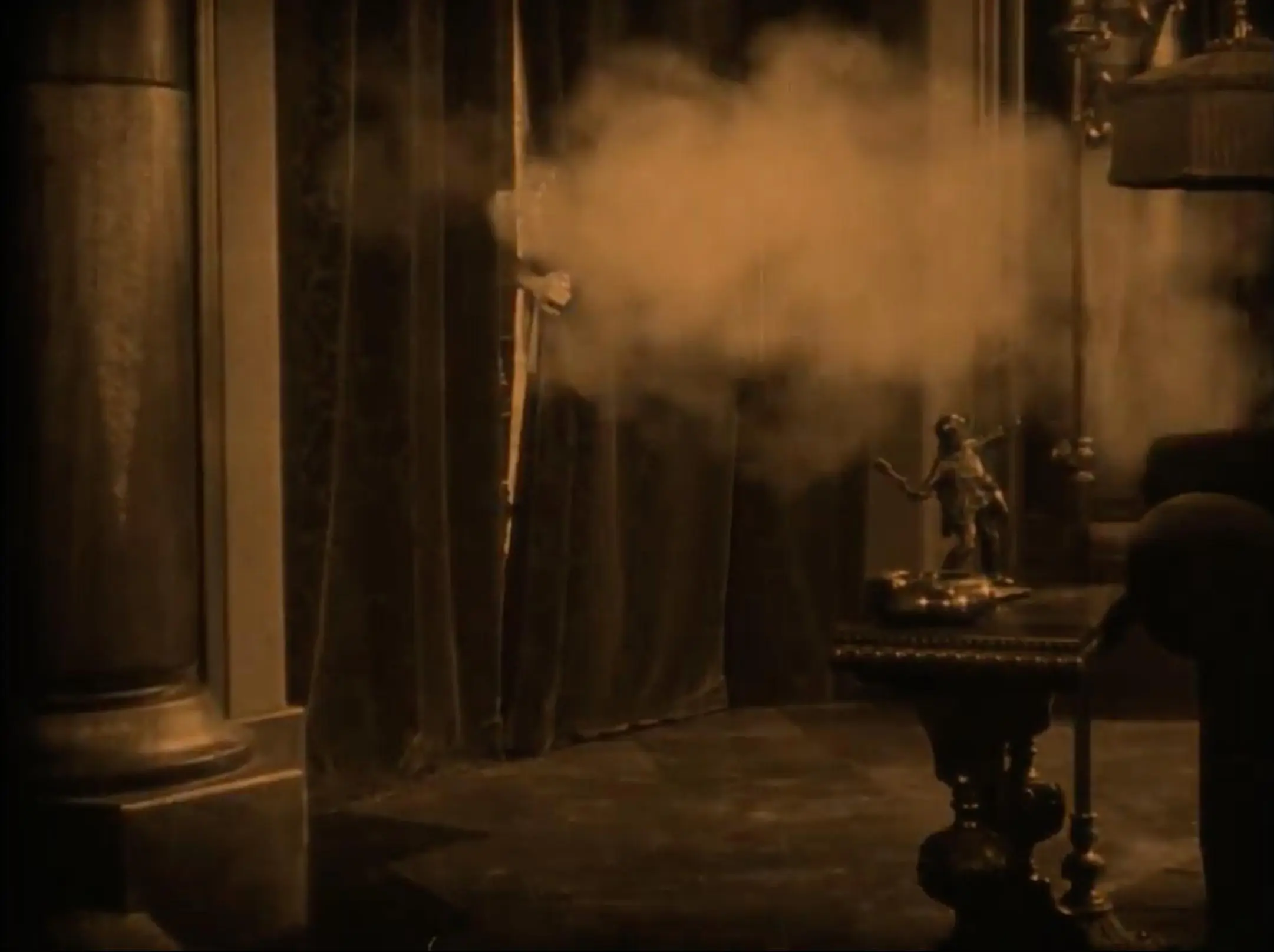
Silence is not a film that deals in subtlety. It deals in the crushing weight of fate. The plot, penned by Beulah Marie Dix and her collaborators, is a clockwork machine designed to break its protagonist. We see Jim Warren, played with a weary gravitas by H.B. Warner, attempting to do the right thing through the wrong means. When he hands Norma that stolen money, the camera lingers on the bills with a sense of dread. It’s a classic trope, but director Max Marcin treats it with the gravity of a Shakespearean tragedy. The lighting in the subsequent arrest scene is particularly effective; the shadows of the prison bars are projected onto Norma’s face long before she ever steps inside a cell, a visual foreshadowing of the entrapment that defines her life.
The film’s structure is ambitious for 1926. It spans years, moving from the gritty desperation of Jim’s early criminal life to the polished, albeit precarious, upper-class world Norma eventually inhabits. This transition is handled with a sophistication often missing from contemporaries like The House of Toys. While other films of the era might have relied on title cards to explain the passage of time, Silence uses the physical aging of its characters and the shifting architectural styles to tell the story. Jim’s descent into obscurity while Norma rises in social status is a bitter pill, and the film doesn't sugarcoat the unfairness of their divergent paths.
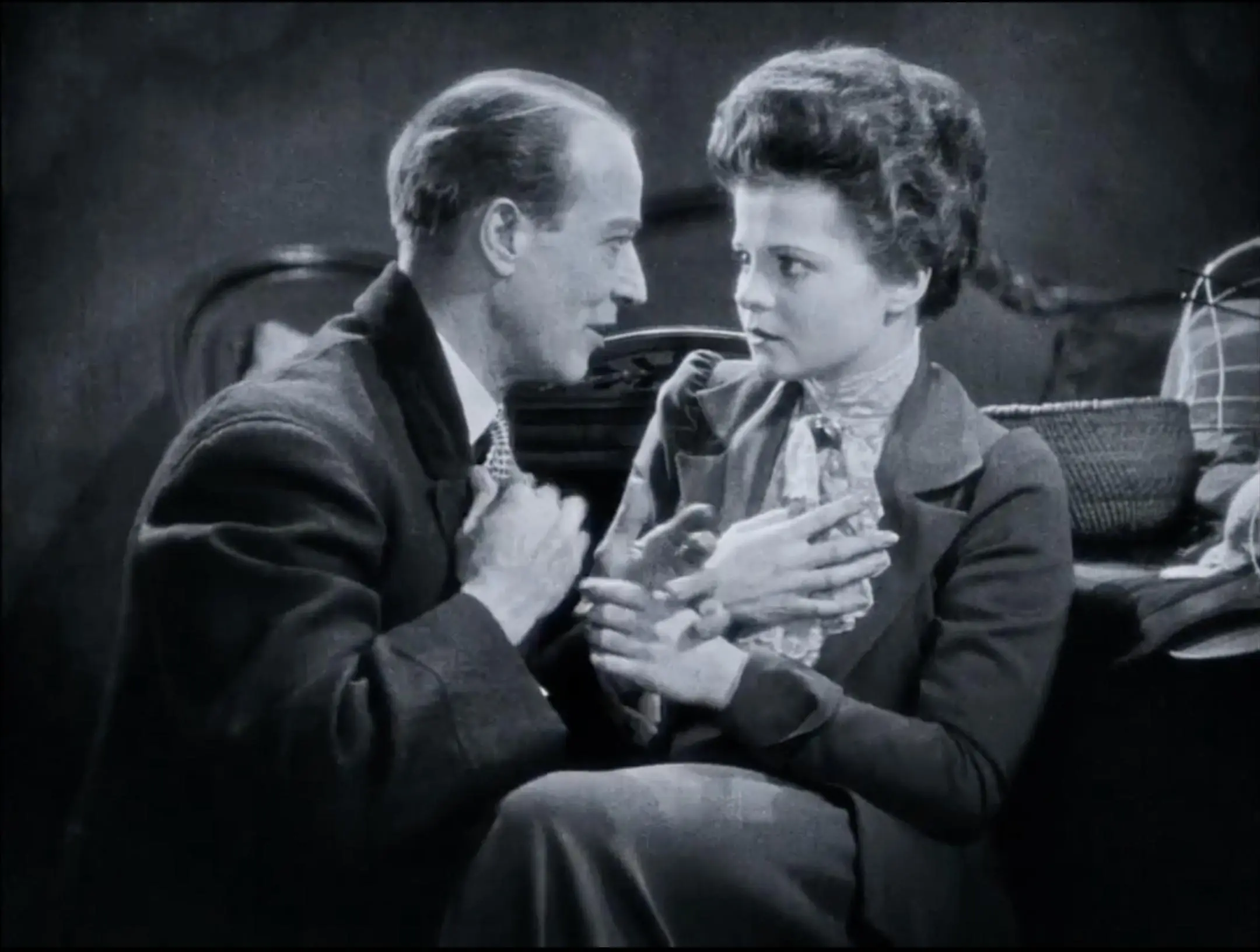
H.B. Warner was a master of the 'stiff upper lip,' and here he uses it to devastating effect. There is a specific moment when Jim realizes he must marry another woman to secure Norma’s release. Warner doesn't weep or rage. He simply goes still. His eyes, captured in a tight close-up, convey a soul being hollowed out. It is a haunting image that stays with you long after the film ends. This level of restraint is what separates Silence from the more histrionic offerings of the mid-20s, such as the often over-the-top Frou Frou.
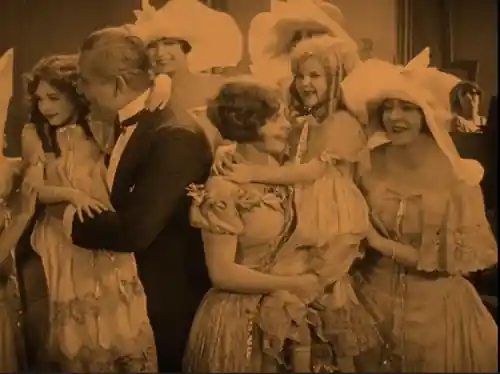
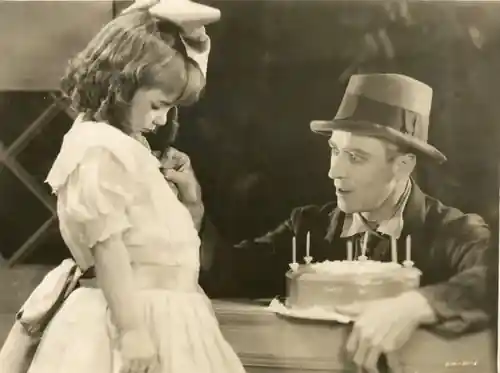
The supporting cast is equally capable, though they often operate in Warner’s shadow. Vera Reynolds as Norma provides the emotional core of the first act. Her transition from a hopeful bride to a hardened convict is jarring and effective. However, the film’s real surprise is the second-act introduction of the daughter. The chemistry between the father who cannot speak his truth and the daughter who is oblivious to it creates a tension that drives the final third of the movie. It is a dynamic that feels more grounded in psychological reality than the broad strokes of The Miracle of Life.
One of the most striking aspects of Silence is its use of shadow. The cinematography by the uncredited but clearly talented crew utilizes high-contrast lighting to mirror Jim’s moral ambiguity. In the scene where the blackmailer is finally confronted, the room is bathed in deep blacks and sharp, angular whites. This isn't just for aesthetic flair; it represents the binary choice Jim is about to make. When the daughter pulls the trigger, the flash of the gun is the brightest thing on screen, a moment of violent clarity that changes everything.
The pacing, however, is where the film shows its age. The middle section, which details Norma's life with Phil Powers, feels slightly elongated. We spend perhaps too much time on the social graces of their marriage, which, while necessary to show what is at stake, lacks the visceral energy of the crime-focused bookends. It’s a common issue in silent features—the 'sagging middle'—that even high-profile releases like The Border Legion struggled to overcome. Yet, Marcin manages to keep the audience engaged by periodically cutting back to Jim, reminding us of the ghost haunting Norma’s perfect life.
Short answer: Absolutely, especially if you want to understand the roots of the American noir tradition.
Silence is a film that demands your full attention. It is a rewarding experience for those who can look past the 1920s tropes and see the raw human emotion underneath. It is a film about the high cost of love and the even higher cost of a clean conscience. While it may lack the technical polish of modern cinema, its emotional core is more robust than many big-budget dramas today. It works. But it’s flawed. The legal setup is nonsense, but the emotional payoff is earned.
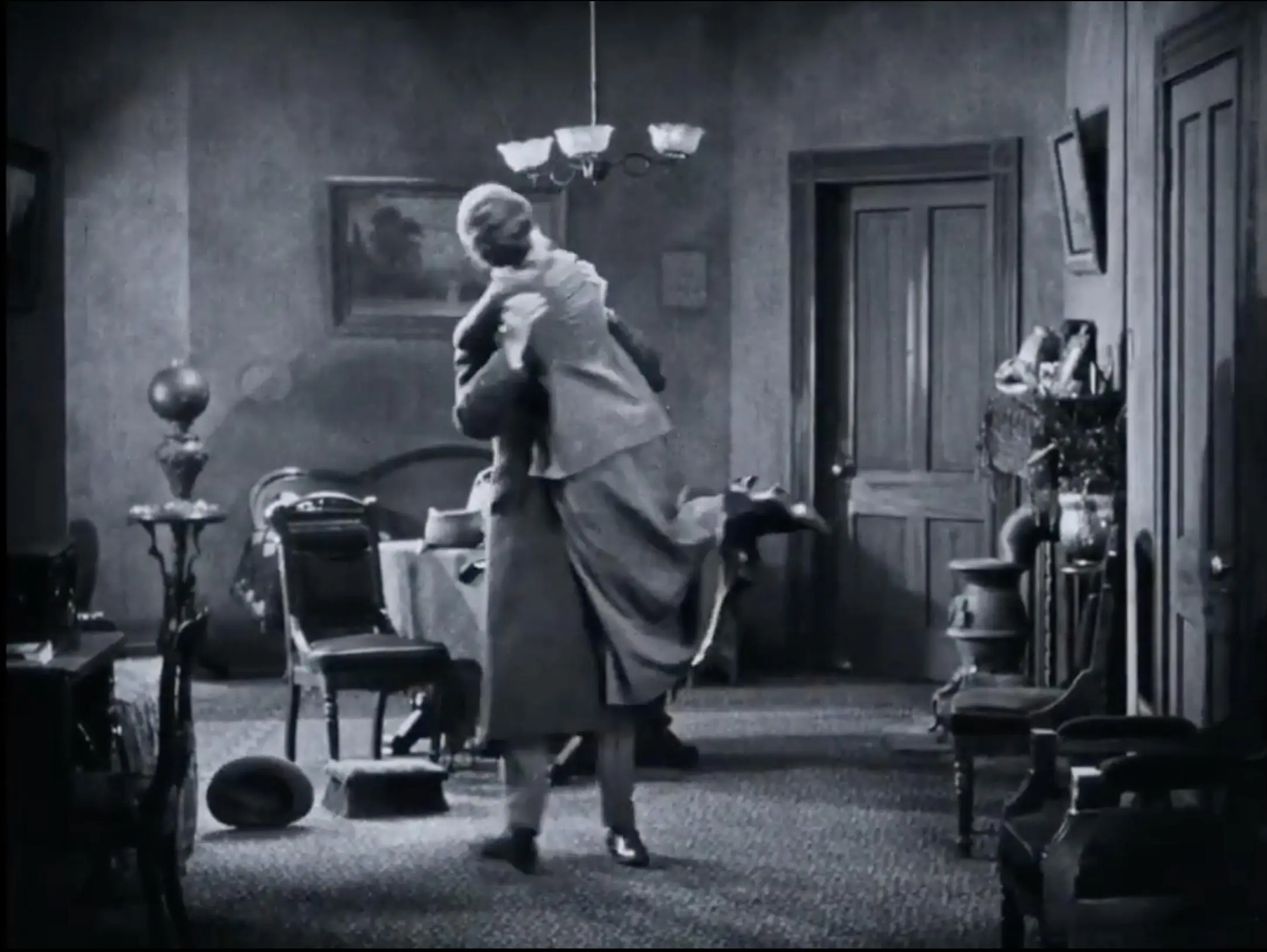
What makes Silence particularly interesting is its refusal to condemn Jim Warren for his criminal past. In an era where many films were strictly governed by a sense of 'poetic justice'—where every sin had to be punished visibly—Silence offers a more nuanced view. Jim is a crook, yes, but he is also the most selfless character in the film. This creates a fascinating tension for the audience. We want him to succeed, even though we know he’s operating outside the law. This moral gray area is something we see explored in other films like Captain Swift, but Silence takes it to a more extreme conclusion.
"The film posits that the ultimate act of love is not just dying for someone, but living a lie so that they can live the truth. It is a heavy, almost religious theme that H.B. Warner carries with ease."
The blackmail subplot also introduces an element of proto-noir. The blackmailer isn't just a villain; he is a symbol of the past that refuses to stay buried. His presence in the final act turns the film from a melodrama into a tense psychological thriller. When the daughter shoots him, it isn't just a moment of self-defense; it’s a symbolic destruction of the secret that has kept Jim and Norma apart. The fact that Jim takes the blame is the final, inevitable step in his journey of self-abnegation. It is a brutal, simple, and perfect ending.
Silence is a powerful reminder that the silent era was capable of sophisticated, adult storytelling. It manages to be both a gripping crime story and a deeply moving family drama. While the setup requires a significant suspension of disbelief, the emotional journey of Jim Warren is undeniably compelling. It is a film that explores the concept of 'silence' in multiple ways—the silence of the medium, the silence of a man keeping a secret, and the silence of a life lived in the shadows. If you can find a good print of this film, watch it. It is a testament to the power of the human face to tell a story that words could never fully capture. It’s a tough watch, but a necessary one for anyone serious about cinema history.
IMDb 8.4
1930
Community
Log in to comment.