DbcultAccessing Vault...
6.1/10
Senior Film Conservator
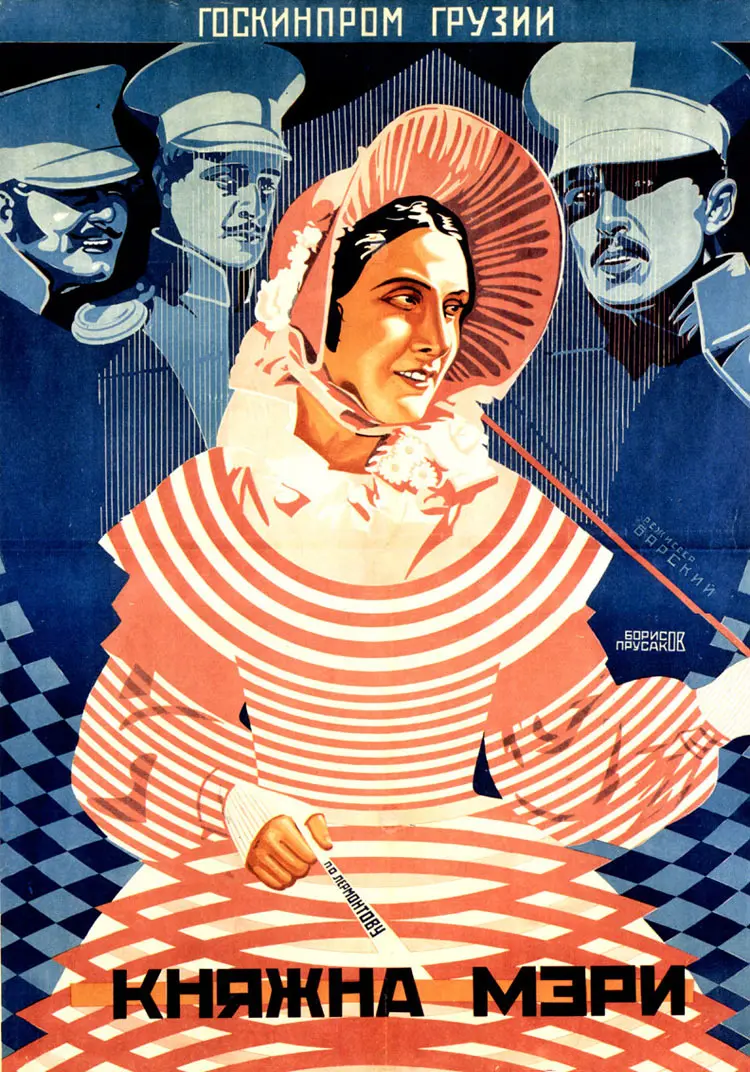
A definitive 6.1/10 rating for a film that redefined the boundaries of cult cinema. Tavadis asuli Meri remains a cornerstone of transgressive art.
Is Tavadis asuli Meri, a film steeped in the dramatic traditions of 19th-century Russian literature and early Georgian cinema, still worth watching today? Short answer: yes, but with significant caveats. This adaptation of Lermontov's seminal work offers a fascinating window into a bygone era of filmmaking and storytelling, making it a compelling watch for cinephiles and literary enthusiasts alike, yet it might prove a challenging experience for those accustomed to contemporary narrative pacing and visual flair.
This film is unequivocally for students of film history, those with a deep appreciation for classical literature, and viewers who cherish character-driven dramas over plot-heavy blockbusters. It is decidedly not for audiences seeking fast-paced action, clear-cut heroes, or easily digestible moral lessons. Its deliberate pace and period sensibilities demand patience and a willingness to engage with its complex, often morally ambiguous, protagonist.
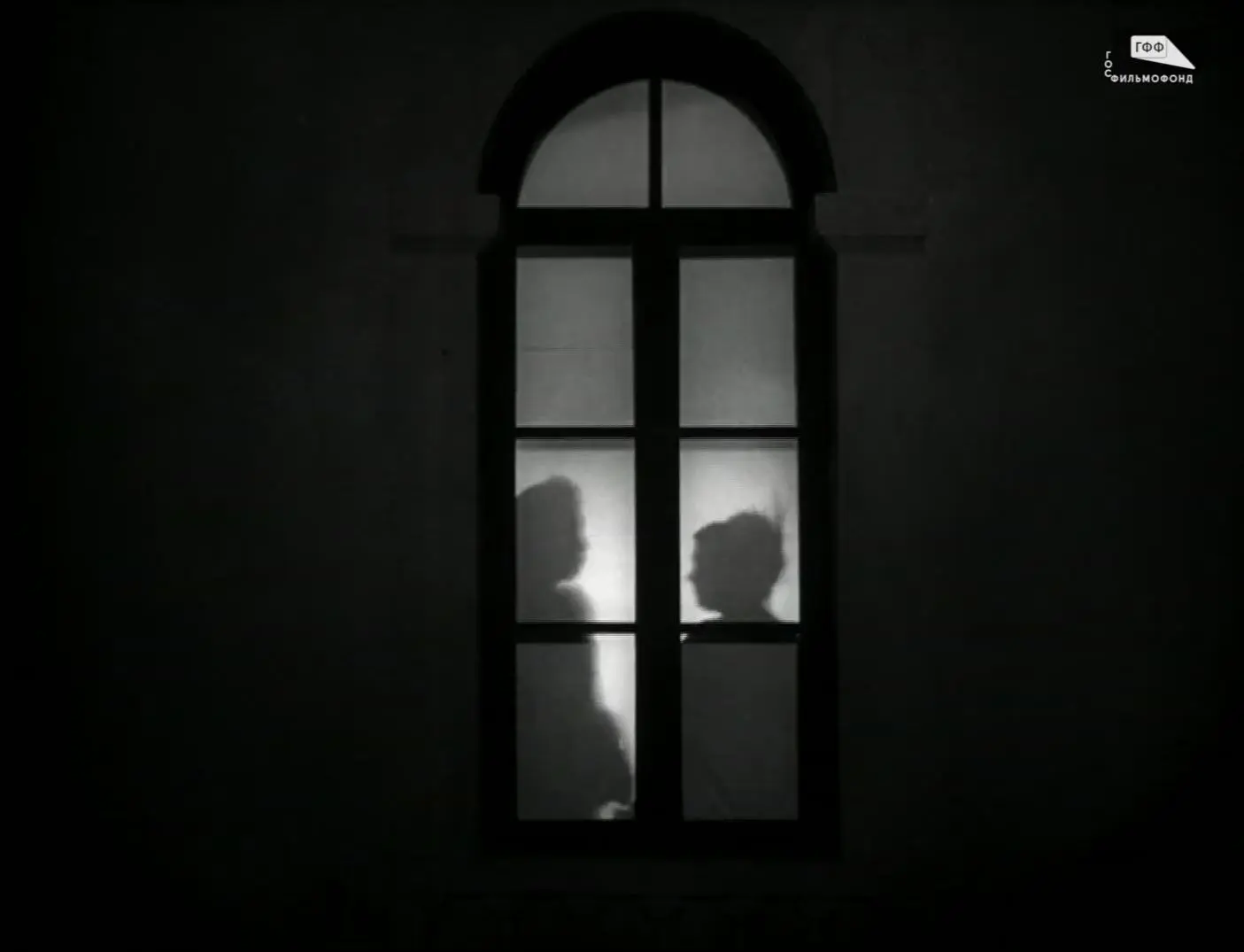
The world of 19th-century Pyatigorsk, as depicted in Tavadis asuli Meri, is one of rigid social codes and simmering emotional undercurrents. Vladimir Barskiy's direction, working from the timeless text of Mikhail Lermontov, crafts a narrative that feels both grand in its scope of human folly and intimate in its psychological probing. At its core, the film explores the devastating impact of a singular, self-absorbed individual on a tightly knit community, particularly through the lens of romantic manipulation and societal judgment.
Pechorin, portrayed with a captivating blend of detachment and intensity by Nikolai Prozorovsky, arrives in Pyatigorsk not as a hero, but as a disruptive force. His presence is a storm front, promising change and chaos to the provincial calm. The plot, centered on his pursuit of the young Mary, is less about genuine affection and more about a calculated exercise of power and a perverse desire to observe human reactions. This makes for a protagonist who is deeply unlikable, yet undeniably magnetic, a testament to Lermontov's original creation and Prozorovsky's nuanced interpretation.
The film's strength lies in its commitment to dissecting the societal mechanisms of its time. The high society of Pyatigorsk, with its elaborate balls and rigid etiquette, becomes a stage for Pechorin's psychological experiments. His interactions, particularly with Mary, played by Tamara Bolkvadze, are fraught with unspoken tensions and veiled intentions. Bolkvadze brings a fragile innocence to Mary, making her eventual entanglement with Pechorin all the more tragic and compelling. Her performance, especially in scenes of quiet contemplation or subtle defiance, elevates what could have been a mere plot device into a fully realized character.
The supporting cast, including Giorgi Davitashvili and Ivan Kruchinin, provide solid anchors to the social milieu. Davitashvili, in particular, embodies the more traditional, honorable masculine ideals that Pechorin so effortlessly subverts. Their performances collectively paint a vivid picture of a society grappling with external pressures and internal moral decay, a theme that resonates even today. The film doesn't shy away from presenting a society where reputation is paramount and individual happiness often secondary to propriety.
Vladimir Barskiy's direction is measured and deliberate, characteristic of early 20th-century cinema. He allows scenes to unfold with a stately pace, letting the performances and the rich dialogue (or intertitles, as the case may be) carry the emotional weight. There's a theatricality to the blocking and a reliance on close-ups to convey character emotion, which might feel somewhat dated to modern eyes but was groundbreaking for its time.
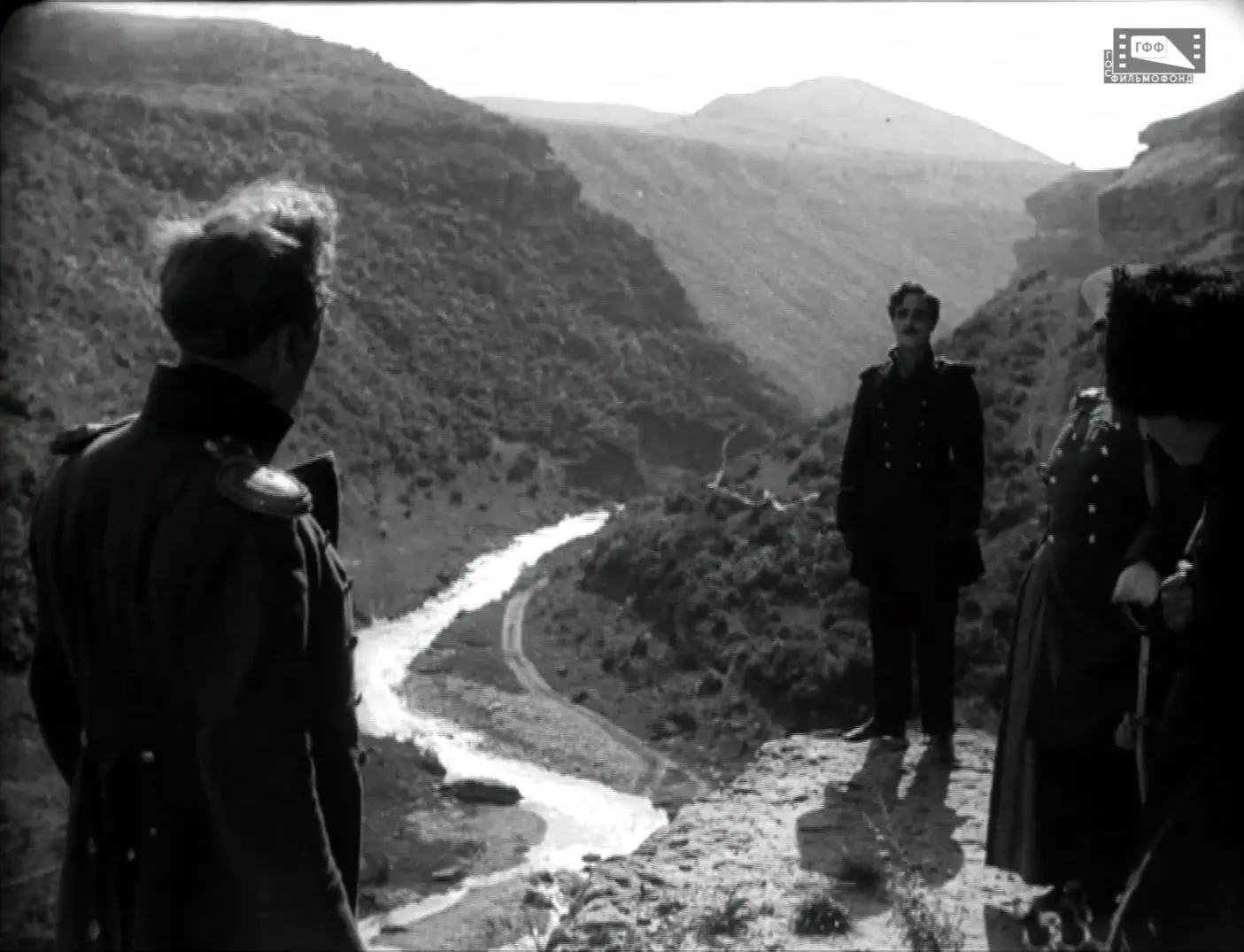
The cinematography, while perhaps not overtly flashy, effectively captures the aristocratic elegance and the natural beauty of the Pyatigorsk setting. Consider the scene where Pechorin first encounters Mary at a social gathering; the camera often lingers, creating a sense of observation, mirroring Pechorin's own detached gaze. The use of natural light in outdoor sequences, such as the promenades or encounters by the mineral springs, adds an authentic texture to the period setting. It’s a subtle art, prioritizing mood and character over overt spectacle, a choice that largely pays off in establishing the film's tone.
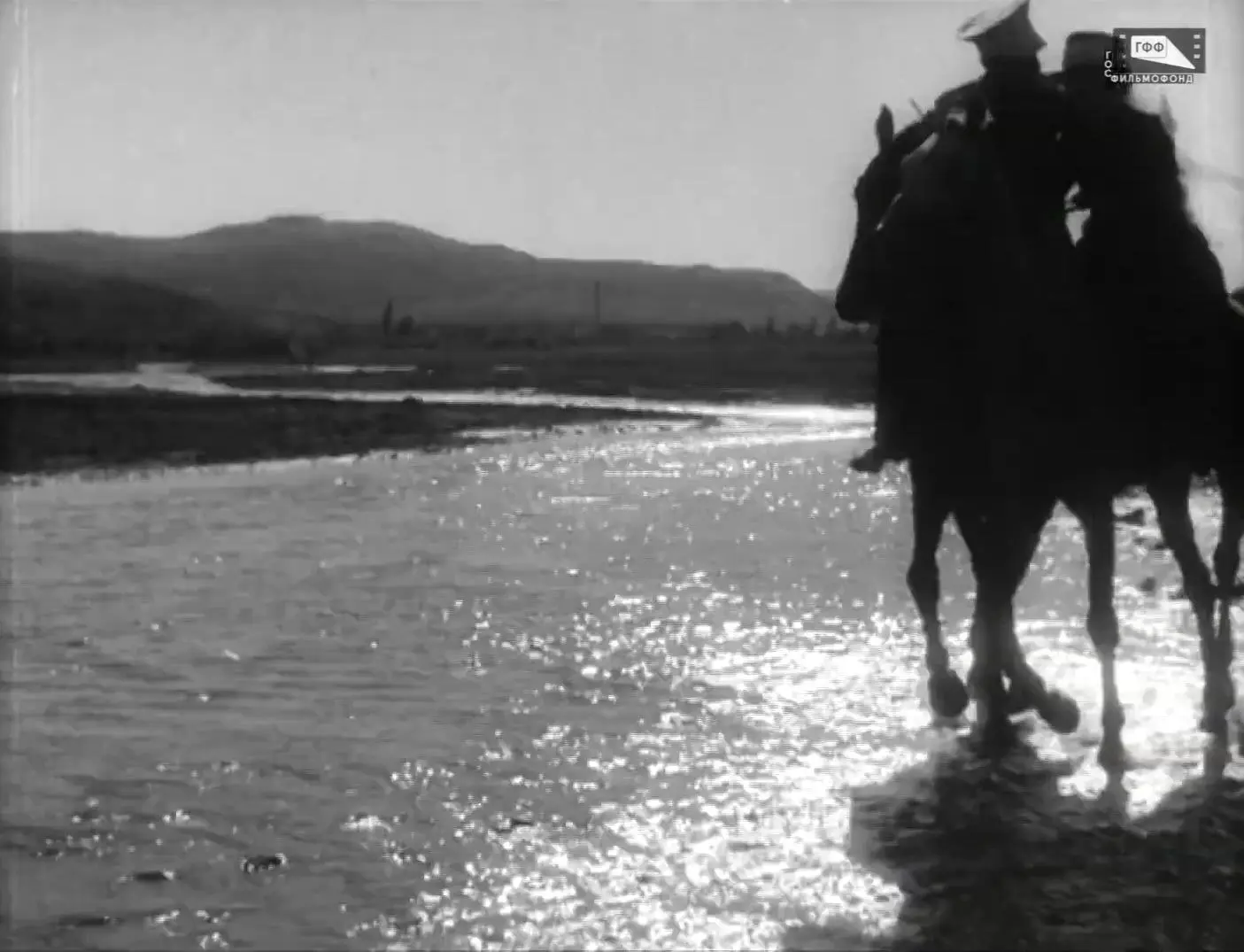
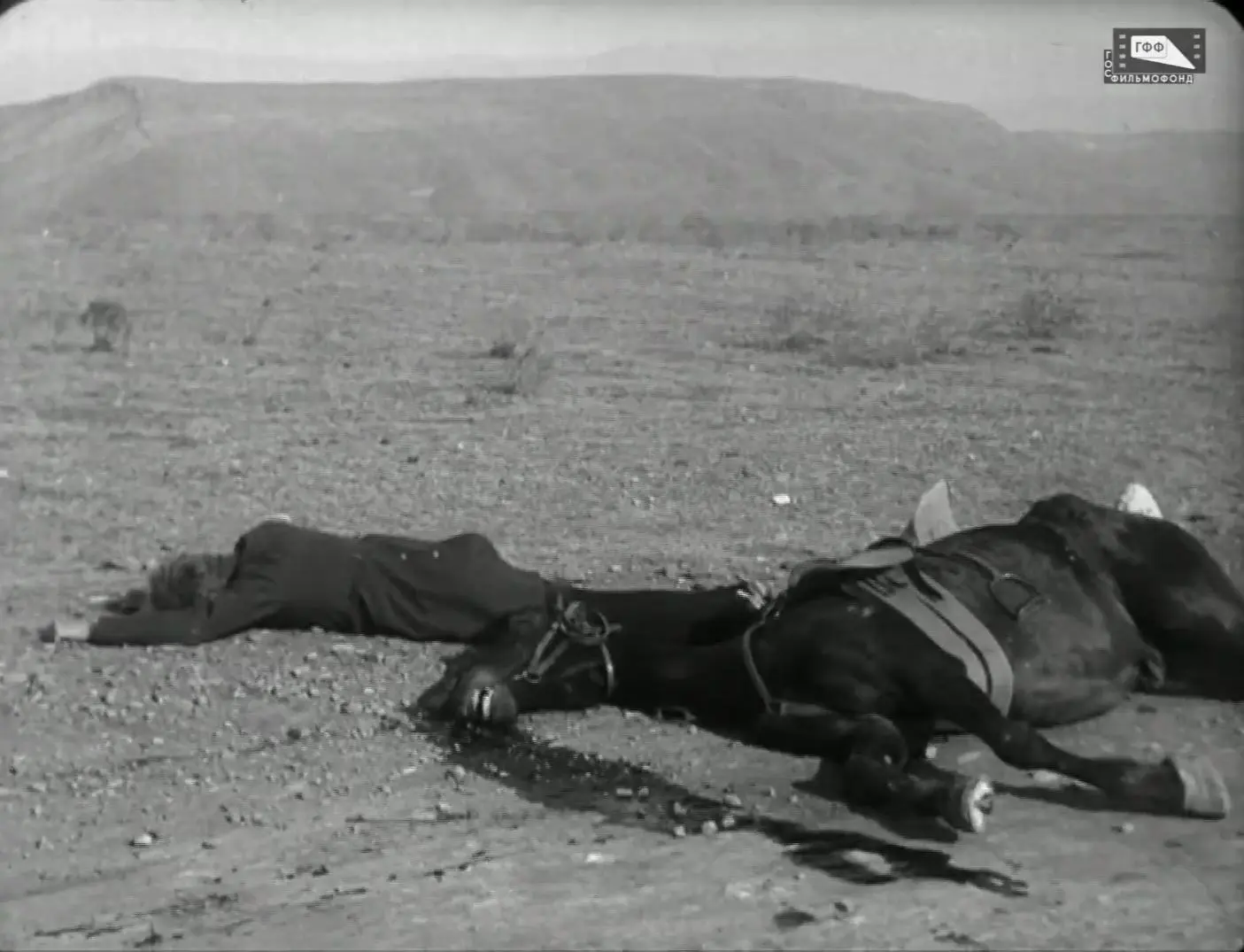
However, this deliberate pacing can also be the film's Achilles' heel. There are moments where scenes feel unduly extended, testing the patience of even the most dedicated viewer. While this allows for greater character immersion, it occasionally sacrifices narrative momentum. For instance, a protracted sequence involving a duel, while visually striking in its starkness, could have benefited from tighter editing to enhance its dramatic impact rather than relying solely on the slow build-up.
The film's pacing is slow, almost meditative. It mirrors the languid pace of life in 19th-century high society, where conversations were drawn out and social rituals meticulously observed. This allows for a deep exploration of Pechorin's psychological landscape and the intricate web of relationships he weaves. The tone is predominantly melancholic and cynical, reflecting Lermontov's own disillusioned worldview. There are flashes of wit and moments of genuine tenderness, but they are often quickly overshadowed by Pechorin's inherent inability to connect or truly feel.
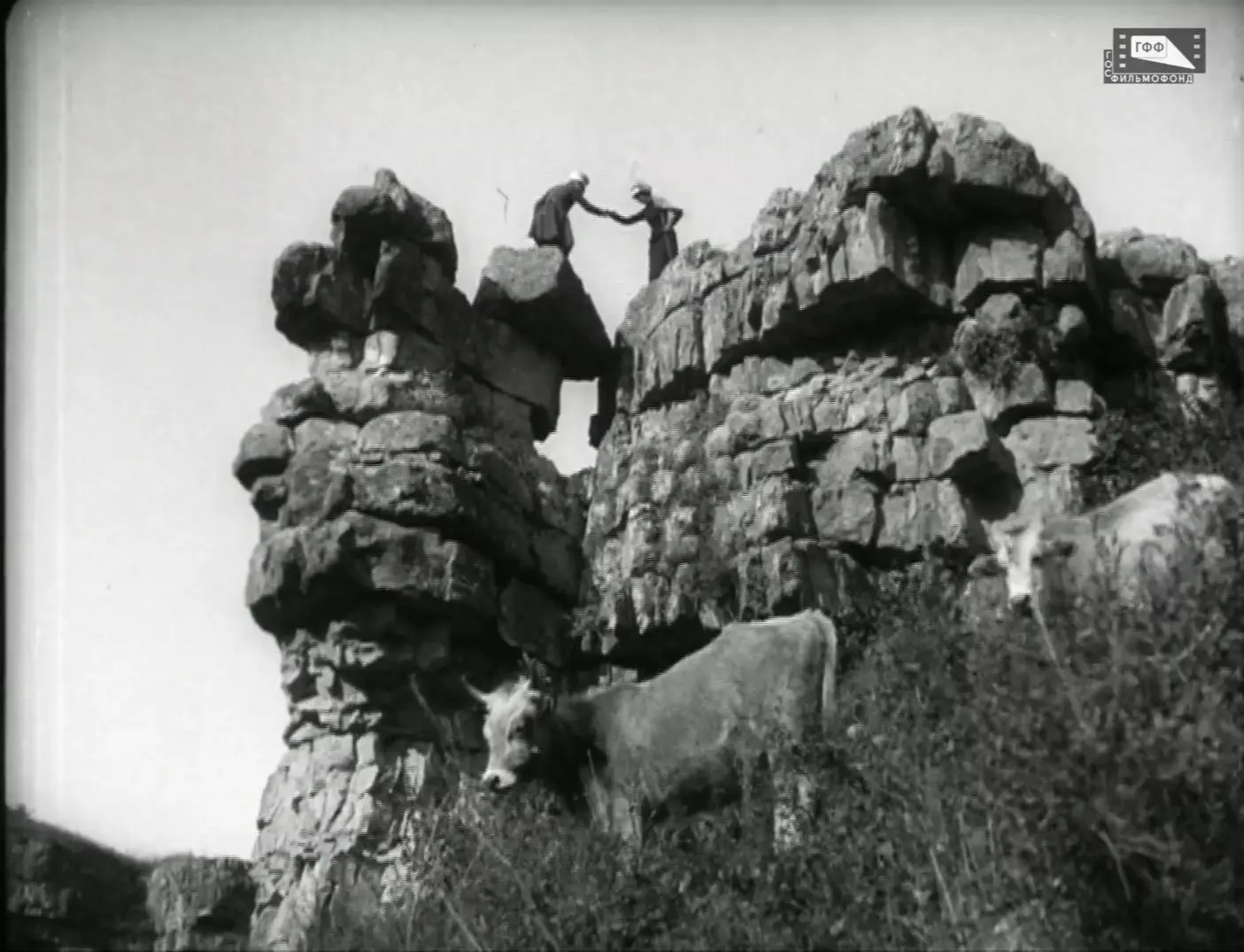
This measured approach, while authentic to the source material, is a significant barrier for contemporary audiences. It's a film that asks you to slow down, to absorb, rather than to be entertained in a conventional sense. The emotional payoff is not in grand gestures but in the subtle shifts of expression, the unspoken words, and the tragic inevitability of Pechorin's actions. One might argue that the film's commitment to this tone is its greatest artistic achievement, refusing to compromise for fleeting audience gratification.
One surprising observation is how modern Pechorin's psychological profile feels, despite the period setting. He is the ultimate anti-hero, a precursor to many complex, morally ambiguous characters we see in contemporary cinema. His self-destructive tendencies and his profound boredom with life's conventional pleasures resonate with a sense of existential ennui that feels remarkably prescient. Prozorovsky's portrayal, while limited by early cinematic techniques, manages to convey this inner turmoil with remarkable clarity, particularly in his eyes, which often betray a deeper sadness beneath his cavalier exterior.
This film works because it is a faithful, if challenging, adaptation of a literary classic, offering profound insights into human nature and societal hypocrisy through strong performances. It fails because its glacial pacing and dated technical elements make it inaccessible to many modern viewers, requiring a significant investment of patience. You should watch it if you are a student of classic literature, early cinema, or enjoy slow-burn character studies that delve into moral ambiguity.
Absolutely, but only if you approach it with the right mindset. Tavadis asuli Meri is not a film to casually put on in the background. It demands your full attention, your historical context, and an appreciation for the artistic choices made in an era when cinema was still finding its voice. It’s a piece of living history, a direct line to the storytelling sensibilities of a century ago.
For those who are willing to meet it on its own terms, the rewards are considerable. You gain a deeper understanding of cinematic evolution, the enduring power of Lermontov's narrative, and the subtle complexities of human relationships. It works. But it’s flawed.
It’s a film that challenges the viewer, asking them to consider not just the story, but the medium itself. While it might not have the immediate visceral impact of a film like Sherlock Jr. or the narrative drive of Blind Chance, its historical and literary significance is undeniable. Its value today is less about entertainment in the modern sense and more about cultural preservation and academic interest. It's a foundational text for Georgian cinema, an important early adaptation that set a precedent for future literary interpretations on screen.
Tavadis asuli Meri is more than just a film; it's a historical artifact, a cinematic echo of a classic literary work that continues to provoke and fascinate. While it demands a significant investment of time and patience from its audience, the payoff for those willing to engage with its deliberate pace and period sensibilities is a rewarding journey into the complexities of human nature and the nascent art of filmmaking. It is not a film to be enjoyed in the conventional sense, but rather one to be studied, appreciated, and reflected upon. Its influence on subsequent Georgian cinema is undeniable, and its place in the canon of literary adaptations is secure. For those with a genuine interest in the intersection of literature and early film, this is an essential, if demanding, viewing experience. Its value is academic and artistic, a testament to the enduring power of a story well told, regardless of the era. It's a challenging watch, but one that leaves a lasting impression, much like the enigmatic Pechorin himself.
IMDb —
1918
Community
Log in to comment.