DbcultAccessing Vault...
Cult Review
Senior Film Conservator
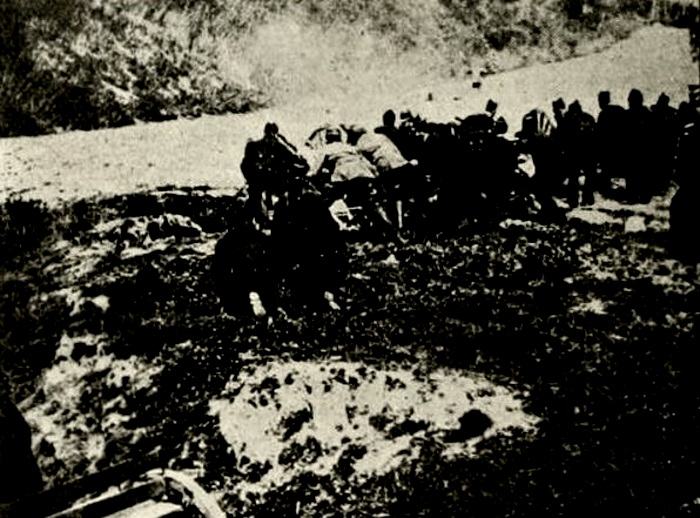
The film unfurls with the stark, almost brutal theatricality of the Derna assault, immediately immersing the viewer in a landscape defined by conflict and peril. Here, the narrative introduces Captain Adolfo Bertini, an Italian officer whose valor, while commendable, ultimately proves insufficient against the overwhelming tide of battle. His subsequent wounding, a grievous blow to the forehead, and his eventual capture by Arab forces, serve as the initial, harrowing catalyst for a sprawling narrative rooted in both danger and profound devotion. Yet, Bertini's character is not solely defined by his martial prowess; a preceding, more tender act of humanity — his courageous protection of a young Arabian girl from the ignominy threatened by Turkish aggressors — establishes a crucial, almost redemptive counterpoint to the surrounding hostilities. This singular gesture of chivalry, transcending the immediate geopolitical strife, subtly cultivates goodwill within the girl's tribe, a benevolent, almost prophetic thread that will, against all expectation, unravel the seemingly immutable knots of fate. This intricate interweaving of brutal warfare and deeply personal kindness constructs a complex moral stage, hinting at the profound potential for human connection even amid widespread conflict. Such a dramatic juxtaposition of large-scale conflict and individual heroism finds resonance in the grand historical narratives of films like The Independence of Romania or 1812, where the actions of a few often reverberate against monumental backdrops, though "The Heroine from Derna" distinctively grounds its epic scope in far more intimate, familial stakes, making the personal consequences all the more acute. The setting itself, Derna, a focal point of early 20th-century colonial ambitions and conflicts, lends a veneer of geopolitical realism to what is fundamentally a deeply personal drama, allowing the external world's harshness to amplify the internal world's emotional intensity.
The harrowing news of Captain Bertini’s capture, carried across the Mediterranean on the urgent cries of Naples' news vendors, strikes his wife with a force that is nothing short of catastrophic. This announcement is not merely an unfortunate report but a profound, irreparable rupture of her very being. The shock is so utterly devastating, so overwhelming in its emotional intensity, that it plunges her into a deep, pervasive state of mental torpor, a profound and terrifying dissociation from the stark realities of her existence. The eminent alienists of the era, depicted with an air of solemn, professional gravitas, diagnose her condition as one curable only by the miraculous, almost fated, return of her beloved husband. This portrayal of intense mental anguish, while undoubtedly lacking the nuanced psychological depth and clinical precision we have come to expect from contemporary cinema, nevertheless operates as an incredibly potent dramatic device. It transforms the domestic sphere, once a sanctuary of familial warmth, into a silent, agonizing tableau of suffering, a poignant and deeply unsettling counterpoint to the distant, clamorous din of war. The wife’s catatonic state is more than a mere plot contrivance; it stands as a vivid, if somewhat hyperbolic, manifestation of the era's understanding of trauma and its devastating, life-altering impact on the human psyche, thereby elevating the personal tragedy to an almost mythical dimension of sorrow. This intense focus on emotional devastation within the home reminds us of the profound, often operatic, emotional stakes explored in other early melodramas, where human suffering was frequently depicted with an almost sublime intensity, much like the tragic passion unfolded in La dame aux camélias, albeit within a different, yet equally poignant, social context. The wife's silent suffering underscores the film's emphasis on the devastating ripple effects of conflict, extending far beyond the battlefield.
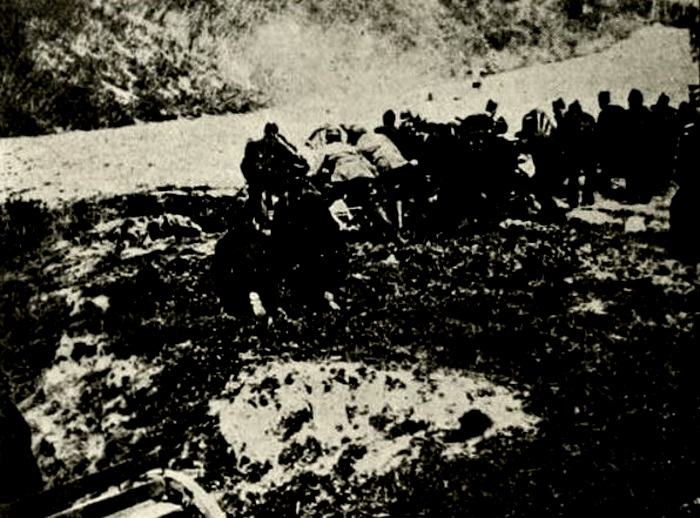
From this crucible of pervasive despair and domestic paralysis emerges the film’s unequivocal protagonist, young Maria, brought to life with truly remarkable conviction by the incandescent Maria Jacobini. Unburdened by the rigid conventions and perceived limitations of the adult world, yet acutely, almost instinctively, aware of her mother's silent, agonizing suffering, Maria conceives of an audacious, almost fantastical plan: to embark on a perilous journey to Africa and, against all odds, retrieve her father. Her mother, tragically lost in the suffocating fog of her own profound affliction, remains entirely oblivious to her daughter’s clandestine departure, a detail that imbues Maria's solitary quest with an additional, heartbreaking layer of poignant isolation. Maria’s bold transformation into a boy, a classic cinematic trope often employed for narrative convenience, is here more than a mere disguise; it functions as a potent symbolic shedding of restrictive societal expectations, granting her the agency to navigate a perilous, male-dominated world that would otherwise be inaccessible. Securing passage on a merchant vessel, she demonstrates a startling resourcefulness and an indomitable spirit that far transcend her tender years. Her inherent goodness, her amiable disposition, and her genuine charm, rather than any overt display of physical strength or cunning, are what ultimately win the affection and crucial cooperation of the ship's rugged crew. This narrative choice brilliantly illuminates a powerful, enduring theme: that genuine human connection and innate kindness possess the capacity to open doors and overcome obstacles where brute force or calculated strategy might unequivocally fail. This extraordinary journey, undertaken by a child against an almost insurmountable array of odds, firmly situates "The Heroine from Derna" within a rich tradition of intrepid young protagonists, evoking compelling echoes of characters like the indefatigable orphans of Oliver Twist or the resilient, unyielding spirit found in the sprawling narratives of Les misérables, though Maria's quest is uniquely propelled by a fierce, singular filial devotion rather than the more generalized struggle for survival. Her unwavering resolve, radiating from the screen, acts as a powerful beacon, piercing through the film's initial somber tones and infusing the narrative with a palpable sense of hope and purpose. The sheer audacity of her undertaking, a child crossing oceans for love, resonates deeply, tapping into universal archetypes of heroic quests.
Maria’s arduous odyssey is not merely a linear progression of events but a profound testament to the intricate, often unforeseen, interconnectedness of human actions and their ripple effects across time and space. It is Captain Bertini's earlier, seemingly minor, act of compassion towards the young Arabian girl that ultimately, and quite dramatically, paves the way for his eventual liberation. This narrative device, executed with an elegant simplicity, beautifully closes a thematic loop, demonstrating with compelling clarity that kindness, even when extended in the most brutal and unforgiving of circumstances, possesses the latent power to yield unexpected, even miraculous, salvation. Maria’s timely arrival, a child-hero appearing as if conjured from a dream or ancient myth, acts as the definitive catalyst for the release of her long-suffered father. The film, with a deliberate narrative choice, judiciously avoids overly explicit or gratuitous depictions of violence or prolonged, agonizing captivity, choosing instead to focus its lens squarely on the dramatic, emotionally charged impact of the reunion itself. Ruffo Geri, in his portrayal of Captain Bertini, conveys a nuanced sense of weary relief intertwined with profound, almost overwhelming, gratitude, his performance anchoring the emotional core of this pivotal, highly anticipated moment. The narrative arc, though imbued with a sense of the miraculous, is presented with a straightforward earnestness and an unembellished sincerity that is highly characteristic of early silent cinema, an era where the raw power of emotional truth frequently superseded the demands of strict realism. The scenes depicting the father and daughter’s triumphant return to Naples are imbued with a quiet, yet deeply felt, sense of victory, a powerful affirmation of destiny fulfilled and familial bonds reaffirmed. This compelling journey and rescue narrative shares a common, resonant thread with films like The Redemption of White Hawk, where heroic, selfless efforts lead to profound personal and familial restoration, underscoring the universal appeal of such redemptive tales. The film masterfully builds tension towards this moment, making the resolution feel earned and deeply satisfying.
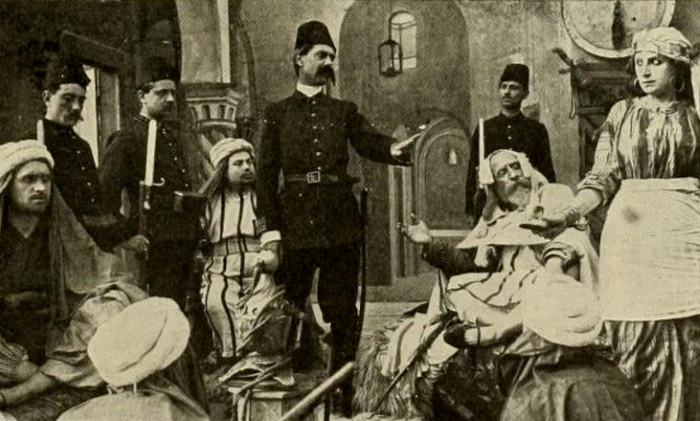
The return to Naples, heralded by Maria and her liberated father, brings the narrative to its emotional crescendo, a moment of profound catharsis and miraculous transformation. The mere sight of her husband and child, a living embodiment of her deepest, most fervent desires and a tangible, undeniable refutation of her greatest, most paralyzing fears, acts as a powerful, almost mystical therapeutic shock for Bertini’s afflicted wife. Her emergence from the suffocating grip of mental torpor is depicted as a sudden, almost instantaneous awakening, a cinematic miracle that powerfully underscores the profound, almost ethereal bond of family. Happiness, long banished from their lives by the ravages of war and the crushing weight of despair, now floods the household, restoring the shattered equilibrium and bringing a palpable sense of peace and joy. This resolution, while perhaps appearing simplistic or overtly idealistic by the more cynical standards of contemporary storytelling, perfectly encapsulates the melodramatic sensibilities of the era, a time when emotional catharsis and clear moral rectitude frequently dictated narrative conclusions. It stands as a powerful, unequivocal affirmation of the restorative power of love and presence, a poignant testament to the deeply held belief that the family unit, when whole and unbroken, possesses an inherent, almost sacred, healing capacity. The final scenes are not merely a perfunctory happy ending; they are a profound reaffirmation of foundational societal values, a visual sermon on the enduring strength and resilience of familial bonds. The story, in its purest essence, transforms into a timeless fable for the ages, celebrating the indomitable spirit of humanity's capacity for resilience and the profound, transformative impact of selfless, unconditional love. The emotional impact of this reunion is the very heart of the film's appeal, a testament to its understanding of universal human longing.
"The Heroine from Derna," despite its status as an early work in the cinematic canon, remarkably showcases a nascent yet undeniably effective cinematic language, a testament to the burgeoning artistry of film at the time. The direction, though unfortunately uncredited, manages with surprising efficacy to convey significant emotional weight and narrative progression primarily through adept visual storytelling, an absolutely crucial skill set in the era of silent film. Maria Jacobini's performance as the intrepid Maria is particularly noteworthy, standing out as a beacon of expressive acting. Her innate ability to project a complex array of emotions — innocence, unwavering determination, profound affection, and burgeoning courage — all without the aid of spoken dialogue, is a powerful testament to the inherent expressive power and profound potential of early screen acting. She shoulders much of the film's emotional burden, rendering her character's extraordinary journey not only believable but also deeply affecting and inspiring to watch. Ruffo Geri, in his role as the imperiled Captain Bertini, effectively portrays both the stoic resolve of a military man and the underlying vulnerability of a loving father, adding layers to a character that could easily have been one-dimensional. The judicious and well-timed use of intertitles would have been absolutely critical in conveying the subtle nuances of plot exposition and character motivation, expertly guiding the audience through the film's shifting emotional and narrative landscape. While "The Heroine from Derna" may not aspire to the grand, sweeping spectacle of a Cleopatra or the sprawling, intricate historical scope of The Life and Death of King Richard III, its inherent strength and lasting appeal reside firmly in its focused, intimate, and deeply human drama. The pacing, though perhaps appearing deliberate or even slow by the frenetic standards of modern cinema, consciously allows for the emotional beats to register fully, drawing the audience into the unfolding family saga with a measured, yet compelling, rhythm. This deliberate approach ensures that every gesture, every facial expression, every intertitle carries its maximum narrative and emotional weight.
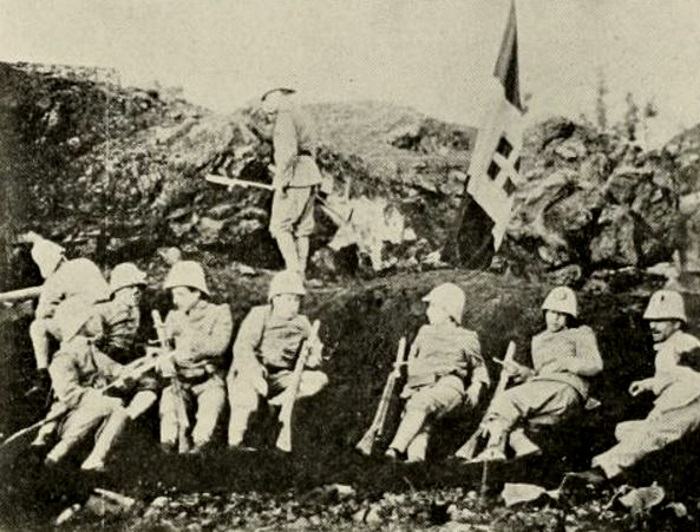
At its very core, "The Heroine from Derna" unfolds as a vibrant, intricately woven tapestry adorned with enduring themes of courage, profound compassion, and the subtle, yet significant, interplay of distinct cultures. Captain Bertini's initial, seemingly straightforward act of protecting the young Arabian girl transcends a mere gesture; it functions as a powerful, resonant statement, subtly suggesting that fundamental human decency and empathy possess the remarkable capacity to bridge deep divides, even amidst the most bitter and protracted conflicts. Maria's arduous journey, too, is an eloquent testament to an almost mythic courage, a child venturing boldly into the vast, perilous unknown, driven by the purest, most elemental form of love. This narrative, therefore, transcends the confines of a simple adventure story, evolving instead into a deeper, more profound exploration of innate human goodness and the far-reaching, transformative impact of individual actions. The film, with a delicate touch, subtly hints at the broader complexities of colonial encounters and cross-cultural dynamics, though its primary narrative focus remains steadfastly on the intensely personal, deeply affecting family drama. The "heroine" of the title refers not merely to Maria's physical bravery and adventurous spirit but, more significantly, to her immense emotional fortitude, her unwavering belief in the ultimate possibility of restoring her family's shattered happiness. This consistent focus on personal heroism, situated within a broader, often tumultuous and unpredictable world, stands as a defining hallmark of many early cinematic narratives, including those that explored more overtly historical or deeply religious themes, such as Life and Passion of Christ or The Life of Moses, where individual figures are often imbued with immense moral and spiritual weight, serving as avatars for universal virtues. The film thus becomes a compelling study in the power of individual agency to alter the course of fate, a testament to the fact that even the smallest hands can wield the greatest impact.
"The Heroine from Derna" stands as a profoundly poignant and illustrative example of early silent cinema's remarkable capacity to captivate and deeply move audiences through the potent vehicle of compelling melodrama. It skillfully leverages universal, timeless themes — the agonizing separation of family, the arduous quest for reunion, and the ultimate triumph of love over seemingly insurmountable adversity — to craft an emotionally resonant and deeply satisfying cinematic experience. The film, despite its considerable age and the inherent technical limitations of its era, retains a certain timeless charm and an undeniable narrative power, serving as a vivid reminder of a period when storytelling was often more direct, more reliant on evocative visual cues, and the raw, unadulterated power of human emotion to convey its message. It speaks eloquently to an enduring human desire for profound resolution, for the restoration of order and harmony after periods of profound chaos, and for the powerful affirmation of positive, life-affirming values. The narrative, while perhaps imbued with a certain idealism that might seem quaint today, offers an undeniably powerful and uplifting message of hope and unwavering resilience, qualities that resonate deeply across generations and transcend cultural divides. It is much more than a mere cinematic artifact; it is a vital historical document that not only entertains but also provides an invaluable window into the narrative preferences, moral frameworks, and societal aspirations of its time. Its singular focus on a child's unwavering devotion and heroic initiative offers a compelling counter-narrative to the grander, often more violent, spectacles that also characterized early film, such as the brutal boxing matches vividly depicted in The Corbett-Fitzsimmons Fight or the intense athletic contests shown in Jeffries-Sharkey Contest, thereby proving conclusively that quiet, personal heroism, driven by love, can be just as impactful, if not more so, than any grand, public display of strength. It reminds us that the most profound dramas often unfold within the intimate confines of the human heart and the family unit.

IMDb —
1934
Community
Log in to comment.