DbcultAccessing Vault...
4/10
Senior Film Conservator
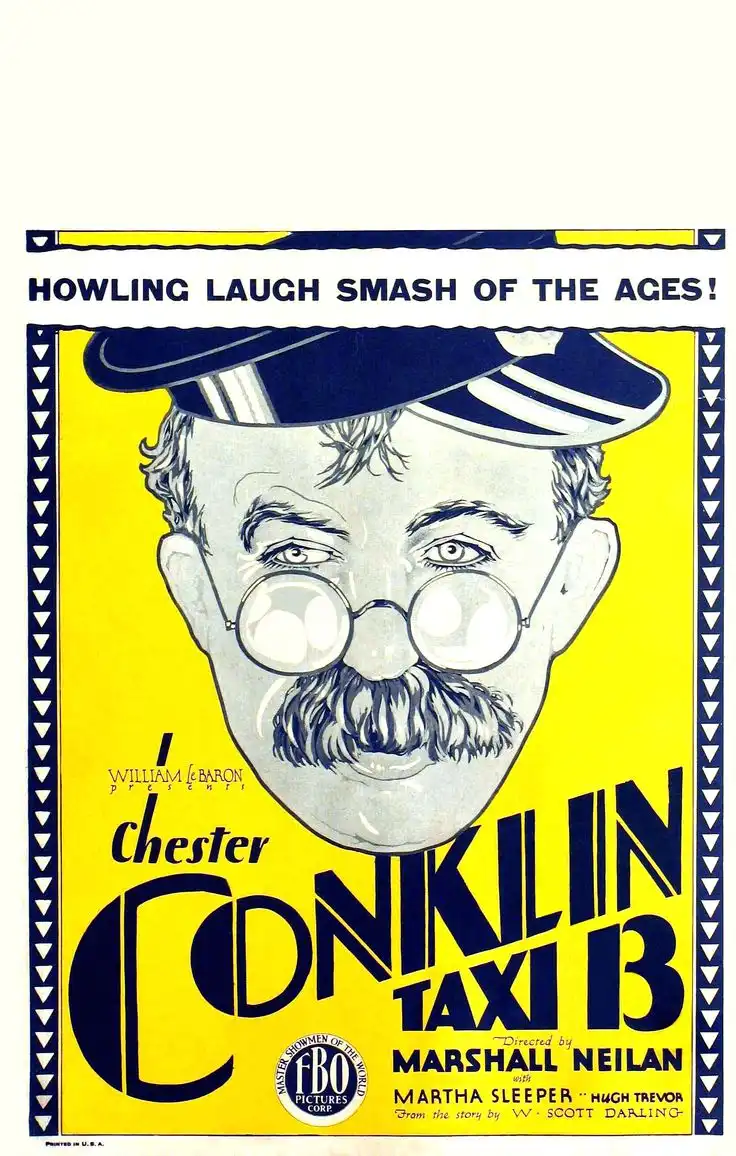
A definitive 4/10 rating for a film that redefined the boundaries of cult cinema. Taxi 13 remains a cornerstone of transgressive art.
If you have a low tolerance for child actors or scenes where people scramble around small rooms in fast-motion, you should probably skip Taxi 13. It is a movie that lives and dies on its domestic clutter. It’s worth a look if you’re a silent film completist or if you have a weird fascination with the Watson family—a real-life clan of child actors who basically make up the entire cast here—but for anyone else, it’s a bit of a curiosity that wears out its welcome around the thirty-minute mark.
Chester Conklin plays Angus M'Phee. If you’ve seen a Conklin movie before, you know the deal: the bushy mustache, the startled blinking, the general sense that he is perpetually overwhelmed by the physical world. Here, the world is overwhelming him in the form of thirteen children. The movie spends a huge amount of time just showing the logistics of the M'Phee household. There’s a scene early on involving the morning routine—washing faces, eating breakfast—that feels like it goes on forever. It’s not particularly funny, but it has this strange, documentary-like quality. You can see the actual grime on the walls and the way the kids are genuinely stepping over each other. It feels less like a movie set and more like a house that a film crew accidentally invaded.
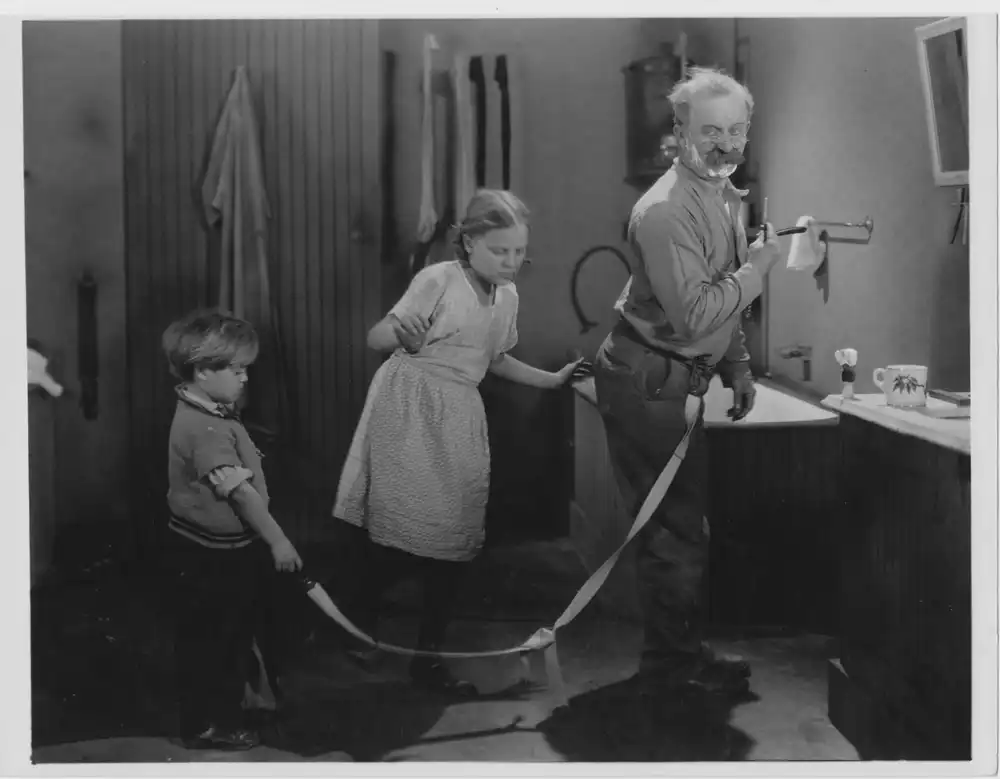
The plot, such as it is, involves a pearl necklace. Some crooks leave it in Angus’s taxi (the titular 'Taxi 13'), and the rest of the movie is a series of near-misses and misunderstandings. The 'crime' element of the film is remarkably thin. The crooks look like they wandered in from a much more serious melodrama, and their presence never quite gels with the slapstick energy of the M'Phee house. There’s a moment where one of the crooks is trying to be menacing, but he’s framed next to a toddler who is clearly just looking at the camera operator, and the whole tension of the scene just evaporates. It’s those kinds of moments that make these old silents interesting to me—the way the artifice just crumbles because a kid won't stop being a kid.
There is a specific shot of the taxi itself chugging up a hill that I liked. The car looks like it’s held together by spit and prayer. It has more personality than most of the adult human characters. In a way, the taxi is a better foil for Conklin than the actual villains are. When he’s fighting with the crank-start or the steering wheel, the physical comedy feels earned. When he’s dealing with the stolen jewels, it feels like he’s just following the script because he has to.
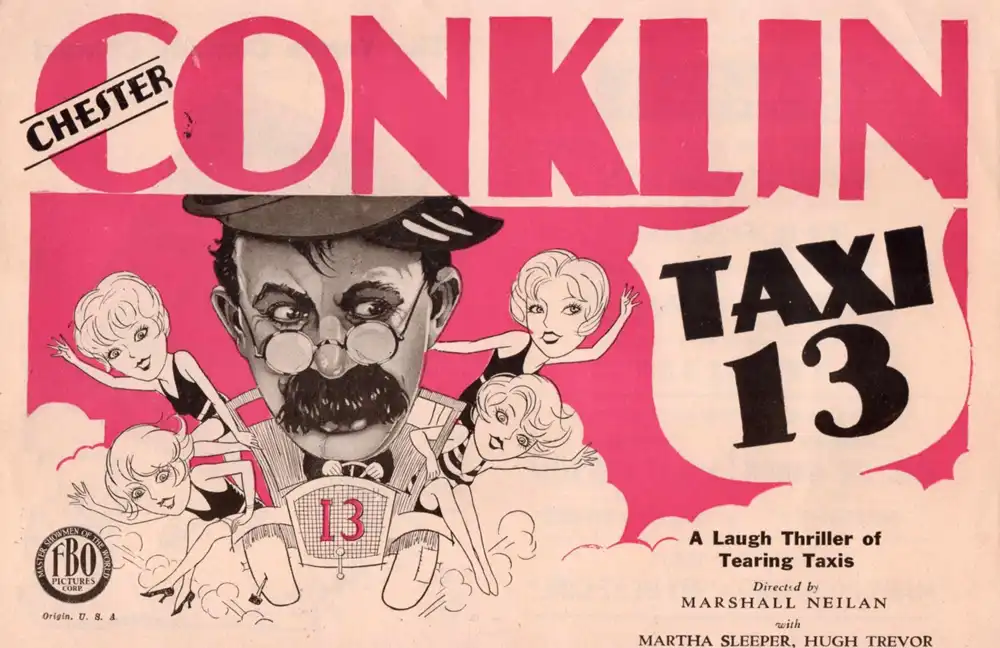
The pacing is... let's say 'unstructured.' It doesn't have the tight, rhythmic build-up of something like Laughing Gas. Instead, it feels like a collection of vignettes that someone eventually remembered to tie together with a chase scene. Speaking of the chase, it’s fine, but it lacks that sense of genuine peril or inventive geometry that the best silent comedies have. It’s mostly just cars turning corners at 15 miles per hour while the film is sped up to make it look like they’re flying.
I noticed a weird editing choice during the dinner scene. There’s a cut from a wide shot of the table to a close-up of one of the middle children, and the lighting shift is so jarring it looks like they filmed the close-up in a different building three days later. It’s those little technical hiccups that remind you how scrappy these productions were. It wasn't 'prestige' filmmaking; it was a job.
Does it work? Sort of. It works as a showcase for the Watson kids, who are actually quite naturalistic compared to the mugging adults. They don't feel like 'movie kids'—they feel like a pack of siblings who are used to being ignored. But as a comedy, it’s pretty thin. Conklin is doing his best, but he’s buried under too much plot that doesn't matter and too many characters who don't have anything to do. By the time the necklace is recovered and the family is reunited, you’re mostly just relieved that the shouting (which you can't hear, but can definitely feel) has stopped.
If you're looking for something with a bit more bite or a more cohesive structure, you'd be better off with The Goat or even some of the more obscure European silents of the period. Taxi 13 is a bit of a mess, but it’s a human mess. It’s the kind of movie you watch on a Sunday afternoon when you don't want to think too hard and you want to be reminded that even in 1928, parents were exhausted by their children.
IMDb 5.6
1917
Community
Log in to comment.