DbcultAccessing Vault...
Cult Review
Senior Film Conservator

Ah, 'Destiny.' The very title itself whispers of grand narratives, of forces beyond human control, yet paradoxically, this film, penned by the insightful Charles Neville Buck and Elliott J. Clawson, posits that our destinies are often forged in the crucible of our own most fervent desires. It’s a masterful, if at times unsettling, journey into the human psyche, examining with unflinching honesty how the relentless pursuit of power can warp perception, corrupt the soul, and ultimately, dictate the course of lives. This isn't merely a story; it's a profound meditation on ambition, consequence, and the fragile line between aspiration and avarice.
From its opening frames, 'Destiny' establishes a palpable tension, a sense of impending moral conflict that permeates every scene. The cinematography, even when viewed through the lens of historical context, possesses a stark beauty, often employing shadow and light to underscore the internal struggles of its characters. It’s not just about what is seen, but what is felt – the heavy weight of ambition, the whisper of temptation, the cold grip of consequence. The direction, while never overtly theatrical, manages to extract raw, authentic performances from its stellar ensemble, allowing the thematic core to resonate deeply without resorting to overt exposition.
Let's talk about the performances, because without a dedicated cast capable of embodying such complex themes, 'Destiny' would risk devolving into mere philosophical musing. Thomas Ashton, in a role that demands both gravitas and a subtle vulnerability, delivers a performance that anchors the entire narrative. His portrayal of a man increasingly consumed by the very power he sought is nothing short of captivating. He doesn't just play a character; he embodies a descent, a gradual erosion of self that is both tragic and utterly believable. We see the flicker of the man he once was, slowly extinguished by the encroaching darkness of his own making. This nuanced approach is a far cry from the more overtly dramatic portrayals sometimes seen in contemporaries like The Two Orphans, offering a more introspective and psychologically rich experience.
Edgar Sherrod, as Ashton's rival or perhaps his unwitting catalyst, provides a formidable counterpoint. Sherrod’s presence on screen is electric, a force of nature that either inspires loyalty or incites fear. The dynamic between Ashton and Sherrod is the beating heart of the film, a testament to the writers' ability to craft compelling, interconnected destinies. Their interactions are a masterclass in tension, laden with unspoken desires and thinly veiled threats, showcasing the intricate dance of power dynamics. It’s a struggle not just for dominance, but for survival, for legacy, for the very definition of what it means to succeed in a world governed by ruthless ambition. This intense rivalry elevates the narrative beyond a simple morality play, imbuing it with a raw, visceral energy that keeps the audience enthralled.
The supporting cast, too, deserves immense credit for enriching this intricate tapestry. Walt Whitman, Allan Sears, and William Stowell each contribute layers of complexity, portraying individuals caught in the crosscurrents of greater forces. Their characters are not mere footnotes; they are integral to illustrating the far-reaching ripple effects of the central power struggle. Whether as loyal confidantes, disillusioned allies, or unwitting pawns, their performances underscore the pervasive nature of the film's central theme. Dorothy Phillips, in a role that could easily have been relegated to a mere romantic interest, imbues her character with a quiet strength and moral fortitude that acts as a vital counterpoint to the prevailing cynicism. Her presence serves as a beacon, a reminder of what is being lost in the relentless pursuit of worldly gains, echoing the poignant emotional depth found in films like La vie de Bohème, though with a distinctly different thematic focus.
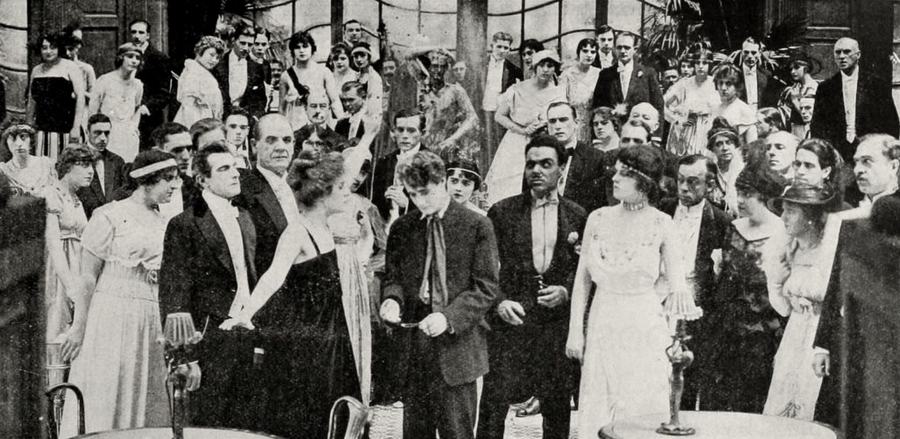
Nanine Wright, Antrim Short, Harry Hilliard, and Gertrude Astor round out this exceptional ensemble, each contributing to the film’s rich texture. Their collective work creates a believable world, a society where ambition is both a currency and a curse. The subtle gestures, the knowing glances, the unspoken truths conveyed through their performances add immeasurable depth to the narrative. It’s this collaborative artistry that elevates 'Destiny' from a mere story to an immersive experience, a living, breathing examination of human nature at its most desperate and most driven. The film avoids the pitfalls of caricature, instead presenting characters who feel authentically human, flawed, and often tragically misguided.
What truly distinguishes 'Destiny' is its unwavering commitment to exploring the corrosive nature of unbridled ambition. It’s not just about the acquisition of power, but the psychological toll it exacts. The film masterfully portrays how the pursuit of dominance can isolate individuals, turning former allies into bitter enemies, and even loved ones into casualties. There's a profound sense of inevitability that permeates the narrative, as if each character is a fly caught in a spider's web, their struggles only serving to tighten the strands of their own undoing. This fatalistic undertone is handled with such grace that it never feels heavy-handed; instead, it feels like an organic consequence of the choices made within the narrative, a far more sophisticated approach than the simpler moral frameworks of films like The Straight Way.
The writers, Buck and Clawson, deserve particular commendation for their intricate plotting and their willingness to delve into the moral ambiguities of their characters. They don't offer easy answers or clear-cut heroes and villains. Instead, they present a world where motivations are often muddled, and even the most righteous actions can have unintended, devastating consequences. This nuanced approach to storytelling is a refreshing departure from many films of its era, which often prioritized overt moral lessons. 'Destiny' trusts its audience to grapple with complex ethical dilemmas, to discern the subtle shifts in character, and to ponder the broader implications of the narrative long after the credits roll. The narrative construction is akin to a finely tuned clockwork mechanism, each gear influencing the next, culminating in a powerful, undeniable conclusion.

One might draw parallels between 'Destiny' and the epic scope of films like The Story of the Kelly Gang in its ambition to tell a grand story, yet 'Destiny' chooses a more intimate, psychological battlefield. It’s less about external conflict and more about the internal warfare waged within the hearts and minds of its protagonists. The societal backdrop, while present, serves primarily as a stage upon which these personal dramas unfold, highlighting how individual desires can reverberate through an entire community. The film subtly suggests that the quest for power is not merely a personal failing, but a societal contagion, capable of infecting every level of interaction, from the most intimate to the most public.
The visual language of 'Destiny' is another point of fascination. While the technology of the time might seem rudimentary by today's standards, the filmmakers demonstrate a remarkable understanding of visual storytelling. Close-ups are used judiciously to emphasize moments of intense emotion or pivotal decision-making, drawing the audience into the characters' inner worlds. Wide shots often convey the isolation of characters even amidst a crowd, or the vastness of the forces they are attempting to control. This deliberate use of framing and composition enhances the narrative, adding layers of meaning that transcend dialogue. The aesthetic choices are consistently aligned with the thematic concerns, creating a cohesive and impactful cinematic experience. It reminds one of the artistic sensibility found in From the Manger to the Cross, albeit applied to a very different kind of spiritual and human journey.
What, then, is the ultimate message of 'Destiny'? Is it a cautionary tale, a cynical indictment of human nature, or perhaps a more hopeful assertion that even in the face of overwhelming temptation, true character can still emerge? The beauty of the film lies in its refusal to provide a definitive answer. Instead, it invites contemplation, prompting viewers to ponder their own relationship with ambition and power. It’s a film that lingers in the mind, sparking discussions and introspection, much like the enduring appeal of Agnes Arnau und ihre drei Freier, which similarly explores complex human relationships and choices. The power of 'Destiny' lies not in its ability to dictate, but in its capacity to provoke thought, to stir the conscience.
In an era where many films focused on simpler narratives of good versus evil, 'Destiny' dared to explore the shades of gray that define human existence. It's a testament to its enduring quality that its themes remain as relevant today as they were upon its release. The allure of power, the compromises made in its pursuit, the inevitable consequences – these are universal truths that transcend time and culture. This film serves as a powerful reminder that while we may strive to control our fate, our deepest desires often exert the most profound influence. It’s a profound cinematic achievement that stands shoulder-to-shoulder with other character-driven dramas of its time, surpassing the more formulaic approaches of something like Anything Once by offering a richer psychological landscape.
The narrative structure, while linear, is punctuated by moments of profound emotional impact and unexpected twists, keeping the audience engaged without ever feeling manipulative. The pacing is deliberate, allowing the psychological weight of the story to build organically, rather than rushing towards a predetermined conclusion. This measured approach ensures that every character arc, every thematic beat, is given the space it needs to fully develop and resonate. It's a patient film, but never a dull one, constantly drawing you deeper into its intricate web of ambition and consequence. The writers masterfully weave multiple subplots, each contributing to the overarching theme, without ever losing sight of the central conflict. This sophisticated storytelling is a hallmark of truly great cinema.
Comparing 'Destiny' to other films of its era, one can appreciate its unique contribution. While In Honor's Web might explore themes of moral obligation, 'Destiny' delves into the very origins of moral decay. Where The Golden Rosary might offer a more romanticized view of human struggle, 'Destiny' presents a starker, more realistic portrayal of the sacrifices demanded by ambition. It’s a film that doesn't shy away from the darker aspects of human nature, but neither does it wallow in cynicism. Instead, it offers a mirror, reflecting the complexities of our own desires and the choices we make. The film's legacy is one of intellectual rigor combined with emotional depth, a rare and potent blend.
The enduring appeal of 'Destiny' lies not just in its compelling narrative or its stellar performances, but in its timeless relevance. The questions it poses about power, morality, and fate are as pertinent today as they were when the film first graced the silver screen. It challenges viewers to consider the true cost of ambition, and whether the pursuit of control is ever truly worth the erosion of one’s soul. It's a film that demands to be seen, to be discussed, and to be pondered. Its impact is subtle but profound, leaving an indelible mark on the discerning viewer. Much like the intricate character work in David Garrick, 'Destiny' offers a deep dive into the human condition, but with a sharper, more critical eye on the corrupting influence of power.
Ultimately, 'Destiny' is a masterclass in thematic storytelling. It takes a fundamental human drive – the lust for power – and dissects it with surgical precision, revealing its myriad manifestations and devastating consequences. It's a film that reminds us that our choices, driven by our desires, are the true architects of our fate, for better or for worse. The final scenes, without giving too much away, resonate with a melancholic wisdom, offering not a neat resolution, but a profound reflection on the cyclical nature of ambition and its inevitable toll. It’s a powerful, thought-provoking piece of cinema that continues to inspire discussion and critical appreciation, a true gem in the annals of film history, standing tall alongside other classics that dared to explore the complexities of human existence, like Little Comrade or even the more lighthearted yet equally human-centric Three Men and a Girl in its exploration of character dynamics. 'Destiny' is a film that demands your attention, rewards your contemplation, and leaves you with a lingering sense of its profound truth.
IMDb —
1915
Community
Log in to comment.