DbcultAccessing Vault...
Cult Review
Senior Film Conservator
From the shadowy annals of cinematic history emerges The City of Failing Light, a narrative tapestry woven with threads of moral ambiguity, class struggle, and the transformative power of human connection. This film, a poignant exploration of identity and empathy, transcends its era, offering insights that resonate with enduring relevance even today. It's a striking example of storytelling that delves deep into the human psyche, exposing the raw nerves of power, compassion, and the potential for radical personal change. As an avid connoisseur of cinematic narratives, I find myself drawn to stories that challenge perceptions and provoke introspection, and this particular feature delivers on all fronts with compelling force.
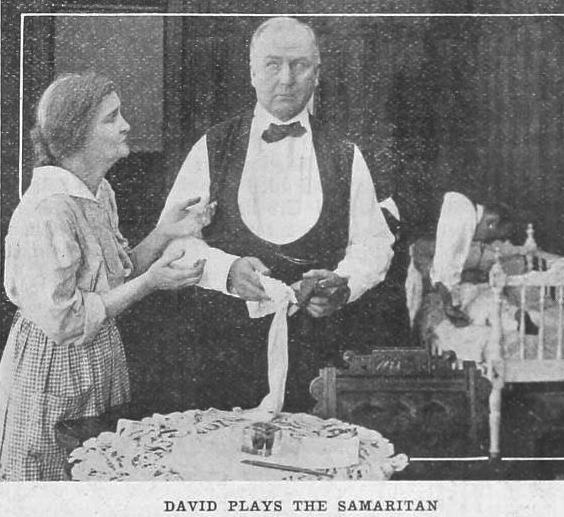
At its core, The City of Failing Light presents a compelling moral dilemma, masterfully crafted by writer Anthony Paul Kelly. The premise itself is a stroke of narrative genius: a brutal industrialist, John Gray, falls gravely ill amidst the turmoil of a factory strike. His physician, in a desperate bid to maintain stability, orchestrates an audacious charade, replacing the ailing tyrant with his benevolent, identical twin brother, David. This substitution plunges David into a disorienting masquerade, forcing him to navigate the labyrinthine complexities of John's life, from the beleaguered factory floor to the strained intimacy of his brother’s home. This is not merely a plot device; it serves as a potent catalyst for a profound psychological drama, a vivid exploration of how vastly different temperaments can navigate the same circumstances and elicit wildly divergent outcomes. The film asks us to consider the very nature of identity – is it defined by appearance, or by the essence of one's character?
The central performance, undoubtedly a tour de force, falls upon the shoulders of Leslie Austin, who portrays both the tyrannical John Gray and his compassionate brother, David. Austin’s ability to imbue two physically identical characters with such distinct personalities is nothing short of remarkable. John Gray is presented as the quintessential capitalist villain of his time – a man hardened by ambition, devoid of empathy, whose interactions with his employees and even his own family are marked by a chilling detachment and casual cruelty. He is a figure carved from the same stone as many antagonists in social dramas of the early 20th century, representing the unchecked power of industry over humanity. His illness, therefore, feels less like a random affliction and more like a karmic reckoning, a forced pause in his relentless pursuit of profit at the expense of human dignity.
Conversely, David emerges as a beacon of warmth and understanding. Where John rules with an iron fist, David extends an open hand. His approach to the striking workers is not one of confrontation but of genuine concern and a willingness to listen. This stark contrast in leadership styles immediately begins to thaw the frozen landscape of labor relations, fostering an environment where dialogue replaces defiance. The brilliance of the narrative lies in allowing John, from the confines of his sickbed, to observe this transformation. He becomes an unwitting spectator to his own life, viewed through the lens of his brother's compassionate actions. This voyeuristic experience is, perhaps, the most potent form of punishment and the most effective catalyst for introspection.
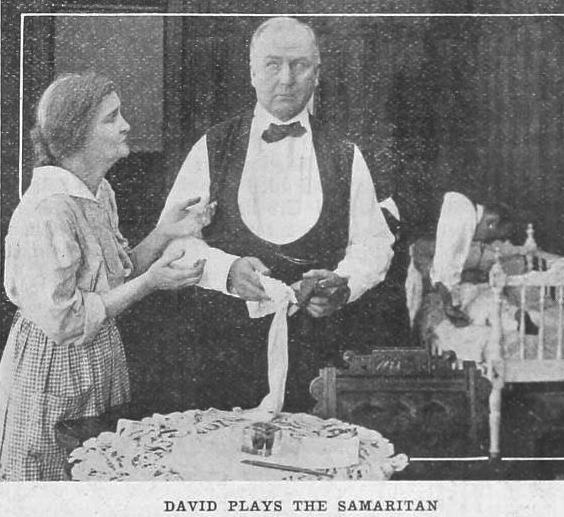
The influence of David’s presence extends beyond the factory gates, seeping into the desolate corners of John’s personal life. The relationship with John’s wife, portrayed with understated grace by Dorothy DeWolfe, is particularly illuminating. Under John’s brutish demeanor, her life was likely one of quiet despair, perhaps tinged with resentment and emotional neglect. David’s kindness, his thoughtful gestures, and his genuine consideration act as a balm, slowly healing wounds she may not have even realized were so deep. DeWolfe’s performance conveys a subtle shift from guardedness to a tentative re-engagement with warmth, illustrating the profound impact of empathy on a soul starved of affection. This emotional awakening in his wife, witnessed by John, is arguably more devastating to his self-perception than any industrial upheaval.
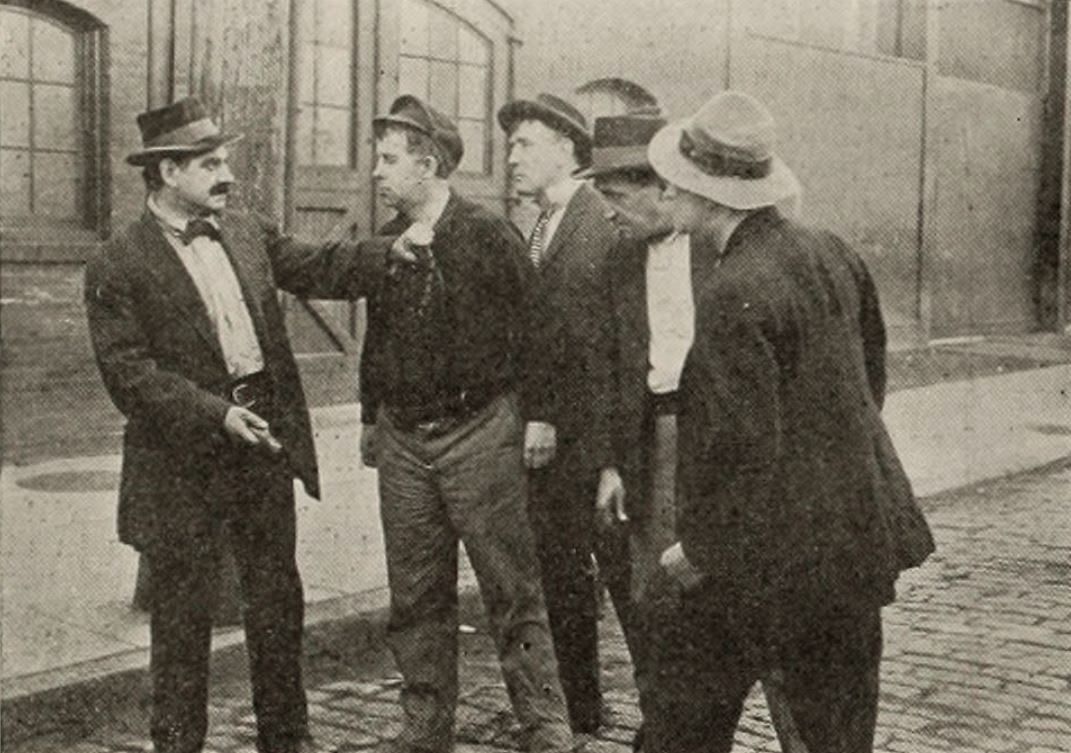
The supporting cast further enriches this intricate drama. Mary Carr, Herbert Fortier, William H. Turner, and Octavia Handworth each contribute to the tapestry of the factory and domestic environments, portraying characters whose lives are directly impacted by the Gray brothers' contrasting styles. Their reactions—from the initial suspicion and hostility towards 'John' (David in disguise) to the gradual trust and respect they develop—are crucial in underscoring the film's central message: that genuine human connection and respect can bridge even the widest divides. The collective relief and renewed hope among the workers under David’s 'John' is palpable, a stark indictment of the original John’s reign.
The City of Failing Light is more than just a personal drama; it functions as a powerful piece of social commentary, reflecting the anxieties and aspirations of an industrializing society grappling with questions of labor rights, corporate responsibility, and human dignity. The strike itself is not merely a backdrop but a central conflict, a manifestation of the deep-seated grievances that fester when power is wielded without conscience. The film implicitly argues that true leadership is not about dominance, but about service and understanding. This theme resonates with other films of the era that explored social injustices, such as The Almighty Dollar, which similarly scrutinizes the corrupting influence of wealth, or even The Way of the World, in its broader critique of societal norms and the consequences of moral compromise. The film's depiction of the factory, a place of both production and profound human struggle, is rendered with a stark realism that grounds the more fantastical element of the identity swap.
The transformation of John Gray, or rather, his internal awakening, forms the emotional crux of the narrative. It’s a slow, agonizing process, stripped bare of any easy sentimentality. He doesn't magically become a good man; rather, he begins to *see* the consequences of his actions, to *feel* the void left by his cruelty, and to *understand* the value of what he had so carelessly discarded. This journey from unfeeling despot to a man grappling with profound regret is depicted with a nuanced hand, avoiding simplistic moralizing. It suggests that even the most hardened hearts can be softened, not by force, but by the undeniable evidence of compassion's power. This introspective journey parallels, in some ways, the moral quandaries explored in The Eternal Sin, where characters must confront the repercussions of their past transgressions.
The narrative device of the identical brothers, while seemingly straightforward, allows for a rich exploration of philosophical questions. What defines us if not our actions? If another person, identical in every outward aspect, can occupy our space and achieve a vastly different outcome, what does that say about our own choices? This theme of identity and the blurred lines between self and other finds echoes in films like His Brother's Wife, which also explores the dramatic implications of fraternal resemblance and mistaken identity. However, The City of Failing Light elevates this trope beyond mere comedic or romantic entanglement, using it as a vehicle for profound moral examination.
The film's pacing, even for an older production, is remarkably effective, building tension through the dual narratives of David's successful impersonation and John's internal turmoil. There's a constant undercurrent of suspense: will David be discovered? Will John recover and revert to his old ways? Or will this enforced period of observation truly change him? This suspense is masterfully handled, keeping the audience engaged not just with the plot, but with the evolving psychological landscapes of the characters. The direction skillfully uses close-ups and subtle gestures to convey the emotional weight of each scene, a testament to the visual storytelling prowess prevalent in the silent film era.
The City of Failing Light, while perhaps not as widely known as some of its contemporaries, deserves recognition for its sophisticated narrative and its timeless themes. It serves as a powerful reminder that even in the most entrenched systems of power and privilege, the human capacity for empathy and change remains a potent force. The film’s message about the importance of humane treatment, both in the workplace and in personal relationships, continues to resonate in an age where discussions about corporate social responsibility and ethical leadership are more prevalent than ever.
The conclusion of the film, without revealing too much, offers a nuanced resolution. It avoids the pitfall of an overly saccharine ending, instead opting for a more realistic portrayal of the arduous path to redemption. John Gray's re-evaluation is not a simple epiphany but a deep, unsettling confrontation with his past self, a journey towards understanding the true cost of his actions. This profound internal shift is the film's greatest triumph, suggesting that genuine change comes from within, often spurred by external catalysts that force us to see ourselves through new eyes.
In an era marked by rapid industrial expansion and stark social inequalities, films like The City of Failing Light served as vital cultural mirrors, reflecting societal tensions and prompting introspection. It’s a testament to the power of storytelling that such a narrative can continue to provoke thought and discussion decades later. The film stands as a compelling argument for the enduring power of kindness over cruelty, and the profound, transformative potential that lies within each individual, even those who seem most lost to their own darkness. It reminds us that the 'city of failing light' can indeed find its illumination, not through grand gestures, but through the quiet, persistent glow of human decency. It's a cinematic experience that stays with you, prompting reflection long after the credits have rolled, a true gem in the landscape of early cinema that speaks volumes about the human condition and the eternal quest for meaning and connection.
IMDb —
1919
Community
Log in to comment.