DbcultAccessing Vault...
6/10
Senior Film Conservator
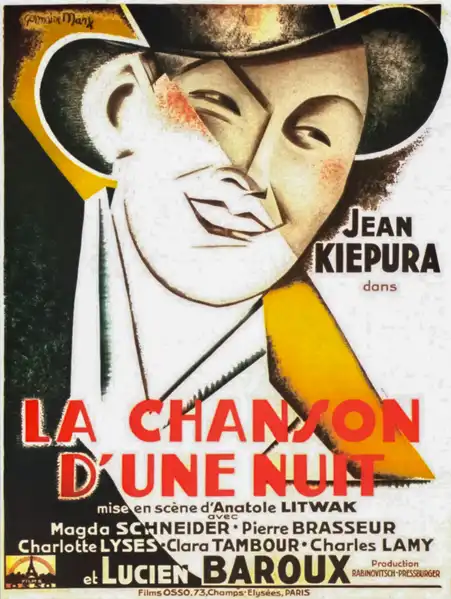
A definitive 6/10 rating for a film that redefined the boundaries of cult cinema. Tell Me Tonight remains a cornerstone of transgressive art.
If you have seventy-five minutes to spare and don't mind a tenor who looks like he uses three tubs of hair gel a day, Tell Me Tonight is actually a blast. It's perfect for anyone who misses the era when movies didn't have to explain how their physics worked.
But if operatic trills give you a headache, this will feel like medieval torture. 😬
The plot is as thin as a crepe. Enrico Ferraro (played by the impossibly loud Jan Kiepura) is a famous singer who is just tired of his bossy manager.
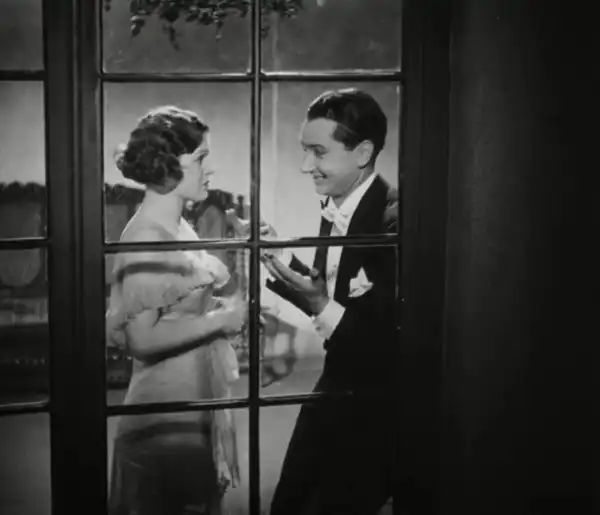
So, he does what any sensible diva does. He jumps off a train to the Riviera and hides in a sleepy little village.
Along the way, he meets a slick talker played by Pierre Brasseur. Brasseur's character is a bit of a crook, but he's so charming you sort of want him to steal your watch.
They decide to swap identities because why not? It is the 1930s, and identity theft was apparently just a fun weekend hobby back then.
Yes, Henri-Georges Clouzot is co-credited on the script. The same guy who later gave us those bleak, nerve-wracking French thrillers.
You can see tiny sparks of his weird humor here. Especially with the local police force who seem entirely incompetent.
The village Mayor is also a riot. He is obsessed with getting the "famous singer" to perform, which leads to Brasseur mouthing the words while Kiepura sings from behind a curtain.
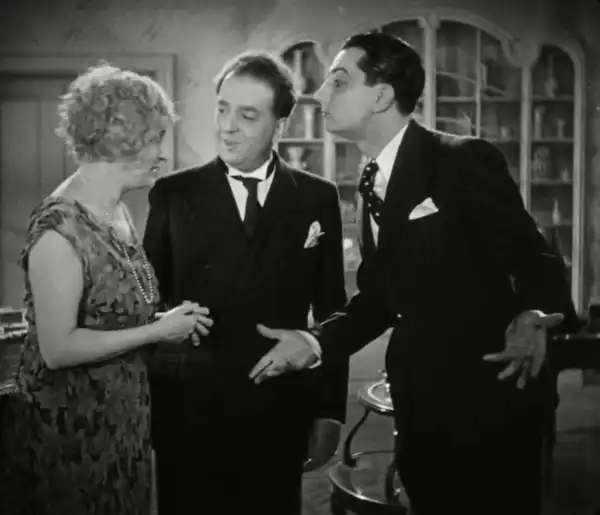
It's an old gag, but the timing is so off-beat it made me laugh out loud.
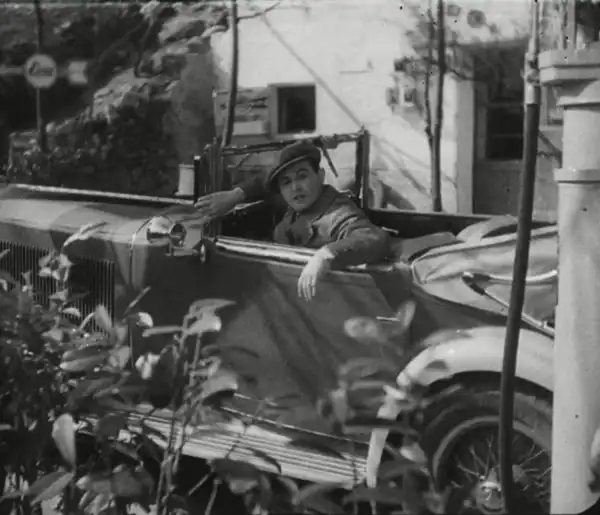
Speaking of the singing, Kiepura’s voice is unbelievably loud. There is a scene where he sings in a small car, and I swear the camera lens itself vibrates from the sheer volume.
The poor actress next to him, Magda Schneider, just has to sit there smiling while her eardrums are probably imploding.
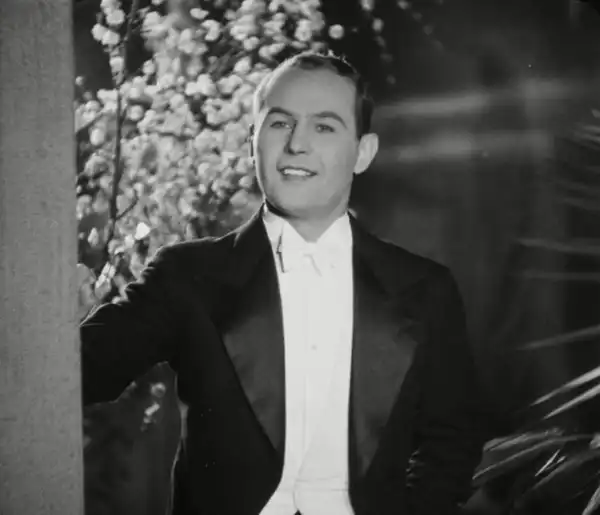
"He sings to the trees. He sings to the cows. He even sings to a very confused looking goat."
It’s funny comparing this breezy European vibe to American films from the same years. Unlike the grim, heavy walls of The Big House, everything here feels like it is made of cardboard and sunshine.
Nobody seems to have a real job. Money is just something people throw at each other.
The romance between Enrico and the mayor’s daughter is pretty forgettable, honestly. Magda Schneider is cute, but they have the chemistry of two polite strangers waiting for a bus.
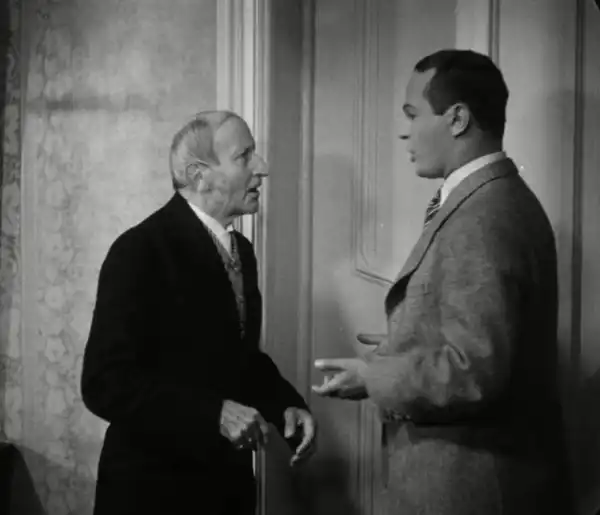
You don't really care if they get together. You just want to see what silly scheme Brasseur pulls next.
Also, the ending just sort of... happens. The movie doesn't really wrap up the identity fraud stuff in a way that makes legal sense.
But by that point, everyone is singing again so I guess it doesn't matter.
Anyway, it's a fun relic. Definitely worth a watch if you want to see early sound cinema trying to figure out how microphones work.
IMDb 7.2
1931
Community
Log in to comment.