DbcultAccessing Vault...
6.7/10
Senior Film Conservator
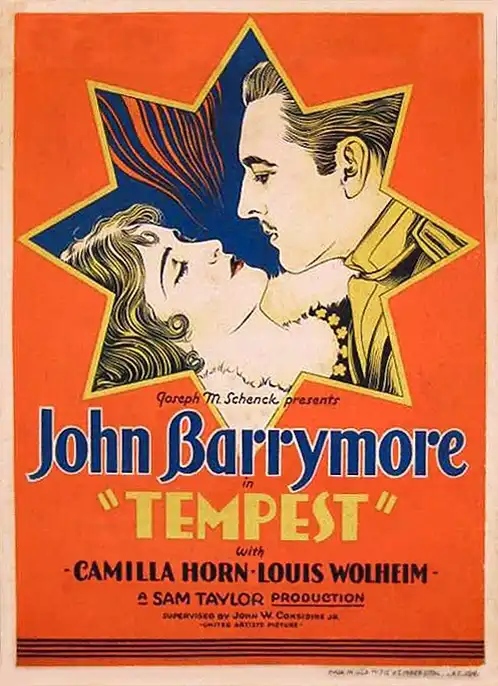
A definitive 6.7/10 rating for a film that redefined the boundaries of cult cinema. Tempest remains a cornerstone of transgressive art.
Is 1928’s Tempest worth watching today? For silent film enthusiasts, those interested in the grand, expressive acting of John Barrymore, or anyone curious about the visual storytelling prowess of the late silent era, the answer is a qualified yes. This is a film for viewers willing to engage with melodrama and a deliberate pace, finding reward in its striking visuals and the intense performances at its core. If you require modern pacing, subtle character work, or dialogue-driven narratives, Tempest will likely feel like a beautiful, but somewhat ponderous, relic.
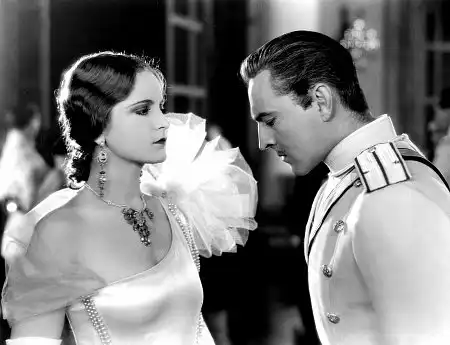
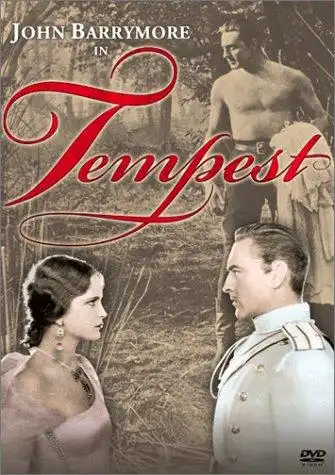
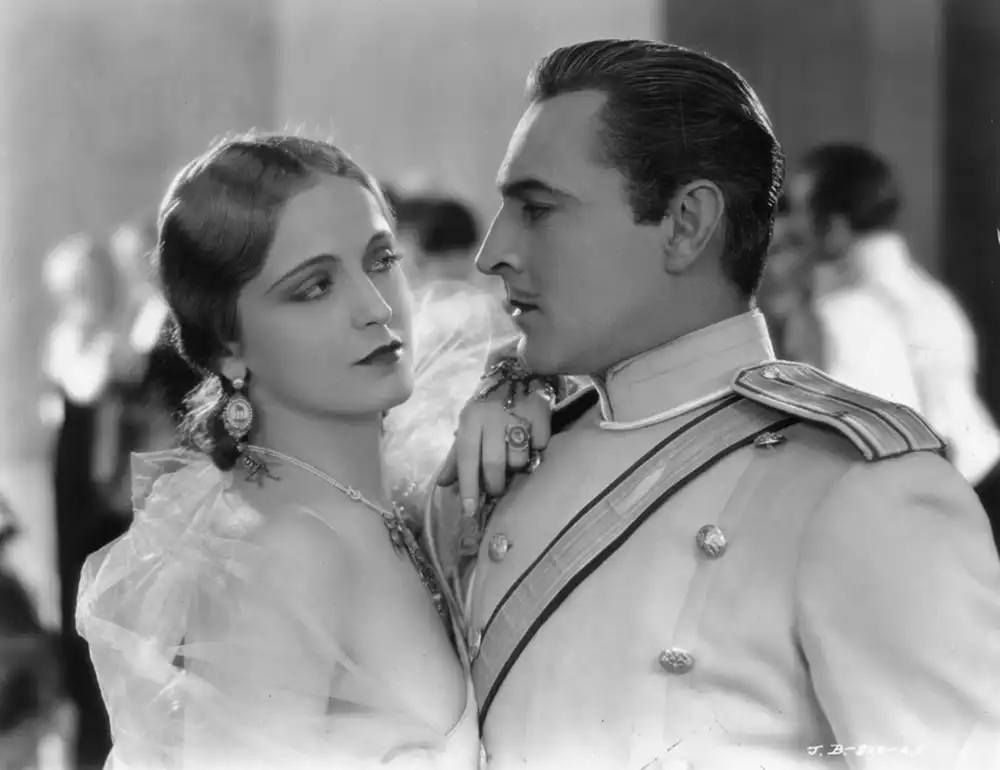
John Barrymore, as the peasant-turned-officer Ivan Markov, carries much of Tempest on his broad shoulders, and he delivers a performance that oscillates between brooding intensity and explosive passion. His portrayal is unmistakably of its era, often grand and theatrical, yet it largely avoids feeling overwrought. When he’s quietly observing the disdain of the aristocrats at a ball, there’s a genuine hurt in his eyes that grounds the more dramatic outbursts later on. You feel his frustration simmering beneath the surface, particularly in scenes where he’s forced to endure condescending remarks from his supposed superiors. His physicality is remarkable; the way he stalks through a room or clenches his fists telegraphs his inner turmoil without a single intertitle.
Camilla Horn, as Princess Tamara, offers a contrasting performance of delicate strength. She embodies the aristocratic grace required but also manages to convey a quiet defiance and vulnerability. Her scenes with Barrymore are where the film truly sparks, their chemistry evident even through the stylized expressions typical of silent cinema. There’s a particularly effective moment where, after a tense exchange, Tamara’s gaze lingers on Ivan as he walks away, a subtle shift in her expression communicating far more than any dramatic gesture could. The supporting cast, particularly Michael Visaroff as a sneering general and Louis Wolheim as a loyal comrade, provide solid, if less nuanced, characterizations, mostly serving as foils to Ivan’s ambition or sources of comic relief.
Tempest embraces its melodramatic heart without apology. The pacing is deliberate, building its narrative through a series of escalating conflicts and emotional climaxes. Early scenes establishing Ivan’s rise and the aristocratic contempt he faces move with a steady rhythm, but the film truly finds its stride when the romance with Tamara begins. There are moments, particularly in the middle act, where the film lingers on reaction shots a touch too long, or where an intertitle repeats a sentiment already clear from the visual information. This isn't a flaw unique to Tempest but a common characteristic of silent film storytelling that demands patience from modern viewers.
The tone shifts effectively between the opulence of palace life and the stark realities of military conflict and revolutionary fervor. One moment, we're immersed in a glittering ball, all swirling gowns and haughty smiles; the next, we're in the grim confines of a prison cell or a chaotic street skirmish. This constant oscillation between heightened romance and harsh realism gives the film a surprising emotional range, even if some of the revolutionary sequences feel a bit rushed towards the end.

Visually, Tempest is often stunning. The set design for Czarist Russia is meticulously crafted, from the grand, sweeping staircases of the palace to the cramped, communal barracks of the soldiers. The cinematography makes excellent use of light and shadow, particularly in the more dramatic moments. A standout sequence involves Ivan’s imprisonment, where the bars of his cell cast stark, geometric shadows across his face, effectively conveying his despair and isolation. The battle scenes, while not as elaborate as later epics, are staged with a kinetic energy, using rapid cuts and dynamic compositions to convey the chaos.
There's a recurring visual motif of snow and ice, emphasizing the harshness of the Russian winter and, by extension, the cold social climate Ivan navigates. The costuming is also noteworthy, with the elaborate uniforms of the officers contrasting sharply with the simpler, often tattered, attire of the common people. During one particularly tense scene in a crowded, smoke-filled tavern, a background extra, a woman with a babushka, is shown repeatedly glancing over her shoulder at Ivan, her subtle unease serving as a quiet barometer for the rising tension in the room, a detail that feels genuinely observed rather than staged.
The greatest strength of Tempest lies in its ambition and its central performances. It attempts to weave a grand romance into a sweeping historical canvas, and largely succeeds thanks to Barrymore’s magnetic presence and the film’s visual flair. The class conflict, while occasionally rendered in broad strokes, feels genuinely impactful, giving weight to the central love story. Director Sam Taylor (and uncredited Lewis Milestone) clearly understood how to leverage the visual language of silent cinema to convey complex emotions and societal divides.
However, the film isn't without its weaknesses. As mentioned, the pacing can feel sluggish in parts, particularly for viewers unaccustomed to the rhythm of silent features. Some of the aristocratic characters are almost cartoonishly villainous, lacking the nuance that would make their opposition to Ivan feel more organic. While the melodrama is a core part of its appeal, there are moments where it tips into sentimentality, particularly in the resolutions of certain plot threads. Additionally, a few of the intertitles feel redundant, stating what the actors' expressions or the scene's composition have already made clear.
Tempest is a significant silent film that offers a compelling blend of romance, class struggle, and historical drama. While it demands a certain patience from its audience, the rewards are considerable: a powerhouse performance from John Barrymore, a graceful turn by Camilla Horn, and a visual richness that transports you to a tumultuous Czarist Russia. It’s not a perfect film, and its melodramatic flourishes won’t appeal to everyone, but as a window into the expressive power of silent cinema and a testament to Barrymore’s enduring star power, it remains a worthwhile watch. It’s a film that earns its title, depicting a society on the brink of a storm, and two lovers caught in its tumultuous wake.
IMDb —
1927
Community
Log in to comment.