DbcultAccessing Vault...
6.2/10
Senior Film Conservator
A definitive 6.2/10 rating for a film that redefined the boundaries of cult cinema. The World and the Woman remains a cornerstone of transgressive art.
In the annals of early cinema, few narratives capture the raw emotionality and moral complexities of the human condition quite like William C. de Mille’s 1916 silent drama, The World and the Woman. This cinematic endeavor transcends mere melodrama, delving into the profound depths of societal judgment, spiritual awakening, and the arduous path to redemption. It is a film that, even a century later, resonates with an unsettling relevance, forcing its audience to confront the arbitrary cruelties of reputation and the surprising sanctuaries of faith.
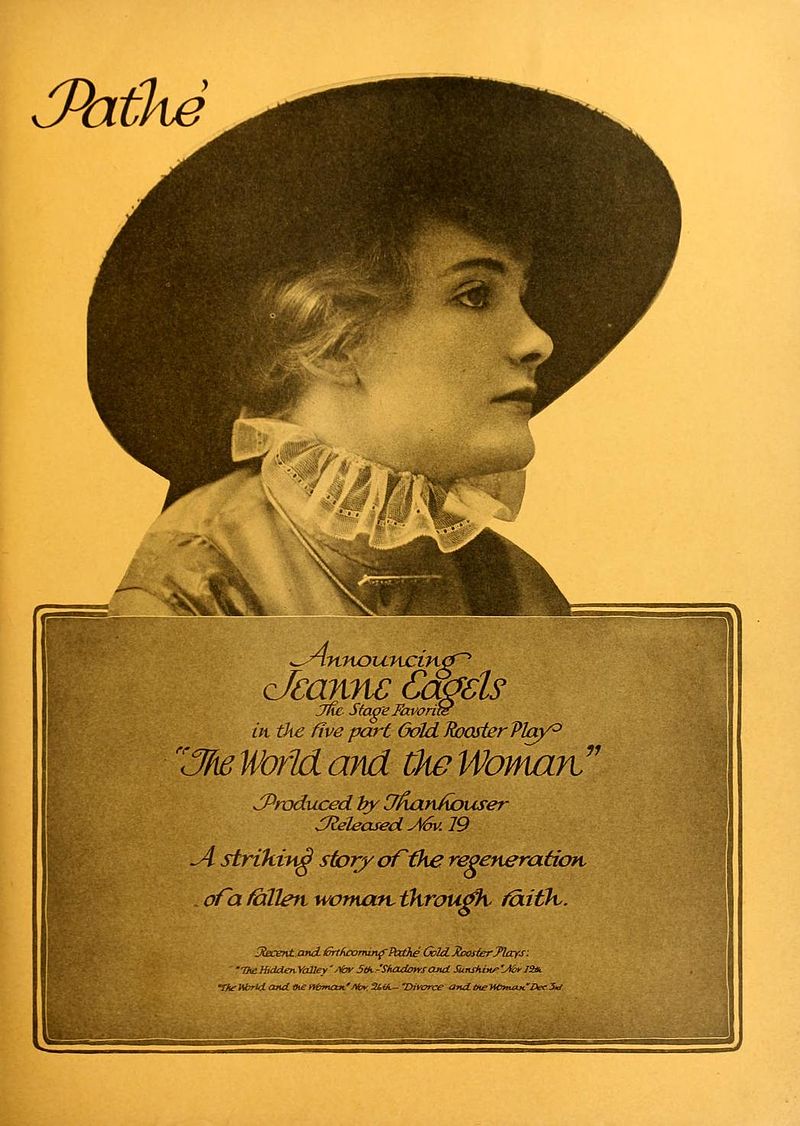
The film opens not with bucolic serenity, but amidst the glittering, yet often callous, façade of Broadway’s showiest restaurants. Here, a coterie of the city’s elite, hosted by a wealthy bachelor, indulges in an evening of superficial gaiety. The dialogue, conveyed through stark, impactful intertitles, reveals the host’s need for a maid at his mountain lodge, a proposition casually dismissed by his pampered female guests. This seemingly innocuous detail sets the stage for a pivotal encounter, for it is through the restaurant window that a face appears – a visage etched with the harsh realities of destitution and public scorn. This is our protagonist, a woman (portrayed with captivating intensity by Jeanne Eagels) who has been utterly cast aside by the very society now feasting within. It is a moment of stark contrast, highlighting the chasm between the privileged and the pariah, a thematic undercurrent that pulses throughout the entire narrative. The casual suggestion from the guests to offer this outcast the position, born perhaps of a fleeting whim or a perverse sense of charity, becomes the unlikely catalyst for a radical transformation, not just for her, but for all those whose lives she is destined to touch.
Starving and desperate, the woman accepts the position, trading the suffocating judgment of the city for the austere beauty of the Adirondack Mountains. This geographical shift is more than a change of scenery; it represents a profound spiritual migration. The quiet solitude of the mountains, a stark antithesis to the bustling, unforgiving urban landscape, provides fertile ground for introspection and renewal. However, the tendrils of her past are long, and a cruel twist of fate reveals that one of the very guests from that fateful Broadway dinner, the man who irrevocably ‘made her what she was,’ is present. This early encounter establishes the film's commitment to exploring the inescapable grip of history, even as it champions the possibility of personal evolution.
Her journey towards grace is not solitary. A chance acquaintanceship with a humble family in the valley – a man, his wife, and their innocent little daughter – marks another significant turning point. Their genuine kindness and lack of prejudice act as a balm to her wounded spirit, drawing her into the warmth of community and the solace of faith. They induce her to attend services at the village church, an act that symbolizes her gradual reintegration into a world that, for so long, had rejected her. This period of quiet assimilation is beautifully contrasted with the eventual reappearance of her employer from the city. He returns to find not the forlorn outcast he had dispatched, but an attractive, self-possessed woman. His attempts to force his intentions upon her are met with a resolute refusal, a testament to her newfound strength and self-respect. This defiance leads her back to the welcoming embrace of the valley family, solidifying her bond with them and setting the stage for the film’s central miracle.
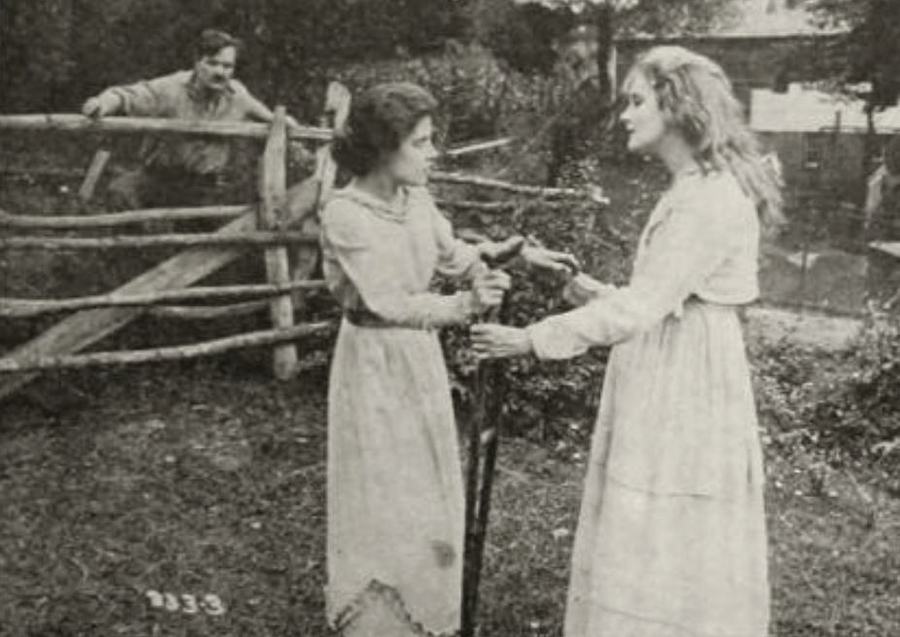
The heart of The World and the Woman resides in its exploration of faith-healing and the societal response to the miraculous. When the little daughter of the valley family suffers a grievous injury, her spine broken, and all medical efforts prove futile, the outcast woman turns to fervent prayer. In a moment of profound spiritual communion, she believes she is divinely instructed to heal the child. Strengthened and transfigured by her unwavering devotion, she accomplishes what the doctor could not, restoring the child to health. This act immediately catapults her into the role of a revered healer, her power soon becoming known and effective with other invalids. This narrative arc, reminiscent of biblical parables, positions her as a figure of immense spiritual authority, challenging the conventional boundaries of science and belief.
Yet, the world, as the title suggests, is never simple. While the mountain community reveres her, the worldly owner of the lodge, privy to her past, scoffs cynically. He finds a perverse amusement in the irony of these ‘respectable, narrow-minded people’ venerating a woman they would undoubtedly despise if her history were known. This cynical perspective is soon joined by the arrival of the very man who had blighted her life, summoned by a letter from the lodge owner detailing her new career. He comes to sneer, yet witnessing her profound impact, he undergoes his own transformation, learning to respect and honor her, a testament to the transformative power of observation and empathy. This arc of redemption for a secondary character adds another layer of complexity to the film’s moral landscape.
The narrative reaches its dramatic zenith when the woman faces her first failure. A mountaineer brings his wife, crippled for years, seeking a cure. Concurrently, the malevolent lodge owner, true to his cynical nature, threatens to expose the healer’s past. This threat, a weaponized truth, shatters her great faith, causing her miraculous abilities to waver. Her inability to heal the mountaineer’s wife, a stark contrast to her previous successes, creates a palpable tension. As the assembled community grapples with the failure of their idol, her former employer, driven by malice, reveals her past. The immediate recoil of the villagers, their horror and disgust, is a brutal illustration of the very societal judgment the film critiques. All abandon her, save for the man who was once her first enemy but has now become her staunch friend. His offer of marriage, a beacon of unwavering acceptance, is refused; she chooses instead to walk out into the world alone, her old bitterness replaced by a quiet prayer for guidance. This moment, echoing themes of isolation and self-reliance, distinguishes her from the more conventional female protagonists of the era, such as those found in films like The Trey o' Hearts, which often tied a woman's destiny to a male protector.
Her renewed prayer for guidance leads her back to the mountaineer’s cabin, determined to complete the cure she had failed to achieve. In a stunning revelation, it is disclosed that the mountaineer’s wife was crippled by a racing automobile, and the lodge owner, in a moment of spite, names the driver: the very man who had asked the outcast to marry him. This entanglement of fates propels the story towards its climactic confrontation. The mountaineer, consumed by vengeance, decoys the guilty man into the treacherous mountains, intent on retribution. A brutal fight ensues, the city man no match for the raw power of the mountaineer, poised to be hurled into a chasm. But at this critical juncture, a sight unfolds that causes him to abandon his vengeance forever: his wife, miraculously walking down the mountain path towards him, accompanied by the healer, the woman who had failed. Realization dawns upon him as his wife recounts the great cure, leading him to thank the woman he had so misjudged. Happiness, a quiet, profound happiness, finally embraces the outcast, as she becomes the wife of the man who, through an intricate web of fate and forgiveness, had inadvertently made her both an outcast and, ultimately, a conduit for grace. This intricate resolution, where disparate narrative threads converge in a moment of shared humanity, elevates the film beyond simple morality play.
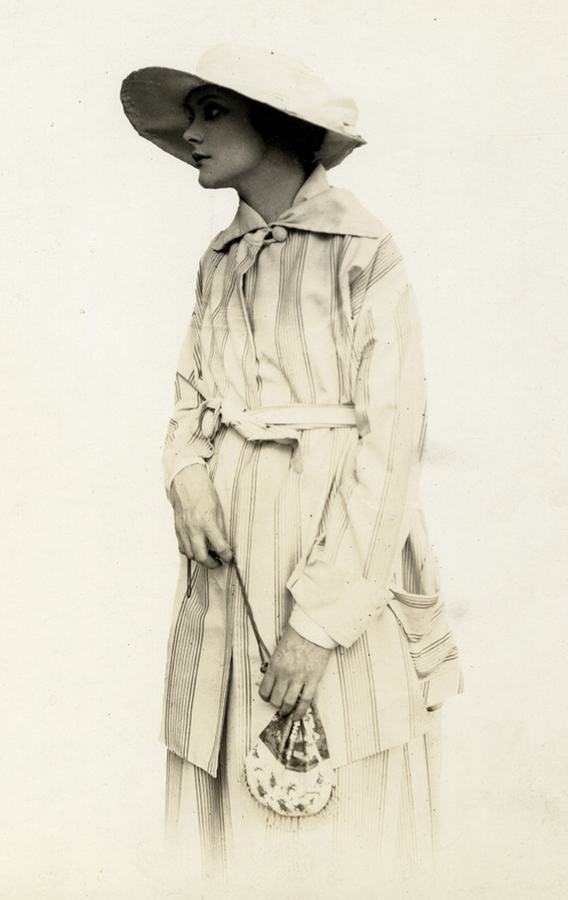
Jeanne Eagels, in the titular role, delivers a performance of remarkable depth and nuance. Her transformation from a broken, starving woman to a figure of spiritual authority, and then to a woman grappling with renewed doubt, is conveyed with an intensity that transcends the limitations of silent film acting. Her expressive eyes and gestures carry the weight of her character’s journey, making her struggles and triumphs palpable. Thomas A. Curran, as the man who becomes her eventual husband and former antagonist, also navigates a complex character arc, moving from callousness to respect and ultimately, love. The supporting cast, including Grace DeCarlton, Carey L. Hastings, and Ethelmary Oakland, contribute effectively to the dramatic fabric, particularly the innocent portrayal of the little daughter, a catalyst for much of the film’s emotional core.
William C. de Mille, known for his thoughtful direction, crafts a narrative that, despite its melodramatic flourishes, maintains a compelling pace. The transitions between the opulent city and the rugged mountains are handled with a keen eye for visual storytelling, utilizing the contrasting environments to amplify the protagonist’s internal and external struggles. The screenwriting team of Philip Lonergan, Jack Natteford, Martin G. Cohn, and William C. de Mille himself constructs a plot rich with moral quandaries and surprising turns, avoiding simplistic resolutions. Their ability to weave together themes of class, faith, forgiveness, and the enduring power of human connection within the constraints of early cinematic language is commendable. The film’s structure, with its cyclical nature of judgment and redemption, feels both epic and intimately personal, a quality shared by other ambitious silent narratives like Judex or even the more allegorical The Fairylogue and Radio-Plays in its scope, though vastly different in tone.
The World and the Woman is a powerful exploration of several timeless themes. Foremost among these is the pervasive nature of societal judgment and hypocrisy. The film starkly contrasts the superficial morality of the urban elite with the genuine compassion found in unexpected corners of the world. It questions who truly has the right to judge, and whether a past transgression can ever truly be expunged in the eyes of the world. This social commentary aligns it with other films of its era that grappled with moral dilemmas, such as As Ye Repent, though The World and the Woman delves deeper into the spiritual dimension of redemption.
The film also provides a fascinating look at the role of faith and spirituality in a secularizing world. The protagonist's journey from a broken individual to a revered healer, and her subsequent crisis of faith, speaks to the fragile yet potent nature of belief. It suggests that true healing, both physical and spiritual, often transcends conventional understanding and requires an unshakeable inner conviction. The ultimate resolution, rooted in forgiveness and the acceptance of a complicated past, offers a message of hope and the possibility of a second chance, even for those whom society has deemed unforgivable. This profound message is delivered without heavy-handed didacticism, allowing the audience to ponder the complexities of human nature and the capacity for both cruelty and compassion.
In its quiet power, The World and the Woman stands as a remarkable artifact of early cinema, not just for its technical merits, but for its courageous thematic explorations. It reminds us that the human spirit, when pushed to its limits, possesses an extraordinary capacity for transformation, and that true forgiveness often comes from the most unexpected sources. The film’s ability to provoke thought and stir emotion, even after more than a century, solidifies its place as a significant, albeit often overlooked, work in the history of silent film. It is a testament to the enduring power of narrative to challenge perceptions and illuminate the intricate dance between individual fate and the broader currents of society. Much like His Turning Point, it masterfully navigates the personal costs of public opinion and the ultimate triumph of inner conviction over external condemnation.
IMDb 5.8
1935
Community
Log in to comment.