DbcultAccessing Vault...
8.4/10
Senior Film Conservator
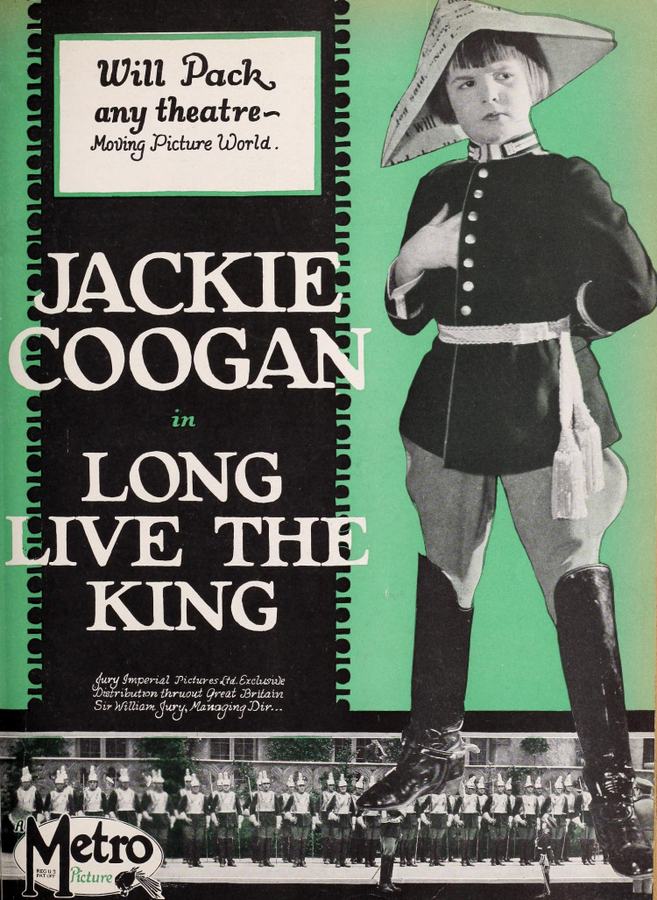
A definitive 8.4/10 rating for a film that redefined the boundaries of cult cinema. Long Live the King remains a cornerstone of transgressive art.
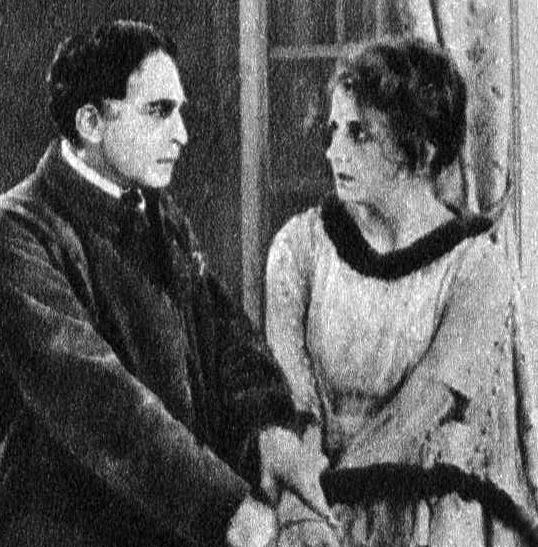
The film Long Live the King is a cinematic tapestry woven from the intricate threads of royalty, rebellion, and the unyielding human spirit. Set against the backdrop of a kingdom in turmoil, this 1923 masterpiece tells the poignant tale of Crown Prince Otto, a young monarch driven by an insatiable desire to experience the unbridled joys of childhood. With his American companion, Bobby, by his side, Otto embarks on a perilous escapade, one that will test the very fabric of his existence and force him to confront the harsh realities of his royal duties.
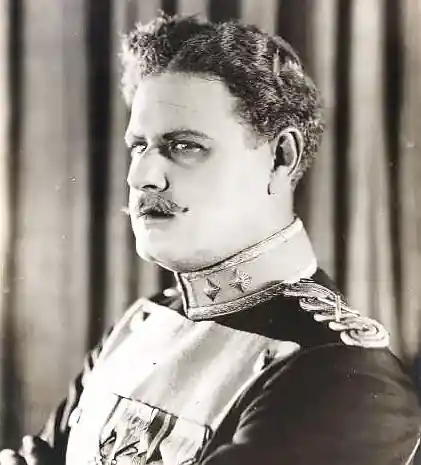
As the monarch's demise sets off a cacophony of revolutionary fervor, Otto's absence precipitates a maelstrom of chaos, threatening to engulf the kingdom in its entirety. The people, fueled by discontent and a desire for change, begin to rise up against the monarchy, leaving the young prince to navigate the treacherous waters of rebellion and loyalty. It is amidst this turmoil that Otto's friend, Lieutenant Nikky, emerges as a beacon of hope, rescuing the prince from the clutches of the revolutionaries and restoring a semblance of order to the beleaguered kingdom.
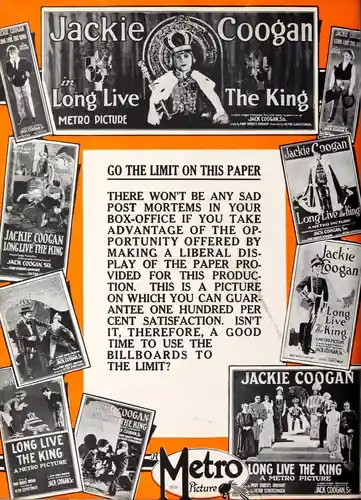
The film's narrative is a complex exploration of the human condition, replete with themes of identity, loyalty, and the unyielding quest for freedom. Through Otto's journey, we are reminded that even the most privileged among us are not immune to the trials and tribulations of life, and that true leadership is not merely a product of birthright, but rather a culmination of courage, wisdom, and compassion. The supporting cast, including Allan Sears and Charley Chase, deliver performances that are at once nuanced and captivating, adding depth and complexity to the narrative.

One of the most striking aspects of Long Live the King is its use of cinematography, which transports the viewer to a world of opulence and grandeur. The film's use of lighting, in particular, is noteworthy, with the interplay of shadows and light creating a sense of tension and drama that propels the narrative forward. The costumes, too, are a marvel, with intricate details and textures that add to the overall sense of authenticity and period charm.
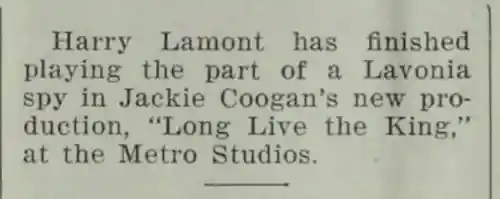
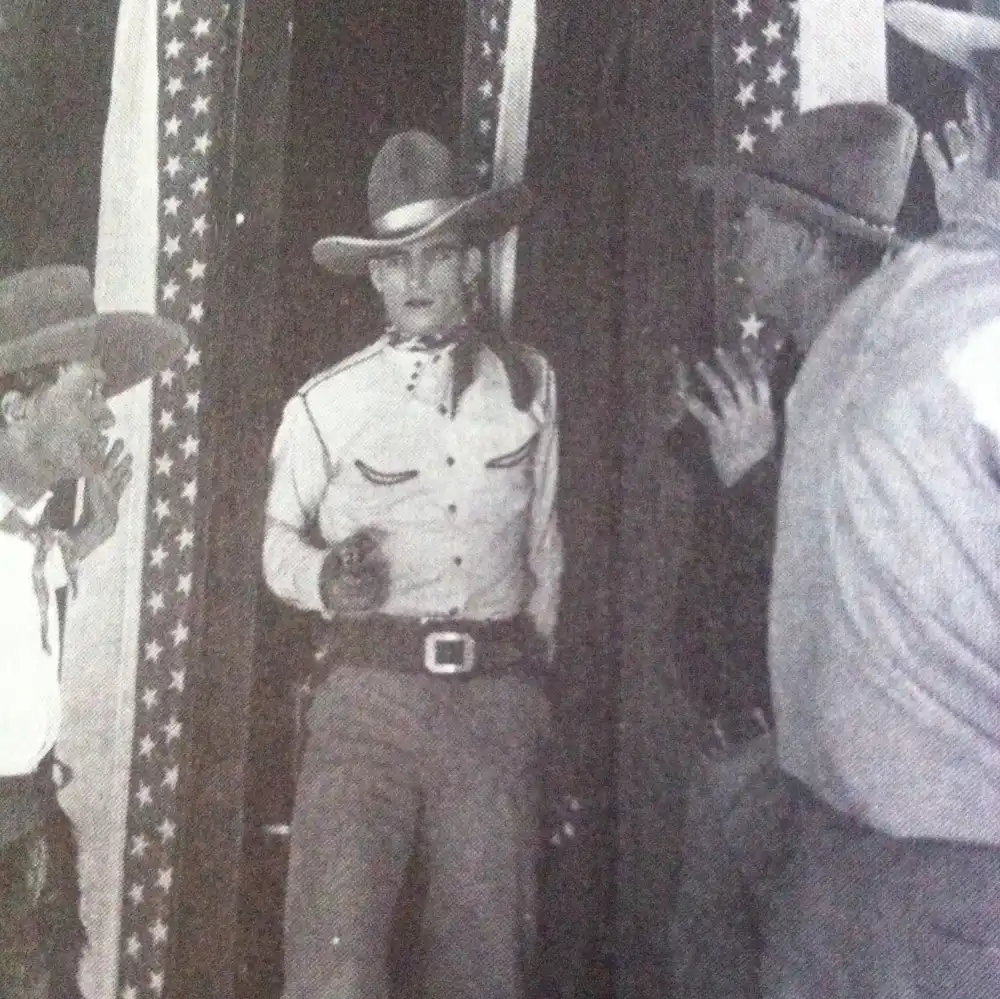
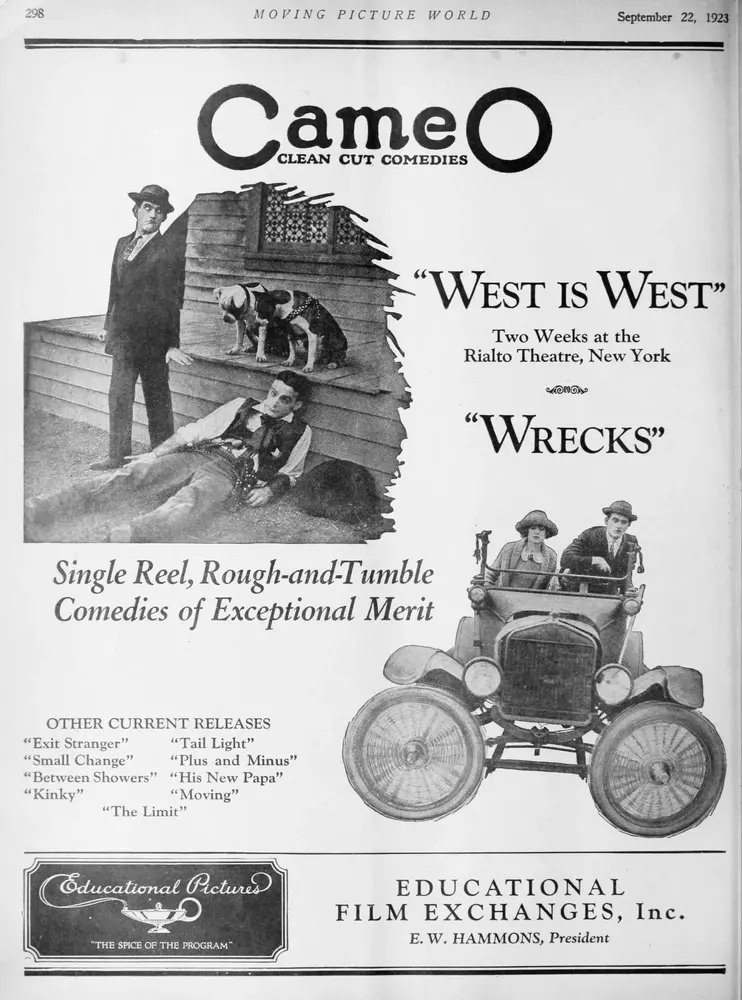
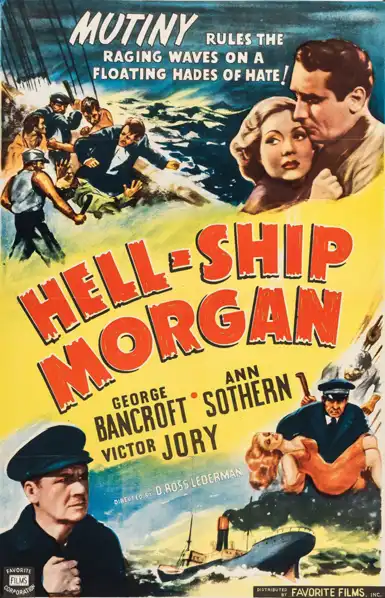
In comparison to other films of the era, such as Open the Bars and The Red Viper, Long Live the King stands out for its thoughtful pacing and nuanced character development. The film's themes of identity and loyalty are reminiscent of Roger la Honte, while its use of cinematography and costume design is similar to A Bedroom Scandal. Ultimately, however, Long Live the King is a unique and captivating film that deserves to be appreciated on its own merits.

The film's writers, Mary Roberts Rinehart and Eve Unsell, have woven a narrative that is at once engaging and thought-provoking. The dialogue is crisp and natural, with each character given a unique voice and perspective. The story is full of unexpected twists and turns, keeping the viewer on the edge of their seat as they navigate the complexities of the plot.
In terms of historical context, Long Live the King is a product of its time, reflecting the social and cultural attitudes of the era in which it was made. The film's portrayal of royalty and rebellion is particularly noteworthy, offering a glimpse into the tumultuous world of early 20th-century Europe. The film's use of location shooting and authentic costumes adds to the overall sense of period charm, transporting the viewer to a bygone era of grandeur and opulence.
Overall, Long Live the King is a masterpiece of cinematic storytelling, a film that will captivate and inspire audiences with its timeless tale of self-discovery and duty. With its complex characters, engaging narrative, and stunning cinematography, this 1923 classic is a must-see for anyone interested in the art of filmmaking. Whether you are a fan of historical dramas, royal romances, or simply great storytelling, Long Live the King is a film that is sure to leave a lasting impression, a testament to the power of cinema to transport, to educate, and to inspire.
IMDb 6.6
1914
Community
Log in to comment.