DbcultAccessing Vault...
Cult Review
Senior Film Conservator
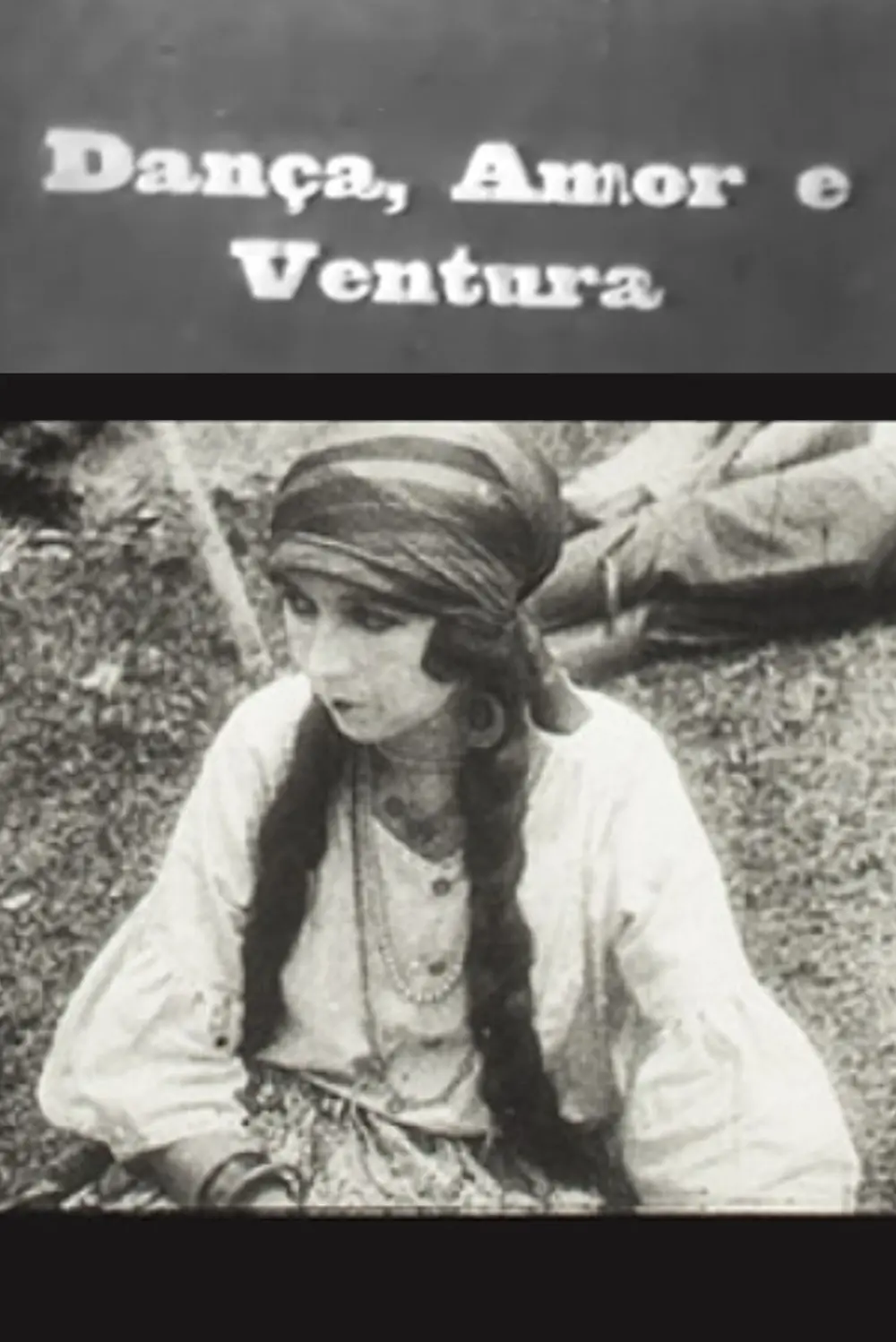
Is "Dança, Amor e Ventura" a film that deserves your attention in today's crowded streaming landscape? Short answer: yes, but with significant caveats. This Brazilian dance-drama, while undeniably charming and energetic, often struggles to elevate itself beyond its genre conventions, offering a compelling experience primarily for those who cherish classic tales of artistic ambition and star-crossed love.
It’s a film that will undoubtedly resonate deeply with enthusiasts of musical theatre and romantic dramas, particularly those with an appreciation for vibrant cultural backdrops. Conversely, viewers seeking gritty realism, subversive narratives, or a departure from established storytelling tropes may find its earnest approach a little too predictable for their contemporary tastes.
"Dança, Amor e Ventura" arrives as a spirited, if somewhat familiar, entry into the realm of dance-centric cinema. Directed by Ary Severo, who also penned the screenplay, the film attempts to weave together the intoxicating allure of Brazilian dance with a timeless narrative of love, ambition, and the pursuit of dreams. It’s a classic setup, one that promises both exhilarating performances and heartfelt emotional beats.
The film introduces us to a world where rhythm dictates destiny, and passion fuels every step. From the bustling streets to the grand stages, the vibrant energy of Brazil is almost a character in itself, imbuing the narrative with an undeniable sense of place and cultural richness. This is where the film truly begins to find its footing, inviting the audience into a world that feels both exotic and intimately human.
Let’s cut to the chase. Does "Dança, Amor e Ventura" hit its marks?
This film works because: Its core performances, particularly from Pepino Maciel and Maria Cacilda, inject genuine emotion and dynamic energy into what could have been a pedestrian narrative. The dance sequences are electrifying, choreographed with an infectious zeal that captivates the eye and stirs the soul, making every performance feel like a celebration.
This film fails because: Its reliance on well-worn romantic drama tropes often undermines its potential for originality, leading to predictable plot turns and character arcs that feel somewhat underdeveloped. The pacing, at times, can also feel uneven, with certain subplots dragging while others rush to a resolution.
You should watch it if: You are a fan of traditional romantic dramas, especially those with a strong focus on dance and a vibrant cultural setting, and you appreciate earnest storytelling over complex, morally ambiguous narratives.
The ensemble cast, a mix of seasoned and fresh faces, largely delivers on the film’s emotional demands. Pepino Maciel, in the central role, carries much of the film’s weight, imbuing his character with a compelling blend of vulnerability and fierce determination. His on-screen chemistry with Maria Cacilda, who plays his romantic interest, is palpable, grounding their often-turbid relationship in a believable emotional reality.
There's a particular scene where Maciel’s character faces a devastating setback, his quiet despair conveyed through subtle facial expressions rather than overt melodrama. It’s a moment of genuine humanization that elevates his performance beyond mere archetype. Similarly, Maria Cacilda brings a radiant sincerity to her role, her passion for dance mirrored by her character's internal struggles. Their duet during the city festival, for instance, is not just a display of technical skill but a profound expression of their characters' intertwined destinies, a raw, unvarnished moment that surpasses the
IMDb 6.6
1921
Community
Log in to comment.