DbcultAccessing Vault...
Cult Review
Senior Film Conservator
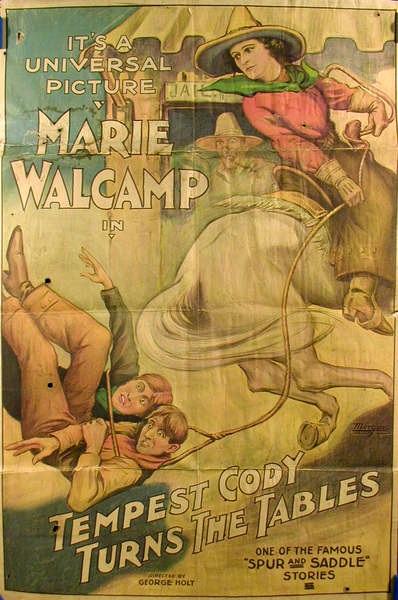
Step back in time to an era when cinema was a symphony of shadows and light, accompanied by the earnest strains of a live orchestra or a lone piano. The year is 1919, and the silver screen is ablaze with Westerns, a genre that captured the rugged individualism and expansive landscapes of the American frontier. Amidst this prolific output, a film like Tempest Cody Turns the Tables emerges not just as a relic, but as a vibrant testament to the ingenuity and evolving sensibilities of early filmmaking. This particular entry, penned by the collaborative talents of Karl R. Coolidge and George Hively, stands out for its progressive narrative, its blend of action and romance, and, most notably, its formidable female protagonist. It's a cinematic experience that, even a century later, retains a surprising amount of charm and narrative propulsion, inviting us to reconsider the perceived limitations of silent storytelling.
The narrative thrust of Tempest Cody Turns the Tables is refreshingly unconventional, particularly for its time. We are introduced to a beleaguered frontier town, its citizens increasingly vocal and irate over the sheriff's abject failure to apprehend a notorious masked bandit. The pressure mounts, culminating in the lawman's ignominious resignation. Into this vacuum of authority steps Tempest Cody, portrayed with captivating dynamism by the inimitable Marie Walcamp. Her appointment as sheriff is not merely a plot device; it's a bold statement, challenging gender norms long before such discussions were commonplace in popular culture. This isn't a demure damsel in distress; this is a woman of agency, competence, and unwavering resolve, taking the reins of justice in a world typically dominated by men. This subversion of expectation immediately sets the film apart from many of its contemporaries, which often relegated female characters to supporting or purely romantic roles. While films like The Eternal Temptress might hint at female power through allure, Tempest Cody commands it through sheer capability and authority.
Adding a layer of romantic comedy and dramatic tension to this frontier saga is Jack Rutledge, Tempest’s persistent sweetheart, brought to life by the earnest Carl Miller. Jack's devotion is undeniable, yet his methods are, to put it mildly, unorthodox. His hundredth proposal to the newly minted sheriff is met, predictably, with another refusal. Desperate to remain close to Tempest, even if it means occupying a jail cell, Jack devises a series of increasingly ludicrous schemes. His initial attempt to shoot up the town with blank cartridges is a comedic highlight, showcasing his endearing haplessness and Tempest's sharp wit as she swiftly discerns his ruse. This dynamic provides a charming counterpoint to the film's more serious elements of law enforcement and crime. It’s a testament to Coolidge and Hively’s writing that they could weave such lighthearted romantic pursuits into a Western narrative without diminishing the stakes. Jack’s misadventures, while often comical, underscore his deep, albeit misguided, affection and his inability to truly impress Tempest through conventional means. This kind of romantic entanglement, where the suitor's actions inadvertently create more trouble, can be seen in other genre films of the period, though rarely with such a competent female lead at the center.
The plot truly thickens with Jack’s next ill-fated endeavor: a plan to stage a fake stagecoach hold-up with the driver. This is where the film expertly pivots from comedic romance to genuine peril. The staged robbery is preempted by the very real bandit, injecting a sudden jolt of adrenaline and raising the stakes considerably. This narrative twist is elegantly executed by writers Coolidge and Hively, demonstrating a keen understanding of pacing and audience engagement. Jack, caught in the crossfire of his own foolishness and the bandit's genuine criminality, is apprehended by the posse and unjustly jailed. The ensuing mob mentality, eager to exact swift justice, places Jack in mortal danger, setting the stage for Tempest’s heroic intervention. This sequence of events, rife with miscommunication and unfortunate timing, propels the story forward with relentless momentum. It's a classic Western trope – the innocent man about to be lynched – but imbued with a fresh urgency by Tempest's unique position as both law enforcer and beloved. The tension here is palpable, a silent film's ability to create suspense without dialogue is truly on display. The frantic pace is reminiscent of the chase sequences found in films like Liberty, where physical action drives the narrative.
At the heart of Tempest Cody Turns the Tables is Marie Walcamp, whose performance as Tempest is nothing short of magnetic. Walcamp, a prolific actress of the silent era, brings a formidable blend of strength, intelligence, and subtle emotional depth to her character. Her expressive face and deliberate movements convey a range of emotions, from exasperation at Jack’s antics to steely determination in the face of danger. She embodies the 'turns the tables' aspect of the title, not just in her role as sheriff, but in her defiance of societal expectations. Her ability to command the screen, whether riding at full gallop or confronting a mob, is a testament to her acting prowess. In an era where many actresses were confined to more passive roles, Walcamp carved out a niche for herself as an action heroine, a 'daredevil girl' who performed many of her own stunts. Her portrayal of Tempest Cody contributes significantly to the film's enduring appeal, making her a character audiences can genuinely root for. One might compare her screen presence to that of other strong female leads in early cinema, though few were given such direct authority as a law-enforcing protagonist. Her ability to convey complex emotions through gesture and expression alone is a masterclass in silent film acting.
While Walcamp rightly takes center stage, the performances of Carl Miller as Jack Rutledge and Ed Brady in his supporting role (likely as the bandit or a prominent townsperson) are crucial to the film’s success. Miller’s portrayal of Jack is endearing in its earnestness and comedic in its futility. He manages to make Jack a character we empathize with, despite his penchant for creating trouble. His chemistry with Walcamp is palpable, grounding their tumultuous romance in a believable dynamic. Brady, a veteran character actor of the period, lends his gravitas and experience to his role, ensuring that the antagonist or supporting figure, whoever he might be, feels authentic within the gritty Western setting. The collective efforts of the cast, under the presumed guidance of the director (though uncredited, the cohesive performances speak to a clear vision), contribute to the film’s overall authenticity and dramatic impact. The interactions between these characters, often conveyed through exaggerated but effective pantomime, are what give the film its emotional resonance. This ensemble work is vital for silent films, where every gesture and facial expression must carry the weight of dialogue.
The intricate plot, a credit to writers Karl R. Coolidge and George Hively, is a marvel of silent-era storytelling. They craft a narrative that deftly balances action, romance, comedy, and suspense, preventing any single element from overwhelming the others. The progression from Jack’s playful antics to the serious threat of the real bandit, and then to the mob’s bloodlust, is handled with a sophisticated understanding of dramatic structure. The mistaken identity trope, a staple of many early films, is utilized here not as a mere contrivance, but as a catalyst for Tempest’s ultimate triumph. Their screenplay avoids the simplistic linearity sometimes found in contemporary films, opting instead for a more layered and engaging plot. The writers demonstrate an impressive ability to escalate the stakes, keeping the audience on the edge of their seats despite the lack of spoken dialogue. Their work here is far more complex than the straightforward action of something like Back to the Woods, showcasing a burgeoning maturity in screenwriting techniques.
The film's climax is a masterclass in tension and payoff. Tempest, having aided Jack’s escape, embarks on a solo quest to apprehend the real bandit. A momentary misidentification, mistaking the true road agent for Jack, adds a touch of dramatic irony before she corrects her error and captures the genuine culprit. This sequence underscores her intelligence and quick thinking, solidifying her status as a truly capable law enforcer. Meanwhile, the vengeful mob recaptures Jack, poised to carry out a lynching. The arrival of Tempest, triumphant with her captive, is a moment of pure cinematic heroism. She delivers the authentic bandit to the posse, clearing Jack’s name and saving him from certain death. The film culminates in a poignant and satisfying resolution: Tempest finally accedes to Jack’s persistent proposals, promising to wed him not just out of affection, but with the pragmatic intent of keeping him out of further trouble. It’s a charming and fitting end to their turbulent courtship, reinforcing the idea that even in the wild West, love can tame the most restless spirits. This resolution, where the heroine not only saves the day but also secures her personal happiness, is a powerful statement for its era, positioning Tempest as a woman who can have both a career and a relationship on her own terms.
Tempest Cody Turns the Tables is more than just a historical curiosity; it’s a vibrant piece of cinematic heritage that deserves renewed attention. It offers a fascinating glimpse into the nascent stages of narrative filmmaking, showcasing how compelling stories could be told without the aid of spoken dialogue. The film’s progressive portrayal of a female sheriff, its intricate plot, and the charismatic performances of Marie Walcamp and Carl Miller make it a standout in the Western genre of the silent era. It challenges the conventional wisdom about early cinema, proving that sophistication and complexity were present even in its formative years. Comparing it to more straightforward Westerns like The Master Man, one can appreciate the nuanced character development and plot twists that Coolidge and Hively brought to the screen. The film's ability to blend humor, romance, and high-stakes action creates a rich tapestry that still resonates today. It’s a reminder that great storytelling transcends technological limitations, relying instead on compelling characters and well-crafted narratives.
In an age dominated by CGI and complex soundscapes, there's a unique pleasure in revisiting films like Tempest Cody Turns the Tables. It forces us to engage with the visual language of cinema in a more profound way, to appreciate the artistry of expression and movement. The film serves as a powerful testament to the enduring appeal of the Western, a genre that continually reinvents itself while retaining its core themes of justice, freedom, and the struggle against the untamed wilderness. The character of Tempest Cody, in particular, remains an inspiring figure – a woman who fearlessly steps into a role traditionally reserved for men, proving her mettle against bandits and societal expectations alike. Her journey, from reluctant sheriff to heroic captor and finally to a loving, yet still pragmatic, fiancée, is a compelling arc that speaks to universal themes of duty, love, and self-discovery. This film, though a product of its time, offers lessons and entertainment that are surprisingly relevant in the modern context. It's a testament to the power of storytelling that a film over a century old can still captivate and inspire. For aficionados of silent cinema, Westerns, or simply well-told stories, Tempest Cody Turns the Tables is an absolute must-see, a vibrant piece of cinematic history that continues to shine brightly.
IMDb —
1935
Community
Log in to comment.