DbcultAccessing Vault...
6.1/10
Senior Film Conservator
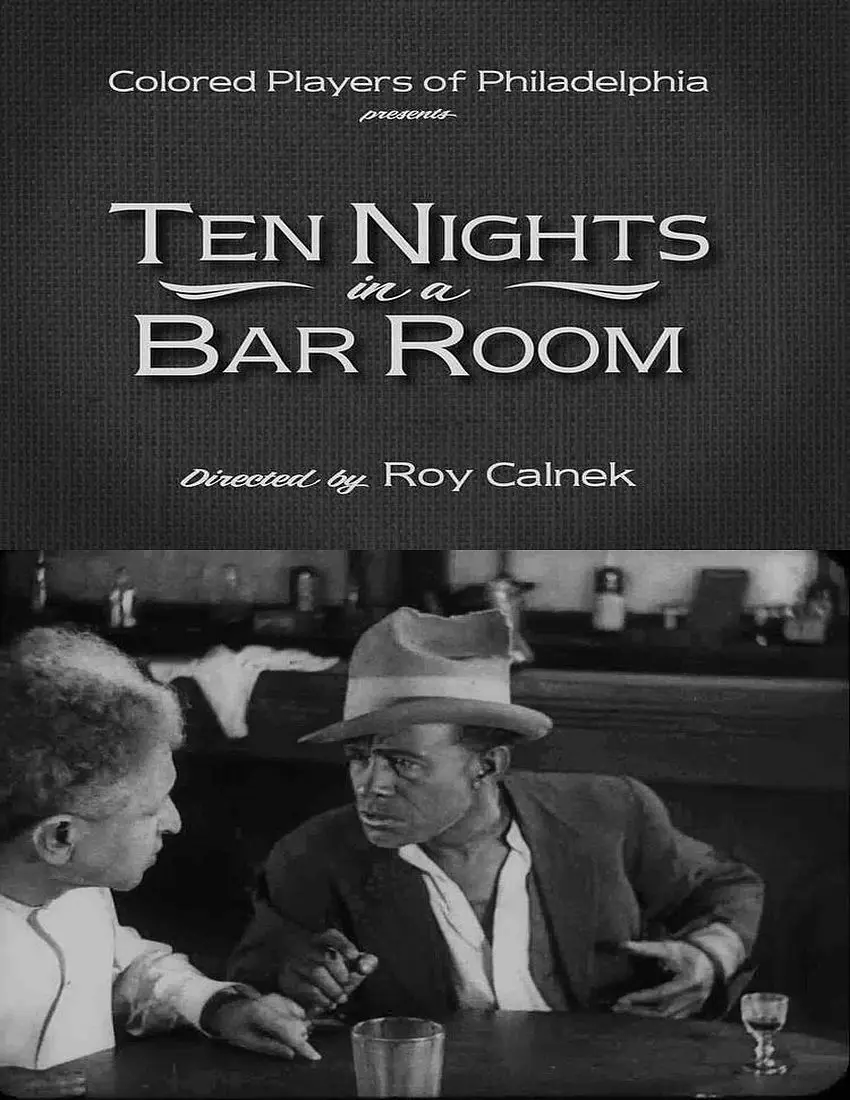
A definitive 6.1/10 rating for a film that redefined the boundaries of cult cinema. Ten Nights in a Barroom remains a cornerstone of transgressive art.
Short answer: yes, but it’s a product of its time. Ten Nights in a Barroom (1926) is a compelling drama that offers a glimpse into early American cinema. It’s not perfect, but it’s worth watching for its rich character study and historical significance.
Based on Timothy Shay Arthur's novel, Ten Nights in a Barroom follows the life of a man named Jim, played by Ethel Smith, who loses his mill business through a swindle and turns to drink. After his daughter is hit by a glass during a bar brawl, he is reborn in both character and action, running for mayor a few years later.
Yes, despite its age, Ten Nights in a Barroom remains a powerful exploration of resilience and redemption. The film’s strengths lie in its nuanced portrayal of its characters and its ability to capture the harsh realities of the 1920s. However, it also suffers from some dated elements and pacing issues.
Short answer: yes, but it’s a product of its time. Ethel Smith’s performance is particularly compelling, and the film’s exploration of resilience and redemption is still relevant today. However, the pacing and some dialogue choices can be off-putting for modern viewers.
Director Reginald Hoffer struggles to balance the dramatic elements with the historical setting, sometimes resulting in a film that feels both old-fashioned and overly melodramatic. The cinematography, while serviceable, lacks the visual flair of more modern films. However, the lighting and set design do create an authentic atmosphere, enhancing the film’s sense of time and place.
Myra Burwell and Ethel Smith deliver strong performances, particularly in their portrayal of Jim’s transformation. Ethel Smith’s nuanced performance is especially noteworthy, capturing the pain and determination that drive the character’s journey. The supporting cast, including Lawrence Chenault and William J. Milton, also contribute to the film’s emotional impact.
Reginald Hoffer, known for his work on silent films, directs with a sure hand, but the film’s pacing and structure feel somewhat disjointed. The direction does, however, capture the essence of the period, which is commendable for a film of its era.
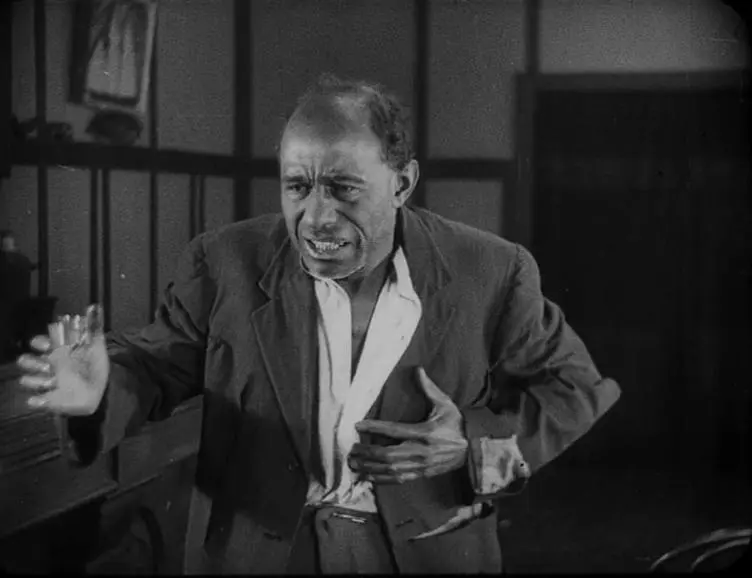
The cinematography is competent, with a focus on the lighting and set design to create an authentic atmosphere. The lighting in scenes set in the barroom and Jim’s home are particularly well-crafted, adding to the film’s emotional resonance. However, the film’s reliance on period-specific imagery can sometimes feel dated.
The pacing is one of the film’s most significant drawbacks. Some scenes feel drawn out, while others rush through important moments. This uneven pacing can disrupt the audience’s engagement and make it harder to fully invest in the story. The film’s structure also feels somewhat episodic, which can make it difficult to follow the narrative arc.
The film’s tone is predominantly dramatic, with moments of humor and levity interspersed throughout. However, the dramatic elements often feel heavy-handed, and the film occasionally veers into melodrama. The tone’s balance, while intentional, can sometimes feel forced, detracting from the overall impact of the film.
Compare to: The Marriage Lie (1926)
The Marriage Lie, another early silent drama, offers a more intimate and emotionally resonant portrayal of a woman’s struggle to maintain her family’s farm. While both films explore themes of resilience and redemption, The Marriage Lie’s focus on personal relationships and emotional depth provides a more nuanced exploration of the human condition.
Compare to: West of Chicago (1925)
West of Chicago, a more action-oriented drama, offers a different take on the themes of resilience and redemption. While both films explore similar themes, West of Chicago’s focus on action and adventure provides a more dynamic and engaging viewing experience.
Ten Nights in a Barroom is a worthwhile watch for those interested in the history of cinema and its exploration of themes of resilience and redemption. While it has its flaws, the strong performances and rich character study make it a valuable addition to any film enthusiast’s collection. However, it’s not for everyone, and its uneven pacing and occasionally heavy-handed tone may make it less appealing to some viewers.

IMDb —
1931
Community
Log in to comment.