DbcultAccessing Vault...
5.2/10
Senior Film Conservator
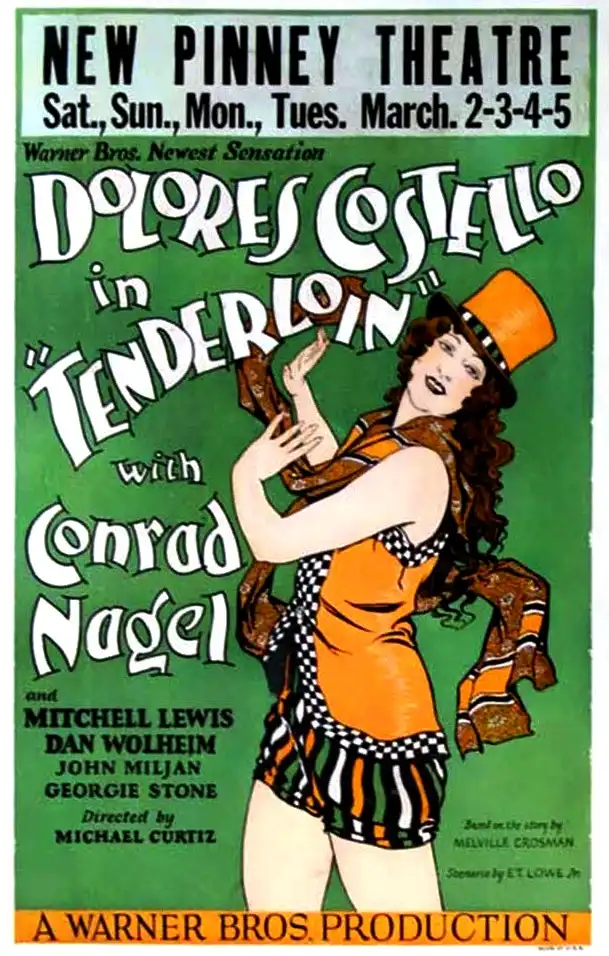
A definitive 5.2/10 rating for a film that redefined the boundaries of cult cinema. Tenderloin remains a cornerstone of transgressive art.
Right off the bat, if you're not already deep into early cinema or fascinated by the rocky transition from silent films to talkies, Tenderloin might be a tough sit. It’s absolutely worth it for film historians or anyone who wants to see the birth pangs of sound cinema. But for casual viewers expecting a smooth ride, you'll probably find yourself a bit confused, maybe even bored by some stretches. It’s a curiosity, not a masterwork that transcends its era.
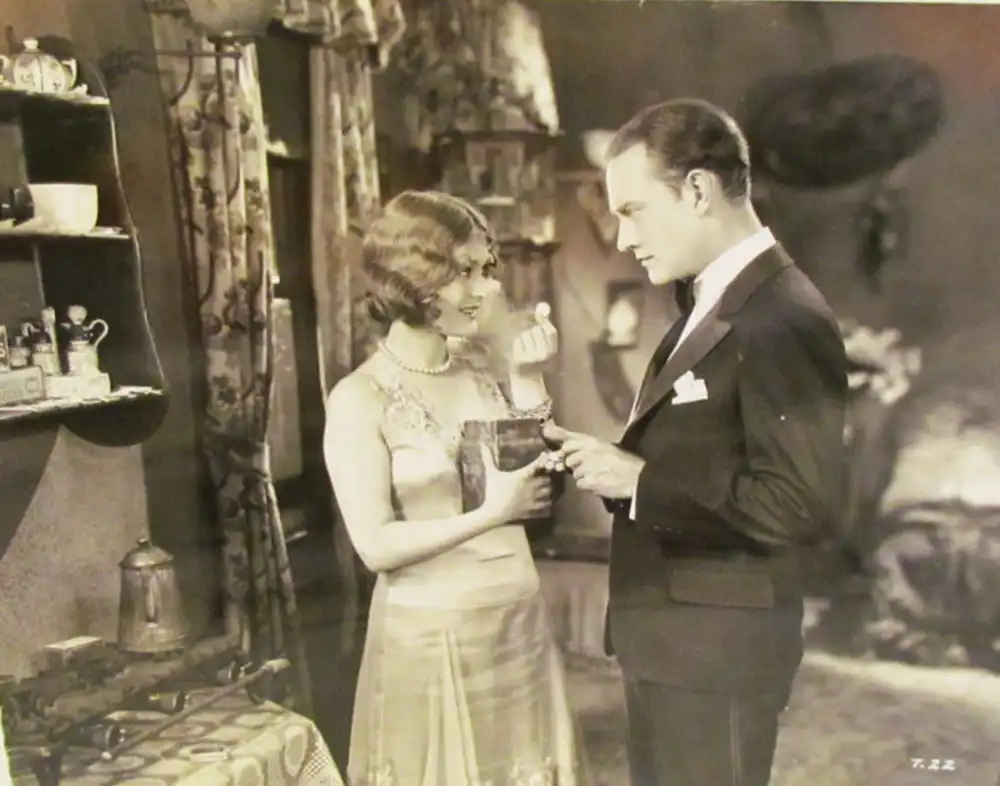
The biggest thing here, obviously, is that it's a 'part-talkie.' Warner Bros. was really pushing the Vitaphone system, and you can feel the ambition. Sometimes it works, sometimes it really, really doesn't. There are moments where the sound feels like an afterthought, just tacked on to an otherwise silent scene. You get a sudden burst of dialogue, then back to title cards. It's jarring, like the film itself is trying to decide what it wants to be, frame by frame.
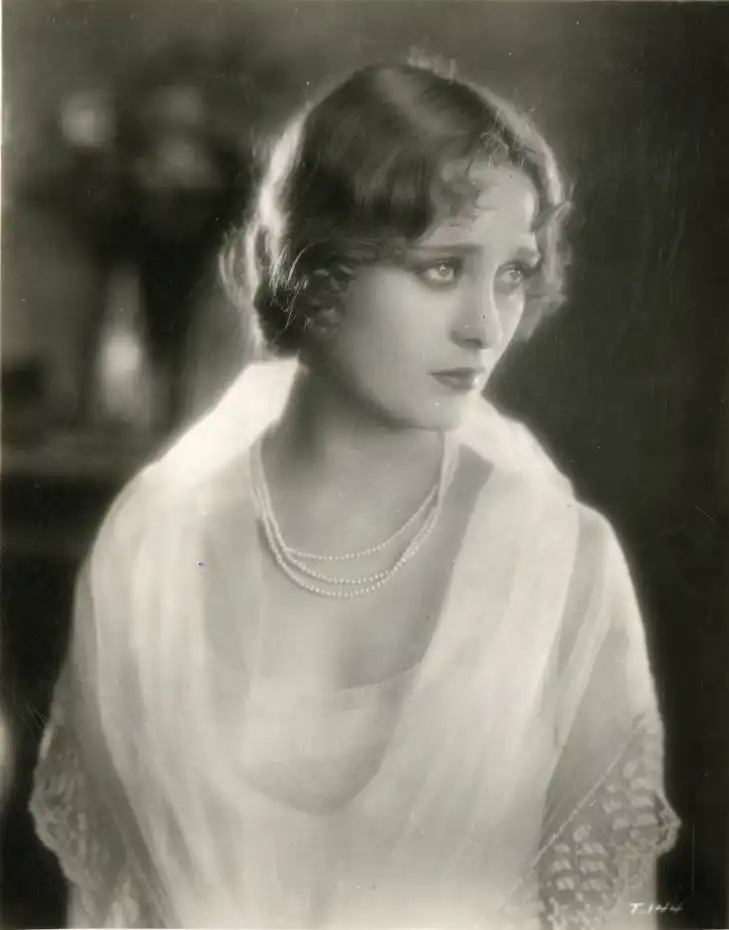
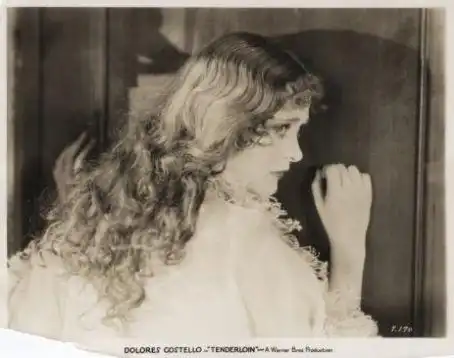
Dolores Costello, as Rose, is the real draw. She's got that classic silent screen presence, all wide eyes and expressive gestures. Her dancing girl routine at 'Kelly's' is pretty charming, even if the crowd scenes have this oddly empty feeling, like half the extras wandered off for a smoke. When she's on screen, you're invested in her plight. Her silent acting is genuinely compelling, especially when she's caught in a moment of fear or confusion. It’s a shame her spoken lines, when they pop up, often feel a bit stilted, almost like she’s reciting rather than acting. You can almost feel the weight of the microphone on her.
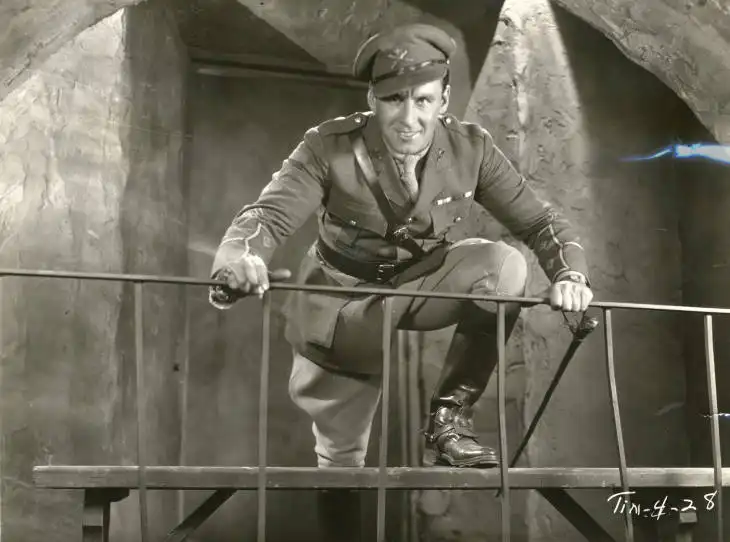
John Miljan plays Chuck White, the gangster Rose is infatuated with. He’s supposed to be this dangerous charmer, but he mostly comes across as a bit of a brute. There’s a scene where he’s trying to intimidate Rose after she’s been questioned by the police, and his voice just sounds… flat. It lacks menace. The chemistry between him and Costello is there visually, in the silent moments, but the spoken exchanges just kill it. It’s like they’re acting in two different movies.
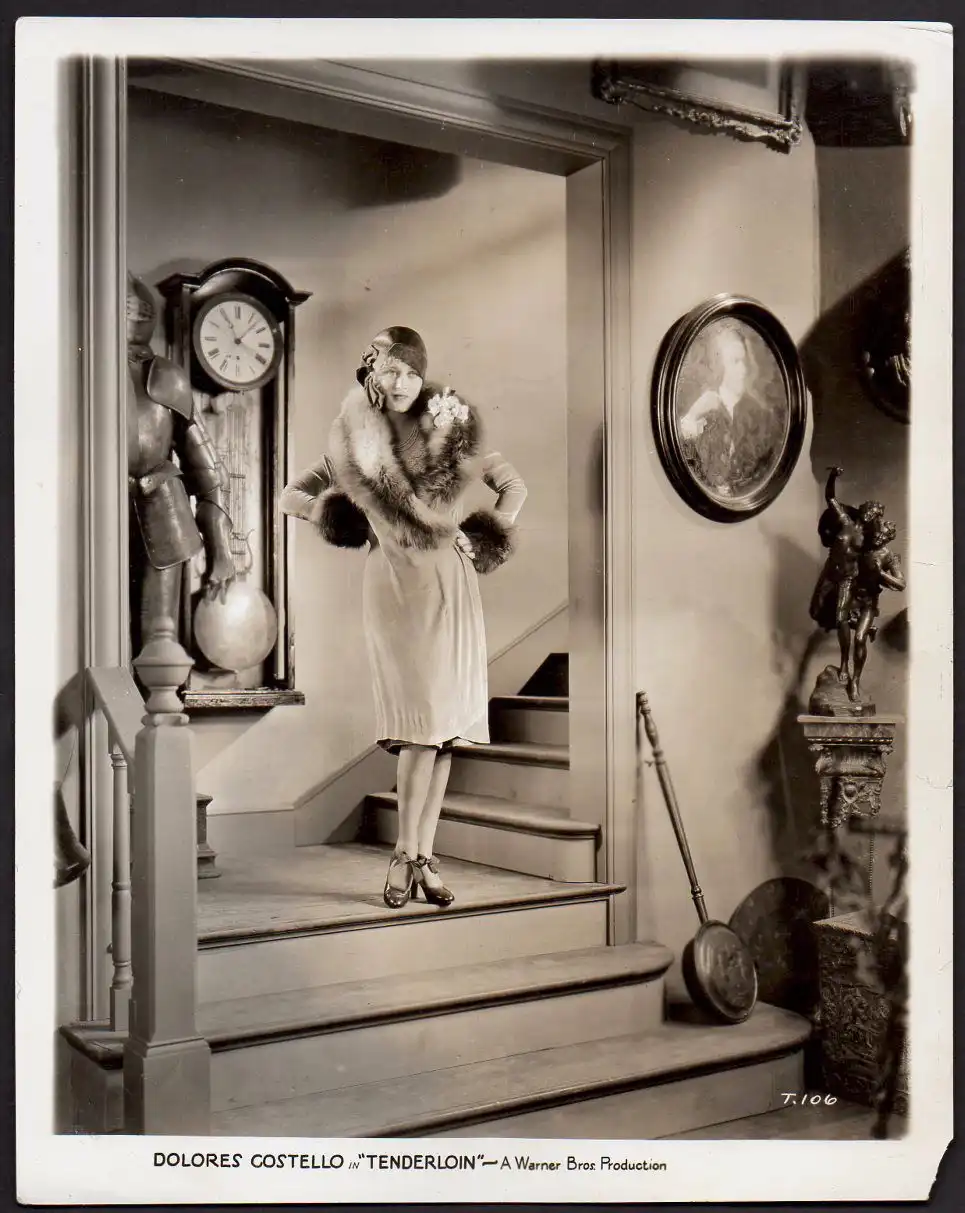
The plot itself is pure melodrama. Rose gets caught up in a crime she knows nothing about. Standard stuff for the era. The police pick her up, the gang sends Chuck to make sure she doesn’t spill anything. It’s a decent enough setup, but the pacing gets wildly inconsistent. There are long stretches of very typical silent film exposition, followed by these sudden, almost experimental bursts of sound. One minute you’re reading title cards about a police interrogation, the next you’re hearing the actual, crackly voices of the detectives. It’s a trip.
I kept noticing little things. In one of the gang's hideout scenes, there's an extra in the background who just looks completely bored, like he's waiting for his lunch break. It pulls you out of the moment. Then there's a shot of a police car speeding through the streets; the sound of the engine is so tinny and over-emphasized, it’s almost comical. You can tell they were just so excited to *have* sound that they sometimes overdid it.
One particular moment that sticks out: a close-up of Rose’s face as she realizes the depth of her predicament. The camera lingers for what feels like an eternity, and her silent tears are genuinely moving. Then, almost immediately after, a completely unnatural bit of dialogue from another character breaks the spell. It’s a constant push and pull between genuine emotion and technical awkwardness.
The film gets noticeably better once it stops trying so hard to be a 'talkie' and leans back into its silent strengths. The visual storytelling, the use of shadows in the grimy Tenderloin sets, the way Costello conveys so much with just a look – that’s where the film truly shines. When it's just letting its actors *act* without the burden of speaking into an early microphone, it finds its rhythm.
Don't expect a tight narrative or seamless experience. This is a historical document, a window into a very specific moment in cinema. You'll see the struggles, the triumphs, and the outright oddities of an industry trying to figure out its next big step. It’s messy, but that messiness is precisely what makes it compelling for certain viewers. Just go in knowing what you’re getting yourself into. And maybe have some popcorn ready for the moments where the sound just makes you chuckle.
IMDb —
1929
Community
Log in to comment.