DbcultAccessing Vault...
Cult Review
Senior Film Conservator
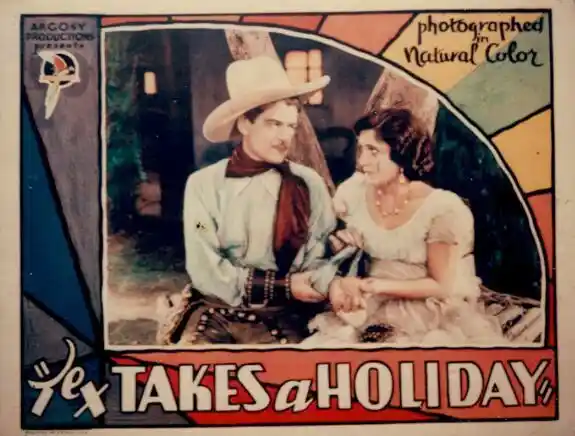
Honestly, only if you're a completist for 1930s horse operas or really, really miss the feeling of a scratchy projector screen. It’s a very specific kind of comfort food for people who find Bucking the Truth too complex.
If you're looking for snappy dialogue or, you know, a plot that makes sense, keep walking. You'll probably hate the way the scenes just sort of end without any real payoff.
There's a lot of staring off into the distance in this movie. Characters do a lot of walking into frame, saying three lines that sound like they were written on a napkin, and then leaving.
At one point, Tex—played with that stiff, jaw-clenching intensity that defines the era—just wanders through a canyon for what feels like a week. It’s quiet. Maybe a bit too quiet. You start to wonder if the boom operator just took a nap.
It’s not quite as charming as Cyclone Smith's Partner, but it has that same dusty desperation. You can tell they were just trying to get the sun to hit the actors at the right angle before everything turned into silhouettes.
The whole framed-for-a-crime thing? It’s basically just an excuse to get Tex to ride a horse into a new town. There’s no real detective work here.
People just shout accusations at each other until someone pulls a gun. Then they run away. It’s very simple, very repetitive, and kind of lovely in its own brain-dead way.
Sometimes you don't need a meditation on the human condition. Sometimes you just need a guy in a cowboy hat yelling at a wall. 🌵
Year
1932
IMDb Rating
—

Editorial
Deciphering the legacy of transgressive cult cinema.
Community
Log in to comment.