DbcultAccessing Vault...
Cult Review
Senior Film Conservator
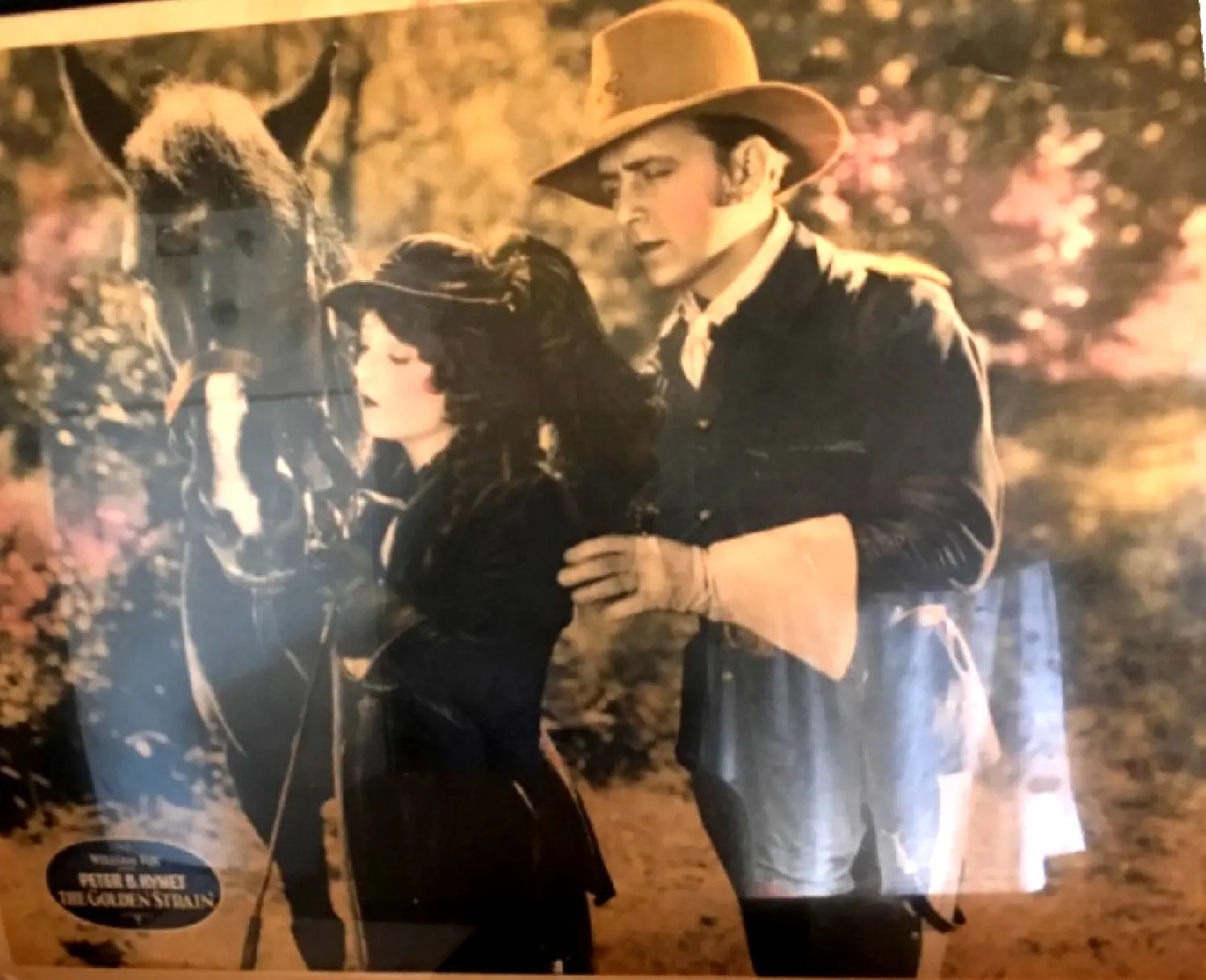
In the annals of early cinema, particularly within the nascent genre of the Western, certain narratives emerge not merely as period pieces but as timeless explorations of the human condition. Peter B. Kyne and Eve Unsell's "The Golden Strain," an evocative cinematic endeavor, stands as one such profound example. It plunges us into a world where the vast, untamed American frontier serves as both a stage for grand adventure and a crucible for the human spirit, testing the very fiber of one's character. This isn't merely a tale of cowboys and Indians; it's a deeply personal odyssey of a man grappling with his own fallibility, striving to reclaim his honor in the face of overwhelming adversity.
The film introduces us to Lieutenant Milt Mulford, portrayed with a compelling blend of youthful idealism and simmering vulnerability by Winston Miller. Fresh from the disciplined confines of West Point, Mulford embodies the aspirations of a nation expanding westward, a symbol of order and progress in a land still largely wild and unpredictable. His assignment to a cavalry outpost, strategically positioned near an Apache reservation, immediately places him at the nexus of cultural collision and simmering conflict. This setting, rich with historical tension, provides a potent backdrop for the unfolding drama. It’s a landscape where the abstract principles of military doctrine are quickly superseded by the brutal pragmatism of survival, where the lines between right and wrong blur under the harsh glare of the desert sun.
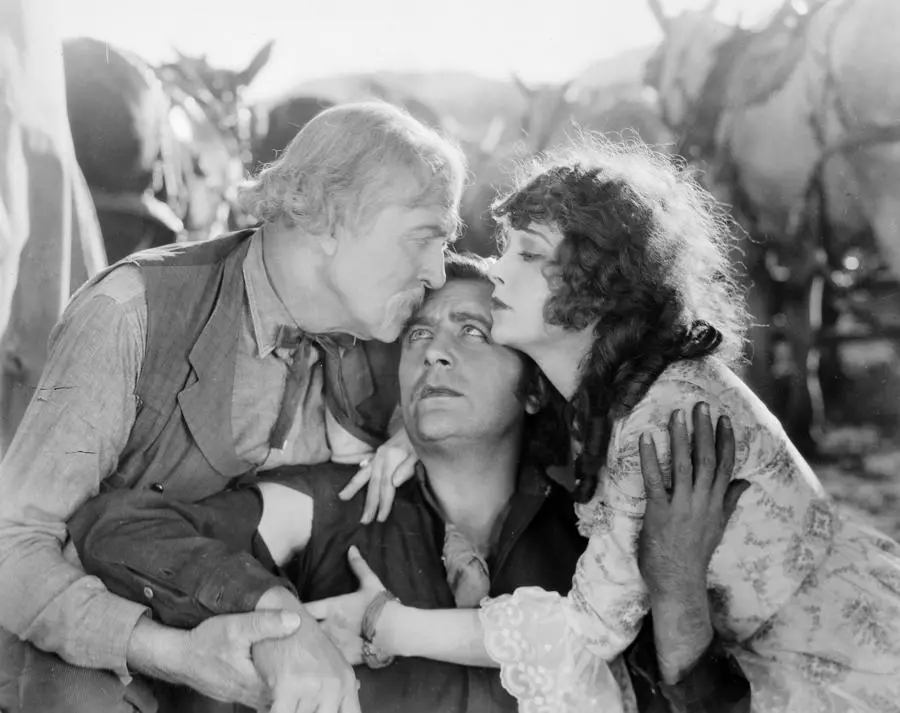
The narrative deftly establishes the socio-political climate of the era, highlighting the systemic injustices faced by indigenous populations. The Apache people, subjected to the rapacious greed of a corrupt Indian agent, are pushed to their breaking point. Their subsequent breakout from the reservation isn't depicted as an act of wanton aggression but as a desperate, understandable response to sustained exploitation and broken promises. This nuanced portrayal, while perhaps not fully revolutionary for its time, lends a layer of moral complexity to the conflict that elevates "The Golden Strain" beyond simplistic good-versus-evil dichotomies. It forces the audience to confront the uncomfortable truths of manifest destiny, even as it focuses on Mulford's personal struggle.
Mulford's fateful patrol, dispatched to quell the Apache uprising, becomes the crucible in which his mettle is truly tested. The ensuing firefight is depicted with a visceral intensity that, even in the silent era, conveys the sheer chaos and terror of combat. It is here, in the heart of the maelstrom, that Mulford's carefully constructed identity as a brave officer crumbles. He cracks under the immense pressure, a moment of profound human frailty that resonates deeply. This isn't a cartoonish villainy but a raw, unvarnished portrayal of a man overwhelmed by fear. The consequences are immediate and devastating: his discharge from the army, a public shaming that strips him of his uniform, his rank, and his very sense of self-worth. The military, an institution built on unwavering courage, has no tolerance for such a lapse, regardless of the psychological toll of a first encounter with death.
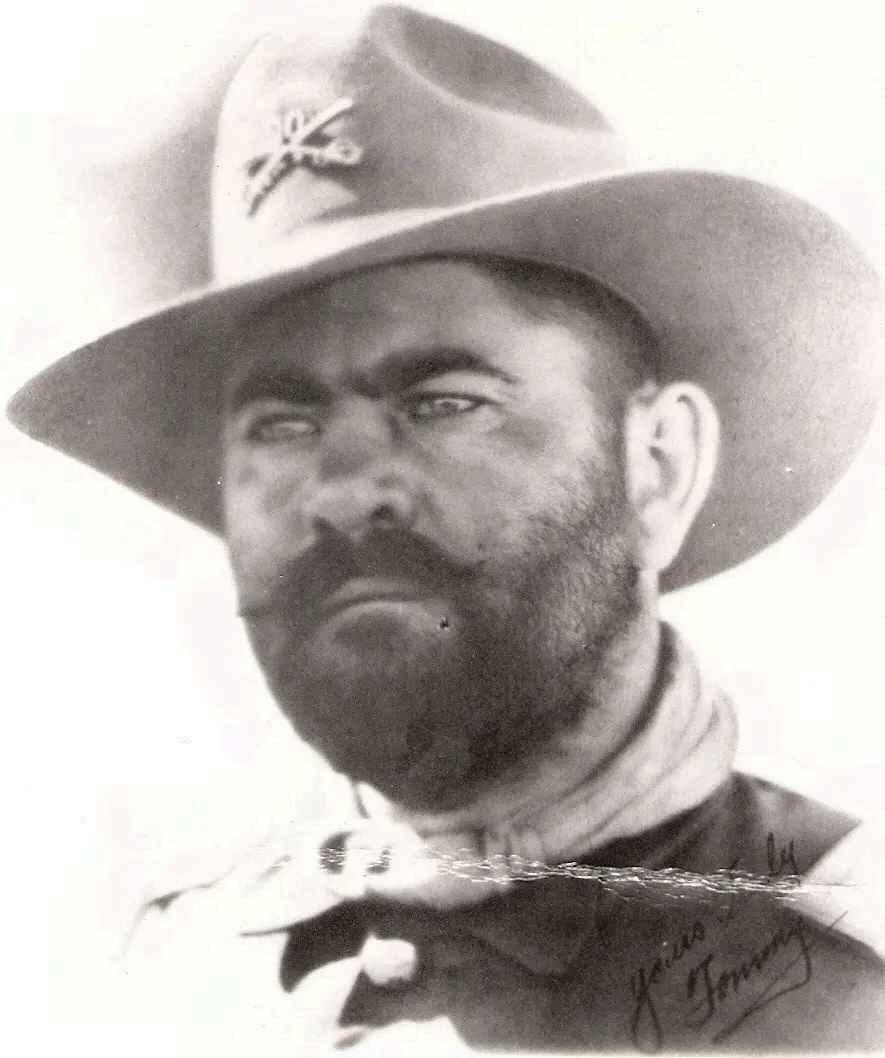
Compounding this professional ruin is the dissolution of his personal life. His fiancée, portrayed by Madge Bellamy with a blend of initial adoration and subsequent disillusionment, cannot reconcile his perceived cowardice with the heroic image she held of him. Her decision to end their engagement is not presented as cruel but as a reflection of societal expectations and the profound impact of Mulford's public failure on her own standing and future. This dual blow – the loss of his career and the loss of love – propels Mulford into a profound existential crisis. His subsequent journey is not merely about regaining what was lost, but about a more fundamental quest for self-redemption, a desperate need to prove, both to the world and to himself, that the moment of weakness does not define the man. This theme of a character fighting to overcome a tarnished reputation echoes narratives seen in films like The Prodigal Liar, where individuals must confront their past mistakes to forge a new future.
What follows is a meticulously crafted arc of redemption, a narrative thread that forms the golden strain of the film's title. Mulford’s path is fraught with internal turmoil and external obstacles. He must confront not only the skepticism of those who witnessed his fall but also the insidious doubts that gnaw at his own psyche. The film skillfully navigates this psychological landscape, depicting Mulford's struggle to rebuild his courage, not through a sudden, miraculous transformation, but through a series of incremental acts of bravery and perseverance. It's a testament to the idea that courage isn't the absence of fear, but the triumph over it.

The success of "The Golden Strain" hinges significantly on its cast, who, despite the constraints of silent cinema, convey a remarkable depth of emotion. Winston Miller, as Mulford, carries the weight of the film on his shoulders. His expressions, subtle gestures, and physical presence articulate the inner turmoil and eventual resolve of his character with impressive conviction. He manages to evoke both sympathy for his initial failure and admiration for his subsequent resilience, a difficult balance to strike.
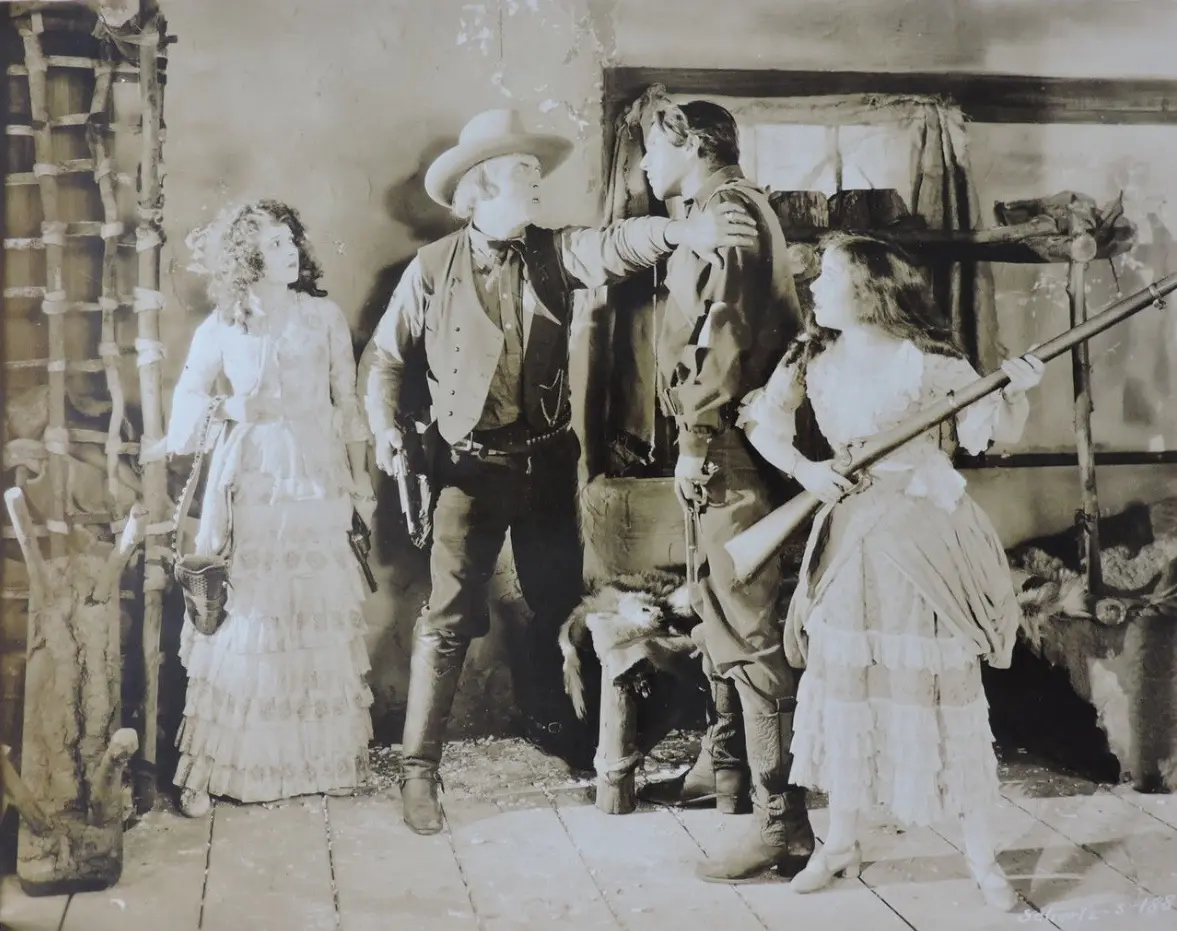
Madge Bellamy, in the role of Mulford's fiancée, is equally compelling. Her portrayal captures the societal pressures placed upon women of the era, as well as the personal heartbreak of seeing an ideal shattered. Her journey from disappointment to eventual understanding and renewed affection is crucial to the film's emotional payoff. The supporting cast, including the formidable Hobart Bosworth and Kenneth Harlan, contribute significantly to the film's rich tapestry. Their performances lend authenticity to the military setting and the frontier community, creating a believable world in which Mulford's drama unfolds. Even the more peripheral characters, such as the corrupt Indian agent, are imbued with enough presence to drive the plot forward and highlight the broader societal issues at play.
While the director's name isn't explicitly provided in the details, the film's visual storytelling speaks volumes about the craftsmanship involved. The cinematography of "The Golden Strain" is particularly noteworthy, capturing the expansive beauty and inherent dangers of the Western landscape. Wide shots of cavalry patrols traversing rugged terrain not only establish the setting but also emphasize the isolation and vulnerability of the characters. The use of natural light and shadow adds a dramatic flair, particularly during the intense action sequences. The visual language effectively communicates the vastness of the challenges Mulford faces, both physically and emotionally.
The pacing, a critical element in silent films, is expertly managed. The narrative ebbs and flows, building tension during the conflict scenes and allowing moments of quiet reflection during Mulford's internal struggles. The intertitles are used judiciously, providing necessary exposition without overwhelming the visual narrative, a common pitfall in early cinema. The action sequences, particularly the Apache uprising and subsequent confrontations, are staged with a dynamism that keeps the audience engaged, even without the benefit of synchronized sound. The film demonstrates a sophisticated understanding of visual storytelling, using composition, movement, and editing to convey emotion and advance the plot.
At its core, "The Golden Strain" is a profound meditation on the nature of courage and honor. It challenges the simplistic notion that these qualities are inherent and unyielding, instead suggesting they are forged in the crucible of adversity. Mulford's initial failure is not a condemnation of his character but a raw depiction of human vulnerability. His subsequent struggle to overcome that moment of weakness is where his true heroism lies. The film posits that true bravery isn't the absence of fear, but the decision to act despite it, a lesson that resonates across centuries and cultures.
The film also subtly explores themes of societal judgment and the burden of reputation. Once labeled a coward, Mulford faces an uphill battle against preconceived notions, not just from his peers but from the woman he loves. This societal pressure adds another layer of complexity to his redemption arc, making his eventual triumph all the more satisfying. It’s a powerful commentary on how easily a single moment can define a person in the eyes of others, and the immense effort required to rewrite that narrative. In this regard, it shares thematic resonance with films like Bluff, where characters must navigate the treacherous waters of public perception and personal integrity.
Furthermore, the portrayal of the Apache conflict, while serving as a catalyst for Mulford's personal drama, also touches upon the broader historical injustices of the era. The Apache's plight, driven by the deceit of the Indian agent, provides a stark reminder of the often-overlooked human cost of westward expansion. This element adds a layer of social commentary, preventing the film from being a mere adventure story and elevating it to a more thoughtful examination of its historical context. It subtly questions the very definition of 'progress' when it comes at the expense of indigenous populations.
"The Golden Strain" remains a compelling example of early Western cinema, not just for its historical value but for its enduring thematic resonance. It tells a story that is both specific to its time and universally applicable to the human experience. The journey of Lieutenant Milt Mulford—from disgrace to redemption, from fear to fortitude—is a narrative that continues to captivate. It reminds us that the path to true heroism is often paved with personal struggle and that the greatest victories are often won within oneself.
For enthusiasts of classic cinema, especially those with an appreciation for the foundational works of the Western genre, "The Golden Strain" offers a rich viewing experience. It's a testament to the power of silent film to convey complex emotions and grand narratives with remarkable clarity and impact. The film, through its masterful storytelling and evocative performances, ensures that its 'golden strain'—the resilient spirit of a man seeking to prove his worth—continues to shine brightly, inspiring audiences to reflect on their own definitions of courage and honor. It stands as a powerful reminder that even in moments of profound failure, the capacity for redemption and growth remains, a beacon of hope in the often-turbulent journey of life.
A timeless testament to the human spirit's resilience amidst the rugged beauty of the American West.
IMDb 6.5
1933
Community
Log in to comment.