DbcultAccessing Vault...
Cult Review
Senior Film Conservator
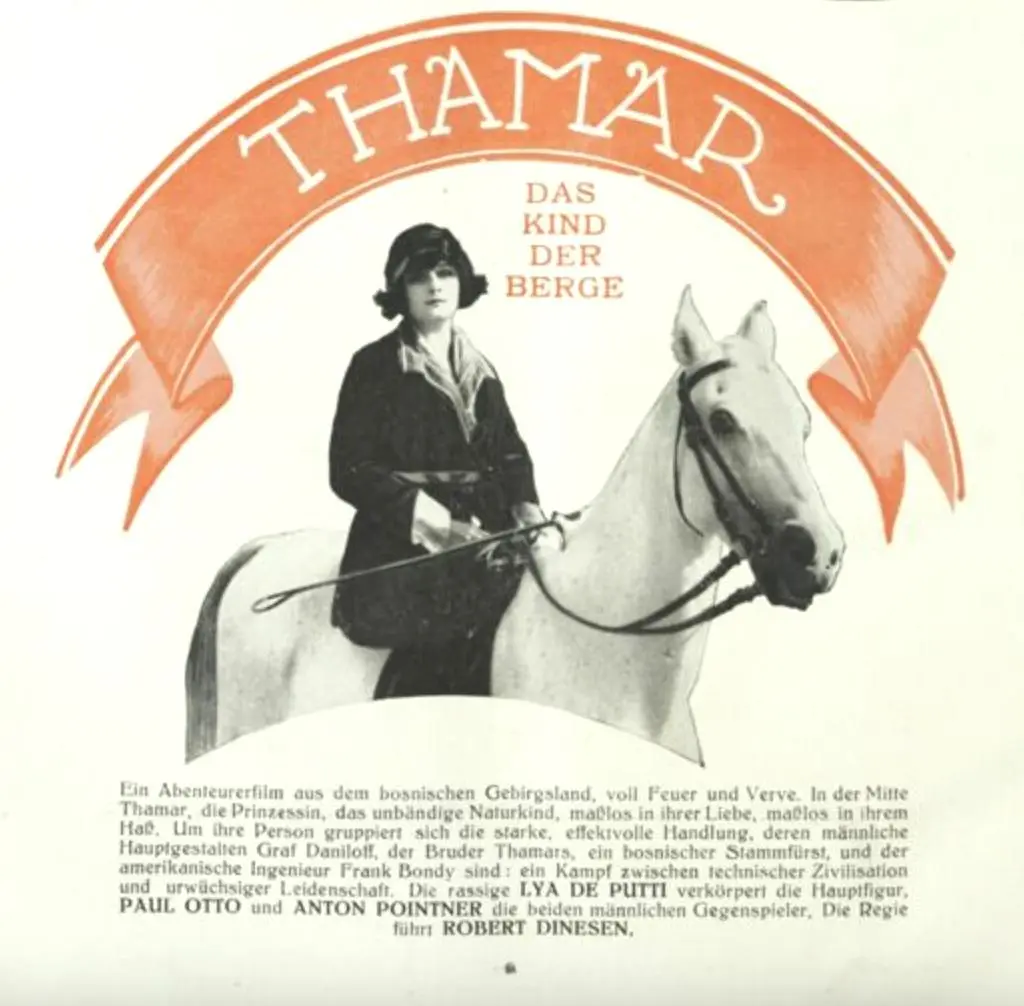
Thamar, das Kind der Berge, directed with a masterful touch by Curt J. Braun and Rolf E. Vanloo, is a cinematic gem that transports viewers to the heart of the rugged Alps. The film, starring an ensemble cast including Max Maximilian, Alfred Kern, and Lya De Putti, weaves a rich tapestry of emotions and historical context, painting a vivid picture of a world where nature and human relations are as intertwined as the roots of the ancient trees in the valley.
The narrative begins with a tense atmosphere, as the viewer is introduced to Max Maximilian, a man bound by the expectations of his family and the social norms of his time. Max is the son of Alfred Kern, a man of considerable social standing and influence. The film opens with a stormy scene on the edge of the mountains, where Max and his sister Thamar face the wrath of nature, a foreshadowing of the internal conflicts to come.
The father-daughter relationship at the heart of Thamar, das Kind der Berge, is one of the most compelling aspects of the film. Thamar, played with heart-wrenching intensity by Lya De Putti, is a character whose strength and vulnerability are intricately balanced. Her relationship with her brother, Max, and their father, Alfred Kern, is filled with a tension that is both palpable and deeply moving. The chemistry between the actors is a testament to the director's skill and the actors' profound understanding of their characters.
Throughout the film, the cinematography is nothing short of stunning. The mountainous landscapes serve as a backdrop for the emotional turmoil that unfolds, adding a layer of depth and realism to the narrative. The alternating scenes between the intimate domestic life and the wilderness serve to highlight the contrast between the characters' inner worlds and the external environment.
The plot of Thamar, das Kind der Berge, is a masterful blend of drama, romance, and social commentary. It explores the complexity of family ties and the conflicts between tradition and modernity. The turning points in the story are well-executed, each one building the tension and emotional stakes to a crescendo. The climax is a powerful and poignant moment that resonates with the audience long after the film has ended.
One cannot help but draw comparisons to other films that similarly explore the tension between personal desires and societal expectations. Honor Among Men, for instance, offers a parallel in its portrayal of moral and ethical dilemmas. Similarly, Oath-Bound and You Can't Fool Your Wife delve into the complexities of familial bonds and personal growth. However, Thamar, das Kind der Berge, stands apart with its unique setting and the depth of its characters. It is a film that requires multiple viewings to fully appreciate, each one revealing new layers of subtext and emotional resonance.
The performances in Thamar, das Kind der Berge are nothing short of remarkable. Max Maximilian brings a quiet intensity to his role, portraying a man struggling with the weight of his family's expectations. Alfred Kern is a powerful presence, commanding the screen with his gravitas and unwavering authority. Lya De Putti's interpretation of Thamar is a highlight, capturing the character's depth and the emotional journey. The supporting cast, including Paul Otto, Harry Hardt, Sylvia Torf, Alfred Haase, Anton Pointner, bring authenticity and nuance to their roles, enhancing the overall emotional weight of the film.
Technically, Thamar, das Kind der Berge, is a tour de force. The sound design is exquisitely crafted, enhancing the atmosphere of the Alpine setting. The score by Maximilian is a masterpiece, melding seamlessly with the film's emotional undercurrents. The editing is precise and fluid, guiding the viewer through the narrative with a visceral and engaging touch.
In conclusion, Thamar, das Kind der Berge, is a film that defies easy categorization. It is a saga of the human spirit, unfolding against the backdrop of the majestic Alps. Its themes are universal, resonating with viewers across generations. Thamar, das Kind der Berge, is a must-watch for anyone who cherishes the depth and complexity of human emotion. It is a film that awaits repeated viewings, each one revealing new layers of meaning and beauty.

IMDb —
1930
Community
Log in to comment.