DbcultAccessing Vault...
3.5/10
Senior Film Conservator
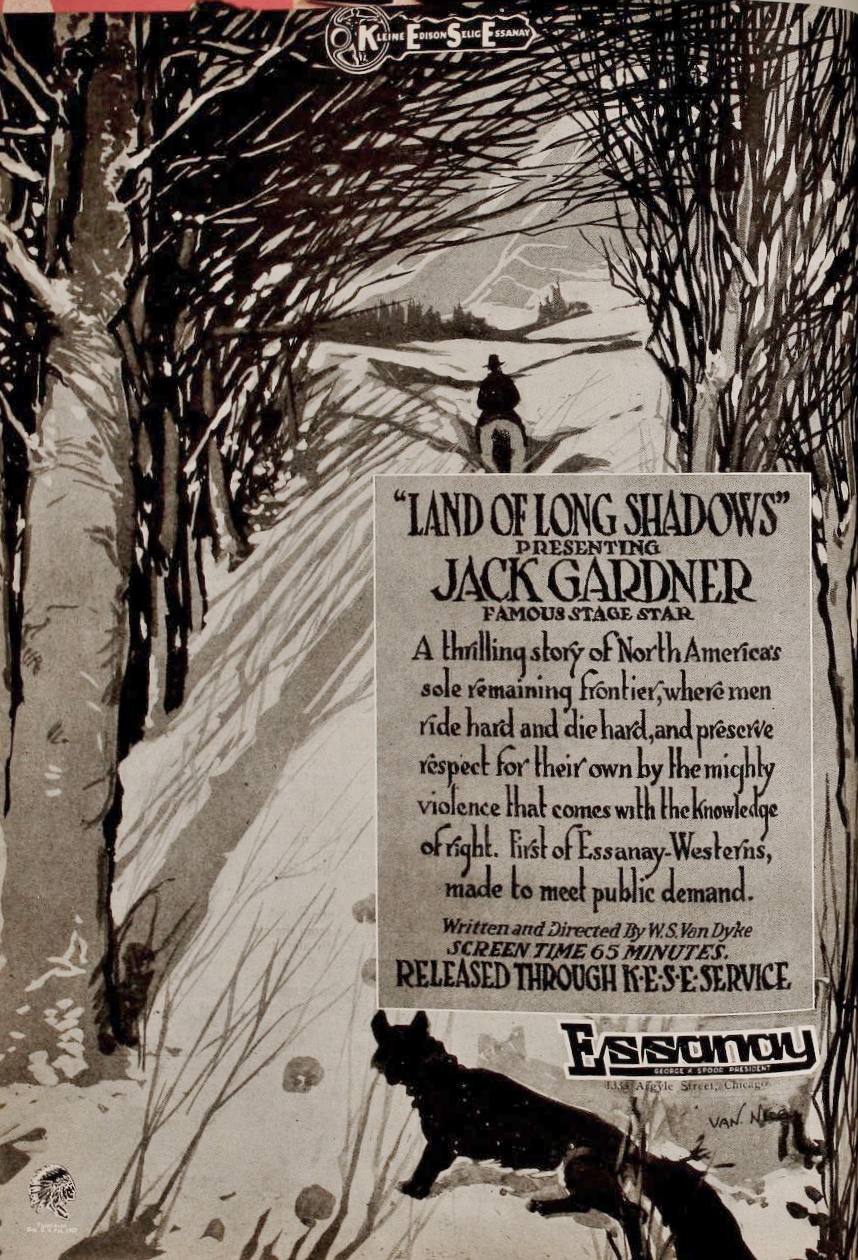
A definitive 3.5/10 rating for a film that redefined the boundaries of cult cinema. The Land of Long Shadows remains a cornerstone of transgressive art.
The cinematic tapestry of The Land of Long Shadows unfolds with a stark, almost brutal elegance, painting a portrait of human resilience against an indifferent, yet breathtakingly beautiful, natural world. It’s a narrative steeped in the kind of primal struggles that define the human condition at its most vulnerable, a story that resonates with the echoes of ancient myths and the harsh realities of a frontier existence. From its very inception, the film plunges us into an environment where survival is not merely a goal but a constant, grinding battle against an omnipresent adversary: the wilderness itself.
The setting is not just a backdrop; it is a character unto itself. The 'land where the Sun hangs low' immediately conjures images of perpetual twilight, a world perpetually teetering on the edge of night. This visual motif of 'long shadows' isn't merely descriptive of the landscape's topography; it’s a profound metaphor for the moral ambiguities, the lurking dangers, and the profound isolation that define the lives of those who dare to inhabit such a place. The 'hungry wolves' are not just predators; they are symbolic of the ever-present threat, the thin veil between civilization and savagery, a theme explored with chilling effectiveness in later wilderness dramas such as On Dangerous Ground, albeit in a different context and era.
Our protagonist, Joe Mauchin, portrayed with a compelling ruggedness by C.J. Lionel, embodies the quintessential frontiersman. He is a man of the land, shaped by its unforgiving contours, his very being a testament to self-reliance and stoic endurance. His journey to Mead's Pocket, a 'vicious mining town,' is a descent from the relative purity of the wild into a crucible of human depravity. Mead's Pocket is a microcosm of frontier life's darker side: a place where dreams are crushed under the weight of greed, and hope is a scarce commodity. It's a stark contrast to Joe's solitary, yet arguably more honest, existence.
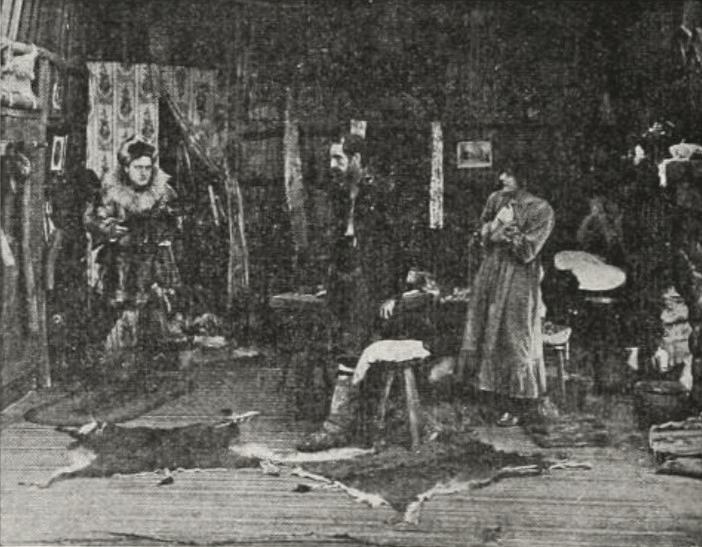
It is within this bleak tableau that Joe encounters Jeanne Verette, brought to life by the nuanced performance of Ruth King. Jeanne's plight is heartbreakingly common for women in such desperate times and places. Trapped by her father, a saloonkeeper who exploits her youth and beauty to 'drum up trade,' she is a fragile blossom in a field of thorns. Her forced interactions with the 'maudlin patrons' speak volumes about the societal pressures and lack of agency faced by women, a theme that echoes in the struggles depicted in films like Slave of Sin or Rose of the Alley, which also explored the vulnerability of women in harsh urban or frontier environments.
The burgeoning love between Joe and Jeanne feels less like a conventional romance and more like an urgent necessity. It is a lifeline, a shared beacon of warmth against the encroaching cold of their circumstances. Their connection is born not of leisure or convenience, but of mutual understanding and a desperate need for solace. This immediate, profound bond is the emotional core of the film, the beating heart that drives the subsequent, dramatic events.
The tranquility, however brief, is shattered by the appearance of a 'brute of a man' who seeks to interfere with Joe and Jeanne's burgeoning affection. This figure, a nameless embodiment of aggressive entitlement, serves as the catalyst for the film's central conflict. The ensuing struggle, born of passion and protective instinct, results in the brute's death. This moment is pivotal, immediately transforming Joe from a simple trapper into a fugitive, thrusting him and Jeanne into an existence on the run. The swiftness of this escalation underscores the precariousness of life and justice in the wilderness, where the line between self-defense and murder can be fatally blurred.
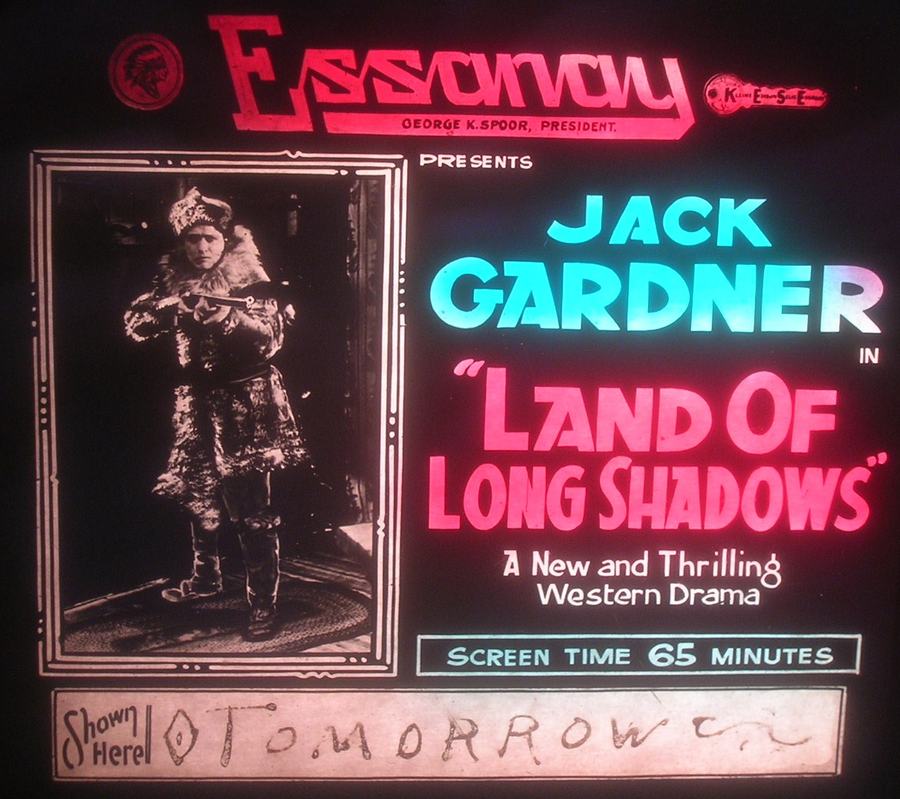
Their flight into the wilderness is an act of desperate hope, a retreat to Joe's camp miles away from the reach of the law. Here, in the heart of nature, they carve out a 'year's happiness.' This period, though likely fraught with hardship, represents an idyllic interlude, a testament to the power of love to create sanctuary even in the most hostile environments. It’s a time of peace, of building a life together, away from the corrupting influence of Mead's Pocket and the long arm of man-made justice. This interlude, while serene, carries an underlying tension, the audience acutely aware that such hard-won happiness in a narrative of this intensity can only be temporary.
The reintroduction of conflict is masterfully executed, not through a dramatic chase, but through an act of compassion. Joe Mauchin, ever the man of the wild, discovers Constable McKenzie of the Mounted Police, half-dead in the snow. This moment is a profound moral test. Joe, a wanted man, could easily leave the officer to his fate, ensuring his own continued freedom. Yet, his innate humanity, his deep-seated sense of duty to a fellow human being in distress, compels him to revive the officer and carry him to his cabin. This act of selfless heroism immediately heightens the dramatic irony and moral complexity of the narrative. Jack Gardner portrays McKenzie with an unwavering, almost rigid adherence to duty, making his subsequent actions all the more impactful.
The moment McKenzie, revived and conscious, 'straightway arrests the trapper for the saloon death' is a gut-wrenching turn. It’s a brutal reminder that the law, in its abstract form, often fails to account for the nuances of human experience, for self-defense, or for the very act of saving a life. This scene, penned by W.S. Van Dyke, who demonstrates a keen understanding of character-driven conflict, pits natural justice against institutional justice. Joe's act of mercy is met with an uncompromising application of the law, creating a profound sense of betrayal and injustice. This thematic confrontation of personal morality versus societal law is a recurring motif in cinema, seen in various forms in films like The Martyrdom of Philip Strong or even Honor Thy Name, where characters often find themselves at odds with the very systems designed to govern them.
A 'desperate fight ensues between the two,' a visceral clash not just of men, but of ideologies. Joe fights for his life, his freedom, and the future he has painstakingly built with Jeanne. McKenzie, on the other hand, fights for the principle of law, for the abstract concept of justice, regardless of the personal cost or the circumstances that led to the initial transgression. The constable, 'overpowered,' flees for aid, wounded and staggering into the perilous woods. His last sighting, with 'a pack of wolves slowly drawing in on him,' is a chilling full-circle moment. The predators that symbolize the untamed wilderness now close in on the very embodiment of man's attempt to impose order upon it. It's a powerful visual metaphor for the ultimate futility of human constructs against the raw power of nature, and perhaps, against the force of a man fighting for something as fundamental as family.
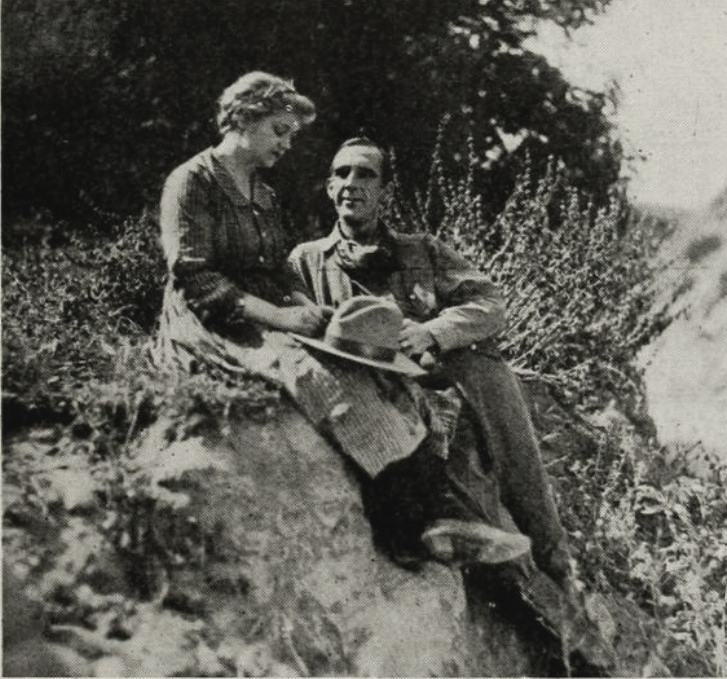
Back in the cabin, the tension dissipates, replaced by a moment of profound intimacy and revelation. Joe draws Jeanne to his arms, and she, with a shy tenderness, 'clutches a newly made bit of baby clothes.' This is the ultimate reveal, the heart of the matter, the driving force behind Joe's desperate struggle. 'It is that for which Joe had fought.' This simple, poignant line elevates the entire narrative from a mere tale of survival and flight into a deeply human story of parental instinct and the fierce, protective love for a nascent family.
The film, through its lean narrative and powerful imagery, explores profound questions about justice, morality, and the boundaries of human endurance. Is justice truly served when the circumstances leading to a crime are ignored? Can a man's inherent goodness be measured solely by his adherence to codified law? The Land of Long Shadows suggests that there are forces more powerful than any statute, more primal than any legal decree: the urge to protect one's own, to build a future, and to find love amidst the desolation. Carl Stockdale, though perhaps in a smaller role, contributes to the overall atmospheric tension and character dynamics, rounding out a cast that delivers these raw emotions with compelling authenticity.
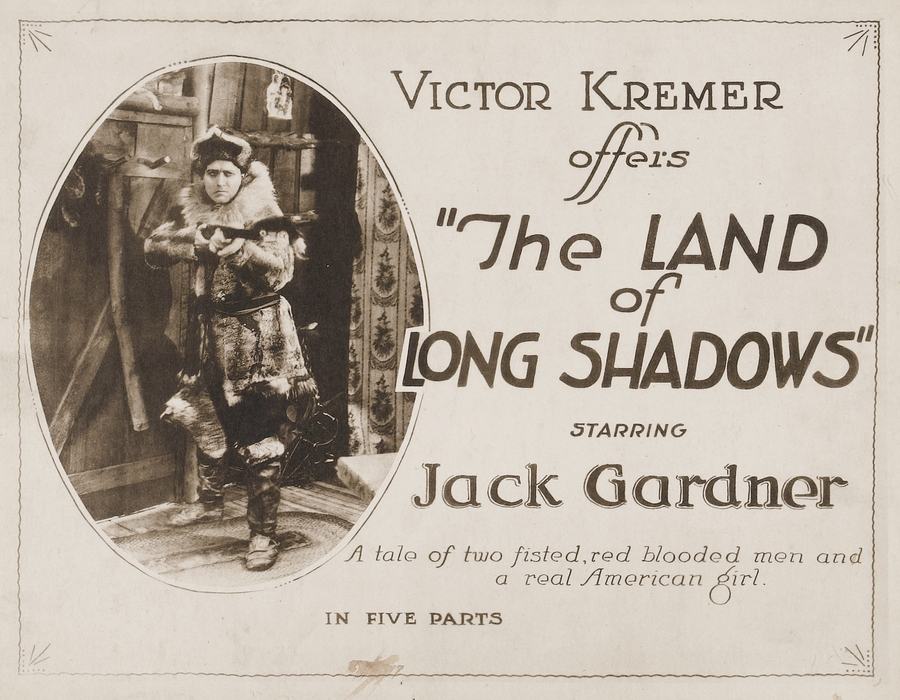
W.S. Van Dyke's writing here is a testament to the power of concise storytelling, allowing the vast, silent landscapes and the actors' expressions to convey much of the narrative's emotional weight. The film doesn't shy away from the brutal realities of its setting, yet it never loses sight of the enduring human spirit. It is a compelling watch, a journey into the heart of a world both beautiful and merciless, where the shadows are long, but the light of human connection, however fragile, shines through.
In an era of cinematic storytelling that often relied on grand gestures, The Land of Long Shadows offers a narrative that feels both epic in scope and intimately personal. It reminds us that some battles are fought not for glory or recognition, but for the quiet, profound hope of a future, a home, and a family, against all odds. It's a timeless tale that deserves to be revisited, a stark reminder of the enduring power of love in the face of an indifferent world, much like the enduring appeal of similar tales of perseverance found in works such as Between Men, which also delves into the complex relationships and struggles of individuals in harsh, unforgiving environments.
The film's impact lies not just in its dramatic confrontations but in the silent moments: the shared glances between Joe and Jeanne, the solitary struggle against the elements, the quiet determination to build a life. These are the threads that weave together a narrative of profound emotional depth, ensuring that The Land of Long Shadows remains a compelling exploration of the human spirit's capacity for love, sacrifice, and defiance.
IMDb —
1921
Community
Log in to comment.