DbcultAccessing Vault...
Cult Review
Senior Film Conservator
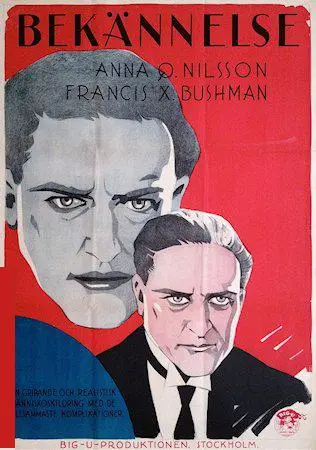
Is The 13th Juror worth watching today? Short answer: yes, but with significant caveats that demand a certain cinematic palate. This silent legal drama from 1927 is a fascinating historical artifact for cinephiles, legal drama enthusiasts, and those interested in early feminist perspectives in film, offering a window into the narrative sophistication of its era.
However, audiences accustomed to rapid pacing, overt dialogue, and contemporary narrative complexity will likely find its deliberate rhythm and reliance on visual storytelling a challenging, if not frustrating, experience. It’s a film that requires patience and an appreciation for the nuances of a bygone cinematic language.
This film works because: It leverages the inherent drama of a reputation under siege, utilizing the silent film medium's strengths in visual metaphor and heightened emotional expression to explore themes of betrayal and justice with surprising potency.
This film fails because: Its narrative, while compelling in premise, occasionally succumbs to the era's common pacing issues, with certain subplots feeling underdeveloped and character motivations sometimes lacking the depth modern audiences expect from a complex legal thriller.
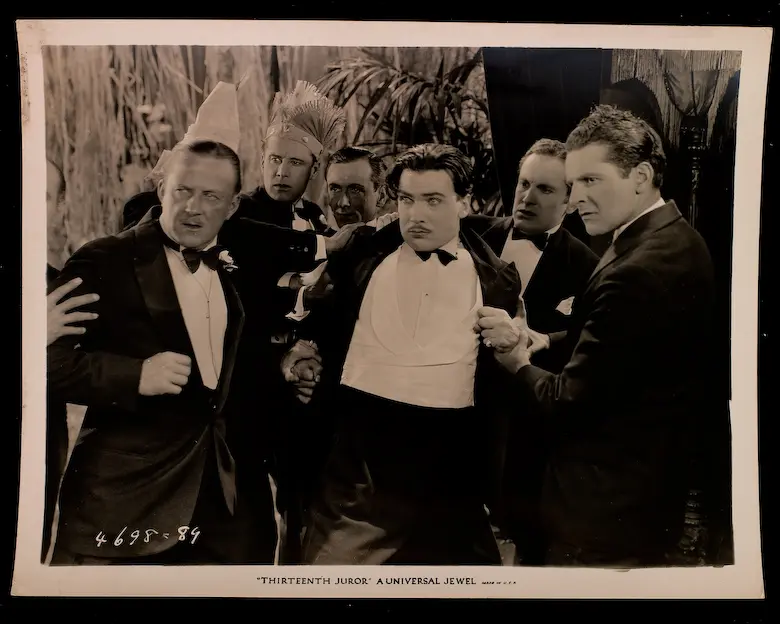
You should watch it if: You appreciate the nuanced art of silent cinema, are drawn to early courtroom dramas, or seek to understand the evolution of complex character studies and social commentary in film history.
At its core, The 13th Juror is a masterclass in how a whisper can unravel a life. The film’s central conflict isn't a violent crime or a grand conspiracy, but the insidious spread of a rumor designed to dismantle a powerful man's career and personal life. Richard Marsden, portrayed with a compelling blend of loyalty and vulnerability by Francis X. Bushman, finds his world upended when his close friend, the formidable attorney Henry Desmond (Walter Pidgeon), becomes the target of a district attorney's ruthless ambition.
The D.A.'s strategy is brilliant in its cruelty: rather than direct accusations, he enlists George Quinn (George Siegmann) to subtly insinuate an affair between Desmond and Marsden's wife. This isn't just about winning a case; it's about destroying a reputation, a tactic that feels chillingly relevant even in our hyper-connected age of digital character assassination. The brilliance lies in the ambiguity; Quinn doesn't explicitly state the affair, but rather 'infers' it, leaving the seeds of doubt to fester.
The premise expertly exploits the social anxieties of the era, where a woman's honor and a man's standing were inextricably linked to public perception. The film understands that a perceived betrayal, especially within the intimate confines of friendship and marriage, can be far more devastating than any legal defeat. It delves into the moral quandaries of loyalty, trust, and the devastating power of a well-placed lie.
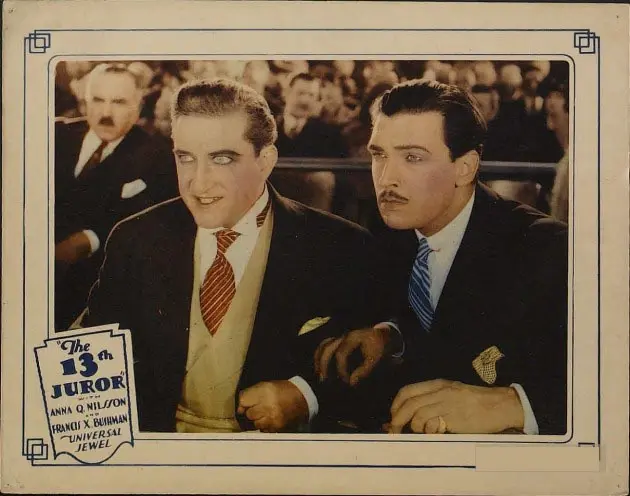
The conflict isn't just external; it's deeply internal, particularly for Marsden, who must grapple with the potential infidelity of his wife and the betrayal of his friend. This psychological torment is a rich vein for silent cinema, allowing for heightened expressions and visual metaphors to convey the unspoken anguish. The film posits that true justice isn't always found in a courtroom verdict, but in the restoration of truth and honor.
The performances in The 13th Juror are a testament to the evocative power of silent acting, where every gesture, every facial contortion, and every subtle shift in posture carries immense narrative weight. Anna Q. Nilsson, as Marsden's wife, delivers a particularly nuanced portrayal of silent suffering and resilience. Her character, caught in the crosshairs of a political ploy, must navigate the accusations with dignity, conveying her inner turmoil and innocence through her eyes and restrained body language.
There's a scene where she confronts the burgeoning doubts in her husband's mind, and Nilsson’s ability to project a quiet desperation, a plea for understanding without a single spoken word, is genuinely moving. It’s a performance that speaks volumes about the societal constraints placed upon women in that era, and their limited avenues for self-defense against such slander.
Francis X. Bushman, as Richard Marsden, anchors the emotional core of the film. His journey from steadfast friend to a man consumed by suspicion is compelling. Bushman masterfully uses his expressions to convey the gradual erosion of trust, the internal battle between his loyalty to Desmond and his growing fear for his marriage. His wide-eyed disbelief slowly transforms into a hardened skepticism, a visual representation of a man's world crumbling around him.
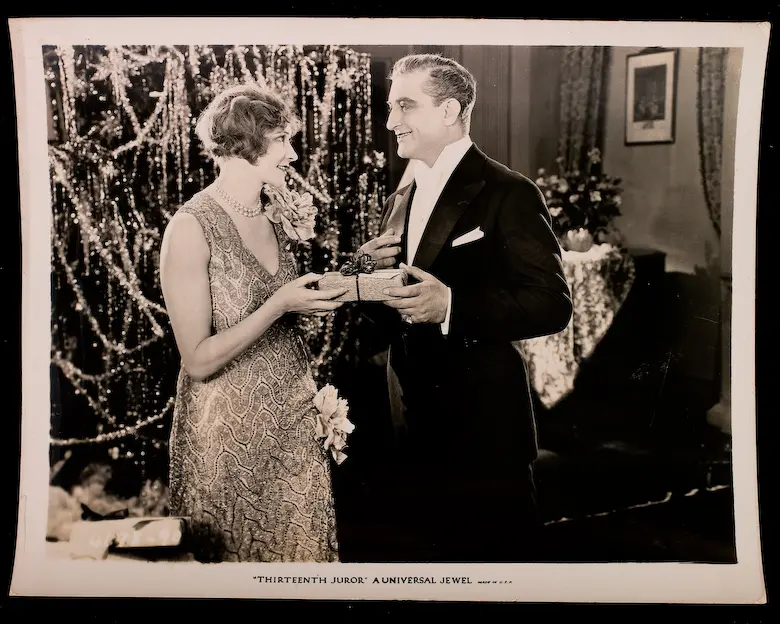
Walter Pidgeon, in an early role as the formidable Henry Desmond, projects an aura of gravitas and quiet strength. He embodies the powerful attorney with a natural authority, but also reveals glimpses of vulnerability as his reputation and personal life come under threat. His performance is less about overt dramatics and more about controlled power, making his eventual emotional reactions all the more impactful.
George Siegmann, as the insidious George Quinn, is the perfect silent villain. His performance relies on subtle sneers, calculating glances, and an almost reptilian stillness that conveys his manipulative nature without resorting to excessive theatrics. He is the quiet architect of chaos, and Siegmann embodies this role with chilling effectiveness, making Quinn a truly memorable antagonist for the silent era.
Collectively, the cast demonstrates an exceptional understanding of how to communicate complex emotions and motivations through purely visual means. It’s a stark reminder that powerful storytelling doesn't always require dialogue, relying instead on the universal language of human expression. Their performances elevate what could have been a simple melodrama into a compelling character study.
The directorial choices in The 13th Juror, while firmly rooted in the silent film conventions of the late 1920s, showcase a deliberate approach to visual storytelling that remains engaging. The filmmakers, working with writers Henry Irving Dodge, Charles Logue, and Walter Anthony, understood the power of the camera as a silent narrator, using composition and shot selection to convey tension and character psychology.
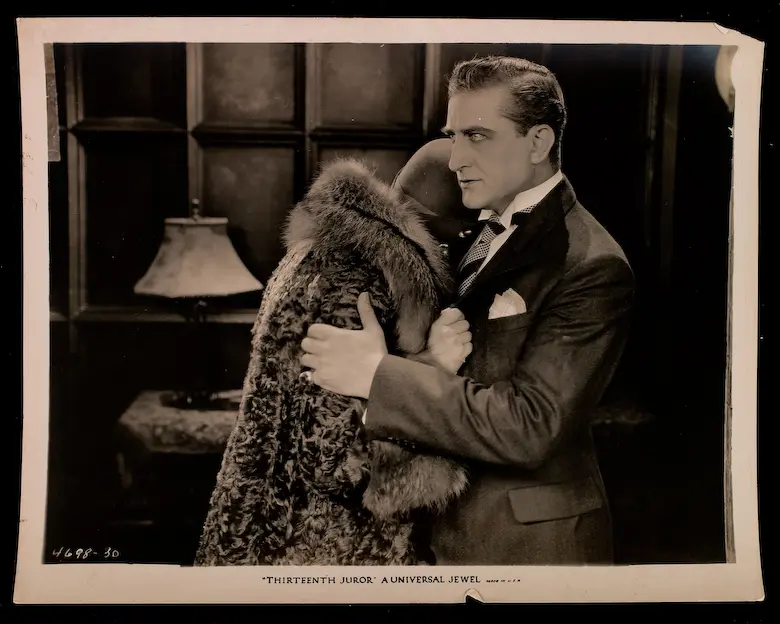
Pacing, as is often the case with films of this era, is deliberate. It builds slowly, allowing the audience to absorb the unfolding drama through reaction shots and carefully constructed scenes. While modern viewers might find this a test of patience, it’s also a strength, forcing a deeper engagement with the visual information presented. The film doesn't rush its emotional beats; it lets them simmer, mirroring the slow burn of suspicion and doubt within the narrative.
The cinematography, though not groundbreaking for its time, effectively uses lighting and framing to enhance the dramatic tone. Close-ups are employed judiciously to emphasize key emotional moments, such as Marsden's anguished face as he reads an incriminating note, or the subtle flicker of fear in his wife's eyes. These intimate shots draw the viewer directly into the characters' internal struggles.
One particularly effective sequence involves the initial 'inference' by Quinn. The scene is staged with a subtle menace, Quinn's words conveyed through an intertitle, but his facial expression and the reactions of those around him tell a far more complex story of manipulation and calculated malice. The camera holds on the faces, allowing the audience to witness the immediate ripple effect of a poisonous whisper.
The film's tone is consistently dramatic, bordering on melodramatic at times, but always anchored by the gravity of its subject matter. The visual language is clear and concise, ensuring that despite the lack of spoken words, the audience never loses sight of the narrative's thrust or the characters' emotional states. It's a testament to the era's storytelling prowess, even if it occasionally stumbles over its own ambition to convey every nuance.
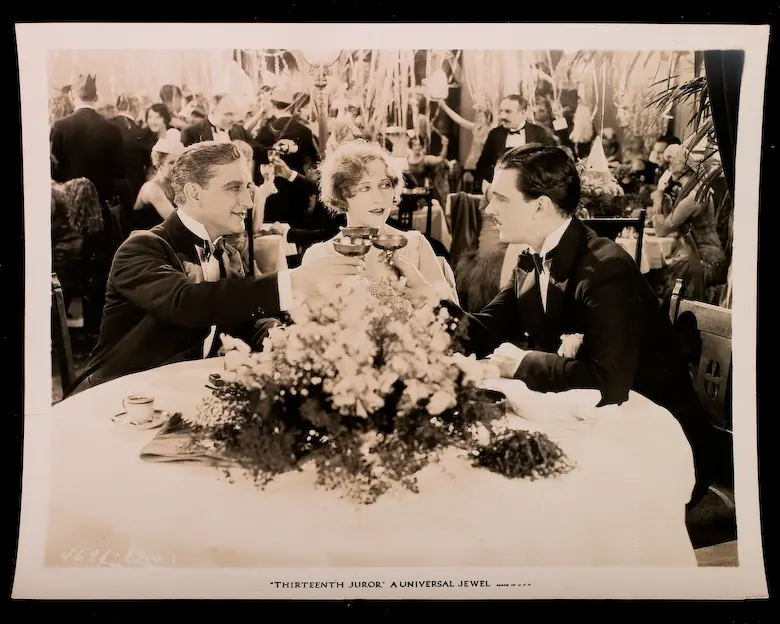
Yes, The 13th Juror is absolutely worth watching today for specific audiences. It offers a unique glimpse into the silent film era's approach to legal and social drama. You'll gain an appreciation for the art of visual storytelling.
However, it demands a different kind of engagement than contemporary cinema. If you're open to a slower pace and appreciate historical context, it’s a rewarding experience. It's not for those seeking quick thrills or constant dialogue.
The narrative flow of The 13th Juror unfolds with a measured, almost stately rhythm that is characteristic of many silent films. The story isn't propelled by rapid-fire dialogue or quick cuts; instead, it relies on the gradual accumulation of emotional weight and the slow unveiling of character motivations. This deliberate pacing allows for a deeper exploration of the psychological impact of the central conflict.
The film expertly builds tension through its intertitles, which not only convey dialogue but also provide crucial exposition and internal monologues, guiding the audience through the characters' thoughts and feelings. These textual interventions are carefully integrated, ensuring they enhance rather than interrupt the visual narrative. It works. But it’s flawed.
While the slow build can be incredibly effective in certain scenes, creating a palpable sense of dread and unease, there are moments where the narrative lingers a little too long, risking audience disengagement. The subplots, while serving to deepen the main conflict, sometimes feel underdeveloped, hinting at complexities that are never fully explored, which can leave a modern viewer wanting more.
Compared to the brisk, often convoluted plotting of modern legal dramas, The 13th Juror offers a refreshingly straightforward, yet emotionally resonant, narrative. Its focus remains tightly on the personal fallout of the accusation, rather than procedural intricacies. This approach allows the film to explore themes of moral ambiguity and the devastating consequences of unchecked ambition with a clarity that still resonates. It’s striking how relevant the weaponization of 'inference' remains, a precursor to today's digital smear campaigns, proving that human nature, and political machinations, evolve far slower than technology.
The film’s structure, with its clear beginning, rising action, and eventual resolution, feels classically constructed. It leads the audience through the emotional labyrinth alongside its characters, making the eventual revelations all the more impactful. While it might not have the breakneck speed of a modern thriller like Fearless Flanagan, its deliberate pace allows for a deeper, more contemplative engagement with its themes.
The 13th Juror is more than just a historical footnote; it is a surprisingly potent silent drama that, despite its age, grapples with themes that remain acutely relevant. Its strength lies in its ability to tell a deeply human story of honor, betrayal, and the corrosive power of rumor, all without a single spoken word. While its pacing and stylistic conventions demand a certain level of patience from a modern audience, the film rewards that patience with nuanced performances and a compelling narrative.
It may not be a cinematic From the Manger to the Cross in terms of scale, but it carves out its own niche in the realm of psychological drama. It’s a film that asks us to consider the enduring fragility of reputation and the timeless nature of human vulnerability. For those willing to step back in time and embrace the unique artistry of silent cinema, The 13th Juror offers a compelling, if occasionally challenging, viewing experience that resonates long after the final frame.
IMDb 7.2
1936
Community
Log in to comment.