DbcultAccessing Vault...
5.3/10
Senior Film Conservator
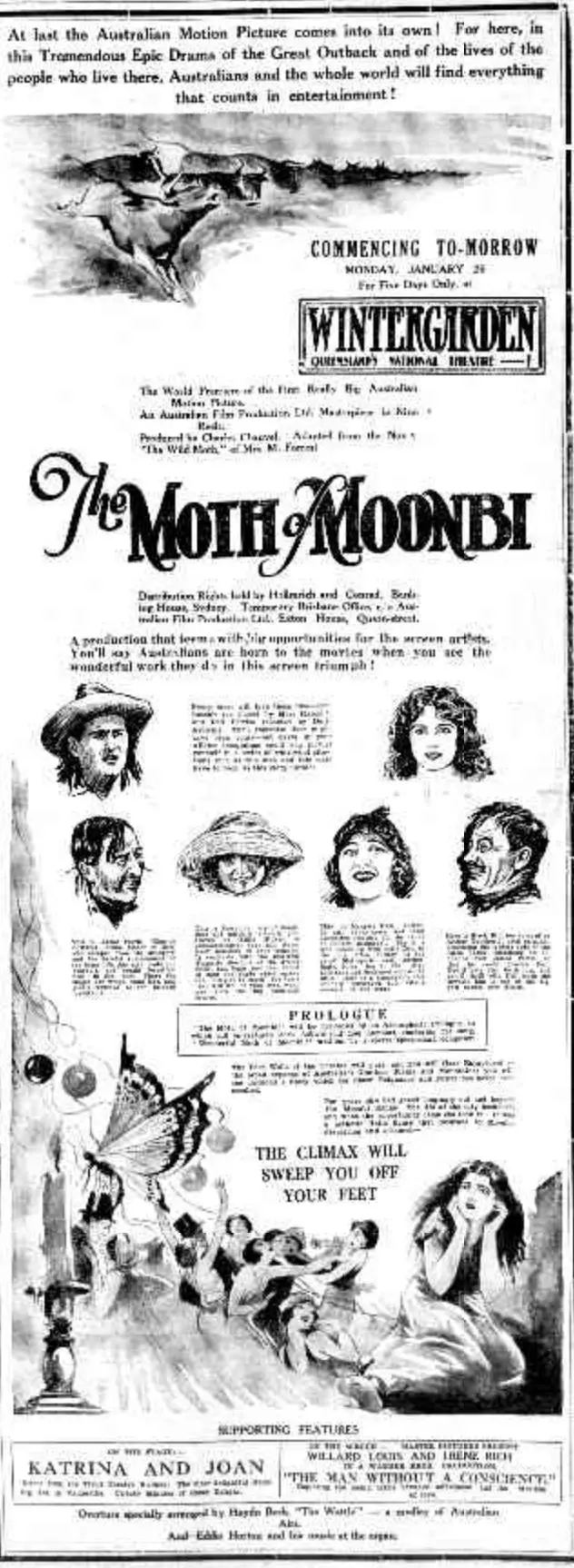
A definitive 5.3/10 rating for a film that redefined the boundaries of cult cinema. The Moth of Moonbi remains a cornerstone of transgressive art.
Is this nearly century-old silent film still relevant for a modern audience? Short answer: Yes, but primarily as a fascinating archaeological dig into the roots of Australian national identity.
This film is for history buffs and those who appreciate the slow, tactile rhythm of silent cinema. It is most certainly not for viewers who require rapid-fire editing or high-definition spectacle to remain engaged.
1) This film works because it captures the genuine grit of the Australian outback before the industry became obsessed with polished, postcard-perfect aesthetics.
2) This film fails because its central morality—the idea that the city is inherently corrupt and the country is inherently pure—is handled with the subtlety of a sledgehammer.
3) You should watch it if you want to witness the birth of Charles Chauvel’s career, a director who would eventually define the cinematic language of a continent.
In the 1920s, the tension between the bush and the city was the defining cultural conflict of Australia. The Moth of Moonbi leans into this dichotomy with aggressive enthusiasm.
When Dell Ferris receives her inheritance, the film shifts its visual language from the wide-open horizons of Moonbi to the claustrophobic, cluttered interiors of Sydney’s elite clubs. It is a jarring transition.
Chauvel uses these scenes to highlight Dell’s vulnerability. She isn't just spending money; she is losing her essence. The 'high society' characters are portrayed as caricatures of greed, a stark contrast to the rough-hewn sincerity of the station hands back home.
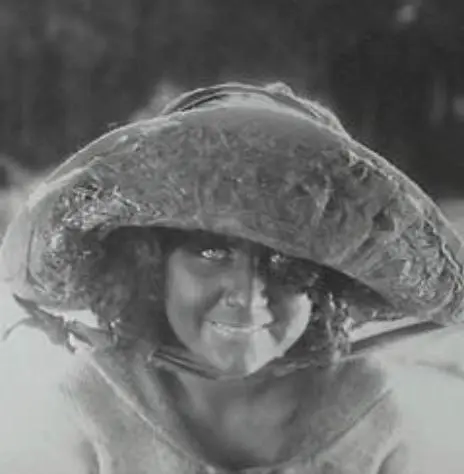
The film’s portrayal of the city feels like a cautionary tale written by a stern Victorian uncle. It works. But it’s flawed. The lack of nuance in the urban scenes makes the 'revelry' feel more like a pantomime than a genuine temptation.
Doris Ashwin carries the weight of the film as Dell Ferris. In an era where overacting was often the default, Ashwin manages to find moments of quiet desperation that feel surprisingly modern.
One specific moment stands out: when Dell realizes her money is gone, her face doesn't contort into a theatrical sob. Instead, there is a hollow stillness in her eyes that conveys a deeper sense of ruin.
Her performance provides a necessary anchor for a plot that occasionally veers into melodrama. Without her grounded presence, the film might have drifted into the forgettable territory of other period dramas like The Tenth Woman.
The supporting cast, including Jack Reed and Charles O'Mara, fill their archetypal roles well. They represent the different facets of the 'Australian Man'—the rogue and the protector—that would become staples of the genre.
This was Charles Chauvel’s first feature, and you can see him wrestling with the medium. He isn't just pointing a camera at actors; he is trying to make the landscape a character in its own right.
The cattle rustling sequences involving Jack Bronson are shot with a kinetic energy that was rare for 1926. There is a raw, unchoreographed feel to the horse work that puts modern CGI-heavy westerns to shame.
Compare the outdoor action here to the more staged feel of The Challenge of the Law. Chauvel’s work feels more dangerous, more connected to the dirt and the heat of the Queensland sun.
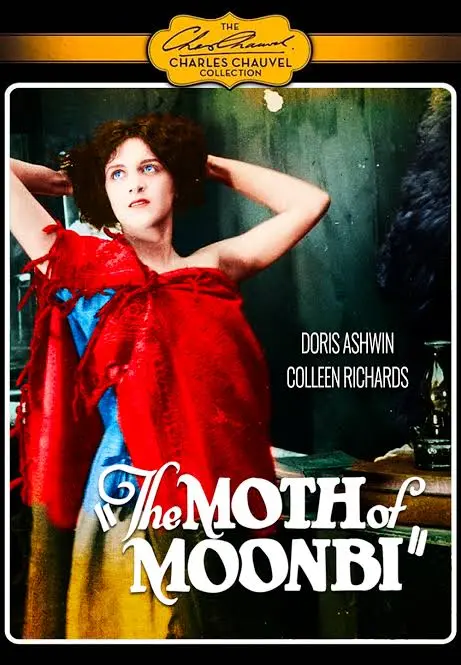
The cinematography by Jack Fletcher (though uncredited in some records) utilizes natural light in a way that emphasizes the harshness of the environment. The bush isn't beautiful here; it is demanding. It requires strength to survive it.
Yes, The Moth of Moonbi is worth watching for anyone interested in the evolution of visual storytelling.
While the plot is a standard 'prodigal daughter' narrative, the execution offers a unique window into the anxieties of a young nation. It captures a specific moment in time where Australia was deciding what it wanted to be.
If you go in expecting a fast-paced thriller, you will be disappointed. If you go in expecting a poetic, somewhat heavy-handed exploration of character and place, you will find much to admire.
We have to address the elephant in the room: the pacing. Silent films operate on a different internal clock, and The Moth of Moonbi is no exception.
There are stretches where the narrative seems to stall, particularly during the transition between Dell’s city life and her return to the station. These moments require patience from the viewer.
However, these lulls are often punctuated by moments of genuine tension. The conflict with Jack Bronson provides a necessary jolt of adrenaline that prevents the film from becoming a mere morality play.
The film's technical ambition is evident, even if the surviving prints show the wear and tear of a century. It lacks the polish of American exports like The Border Sheriff, but it gains points for its rugged authenticity.
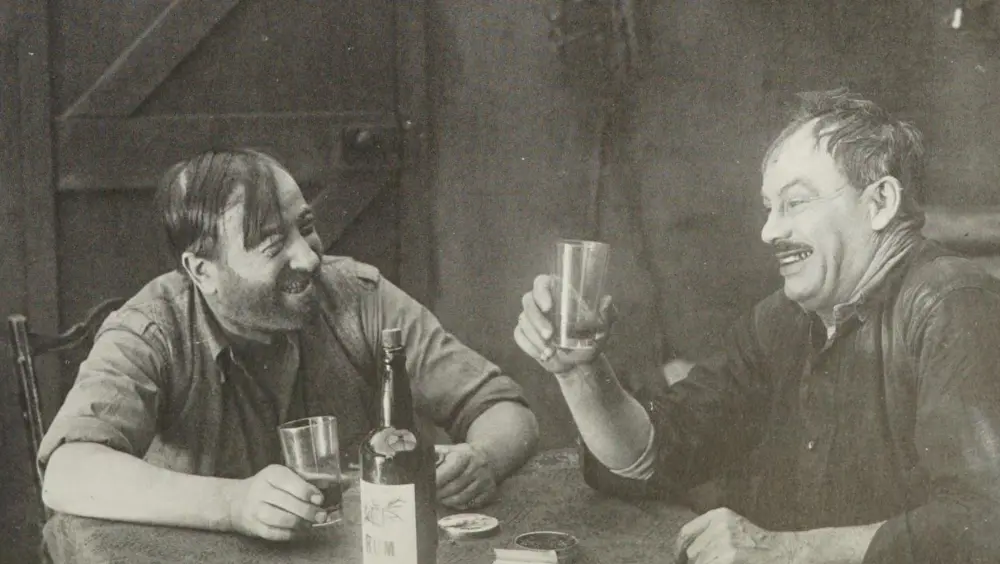
Tom Resoult, played by Marsden Hassall, is the moral compass of the film. He is the 'faithful head stockman,' a character type that would be replicated in Australian cinema for decades.
His relationship with Dell is interesting because it isn't based on passion, but on a shared understanding of the land. He waits for her to realize her mistakes, embodying a stoicism that is both admirable and slightly frustrating.
In a surprising observation, one might argue that Tom is actually the most boring character in the film. The 'bad boy' Jack Bronson has more charisma and drive, making Dell’s eventual choice feel more like a logical surrender than a romantic triumph.
This highlights a common issue in early nationalist cinema: the 'good' characters are often so virtuous they become two-dimensional. It’s a flaw, but a historically significant one.
Pros:
Cons:
The Moth of Moonbi is a crude but powerful piece of filmmaking. It lacks the sophistication of modern drama, but it possesses a raw honesty that is often missing from contemporary cinema. Charles Chauvel didn't just make a movie; he started a conversation about what it means to be Australian.
While the 'city vs. country' theme is an antique, the central idea of losing oneself in the pursuit of status is timeless. Dell Ferris is a character we still see today—someone chasing the wrong kind of light. This film is a flawed, dusty, but ultimately rewarding experience for those willing to look past its age.

IMDb 5.4
1928
Community
Log in to comment.