DbcultAccessing Vault...
Cult Review
Senior Film Conservator
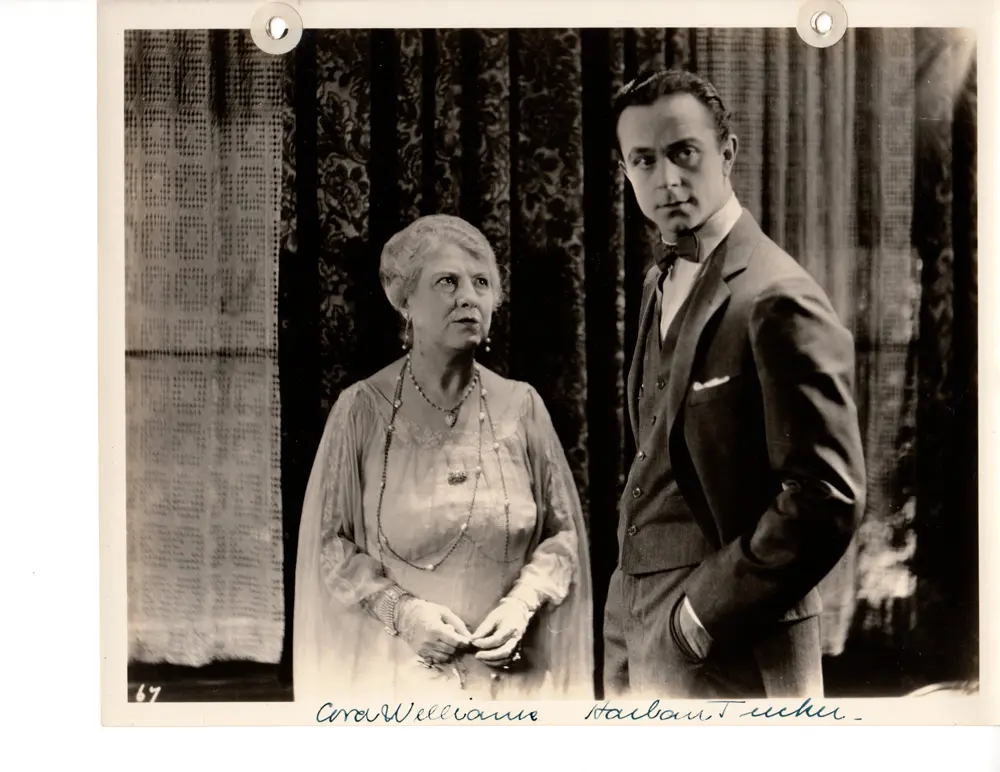
Is The Adorable Deceiver worth watching today? Short answer: yes, absolutely, especially if you possess an appreciation for the subtle charms and narrative earnestness of the silent film era. This 1926 picture offers a fascinating glimpse into a period of cinematic transition, delivering a surprisingly sharp social commentary wrapped in a delightful package of mistaken identities and comedic escapades.
This film is tailor-made for silent film enthusiasts, cinephiles interested in the evolution of comedic storytelling, and anyone who enjoys a lighthearted tale of class distinctions and clever deceptions. It is NOT for viewers seeking rapid-fire dialogue, modern pacing, or high-octane action. Its humor is observational, its drama character-driven, and its narrative unfolds at a deliberate, period-appropriate rhythm.
In the bustling landscape of 1920s cinema, The Adorable Deceiver emerges as a curious relic, a film that, despite its age, still manages to entertain and subtly critique the societal ambitions of its time. It’s a narrative built on the classic foundations of mistaken identity and social climbing, yet it manages to infuse these well-worn tropes with a fresh, if not always perfectly executed, vitality. The film’s premise, centering on a deposed Balkan princess navigating the cutthroat social circles of New York, is inherently compelling, a fish-out-of-water story that never quite loses its charm.
At its core, the film attempts to dissect the artifice of high society, suggesting that status is often less about birthright and more about presentation and sheer audacity. This theme resonates even today, making the film feel less like a historical curio and more like a timeless observation on human nature. The contrast between genuine royalty in disguise and outright imposters vying for the same social standing provides much of the narrative’s comedic and dramatic tension.
This film works because: Its central performance by Alberta Vaughn is captivating, providing a magnetic anchor to the unfolding comedic chaos, and its satirical gaze at social climbing remains remarkably pertinent.
This film fails because: Its pacing can occasionally falter, particularly in its middle act, and some supporting character arcs feel underdeveloped, diluting the overall impact.
You should watch it if: You appreciate silent comedies that blend social commentary with lighthearted deception, and you're keen to witness a strong female lead performance from the era.
The screenplay, credited to Harry O. Hoyt and Doris Anderson, deftly establishes its core conflict early on. The immediate plunge of King Nicholas and Princess Sylia from regal opulence to the indignity of a New York boarding house is a wonderfully executed comedic beat. This transition is not merely a plot device; it’s a character crucible, forcing Sylia to shed her royal pretensions and embrace a more pragmatic, Americanized version of herself. This adaptability is key to her charm and the film’s central thesis about identity.
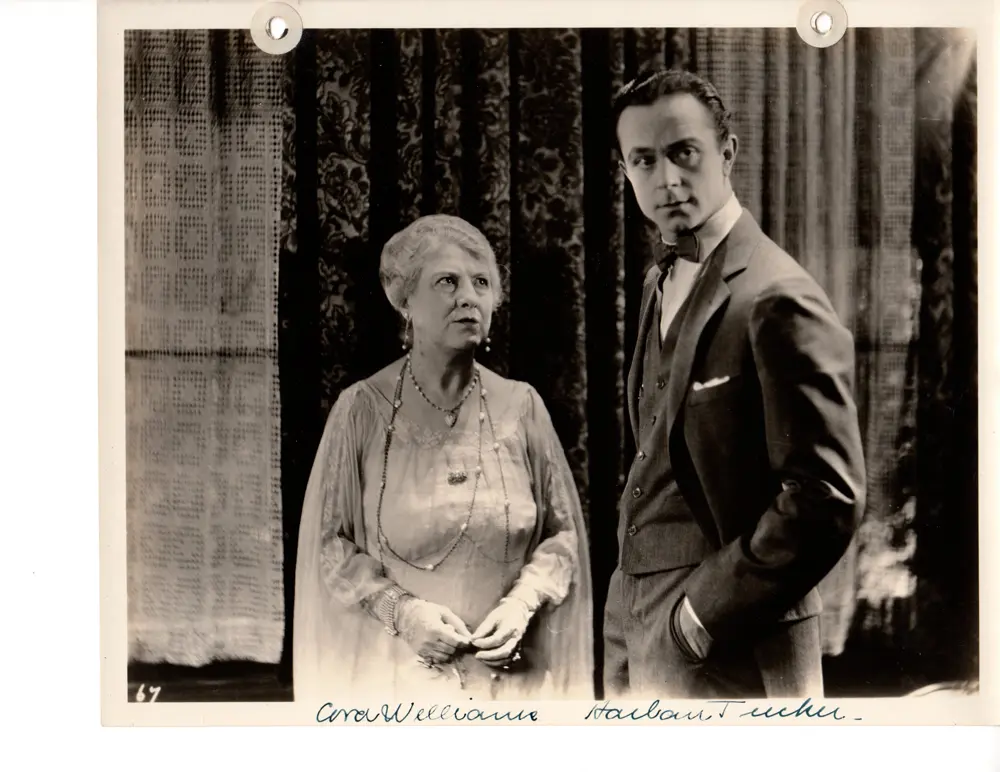
The subsequent introduction of Tom Pettibone and his mother, striving to crack the gates of high society with their newly acquired wealth, creates a perfect foil for Sylia’s genuine (albeit hidden) aristocratic background. The irony is delicious: the real princess pretends to be an aspiring car saleswoman, while the nouveau riche desperately seek a connection to royalty, even a fabricated one. This interplay is where the film truly shines, exposing the performative nature of class and status.
However, the narrative isn't without its minor stumbles. The arrival of the Doyle crooks, masquerading as the King and Queen of Santa Maria, while adding an additional layer of comedic confusion, feels a touch too convenient. It’s a plot point that, while necessary for the eventual climax, doesn’t always integrate as smoothly as the earlier, more organic developments. One might argue that the film occasionally leans too heavily on these contrivances rather than allowing the inherent humor of the characters’ situations to fully blossom.
Despite these minor structural quibbles, the story maintains a commendable fluidity. The transitions from one setting to another—from the grand hotel to the humble boarding house, then to the automobile showroom and the country club—are handled with a brisk efficiency that keeps the audience engaged. The film understands its genre, embracing the farcical elements without ever losing sight of the underlying human drama of its protagonists.
The success of any silent film hinges almost entirely on the expressiveness and charisma of its lead actors, and The Adorable Deceiver is no exception. Alberta Vaughn, as Princess Sylia, is the undisputed star here, delivering a performance that is both nuanced and utterly captivating. Her ability to convey Sylia’s initial regal haughtiness, her subsequent vulnerability in destitution, and her ultimate resourceful cunning through subtle shifts in facial expression and body language is truly remarkable. There's a scene where she first enters the boarding house, her eyes scanning the modest surroundings with a mixture of disdain and dawning realization, that speaks volumes without a single intertitle.
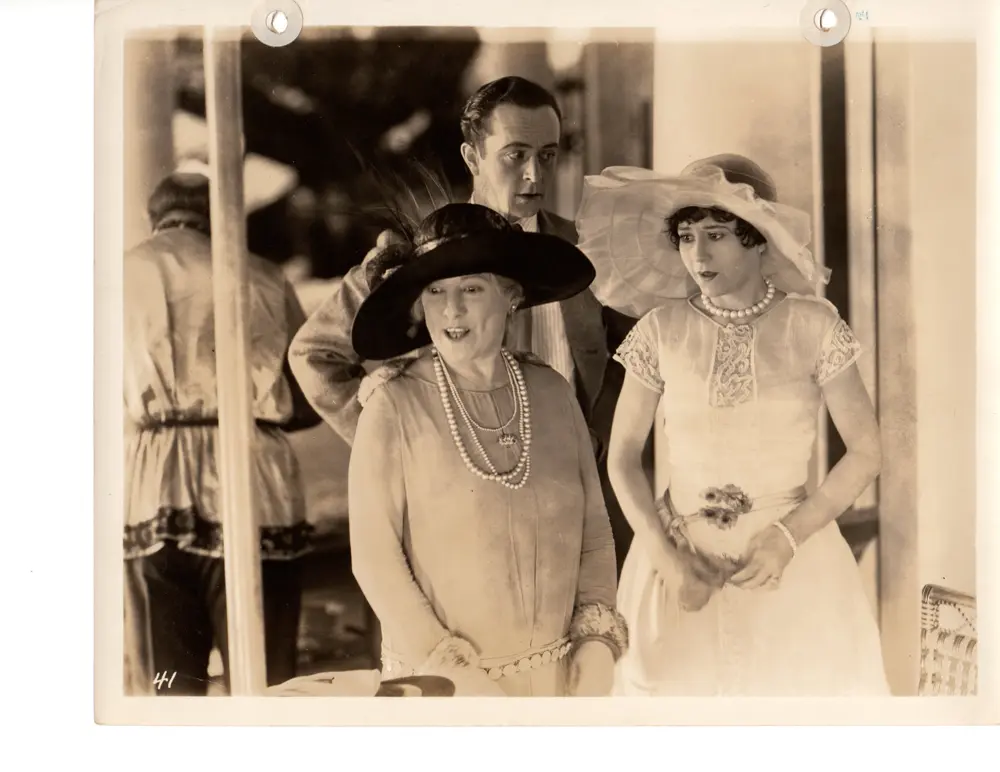
Vaughn imbues Sylia with a modern sensibility, portraying her not as a damsel in distress, but as an intelligent, proactive woman capable of seizing opportunity. This portrayal feels surprisingly ahead of its time, particularly when compared to some more passive female leads of the era, such as those often seen in melodramas like Love and the Woman. Her comedic timing is precise, particularly in her interactions with Tom Pettibone, where she deftly plays the 'innocent abroad' while secretly orchestrating her social ascent.
Daniel Makarenko, as King Nicholas, provides a delightful comedic counterpoint. His portrayal of the bewildered, slightly pompous, and ultimately helpless monarch is endearing. He’s a character who struggles to adapt, a stark contrast to his daughter, and Makarenko’s exaggerated gestures and often bewildered expressions perfectly capture this disconnect. His scenes, though fewer than Vaughn’s, add crucial comedic relief and underscore the film’s theme of fallen royalty struggling to maintain dignity.
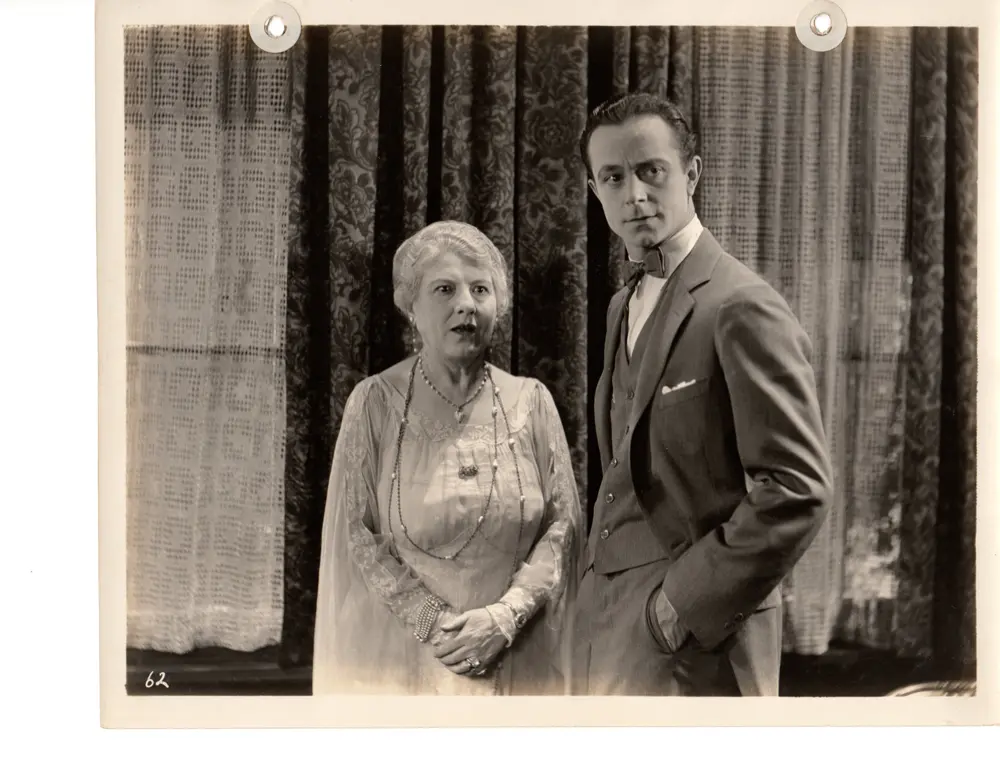
The supporting cast, while not always as memorable, effectively fills their roles. Rosa Gore as Mrs. Schrapp, the no-nonsense landlady, offers a sturdy, grounding presence. Harland Tucker as Tom Pettibone embodies the earnest, if somewhat naive, social climber. While these performances are solid, they sometimes lack the distinctive spark that Vaughn brings, occasionally fading into the background, which is a common pitfall of ensemble work in silent films where the focus is so heavily on the lead.
The direction of The Adorable Deceiver, while not groundbreaking, is competent and serves the narrative well. The film moves with a steady hand, focusing on clear storytelling and character reactions. There’s a commendable economy of shots; each frame feels purposeful, advancing either the plot or a character's emotional state. The use of intertitles is effective, providing necessary dialogue and exposition without feeling intrusive, a balance many silent films struggled to achieve.
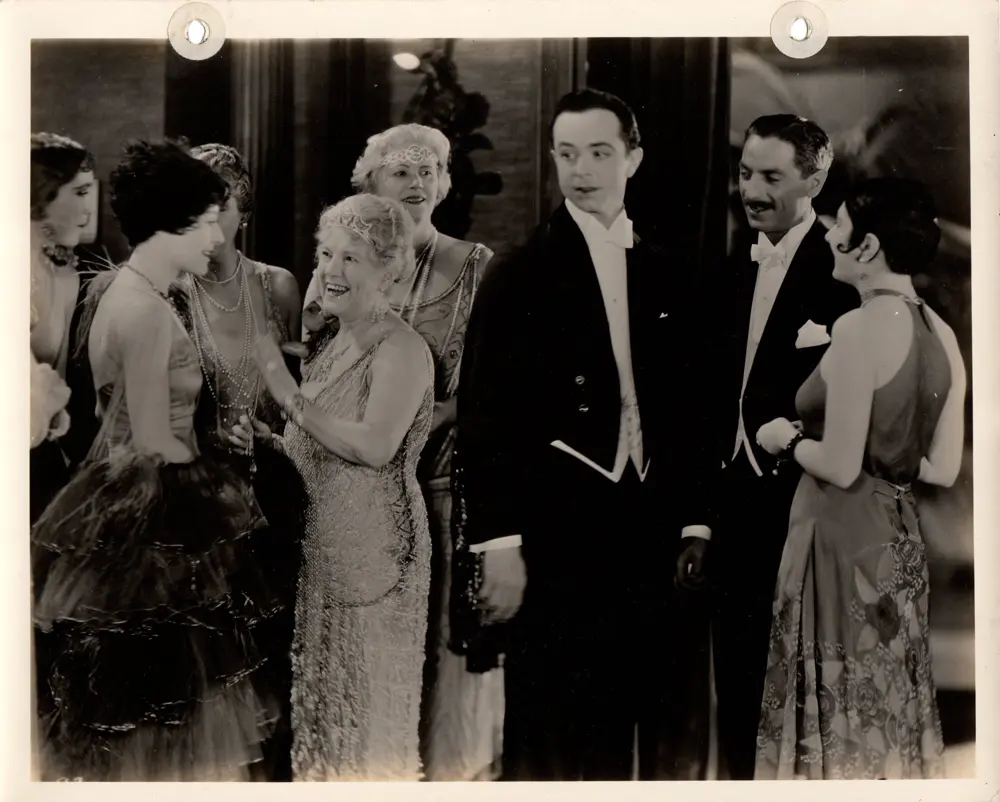
Cinematographically, the film employs a fairly conventional style for the era, but with moments of noticeable artistry. The contrast between the initial opulence of the hotel suite and the stark simplicity of the boarding house is visually striking, achieved through careful set design and lighting. For instance, the dimly lit, crowded common room of Mrs. Schrapp's establishment immediately conveys a sense of cramped desperation, a stark visual shorthand for the characters' reduced circumstances.
One particular strength lies in the staging of comedic moments. The director understands how to use physical comedy and visual gags to maximum effect. Consider the scene where King Nicholas attempts to secure a job, his royal demeanor hilariously clashing with the mundane expectations of the American workplace. The camera captures his bewildered expressions and clumsy attempts with an observational humor that feels both sympathetic and amusing. While it doesn't push the boundaries of visual storytelling like some European contemporaries such as Hoffmanns Erzählungen, it masters the accessible, engaging visual language of American silent cinema.
The pacing of The Adorable Deceiver is, for the most part, well-judged, though it does experience some minor undulations. The film opens with a brisk, almost urgent energy, quickly establishing the premise and the characters' plight. This initial momentum is excellent, drawing the audience into Sylia’s predicament with efficiency. The shift to the boarding house and her subsequent job search maintains a good rhythm, driven by her proactive nature.
However, there are moments in the second act, particularly during the country club sequence where the various deceptions are in full swing, that the pacing feels a touch too leisurely. While it allows for the comedic misunderstandings to fully develop, it occasionally borders on drawn-out, potentially testing the patience of viewers accustomed to more rapid narrative progression. This is a common challenge for silent films, where the absence of spoken dialogue sometimes necessitated longer takes or extended reactions to ensure clarity.
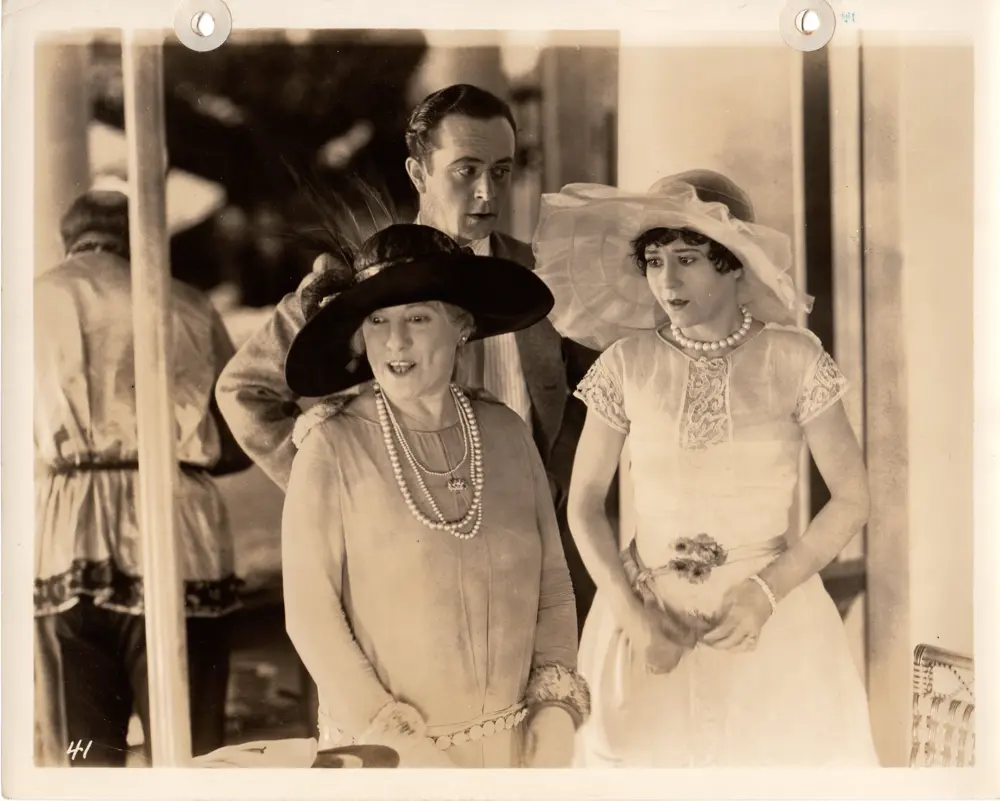
The tone of the film is predominantly lighthearted and comedic, even when dealing with the serious implications of poverty and political exile. There’s a consistent undercurrent of wit and charm that permeates the entire picture. The director successfully maintains this delicate balance, never allowing the comedic elements to completely overshadow the characters' struggles, nor permitting the drama to become overly heavy. It's a testament to the film's confident tonal control that it can elicit both laughter and a degree of empathy for its protagonists.
Yes, The Adorable Deceiver is worth watching, especially for silent film aficionados. It offers a charming story, a standout lead performance, and a clever take on social climbing. While its pacing can be uneven, its strengths far outweigh its minor flaws. It's a delightful example of early cinematic comedy.
Beyond its surface-level comedy, The Adorable Deceiver delves into themes that remain surprisingly potent. The most prominent is, of course, deception and identity. Sylia's journey is a masterclass in adapting one's identity to survive and thrive. She is a princess, a car seller, and an 'Albanian Princess' – each role a carefully constructed facade. This speaks to a universal human experience of presenting different versions of ourselves to the world.
The film also offers a trenchant critique of class and social mobility. The Pettibones’ desperate attempts to buy their way into high society, contrasted with Sylia's effortless grace (even when impoverished), highlight the inherent absurdities of social stratification. The film subtly argues that true class isn't about inherited titles or acquired wealth, but about an innate dignity and adaptability. This observation feels particularly relevant in an age where curated online personas often dictate social standing.
Another fascinating, if unconventional, observation is the film’s portrayal of female agency. Sylia is not a passive character; she drives much of the plot. She takes initiative, makes decisions, and demonstrates remarkable resilience. In an era when female characters were often relegated to supporting or victim roles, Sylia stands out as a strong, independent woman, foreshadowing more complex heroines to come in cinema. Her resourcefulness is genuinely inspiring.
The Adorable Deceiver is a delightful, if imperfect, silent comedy that deserves more recognition. It works. But it’s flawed. Its true strength lies in Alberta Vaughn’s vivacious performance and its surprisingly relevant commentary on the performative aspects of social status. While it won't redefine the genre, it offers a thoroughly enjoyable viewing experience for those willing to engage with its unique charms.
It’s a film that reminds us that human nature, with all its aspirations and deceptions, remains remarkably consistent across eras. For silent film aficionados, it's an easy recommendation. For casual viewers, it's a worthwhile dive into a bygone era that still has something to say. Seek it out; you might just be charmed by its adorable deceptions.
IMDb 6
1929
Community
Log in to comment.