DbcultAccessing Vault...
6/10
Senior Film Conservator
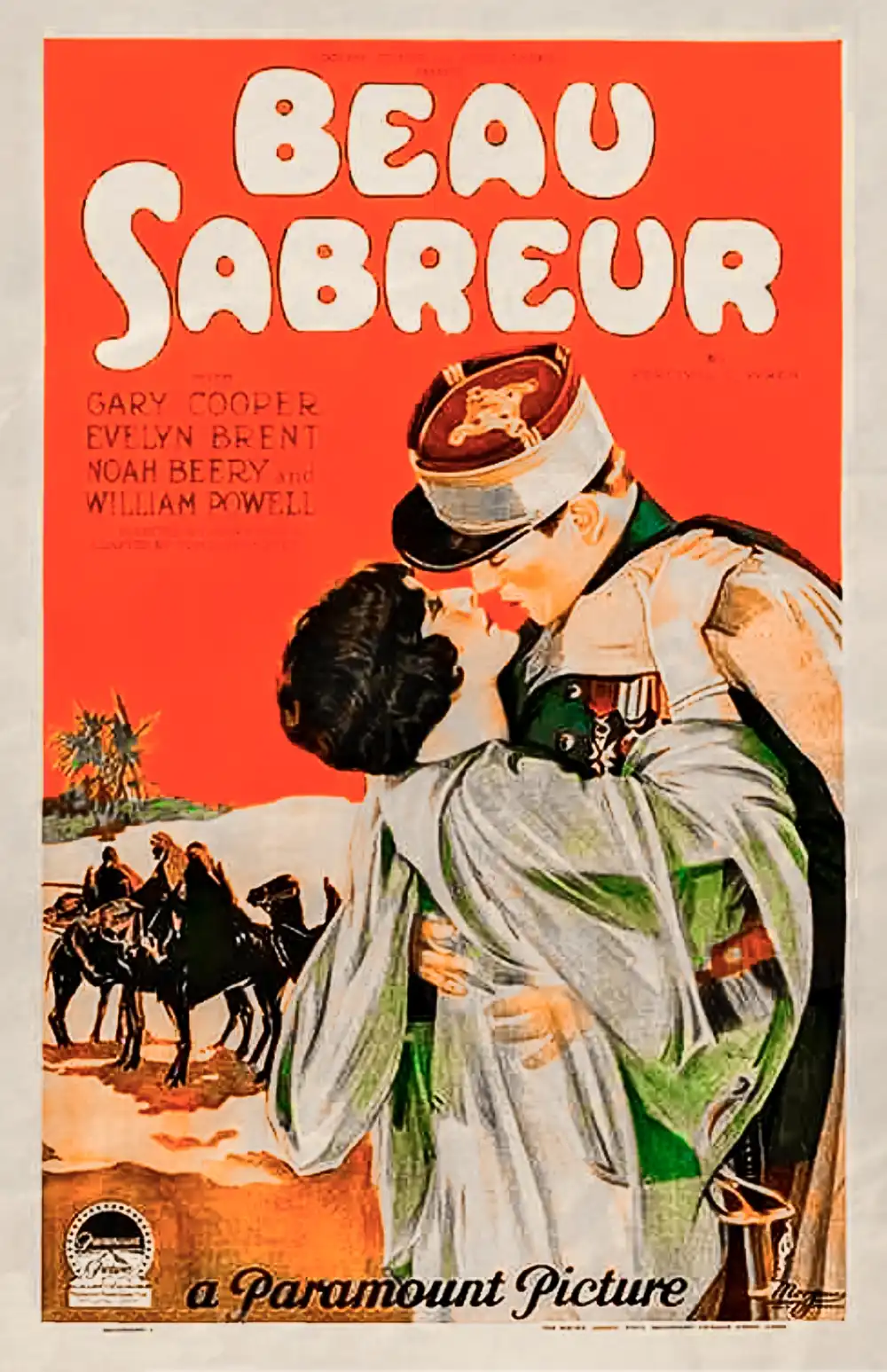
A definitive 6/10 rating for a film that redefined the boundaries of cult cinema. Beau Sabreur remains a cornerstone of transgressive art.
If you are looking for the haunting, fraternal melancholy that made Beau Geste a classic, Beau Sabreur will likely feel like a bit of a tonal curveball. It is worth watching today primarily as a showcase for a young Gary Cooper, who is already vibrating with the kind of screen presence that would define Hollywood for decades. However, if you aren't a fan of the broad, often clunky tropes of 1920s colonial adventures, the film’s middle-act pacing might leave you checking the clock.
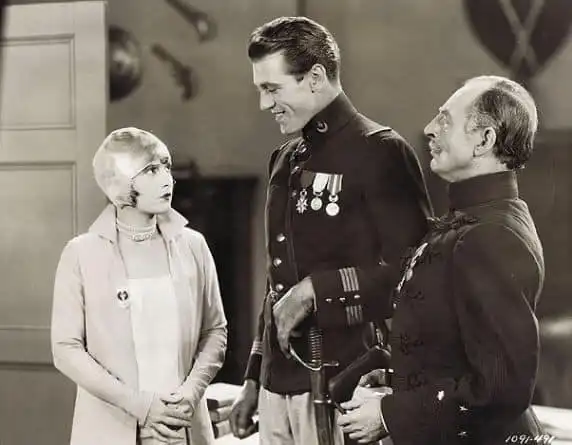
In 1928, Gary Cooper was still something of a raw nerve on screen. Playing Major Henri de Beaujolais, he carries himself with a physical stiffness that actually works for the character—a man defined by the rigid code of the French Foreign Legion. There is a specific moment early in the film where Cooper confronts a subordinate, and the camera lingers on his face; you can see him internalizing the character's conflict between duty and personal instinct. It’s not the most nuanced performance of his career, but it’s a fascinating look at a star learning how to use his height and his silences to dominate a frame.
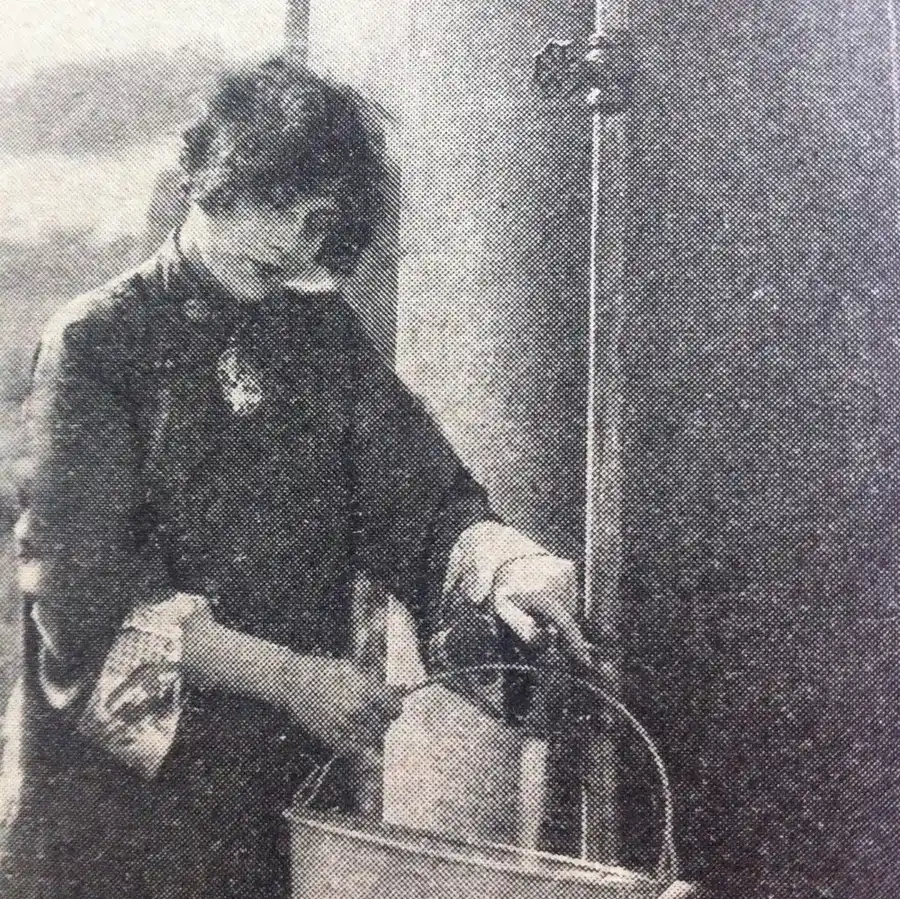
Unlike the more theatrical performances found in films like The Snob, Cooper feels remarkably modern. He doesn't rely on the wide-eyed pantomime that plagued many of his contemporaries. Instead, he lets the desert wind and the shadow of his kepi do the heavy lifting. When he is on screen, the film feels grounded; when the focus shifts to the broader ensemble, things tend to get a bit more caricatured.
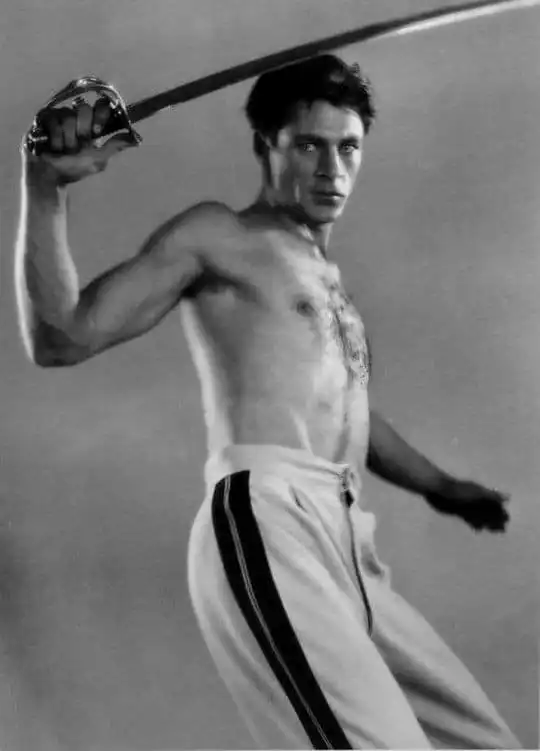
One of the genuine treats of Beau Sabreur is seeing William Powell as the antagonist, Becque. Long before he became the epitome of sophisticated urbanity in the 1930s, Powell was a master of the silent-screen sneer. His Becque is a classic heavy—calculated, cold, and physically imposing in a way that provides a perfect foil for Cooper’s stoicism. Their interactions are the highlight of the first act, particularly the scene where the betrayal is finally laid bare. The editing rhythm here is surprisingly sharp for the era, cutting between the two men with a speed that heightens the tension of the reveal.
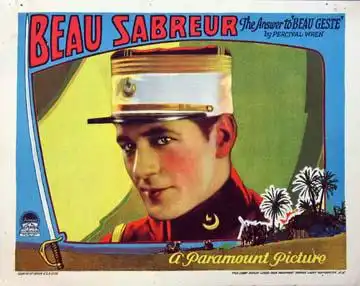
Visually, the film is a feast of high-contrast lighting and sweeping vistas. The cinematography captures the oppressive heat of the Sahara with more than just wide shots of sand dunes. There is a focus on texture—the grit on the soldiers' uniforms, the shimmering heat haze on the horizon, and the way the light hits the white walls of the legion outposts. It lacks the experimental physicality of something like Wege zu Kraft und Schönheit - Ein Film über moderne Körperkultur, but it understands the scale of its environment perfectly.
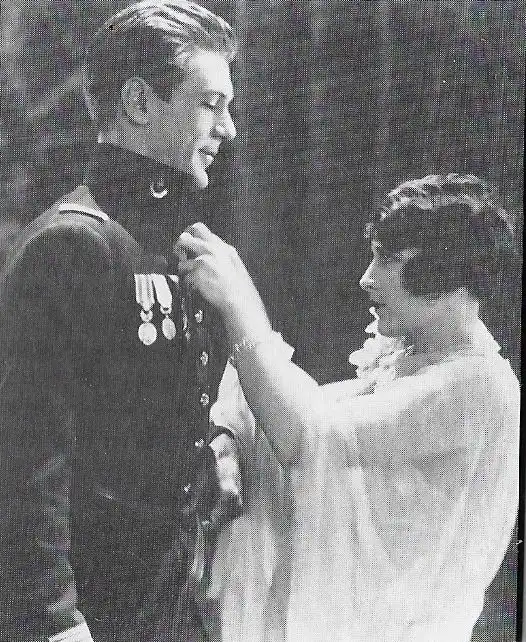
The action sequences, particularly the swordplay, are handled with a surprising amount of grit. There is a specific duel near the end of the film where the choreography feels less like a dance and more like a desperate struggle. You can see the actors actually grappling with the terrain—the way the sand gives way under their boots, making every lunge a gamble. It is a messy, visceral sequence that stands out in a genre that often favored clean, stagey combat.
The film isn't without its flaws. The secondary plot involving Mary Vanbrugh (Evelyn Brent) feels like a concession to the studio’s need for a romance. Brent is a capable actress, but her character often feels like a passenger in her own story. The scenes where she and Henri are navigating their burgeoning relationship in the middle of a diplomatic crisis tend to drag. The dialogue intertitles become a bit wordy here, and the momentum built up by the early betrayal plot begins to dissipate.
There are also moments of awkwardness in the portrayal of the Arab tribes. While the film tries to present the peace treaty mission as a matter of high-stakes diplomacy, it cannot escape the colonialist lens of its time. Some of the crowd scenes feel disorganized, with background actors looking a bit lost, which occasionally breaks the immersion of the larger-than-life adventure. It lacks the tight, slapstick precision of a comedy like Hard Luck, which, despite being a different genre, managed its ensemble movement with more clarity.
"The desert is a cruel master, but a silent one." This sentiment, echoed through the film's intertitles, sums up the aesthetic perfectly. The film is at its best when it lets the environment and the actors' faces tell the story, rather than the plot-heavy peace treaty negotiations.
Beau Sabreur is a solid, professional piece of late-silent-era filmmaking. It doesn't reach the poetic heights of its predecessor, but it offers a rugged, entertaining ride for those who appreciate the genre. It is a film of moments: a sharp glance between rivals, a desperate sword fight in the dunes, and the sight of Gary Cooper coming into his own as a screen icon. While the romantic subplots and the middle-act pacing issues keep it from being a masterpiece, it remains a vital watch for anyone interested in the evolution of the American action hero. If you can forgive the dated cultural politics and a few slow stretches, the visual craft and the central performances make it a journey worth taking.
IMDb 6.9
1918
Community
Log in to comment.