DbcultAccessing Vault...
Cult Review
Senior Film Conservator
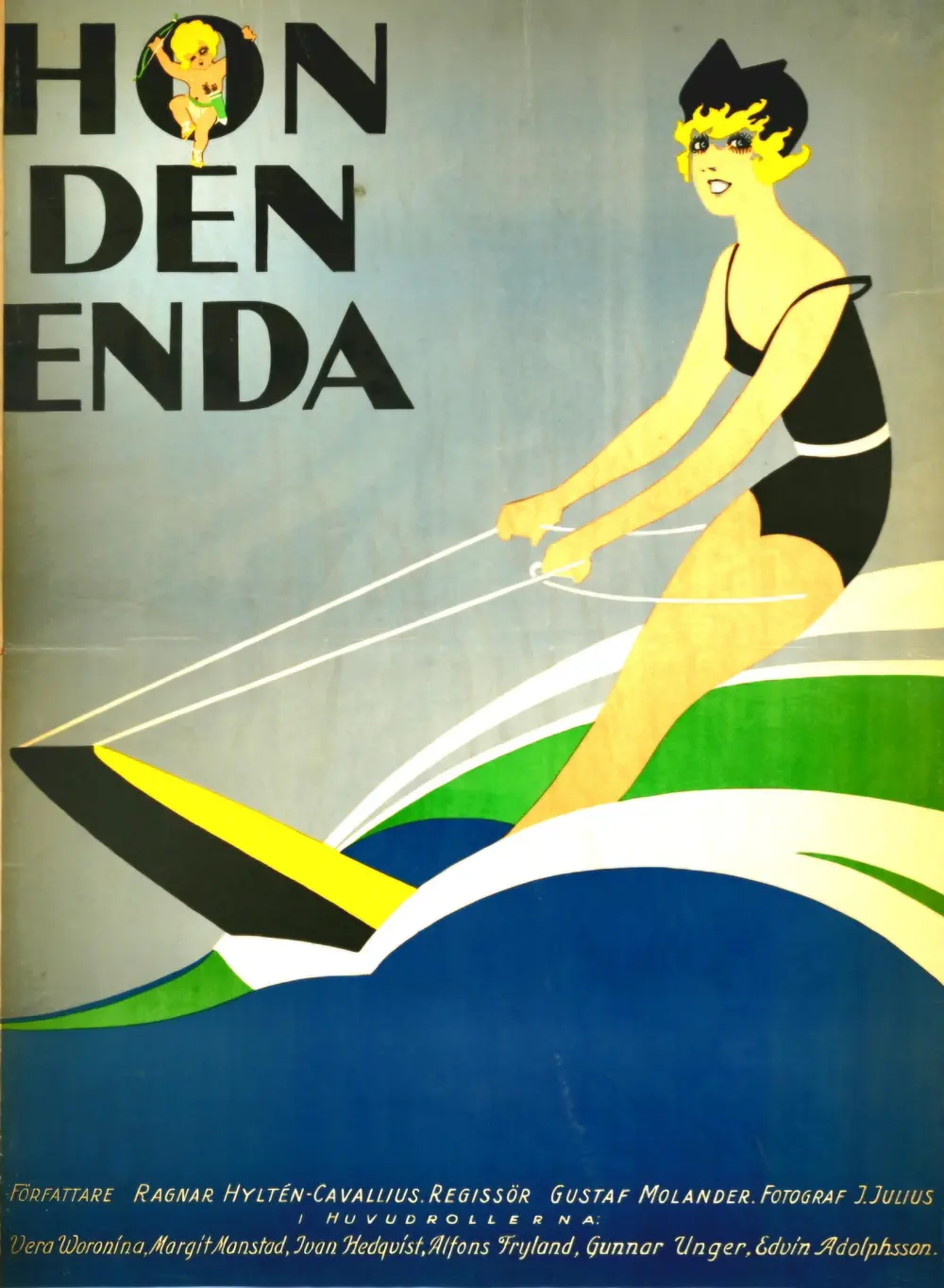
Is 'Hon, den enda' a film worth watching in today's crowded cinematic landscape? Short answer: yes, but with significant caveats. This early examination of Parisian high society's romantic entanglements offers a fascinating glimpse into a bygone era of filmmaking and social mores, making it a valuable historical artifact for cinephiles and cultural anthropologists alike. However, for the casual viewer expecting modern pacing or easily digestible narratives, its charms may prove elusive.
This film is unequivocally for those who appreciate early cinema, period dramas with a focus on character psychology over explosive action, and narratives that revel in the subtleties of human emotion and societal critique. It is decidedly NOT for audiences seeking fast-paced plots, clear-cut resolutions, or modern special effects. If your cinematic palate leans towards the contemplative and historically rich, 'Hon, den enda' offers a unique experience.
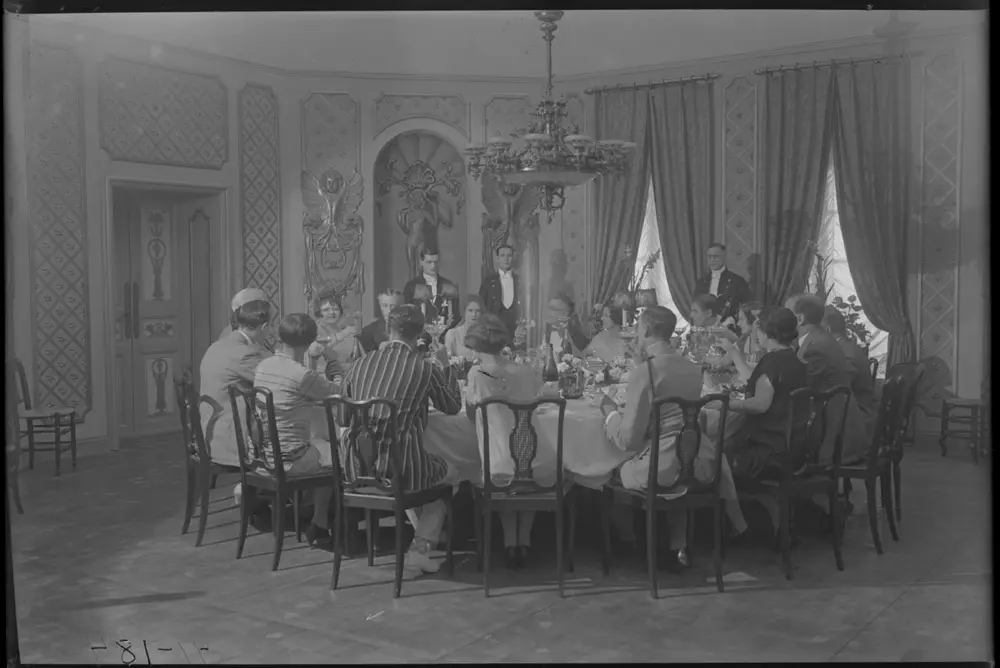
'Hon, den enda,' adapted from Alfred de Musset's work, plunges us headfirst into the opulent yet stifling world of Paris's upper echelons. The film, directed by Ragnar Hyltén-Cavallius, who also co-wrote the screenplay, attempts to capture the intricate, often suffocating, nature of love and desire when constrained by reputation and social standing. It’s a world where a wrong glance can ignite a scandal and a misplaced word can shatter a family's standing. This setting is arguably the film's strongest character, dictating the very rhythm and tone of the narrative.
The plot, revolving around a series of romantic entanglements, is less about grand gestures and more about the quiet, internal battles fought by its protagonists. We see characters navigating a labyrinth of unspoken rules, where passion must often yield to pragmatism, and true feelings are frequently masked by polite smiles and carefully chosen words. This inherent conflict is where the film finds its dramatic weight, even if the execution sometimes feels dated.
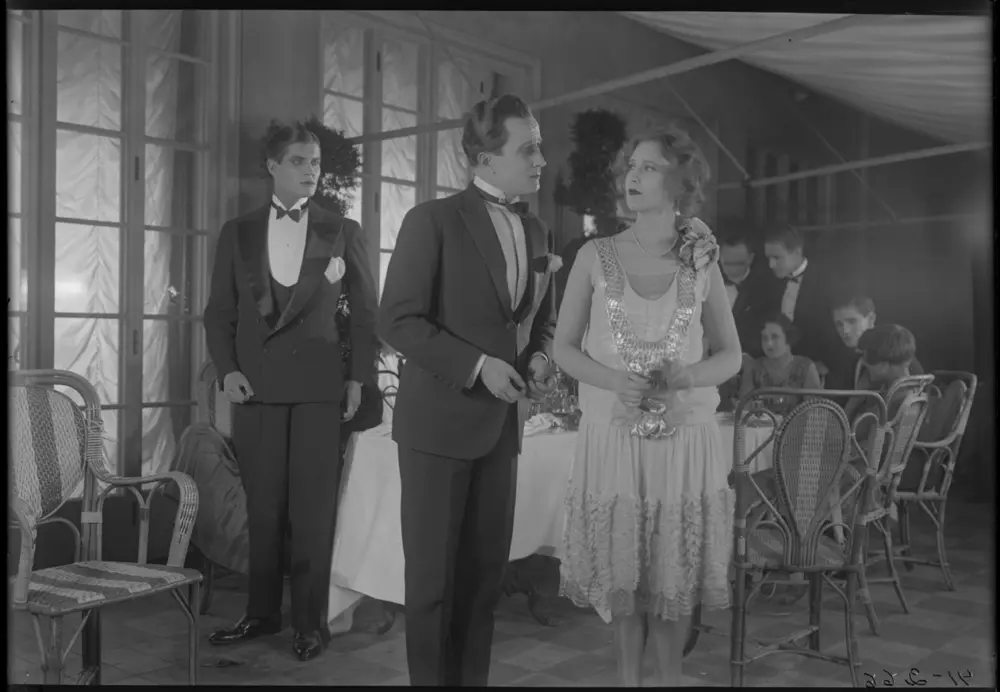
This film works because of its unflinching commitment to its period setting and its sincere, if sometimes heavy-handed, exploration of human vulnerability within rigid social structures. It fails because its pacing can be glacial, demanding a level of patience from modern audiences that many may not possess, and its emotional climaxes can feel muted by today's standards. You should watch it if you are a student of early cinema, a fan of classic melodrama, or someone curious about the societal pressures of historical European aristocracy.
The cast, featuring names like Brita Appelgren, Margit Manstad, and Gunnar Unger, carries the substantial emotional load of the narrative. In a film so reliant on the subtleties of 'entanglements,' the actors are tasked with conveying a spectrum of emotions often through restrained expressions and carefully modulated vocalizations – a hallmark of early sound cinema, where performances often retained theatricality while adapting to the new medium. Brita Appelgren, as one of the central figures, likely navigates the treacherous waters of societal expectation with a palpable sense of internal conflict. Her performance, one can imagine, would have relied on a delicate balance of outward composure and implied inner turmoil, a testament to the acting styles of the era.
Margit Manstad, often known for her dramatic roles, would have brought a certain gravitas and perhaps a hint of rebellion to her character, challenging the societal norms that bind her. Gunnar Unger, playing a key romantic interest, would have had to embody both the charm and the potential for moral compromise inherent in such a world. The chemistry between these leads, though perhaps less overtly passionate than what we expect today, would have been crucial to selling the film's core premise.
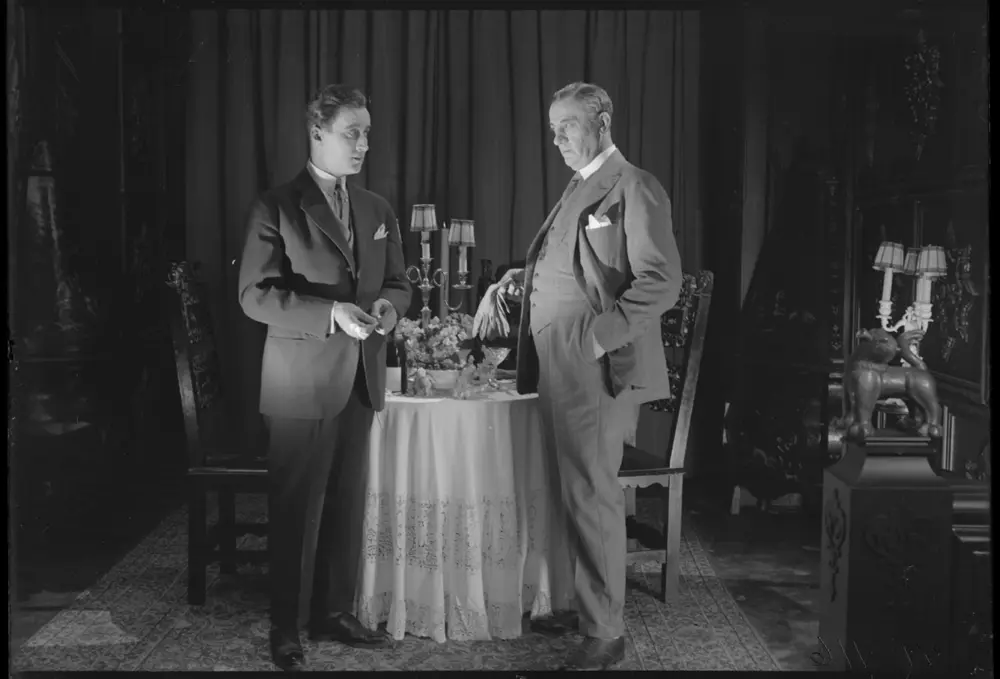
The supporting cast, including seasoned actors like Ivan Hedqvist and Edvin Adolphson, provides the necessary texture to this aristocratic tapestry. Their roles, whether as disapproving elders or gossiping peers, solidify the oppressive atmosphere that defines the characters' choices. It’s in these collective performances that the film truly builds its world, even if individual character arcs can sometimes feel underdeveloped by contemporary standards.
Ragnar Hyltén-Cavallius’s direction for 'Hon, den enda' is a masterclass in period recreation, relying heavily on the visual splendor of its Parisian setting. The cinematography, while not necessarily groundbreaking for its time, likely captures the elegance of grand ballrooms, the intimacy of private salons, and the romantic allure of Parisian streets. The camera work would have served to emphasize the characters' isolation within their opulent surroundings, often using framing to highlight the emotional distances between them. Consider a scene where a character stands alone in a vast, ornate room; the wide shot would immediately convey their emotional solitude amidst physical grandeur.
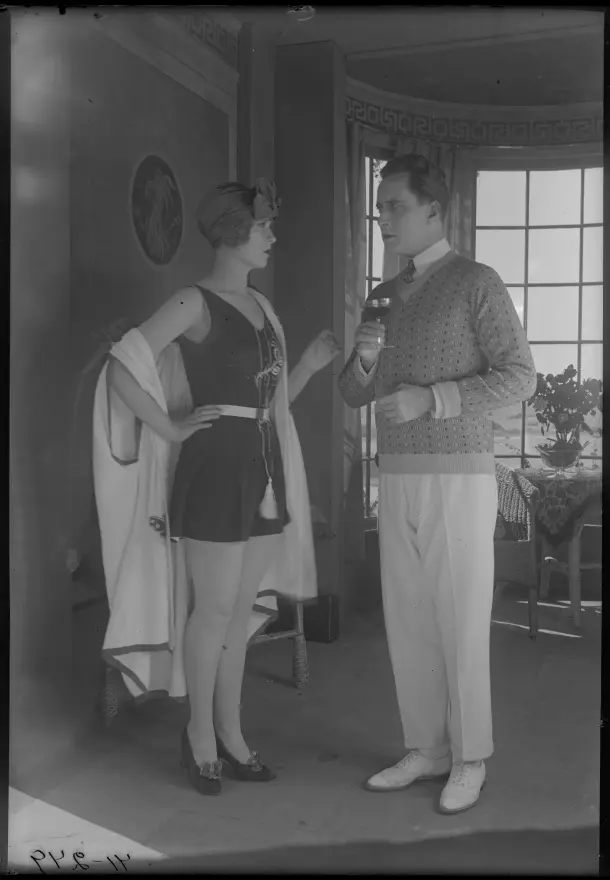
The use of lighting, a critical element in films of this period, would have been instrumental in setting the mood. Soft, diffused light for romantic encounters, starker contrasts for moments of dramatic tension, and perhaps shadows to symbolize hidden desires or impending ruin. This deliberate approach to visual storytelling ensures that the audience is not just told the story, but also feels immersed in its emotional landscape.
One could argue that the film’s visual style, while beautiful, occasionally overshadows the emotional core, prioritizing aesthetic over raw human feeling. However, this is largely a matter of taste; for those who appreciate the artistry of early cinema, the deliberate pacing and evocative visuals are part of its charm. It's a stark contrast to the rapid-fire editing and handheld realism that would come to dominate later decades, providing a valuable historical counterpoint.
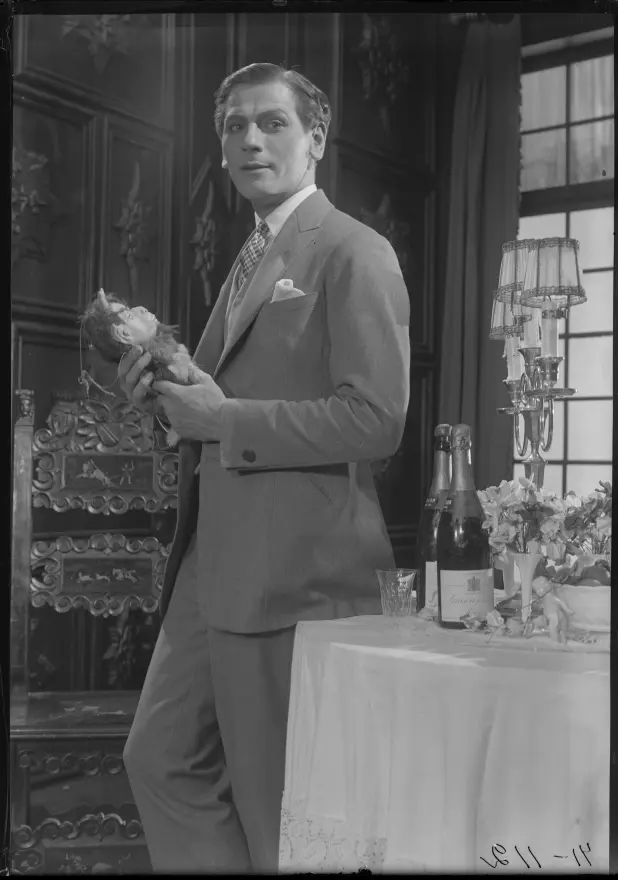
The pacing of 'Hon, den enda' is undeniably deliberate, a characteristic common to many films of its era. This slower rhythm allows for prolonged scenes of dialogue and contemplation, giving the audience ample time to absorb the nuances of each interaction. While this can feel sluggish to modern viewers accustomed to faster cuts and more immediate gratification, it also fosters a deeper engagement with the characters' internal struggles. A particularly long shot of a character gazing out a window, for instance, might, today, be trimmed to seconds, but in this film, it would be allowed to breathe, inviting the audience to ponder their thoughts alongside them.
The tone is predominantly melancholic and romantic, tinged with a sense of inevitability. There's an underlying current of societal critique, subtly questioning the restrictive nature of aristocratic life and the sacrifices demanded in the name of propriety. This is not a film that offers easy answers or triumphant resolutions; instead, it delves into the bittersweet reality of choices made under duress. This makes 'Hon, den enda' feel surprisingly modern in its thematic complexity, despite its antiquated presentation.
The film's exploration of love, duty, and sacrifice remains relevant. While the specifics of Parisian high society may have faded, the universal human struggle to balance personal desires with external pressures is timeless. This is where the film transcends its period piece limitations, offering a mirror to our own contemporary dilemmas, albeit reflected through a sepia-toned lens.
Absolutely, but with a clear understanding of what you're getting into. 'Hon, den enda' is not a film to casually put on in the background. It demands attention and a willingness to immerse oneself in its particular rhythm. For those with an interest in the history of cinema, European drama, or the works of Alfred de Musset, it offers considerable rewards.
Its value lies in its historical significance and its earnest attempt to portray complex human relationships within a restrictive social framework. It provides a unique lens through which to view societal norms and cinematic techniques of its time. For example, comparing its approach to melodrama with something like Montmartre (another film of the era dealing with Parisian life) reveals distinct stylistic choices in handling similar themes.
'Hon, den enda' is a compelling, if demanding, piece of cinematic history. It operates on a different wavelength than most modern films, requiring patience and an appreciation for the subtleties of its craft. It works. But it’s flawed. Its strengths lie in its detailed period recreation and the earnest performances that bring its intricate love entanglements to life. While it won't appeal to everyone, for the discerning viewer willing to invest in its unique rhythm, it offers a rewarding and insightful journey into the heart of early 20th-century Parisian melodrama.
It’s a film that reminds us of cinema’s power to preserve and interpret human experience across generations, even when that experience is cloaked in the formal elegance of a bygone aristocratic age. I highly recommend it for those who find beauty in the slower, more contemplative narratives, and for anyone eager to understand the evolution of film storytelling. Don't go in expecting The Power Within; expect a quiet, elegant waltz through a world of hidden desires and societal constraints.
IMDb 7.2
1923
Community
Log in to comment.