DbcultAccessing Vault...
6.8/10
Senior Film Conservator
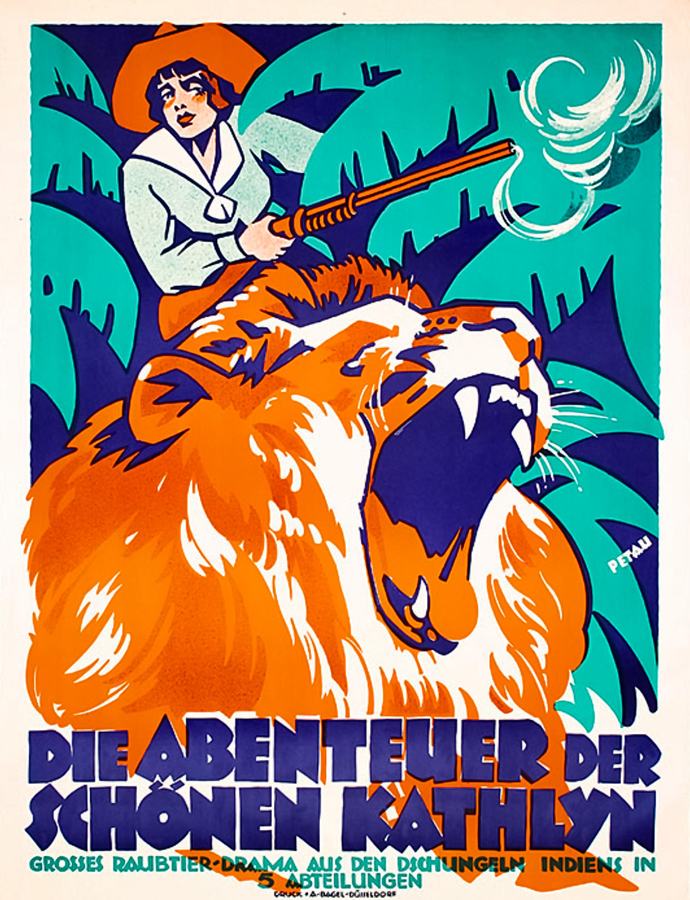
A definitive 6.8/10 rating for a film that redefined the boundaries of cult cinema. The Adventures of Kathlyn remains a cornerstone of transgressive art.
Stepping into the flickering, monochrome world of 1916 cinema, one encounters a landscape brimming with nascent ideas and experimental storytelling. It was an era where the moving picture was still discovering its voice, yet already, certain luminaries and formats were cementing their place in the public consciousness. Among these, the adventure serial stood tall, a weekly dose of thrills and cliffhangers that kept audiences returning with an almost religious fervor. And at the apex of this thrilling genre, one name shone brighter than most: Kathlyn Williams. Her titular vehicle, 'The Adventures of Kathlyn', originally a thirteen-episode serial from 1913, was deemed so immensely popular, so utterly compelling, that it warranted a grand re-packaging into a feature-length film just three years later. This transition itself speaks volumes about the film's original impact and the burgeoning demand for more substantial cinematic experiences.
The decision to condense thirteen distinct chapters, each ending on a nail-biting precipice, into a coherent, flowing narrative for a feature film was no small feat. It required a masterful touch from writers Harold McGrath and Gilson Willets, who had to distill the essence of the serial’s sprawling plot, streamline its numerous subplots, and maintain the breathless pace that defined its appeal, all while ensuring a satisfying, conclusive arc. This process wasn't merely editing; it was an act of cinematic alchemy, transforming a serialized experience into a singular, immersive journey. For contemporary viewers, accustomed to the immediate gratification of digital streaming, it’s difficult to fully grasp the profound novelty and anticipation that surrounded such a project. It wasn't just a movie; it was a cultural event, a testament to the enduring power of a story and its star.
Kathlyn Williams: A Proto-Action Heroine
Kathlyn Williams herself was a phenomenon. In an era often characterized by demure heroines, Williams portrayed a woman of remarkable agency and physical prowess. She wasn't merely a damsel in distress; she was an active participant in her own salvation, often initiating daring escapes and confronting danger head-on. This was a radical departure for the time, establishing her as one of cinema’s earliest true action heroines. Her portrayal resonated deeply with audiences, particularly women, who found in Kathlyn a reflection of burgeoning independence and strength. She was the antithesis of the fragile, fainting Victorian archetype, instead embodying a spirit of adventure that transcended gender norms. Her legacy extends beyond this single film; she paved the way for future strong female characters, demonstrating that audiences yearned for protagonists who were not only beautiful but also brave and resourceful.
The plot, as reimagined for the feature, delves into a classic adventure trope: a rightful heir, an exotic kingdom, and a malevolent usurper. Williams's character, a spirited American heiress, finds herself thrust into a fantastical realm following her father's death. This inheritance isn't just a fortune; it's a throne in a distant, mystical land, a responsibility she must claim amidst the machinations of the villainous Prince Radjah. Radjah, a character steeped in the orientalist tropes prevalent in early 20th-century adventure fiction, is determined to seize power through any means necessary, employing a gamut of treacherous plots and henchmen. The narrative, therefore, becomes a race against time, a test of will, and a journey through perilous landscapes.
A Cast of Characters and a Pachyderm Star
The supporting cast, while perhaps less celebrated than Williams, played crucial roles in fleshing out this grand adventure. Lafe McKee, a prolific character actor of the silent era, brings a sense of grounded wisdom to his role, often serving as a loyal confidante or a moral compass amidst the chaos. Tom Santschi, known for his robust, often heroic or villainous roles in early cinema, adds a dynamic presence, whether as a courageous ally or a formidable foe. The film also features Effie Sackville and Charles Murphy, whose portrayals of Radjah’s devious agents contribute significantly to the narrative’s tension and intrigue. Their performances, though broad by modern standards, were perfectly attuned to the melodramatic sensibilities of the era, conveying villainy and menace with palpable energy.
However, no discussion of 'The Adventures of Kathlyn' would be complete without acknowledging its most unique and arguably most memorable cast member: Charlie the Elephant. Charlie wasn’t just a prop; he was a character, a loyal companion whose timely interventions often saved Kathlyn from seemingly insurmountable predicaments. His presence introduced a delightful element of exoticism and spectacle, tapping into the public’s fascination with wild animals and far-off lands. In an age before sophisticated special effects, the integration of a live elephant into action sequences was a remarkable feat, adding an undeniable layer of authenticity and thrilling unpredictability. Charlie's role underscores the film's commitment to delivering unparalleled excitement, pushing the boundaries of what audiences expected from cinematic entertainment.
Visuals and Direction: A Spectacle for the Ages
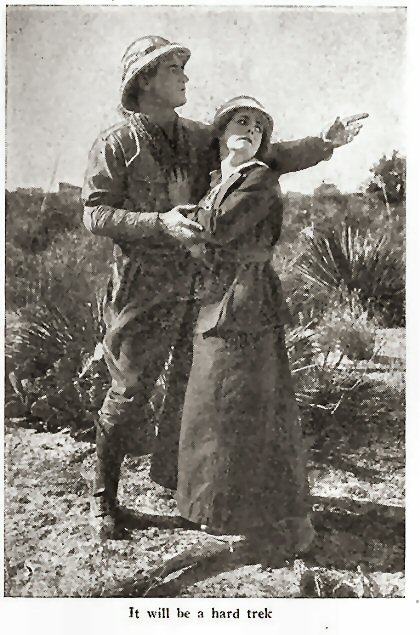
The direction of 'The Adventures of Kathlyn', though uncredited for the feature version (it was primarily handled by Francis J. Grandon and others for the serial), masterfully utilized the cinematic language of its time. The film boasted impressive location shooting, or at least convincing set designs that evoked the exotic locales of its story. The action sequences, from daring escapes through dense jungles to confrontations in opulent palaces, were staged with a theatrical flair that held audiences spellbound. The use of natural light, the dynamic framing of chase scenes, and the careful composition of shots to maximize dramatic impact were all hallmarks of a burgeoning cinematic artistry. The film understood the power of visual storytelling, conveying danger, excitement, and emotion through movement and expression rather than dialogue.
The writers, Harold McGrath and Gilson Willets, deserve commendation for crafting a narrative that, despite its serial origins, cohered into a satisfying feature. Their ability to weave together multiple threads of peril, romance, and political intrigue, culminating in a grand resolution, speaks to their understanding of popular storytelling. The plot, while fantastical, tapped into universal themes of justice, courage, and the triumph of good over evil, making it accessible and engaging for a wide audience. The film’s success was a testament not only to its star but also to the narrative craftsmanship that underpinned its thrilling facade.
Historical Context and Cinematic Legacy
In the broader tapestry of early cinema, The Adventures of Kathlyn (1916) holds a significant place. It represents a crucial step in the evolution from short, fragmented films to longer, more ambitious features. It showcased the viability of adapting successful serials for the big screen, a practice that would continue for decades. Moreover, it cemented the star power of Kathlyn Williams, proving that a strong, active female lead could carry a major production. This was a progressive notion for its time, challenging prevailing gender roles in media.
Comparing it to other films of the era illuminates its unique standing. While films like The Squaw Man (1914) were also pioneering in their feature-length format, they often focused on more dramatic or Western themes. 'Kathlyn', in contrast, fully embraced the exotic adventure genre, a precursor to the swashbuckling tales that would dominate later decades. Its emphasis on continuous action and peril set it apart from more contemplative dramas such as Martin Eden (1914), which explored psychological depths and social commentary. Instead, 'Kathlyn' offered pure, unadulterated escapism, a much-needed balm in a world teetering on the brink of global conflict.
The film's influence can be seen in subsequent adventure serials and films that featured intrepid heroes and heroines in exotic locales. Its blend of high stakes, thrilling action, and a charismatic lead created a template that many would follow. One might draw parallels to the adventurous spirit found in films like The War Correspondents (1913), which also plunged its characters into perilous situations, albeit in a more contemporary setting. However, 'Kathlyn' amplified the fantastical elements, transporting its audience to a world far removed from their daily lives. Even a film like Moora Neya, or The Message of the Spear (1911), while sharing an exotic setting, lacked the relentless, chapter-by-chapter build-up of suspense that defined 'Kathlyn''s original serial form and its feature adaptation.
The film’s enduring appeal lies in its audacious spirit. It didn't shy away from grand spectacle or high melodrama. The threats faced by Kathlyn—from wild animals and treacherous villains to ancient curses—were designed to elicit maximum thrills. While the pacing and acting styles might seem quaint to a modern eye, it’s essential to view 'The Adventures of Kathlyn' through the lens of its historical context. For its time, it was a groundbreaking piece of entertainment, a technological marvel, and a cultural touchstone. It offered a window into worlds unknown, populated by characters who defied expectations, and delivered a narrative rollercoaster that left audiences breathless.
Other films of the era, such as The High Hand (1914) or His Vindication (1913), might have explored different facets of drama or crime, but none quite captured the pure, unadulterated escapism and physical adventure of 'Kathlyn'. Even a film like The Witch (1916), which likely dealt with supernatural thrills, presented a different kind of danger and fear, less about physical daring and more about unseen forces. The appeal of 'Kathlyn' was its tangible, visceral threats, its clear-cut heroes and villains, and its promise of a grand resolution.
The film also served as a proving ground for the nascent star system. Beyond Kathlyn Williams, actors like Goldie Colwell, Franklyn Hall, Roy Watson, and Charles Clary, though not the primary focus, contributed to the ensemble's overall effectiveness. Their work, alongside that of Horace B. Carpenter, helped to create a believable, albeit heightened, world for Kathlyn's adventures to unfold. The synergy between the charismatic lead, the engaging supporting cast, and the thrilling narrative crafted by McGrath and Willets made for a truly memorable cinematic experience.
In conclusion, 'The Adventures of Kathlyn' is more than just an artifact of early cinema; it is a vibrant testament to the power of storytelling and the enduring allure of adventure. Its transformation from a beloved serial into a feature film underscored the public's hunger for more expansive narratives and the growing sophistication of cinematic production. Kathlyn Williams, with her unparalleled blend of grace and grit, carved a niche as a pioneering action heroine, inspiring generations of audiences and filmmakers alike. The film's exotic settings, its thrilling action sequences, and the unforgettable presence of Charlie the Elephant combined to create a spectacle that transcended its time. It remains a crucial piece of film history, a fascinating glimpse into the nascent art form, and a reminder of the timeless appeal of a hero's journey against impossible odds. It stands as a beacon for what early cinema could achieve, a bold, thrilling escapade that continues to resonate with anyone who appreciates the foundational magic of the movies.
IMDb —
1934
Community
Log in to comment.