DbcultAccessing Vault...
5.4/10
Senior Film Conservator
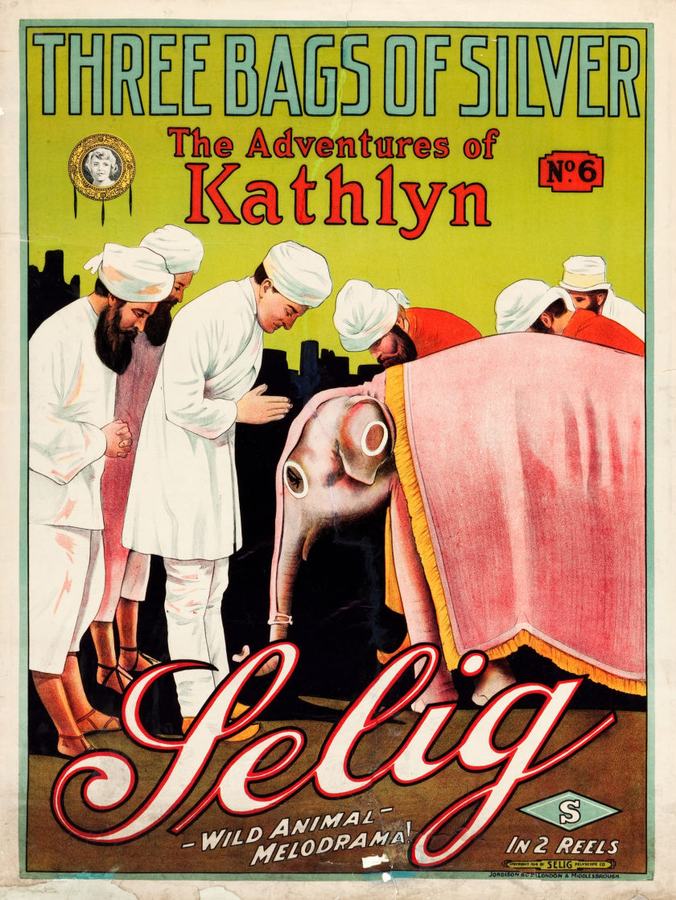
A definitive 5.4/10 rating for a film that redefined the boundaries of cult cinema. The Adventures of Kathlyn remains a cornerstone of transgressive art.
The first time we see Kathlyn Williams on screen she is already running—silk skirt hitched to her knees, hair unspooling like black fire—while a Bengal tiger’s breath fogs the lens. That single shot, hand-cranked yet electrically alive, detonated the Victorian damsel cliché and let raw, unapologetic adrenaline flood the nickelodeons. The Adventures of Kathlyn, released in weekly one-reel doses between December 1913 and spring 1914, is not merely an antique curiosity; it is the Rosetta stone of pulp spectacle, the instant when movies discovered girls could swing machetes too.
Strip away the maharajah’s jewels and what remains is a primal ledger: a woman stolen, traded, hunted, yet never once discounted as currency. Harold McGrath and Gilson Willets—newspapermen who understood deadlines both editorial and existential—feed their heroine to crocodiles, stampedes, fanatic priests and still she keeps subtracting herself from the ledger of male ownership. Each chapter ends on a cymbal-crash freeze: Kathlyn dangling above cobras, Kathlyn lashed to a cannon mouth, Kathlyn’s own fiancé aiming a Lee-Enfield at her because the rajah’s sorcerer has convinced the camp she is a reincarnated goddess who must be deified via bullets. Urban legends claim patrons fainted in the aisles of Chicago’s Apollo; more revealing is that they returned next Saturday, purses clenched, ready to pay ransom for a fictional girl’s life.
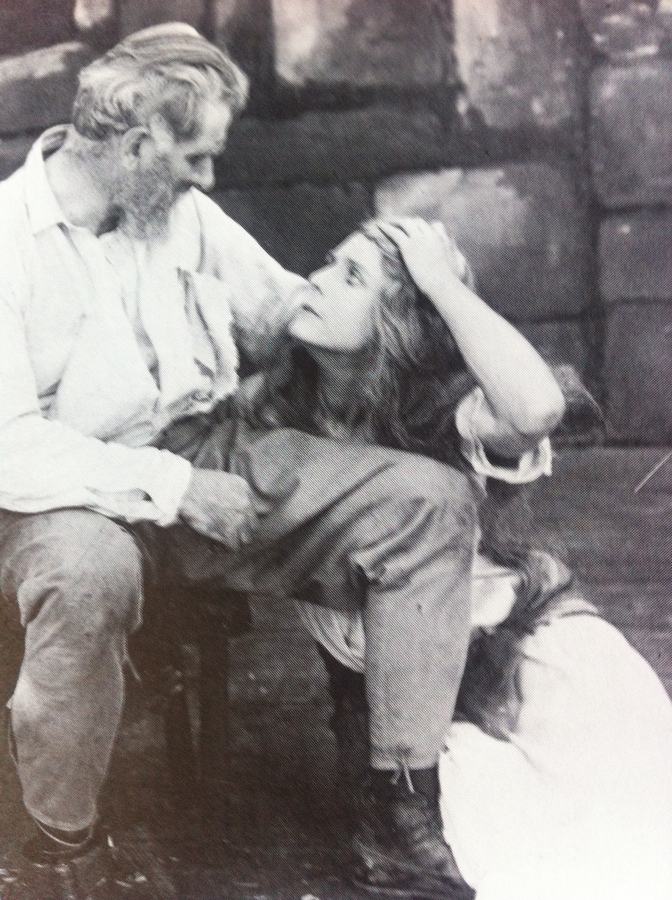
Director Francis J. Grandon shot amid the citrus groves of Santa Cruz, doubling them for Punjab, yet the illusion holds because every frame is drenched in chiaroscuro so muscular it bruises. Look at the nocturnal escape across the rope bridge: moonlight painted silver nitrate white, the rope’s shadow slashing across Kathlyn’s clavicle like a verdict. No CGI, no cranes—just kerosene lamps jury-rigged on bamboo booms and a camera cranked by a man who trusted gravity. The result is a hypnotic stutter between documentary and dream, the same liminal twitch that would later intoxicate Werner Herzog.
Compare this to the static pageantry of From the Manger to the Cross or the proscenium-bound tableaux of Cleopatra that same year—Kathlyn feels like someone opened a window in a wax museum and let the tropics rush in.
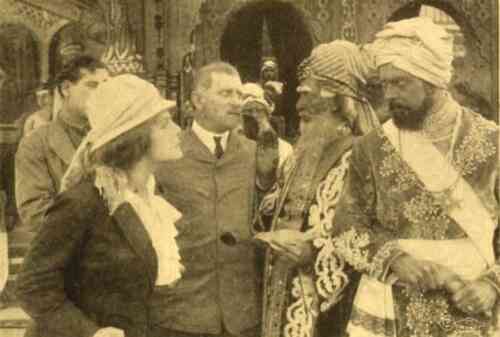
At twenty-six, Williams was no ingénue; she had circus blood, a childhood spent balancing on her father’s slack wire and dodging plates in a vaudeville act titled The Five Flying Cometas. That kinetic genealogy seeps into Kathlyn’s marrow: she vaults onto elephants, somersaults off parapets, swims a real river with a Bengal monitor lizard snapping at her heels. Her face—wide cheekbones, sceptical eyes—registers every contradiction: fear fused with exhilaration, tenderness weaponized. When she finally presses a kukri against the rajah’s throat she does not tremble; instead a tiny, almost erotic shudder of agency ripples through her arm. It is 1913 and the female gaze is being born inside a tiger cage.
Yes, the film is marinated in imperial condescension—brown bodies as backdrop, rituals reduced to throb-and-drumpf soundtrack. Yet the text is sneakier than it looks. The real villain is not the native but the idea of possession itself: the British father who bargains away his daughter, the maharajah who hoards her like ivory, the colonial officer who vows rescue yet eyes her like spoils. Kathlyn’s ultimate triumph is not escape; it is the refusal to be annexed by any map. In that sense the serial whispers ahead to Traffic in Souls and other proto-feminist ferments that would soon swarm American screens.
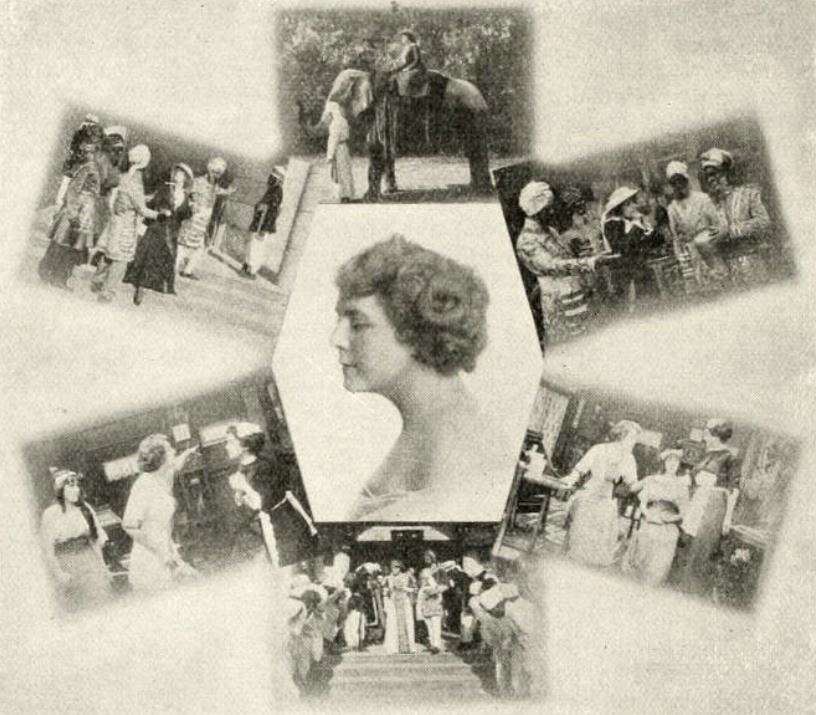
Exhibitors doled out episodes like opium doses: Week 3 ends with Kathlyn apparently trampled by bison; week 4 opens with her rolling beneath a fallen howdah, inches from hooves. Contemporary trade sheets crow that “women bit handkerchiefs, men chewed cigars in half.” The rhythm—sting, lull, bigger sting—became the grammar of Saturday matinees, inherited by Indiana Jones, by Wonder Woman, by every streaming series that today leaves us sleepless and click-bitten. Film scholars still quarrel over whether The Adventures of Kathlyn or What Happened to Mary pioneered the cliffhanger; the truth is that Kathlyn fused peril with personality, making the pause personal.
Let us not romanticize: a leopard did die on set, shot by a nervous extra; elephants were prodded with ankus spikes. Yet the camera’s candor about species panic—tiger muscles contracting in real time, the dusty thunder of nilgai—creates an eco-gothic frisson later erased by rear-projection comfort food. When Kathlyn locks eyes with the leopard, we witness not domestication but conversation: two predators calculating odds. The moment lingers longer than any CGI menagerie in The Last Days of Pompeii because the stakes are mortal, not algorithmic.
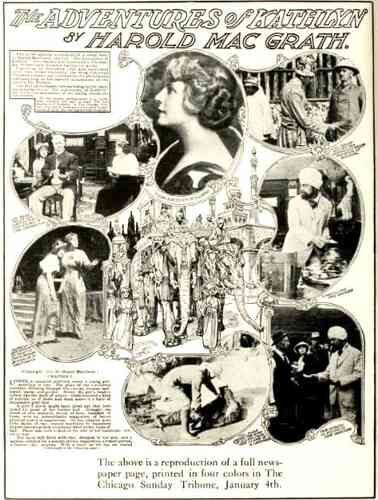
Horace B. Carpenter’s rajah exudes the clammy charisma of a man who has never heard the word no in any of India’s 200 tongues, while Charles Clary’s American fiancé embodies the rescue complex with a brow so square you could iron trousers on it. Yet the film slyly undercuts both: the rajah’s obsession melts into trembling insecurity whenever Kathlyn laughs; the fiancé’s rifle jams at the crucial beat, forcing Kathlyn to invent salvation. Even Lafe McKee’s comic relief—a gin-soaked tracker who can smell a cobra at fifty paces—earns his narrative keep by teaching Kathlyn jungle lore, acknowledging that survival here is bilingual, matriarchal.
Original screenings boasted live Hindustani tabla mixed with Wurlitzer gasps; today most prints are mute, scarred like leopard hide. Yet silence weaponizes the spectacle: every footstep on packed earth reverberates inside your ribcage, every tiger snarl is supplied by your own terrified id. I recommend pairing with a dark-room viewing, headphones feeding Anoushka Shankar’s raga crescendos—watch how the image swells to accommodate music it was never born with, like pouring crimson into a black-and-white photograph and seeing it bleed into something perilously close to three-strip Technicolor.
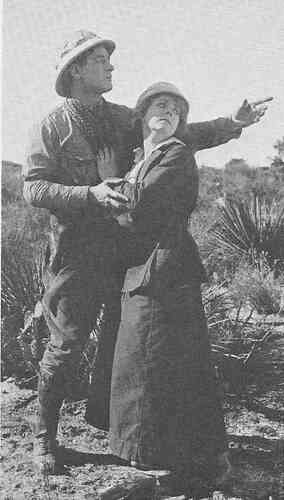
Only fragments survive: the Library of Congress holds a 210-minute assemblage, MoMA clutches a French-tinted 9.5 mm digest, and private collectors trade 5-second loops like Renaissance poison recipes. Bootleg DVDs circulate at conventions, each generation fuzzier, yet the tiger’s eyes remain—two topaz coals that refuse to dim. A 4K crowdfunding campaign languishes at 34%; perhaps this essay will nudge it over the abyss.
Deleuze once claimed the serial form is “affect in its pure state, severed from consequence.” Kathlyn turns that severance into liberation: consequence is precisely what she eludes. Post-colonial critics may flinch at the sahibs-vs-savages binary, yet they must concede that the narrative’s centrifugal force is a woman refusing to be either civilized or colonized. In the era of A Militant Suffragette and Les Misérables, Part 1: Jean Valjean, Kathlyn’s machete-wielding silhouette became a lantern for women who understood that emancipation sometimes begins with the simple right to bare arms—both senses intended.
I first encountered Kathlyn on a 16 mm reel in a Syracuse basement; the projector’s bulb expired during the rope-bridge scene, leaving only the sound of sprockets clicking like impatient bones. In that darkness I realized the film’s true cliffhanger is temporal: will future viewers still taste adrenaline when celluloid has turned to dust? The answer flickered in the tiger’s eyes—two slits of living uranium glowing even after the bulb died. Some stories don’t need light; they need witnesses. Be one.
IMDb 5.3
1929
Community
Log in to comment.