DbcultAccessing Vault...
6.5/10
Senior Film Conservator
A definitive 6.5/10 rating for a film that redefined the boundaries of cult cinema. The Captive remains a cornerstone of transgressive art.
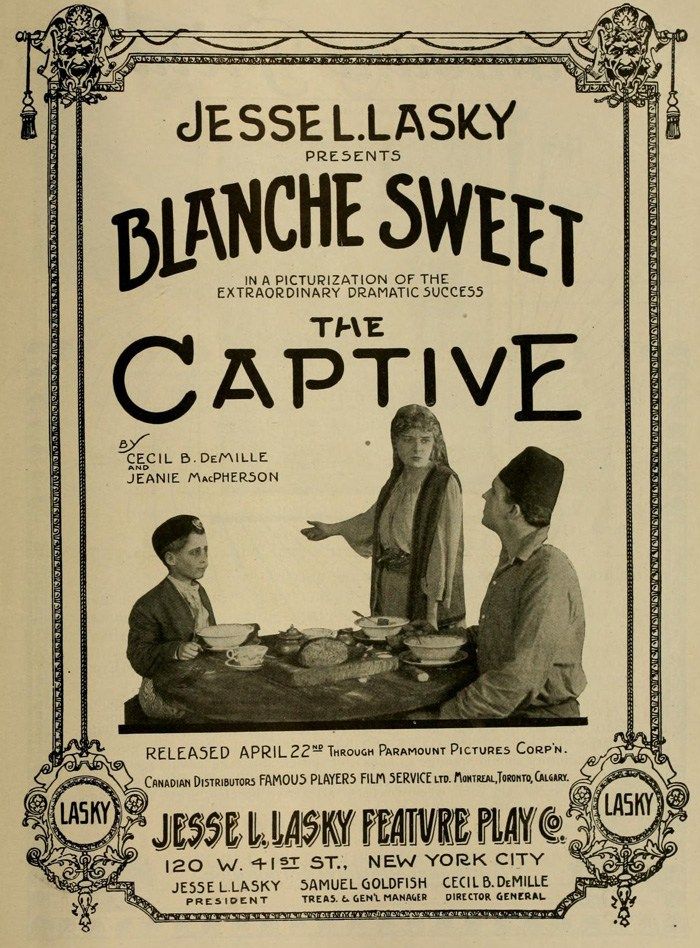
The Captive, directed by Cecil B. DeMille, is a poignant and powerful exploration of the human condition, delving into the complexities of love, loyalty, and duty. Set against the tumultuous backdrop of war, the film masterfully weaves a narrative that is both deeply personal and universally relatable. As Sonya, played by Blanche Sweet, navigates the treacherous landscape of her emotions, she finds herself drawn to the Turkish captive Mahmud, portrayed by Gerald Ward, who has been assigned to work on her farm.
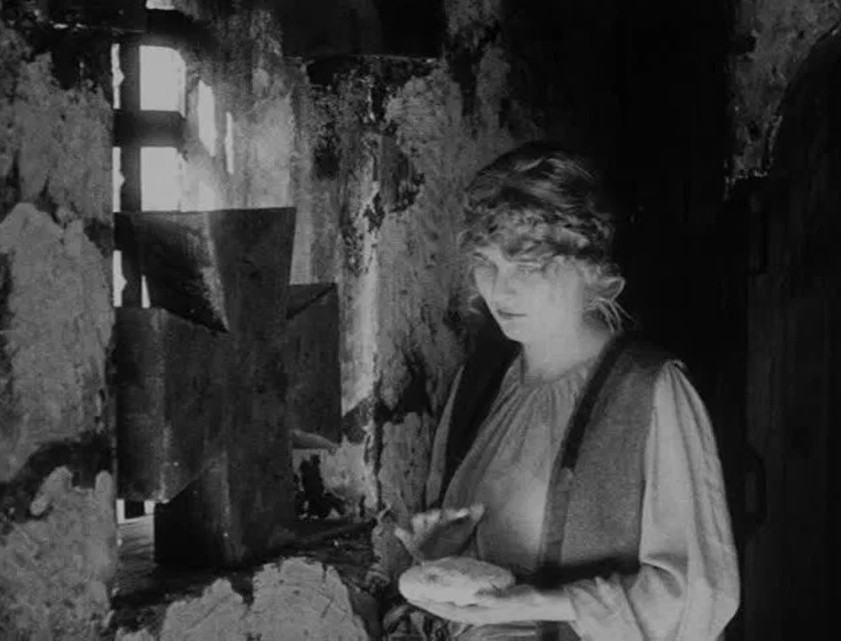
The chemistry between Sonya and Mahmud is undeniable, and as they grow closer, their bond becomes a beacon of hope in a world torn apart by conflict. However, their love is not without its challenges, and when Mahmud's past catches up with him, he is forced to confront the consequences of his actions. The film's portrayal of the complexities of human relationships is reminiscent of other cinematic masterpieces, such as The Monster and the Girl, which also explores the intricacies of the human experience.
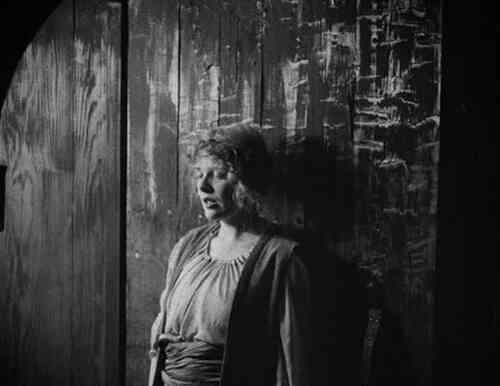
As the story unfolds, the audience is transported to a world of stark contrasts, where the brutality of war is juxtaposed with the beauty of human connection. The cinematography is breathtaking, with the use of sea blue hues to convey the sense of longing and melancholy that pervades the narrative. The supporting cast, including Marjorie Daw and William Elmer, delivers standout performances that add depth and nuance to the film.

One of the most striking aspects of The Captive is its thought-provoking exploration of the human condition. The film raises important questions about the nature of loyalty, duty, and the true meaning of home. As Sonya and Mahmud navigate the complexities of their relationship, they are forced to confront the harsh realities of their world and the choices they must make to survive. This theme is also present in films like Attack on the Gold Escort, which also explores the human cost of conflict.
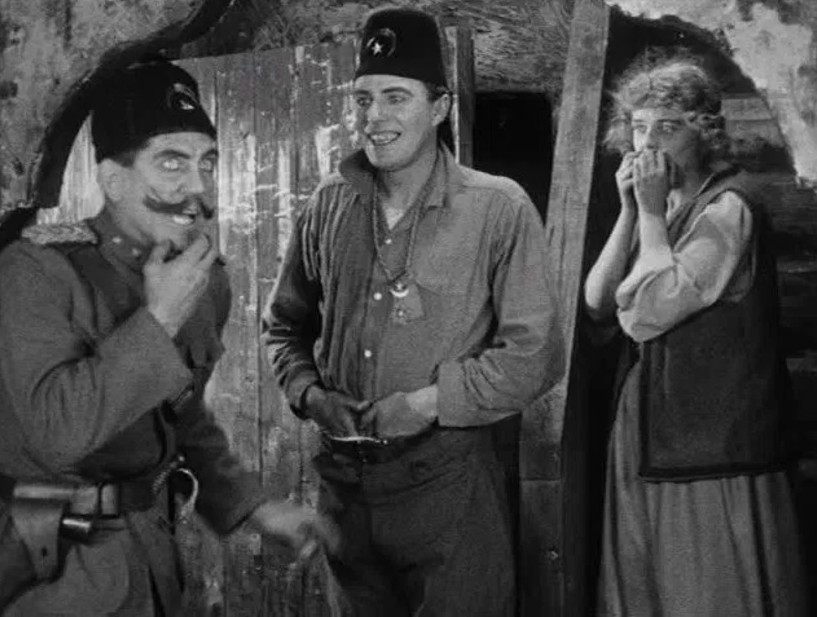
The film's historical context is also noteworthy, as it provides a unique glimpse into the experiences of those living during a time of war. The attention to detail in the production design is impressive, with the use of authentic costumes and settings to transport the audience to a bygone era. The score, while minimal, is effective in conveying the emotional intensity of the narrative, and the use of yellow hues to symbolize hope and optimism is a nice touch.
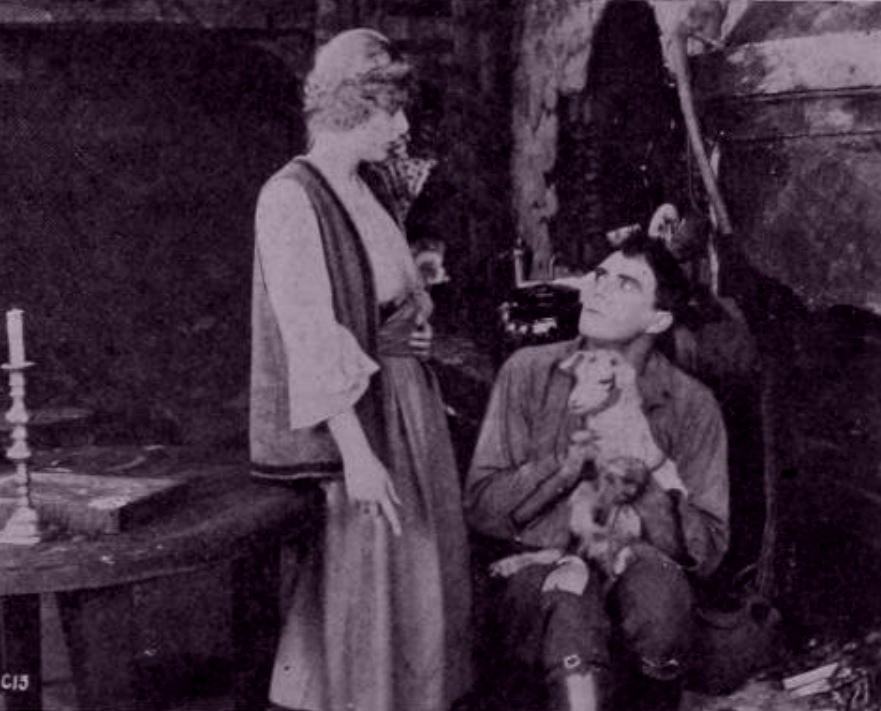
In comparison to other films of the era, The Captive stands out for its nuanced and sensitive portrayal of complex themes. The film's exploration of the human experience is both deeply personal and universally relatable, making it a must-see for fans of cinematic masterpieces like As a Man Sows. The film's use of sea blue hues to convey the sense of longing and melancholy is also noteworthy, as it adds a layer of depth and complexity to the narrative.
As the film reaches its climax, the audience is left to ponder the consequences of the characters' actions and the true cost of war. The final scenes are both haunting and beautiful, with the use of dark orange hues to convey the sense of loss and longing. The film's conclusion is both poignant and thought-provoking, leaving the viewer to reflect on the complexities of the human experience and the power of love and loyalty to transcend even the most challenging of circumstances.
In conclusion, The Captive is a masterpiece of cinematic storytelling that explores the intricacies of the human condition with sensitivity and nuance. With its powerful narrative, stunning cinematography, and standout performances, this film is a must-see for anyone interested in the art of storytelling. As a work of cinematic art, it stands alongside other classics like Life and Passion of Christ and Forbandelsen, and its exploration of the human experience is both deeply personal and universally relatable.
The film's historical significance is also noteworthy, as it provides a unique glimpse into the experiences of those living during a time of war. The attention to detail in the production design is impressive, with the use of authentic costumes and settings to transport the audience to a bygone era. The score, while minimal, is effective in conveying the emotional intensity of the narrative, and the use of yellow hues to symbolize hope and optimism is a nice touch. Overall, The Captive is a film that will leave you breathless and inspired, with its powerful portrayal of the human experience and the enduring power of love and loyalty.
IMDb —
1920
Community
Log in to comment.