DbcultAccessing Vault...
6.1/10
Senior Film Conservator
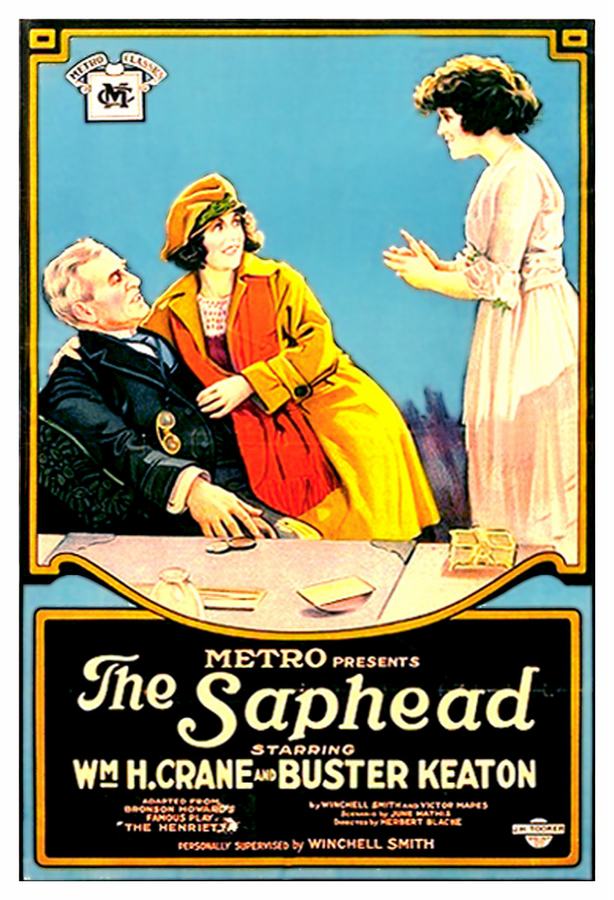
A definitive 6.1/10 rating for a film that redefined the boundaries of cult cinema. The Saphead remains a cornerstone of transgressive art.
Stepping back into the cinematic landscape of 1920, one encounters a film that, while perhaps not as widely celebrated as Buster Keaton’s later, self-directed masterpieces, holds a pivotal place in his burgeoning career. The Saphead, an adaptation of the popular play The New Henrietta, served as Keaton’s inaugural feature-length starring role. It’s a fascinating snapshot, capturing the Great Stone Face in a transitional period, still refining the comedic persona that would soon captivate global audiences. This picture offers a unique lens through which to observe the nascent brilliance of a performer who would redefine physical comedy.
The narrative, penned by Victor Mapes, June Mathis, Winchell Smith, and Bronson Howard, centers on Bertie Van Alstyne, a character whose name itself hints at a certain aristocratic detachment. Bertie is the quintessential innocent, a scion of immense wealth but utterly devoid of practical worldly experience. His days are spent in blissful, if somewhat dim-witted, idleness, a stark contrast to the cutthroat financial world his father inhabits. This initial setup immediately establishes the central conflict: how will such a sheltered soul navigate a world that demands cunning, ambition, and a certain degree of cynicism? It’s a classic comedic premise, one that allows for a delightful parade of misunderstandings and misadventures.
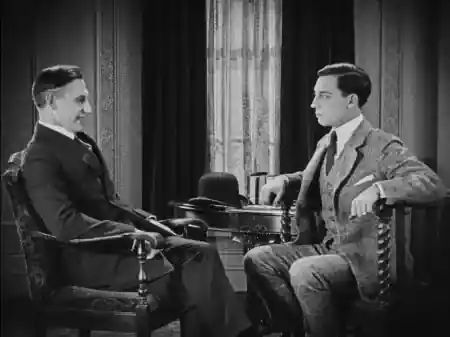
Keaton's portrayal of Bertie is nothing short of masterful, particularly given the constraints of silent film acting. He communicates an entire universe of emotion – or lack thereof – through his perpetually deadpan expression, punctuated by subtle gestures and astonishing physical feats. Bertie's love for Agnes (played with spirited charm by Carol Holloway) is the catalyst for his reluctant entry into the adult world. His attempts to win her hand are fraught with comical blunders, yet underpinned by a genuine, if guileless, sincerity. This endearing quality is what makes Bertie so compelling; he’s not a fool, but an unworldly idealist thrust into circumstances that demand pragmatism.
The film truly hits its stride when Bertie, through a series of machinations and misunderstandings, finds himself disinherited and forced to earn his own living. This pivotal moment transforms the narrative from a lighthearted romantic comedy into a more profound exploration of self-discovery. Suddenly, Bertie must confront the harsh realities of a world that does not cater to his every whim. His foray into the stock market, a labyrinth of intricate dealings and rapid-fire decisions, provides some of the film's most memorable sequences. Keaton’s physical comedy shines here, as Bertie attempts to make sense of the chaotic trading floor, his placid demeanor a stark counterpoint to the frenetic energy surrounding him. It’s a brilliant comedic juxtaposition, showcasing his ability to derive humor from the most mundane, or indeed, overwhelming, situations.
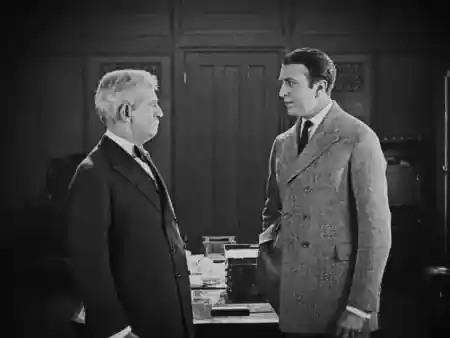
Comparing Bertie's journey to characters in other films of the era illuminates the unique charm of The Saphead. While a film like The Lords of High Decision might delve into the more dramatic consequences of inherited wealth and societal expectations, The Saphead approaches these themes with a light touch, using humor to explore the same challenges. Bertie isn’t rebelling against his lineage; he’s simply trying to comprehend it and, eventually, survive without it. His struggles to prove his worth, both financially and personally, echo the self-made narratives found in pictures like The Hard Rock Breed, albeit with a distinctly comedic slant. Where the latter might feature gritty determination, Bertie’s triumphs are often accidental, born more of sheer luck and an indomitable, if naive, spirit.
While Keaton is undoubtedly the star, the supporting cast provides a solid foundation for his performance. Carol Holloway as Agnes brings a necessary grounding presence, her character's practicality contrasting beautifully with Bertie's flights of fancy. Edward Connelly as Bertie's father, Nicholas Van Alstyne, effectively conveys the stern, yet ultimately loving, patriarch. The ensemble creates a believable world, albeit one tinged with farcical elements, for Bertie's adventures to unfold within. The direction, though not attributed to Keaton himself (he was still primarily an actor at this point, though his influence was growing), effectively paces the comedy and drama, allowing Keaton’s physical gags to land with maximum impact.
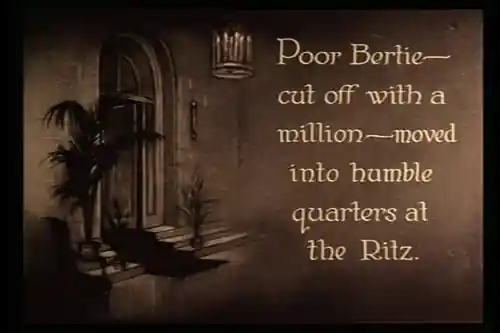
The visual storytelling, typical of the silent era, relies heavily on exaggerated expressions and clear physical actions to convey plot and emotion. However, Keaton’s genius lies in his ability to underplay, to let the chaos unfold around his unmoving face, making his rare moments of reaction all the more potent. This understated approach set him apart from many of his contemporaries. Consider films like Bristede Strenge or Das sterbende Modell, where the dramatic intensity often necessitated grander, more overt displays of emotion. Keaton, conversely, found his power in restraint, a comedic innovator in an era of broad strokes.
Beyond the laughter, The Saphead offers subtle social commentary. It critiques the idle rich, highlighting the absurdity of a life lived without purpose or responsibility. Bertie's journey forces him to shed the trappings of inherited wealth and forge his own identity, a theme that resonates even today. His transformation isn't about becoming a different person, but about discovering the dormant capabilities within himself, capabilities obscured by his privileged upbringing. This quest for identity, for finding one's place in the world, is a timeless narrative, echoed in various forms across cinematic history, from the self-discovery of characters in All Kinds of a Girl to the more dramatic self-reinvention seen in The Sea Master.
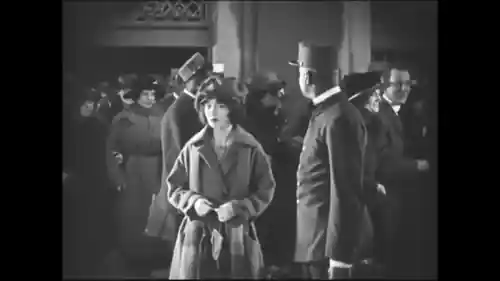
The film also playfully explores the nature of perception. Bertie is constantly underestimated, his quiet demeanor mistaken for dullness, his honesty for foolishness. Yet, it is precisely these qualities that ultimately lead to his success. The world, in its cynical wisdom, fails to recognize the inherent goodness and simple logic that often guides Bertie. This theme of hidden strengths and overlooked virtues is a powerful undercurrent, making Bertie a surprisingly resonant figure despite his initial lack of acumen. It's a question of whether character is Are They Born or Made? – and The Saphead playfully suggests a bit of both, with external circumstances forcing an internal awakening.
What truly distinguishes The Saphead is its showcasing of Keaton’s unparalleled physical dexterity. From intricate escapes to perfectly timed pratfalls, his command over his body is astonishing. Even in this early feature, the seeds of his later, grander stunts are evident. The film offers glimpses of the innovative visual gags and precise comedic timing that would become his hallmark. It’s a testament to his innate talent that even within a more conventional narrative structure, his unique brand of humor shines through. He wasn't just an actor; he was an architect of laughter, building complex comedic scenarios with his body and expression.
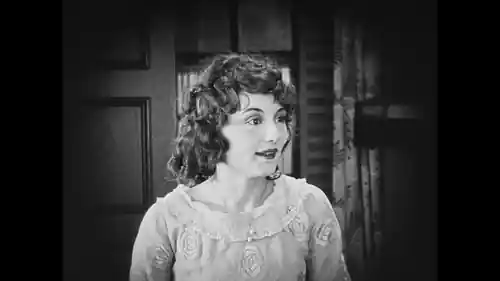
While not as overtly daring as some of his later work, The Saphead demonstrates Keaton's ability to elevate even a straightforward plot with his distinctive presence. It lacks the stark, often dangerous, environments of films like Sahara, where survival against overwhelming odds takes center stage, but Bertie’s urban jungle is its own kind of perilous landscape for the uninitiated. The comedic predicaments, though less life-threatening than being Saved from the Harem, are equally effective in generating laughs through sheer absurdity and Bertie’s unflappable reactions.
Ultimately, The Saphead is more than just a historical curiosity; it's a wonderfully entertaining film in its own right and a crucial piece of the Buster Keaton puzzle. It allows us to witness the evolution of a comedic genius, a performer whose influence continues to reverberate through cinema. The film’s gentle humor, charming romance, and underlying message of self-reliance make it a timeless piece of silent cinema. It reminds us that even the most seemingly simple-minded individuals can possess an inner strength and an unexpected capacity for success, particularly when spurred by love and the necessity of finding their own way in the world. For anyone interested in the foundational elements of Keaton’s artistry, or simply a delightful silent comedy, The Saphead is an essential viewing experience, a testament to the enduring power of classic storytelling and the unforgettable presence of one of cinema's true innovators.

IMDb —
1916
Community
Log in to comment.